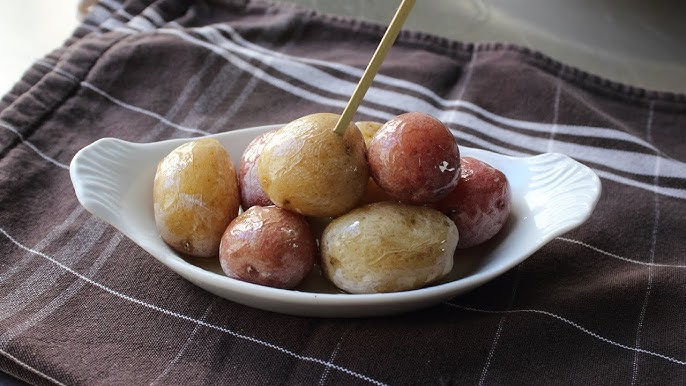
Salt Potatoes Recipe: Ever stumbled upon a dish so simple, yet so mind-blowingly good that you wonder why you haven’t been making it your whole life? That’s salt potatoes for you. This humble side dish has deep roots and an even deeper flavor. A regional favorite in Central New York, salt potatoes are creamy on the inside, salty and slightly crisp on the outside, and totally irresistible once you’ve had a bite.
They might look like just boiled potatoes, but there’s a magic trick here: they’re boiled in heavily salted water—like, really salty. What does that do? It creates a unique texture and a naturally salty crust that makes them wildly addicting. No wonder people serve them at every BBQ, cookout, and family gathering.
In this guide, I’ll walk you through everything you need to know to make perfect salt potatoes from scratch—no boxed mixes, no weird tricks. Just real, old-fashioned deliciousness with a step-by-step walkthrough.
List of Ingredients You’ll Need
Let’s keep it simple and classic. You don’t need anything fancy to make salt potatoes shine. Here’s your grocery list:
Basic Ingredients:
- 2 pounds small white potatoes (baby potatoes or new potatoes work best)
- 1 cup kosher salt (yes, an entire cup!)
- 4 tablespoons unsalted butter, melted (or more to taste)
- Optional: chopped parsley or chives for garnish
These quantities are for about 4 servings. Feel free to double or halve the recipe as needed!
Optional Add-Ons:
- Garlic powder or minced garlic
- Paprika for a smoky flavor
- Crushed red pepper flakes for heat
- Shredded cheese (cheddar or parmesan works wonders)
- Infused butters (herb, truffle, or garlic butter)
Tools You’ll Need:
- Large pot (preferably stainless steel)
- Strainer or colander
- Small saucepan (for melting butter)
- Mixing bowl (if tossing with extras)
- Tongs or slotted spoon
That’s it—simple tools and just a few ingredients. You probably already have most of these in your kitchen!
What Makes Salt Potatoes Unique?
You might be thinking: “Aren’t these just boiled potatoes with salt?” Not quite. Salt potatoes are different—and here’s why.
When you add a crazy amount of salt to boiling water, it raises the boiling point slightly and changes how the potato cooks. Instead of the water fully soaking into the potatoes, the super salty brine creates a thin crust on the outside. This keeps the inside creamy and buttery while the exterior gets a lightly crisp, salty shell. It’s kind of like nature’s seasoning trick.
Ever had a boiled potato taste like it was already buttered and seasoned before you even touched it? That’s what salt potatoes do. The salt doesn’t overpower—the flavor gets locked in naturally. Plus, there’s zero peeling required. That skin? You’ll want to keep it on.
Fun fact: This method originated with Irish salt miners who would bring sacks of potatoes to work and boil them in the brine they were extracting. Genius, right?
Selecting the Right Potatoes
Not all potatoes are created equal—especially when it comes to salt potatoes.
Best Varieties:
- New potatoes – Small, young potatoes with thin skins. Perfect size and texture.
- Baby white potatoes – Classic choice, widely available.
- Fingerling potatoes – These work too, but their shape is less traditional.
- Red potatoes – Can be used, but their skin is thicker.
Avoid russets or larger potatoes. They’re too starchy, too big, and won’t cook evenly in salt brine.
Buying Tips:
- Choose potatoes that are small, firm, and roughly the same size for even cooking.
- Skip any with green spots or sprouts.
- Organic is great, but not required—just wash well.
Remember, smaller potatoes = creamier insides and better crusts. Aim for golf-ball size or smaller.
Step-by-Step Cooking Instructions
Now that you’ve got your ingredients ready and the right kind of potatoes picked out, it’s time to get cooking. Follow these easy steps to nail the perfect batch of salt potatoes every single time.
Step 1: Clean the Potatoes
Rinse small, whole potatoes under cold water. Scrub gently to remove dirt. Leave the skins on—they help hold the creamy texture inside.
Step 2: Preparing the Salt Brine
Fill a large pot with water and add a generous amount of salt. The water should taste very salty, similar to seawater. This creates the signature crust.
Step 3: Boiling the Potatoes in Salt Water
Add potatoes to the pot and bring to a boil. Reduce to a steady simmer and cook for 15–20 minutes, or until the potatoes are fork-tender.
Step 4: Cooling and Draining
Drain the potatoes completely and let them sit uncovered for a few minutes. As they cool, a thin layer of salt forms on the skin.
Step 5: Melting the Butter
Melt butter in a small saucepan or microwave. Serve hot salt potatoes with plenty of melted butter poured over the top. Enjoy immediately.
Serving Suggestions
Salt potatoes are delicious on their own, but why stop there? There are plenty of ways to serve and dress them up, depending on the occasion.
Classic Style:
- Serve straight from the pot, drizzled with melted butter.
- Sprinkle with a bit of black pepper or chopped fresh parsley.
- Pair with grilled meats or BBQ for that all-American summer plate.
Elevated Toppings:
Want to impress your guests or just try something new?
- Garlic butter: Add minced garlic to your melted butter before pouring it over.
- Cheesy potatoes: Sprinkle with freshly grated parmesan or sharp cheddar.
- Herb mix: Toss with chopped rosemary, thyme, and parsley for a garden-fresh flavor.
- Spicy kick: Add a pinch of crushed red pepper or smoked paprika.
- Lemon zest and dill: For a bright, zesty twist.
Dip It Good:
Salt potatoes also go great with dips! Try:
- Ranch dressing
- Sour cream and chive dip
- Spicy aioli
- Honey mustard
Whether you’re going casual or fancy, salt potatoes adapt beautifully to every setting.
Tips and Tricks for Perfect Salt Potatoes
Making salt potatoes is simple, but here are a few expert-level tips to make them absolutely perfect:
1. Use the Right Salt
Stick with kosher or coarse sea salt. Table salt works in a pinch, but it can give off a slightly metallic or bitter aftertaste in large quantities.
2. Don’t Skimp on Salt
Yes, it looks like a lot—but if you reduce the salt too much, you won’t get that iconic crust. The salt helps prevent the potatoes from becoming waterlogged.
3. Let Them Dry
After boiling, let your potatoes sit in the strainer. That 5–10 minute window is when the crust forms. Don’t rush it!
4. Add Butter While Hot
Make sure to add melted butter while the potatoes are still warm, so it absorbs slightly and coats every potato evenly.
5. Toss Gently
Don’t smash the potatoes while tossing with butter. Use a spoon or gently shake the bowl to coat them.
6. Try Infused Butters
Want to elevate your salt potatoes? Infuse your melted butter with garlic cloves, fresh herbs, or a little chili oil for added flavor.
These tricks might seem small, but they make a big difference between “good” and “next-level” salt potatoes.
Health Benefits and Nutritional Info
You might not think of salt potatoes as a healthy dish, but they’ve got a surprising number of benefits—especially when eaten in moderation.
Nutritional Snapshot (Per Serving):
- Calories: ~230
- Carbs: ~35g
- Fat: ~8g (from butter)
- Protein: ~3g
- Fiber: ~3g
- Sodium: High (due to salt water)
Health Perks:
- Potassium-rich: Great for heart and muscle health
- Fiber from the skin: Helps with digestion and keeps you full
- Gluten-free: Naturally safe for gluten-sensitive diets
- Vegan option: Use plant-based butter or olive oil
If you’re watching your sodium intake, consider reducing the salt slightly—but remember, most of the salt stays in the water, not the potato itself.
Storage and Reheating Tips
So, you’ve made a batch of delicious salt potatoes—but what if you’ve got leftovers? Good news: salt potatoes reheat well and taste just as amazing the next day (or even two days later).
How to Store Salt Potatoes:
- Cool completely before storing. Let them sit at room temperature for 20–30 minutes after serving.
- Transfer to an airtight container or resealable bag.
- Store in the refrigerator for up to 4 days.
Avoid freezing them, as the texture can become grainy or mealy when thawed.
Reheating Methods:
1. Skillet (Best Method)
- Heat a little butter or oil in a skillet over medium heat.
- Add the potatoes and cook for 5–8 minutes, turning occasionally.
- This gives them a crispy exterior and warm, creamy interior.
2. Microwave (Quickest)
- Place in a microwave-safe dish with a damp paper towel on top.
- Microwave for 1–2 minutes, stirring halfway through.
- Add a drizzle of melted butter before serving.
3. Oven
- Preheat oven to 375°F (190°C).
- Place potatoes in a baking dish and cover with foil.
- Heat for 15–20 minutes until warmed through.
Pro Tip: Add a sprinkle of cheese or herbs before reheating for a flavor boost.
Salt Potatoes Variations
While the traditional version is hard to beat, there are lots of fun ways to switch up your salt potatoes and make them your own.
1. Herb-Infused Butter Salt Potatoes
- Melt butter with fresh rosemary, thyme, or oregano.
- Drizzle over the hot potatoes and toss gently.
- Top with a sprinkle of sea salt and cracked black pepper.
2. Spicy Garlic Salt Potatoes
- Sauté minced garlic in butter.
- Add chili flakes or hot sauce to the mix.
- Toss potatoes in the spicy garlic butter and serve with a cooling dip.
3. Cheesy Salt Potatoes
- While the potatoes are hot, sprinkle shredded cheddar, mozzarella, or parmesan.
- Let the cheese melt slightly and top with chopped chives or scallions.
4. Lemon Dill Potatoes
- Mix melted butter with lemon zest and chopped dill.
- Add a dash of sea salt and toss over the potatoes for a fresh, tangy finish.
5. Loaded Salt Potatoes
- Top with sour cream, crumbled bacon, green onions, and cheddar cheese.
- Think of it like a loaded baked potato—but bite-sized!
The possibilities are endless. Feel free to get creative depending on your mood, the season, or what’s in your fridge!
Salt Potatoes for Special Occasions
Salt potatoes might have humble roots, but they’re a total crowd-pleaser—especially at gatherings. Their easy prep and big flavor make them ideal for:
Backyard BBQs
- Serve alongside grilled burgers, sausages, or ribs.
- Make them in big batches to keep guests happy.
Holiday Meals
- Add to your Thanksgiving or Christmas table.
- Pair with roasted meats and rich gravies.
Potlucks and Parties
- Transport easily in a covered dish.
- Keep warm in a slow cooker with melted butter on the side.
Picnics
- Pack cooled salt potatoes in a container.
- Serve cold or room temp with dips or aioli.
Make-ahead friendly, budget-conscious, and loved by all ages—salt potatoes are perfect for any event.
Pairing Ideas
Wondering what to serve with your salt potatoes? Here are some great pairing ideas to make them part of a full, balanced meal:
Proteins That Work Perfectly:
- Grilled chicken or steak
- BBQ pulled pork or ribs
- Fried or baked fish
- Grilled sausage or bratwurst
- Burgers or veggie burgers
Fresh Side Dishes:
- Corn on the cob
- Grilled vegetables
- Green beans or roasted asparagus
- Coleslaw or fresh garden salad
Sauces & Dips:
- Ranch or blue cheese dressing
- Spicy aioli or sriracha mayo
- Chimichurri or pesto for a fresh kick
- Garlic yogurt sauce
And don’t forget the drinks! Try lemonade, iced tea, or a crisp apple cider to round out the flavors.
FAQs about Salt Potatoes Recipe
1. Why do I need so much salt in the water?
It may seem excessive, but the salt creates a brine that forms a light crust on the outside of the potatoes while keeping the inside tender. Most of the salt stays in the water, not in the potato.
2. Can I use regular table salt?
Yes, but reduce the amount to about ¾ cup since table salt is finer and saltier than kosher salt.
3. Do I need to peel the potatoes first?
Nope! The skin adds texture and flavor. Just scrub them clean before boiling.
4. Can I use larger potatoes?
You can, but they may not cook evenly, and the texture might not be as creamy. Stick to small, bite-sized potatoes for best results.
5. Are salt potatoes gluten-free?
Absolutely! They’re naturally gluten-free—just make sure any toppings or dips you add are too.
Troubleshooting
My potatoes are too salty—what went wrong?
Most likely, they were too small and absorbed more salt than usual. Next time, try using slightly larger potatoes or reducing the boiling time by a few minutes.
They came out mushy—what happened?
You may have overcooked them or used a potato variety that’s too starchy (like russets). Stick to waxy varieties like baby whites or new potatoes.
There’s white residue on the potatoes—is that okay?
Totally normal! That’s just the salt crystallizing as the potatoes dry. It’s part of what makes salt potatoes so special.
Conclusion
There you have it—the ultimate step-by-step guide to making salt potatoes. Whether you’re cooking for your family, a party, or just yourself, this dish never fails to satisfy. Creamy, salty, buttery, and endlessly customizable, salt potatoes are proof that the simplest ingredients can create the biggest flavors.
Once you master this recipe, you’ll find yourself making it again and again. And why not? It’s budget-friendly, comforting, and pairs beautifully with just about everything. So, roll up your sleeves, grab that salt, and let’s turn those baby potatoes into something unforgettable.