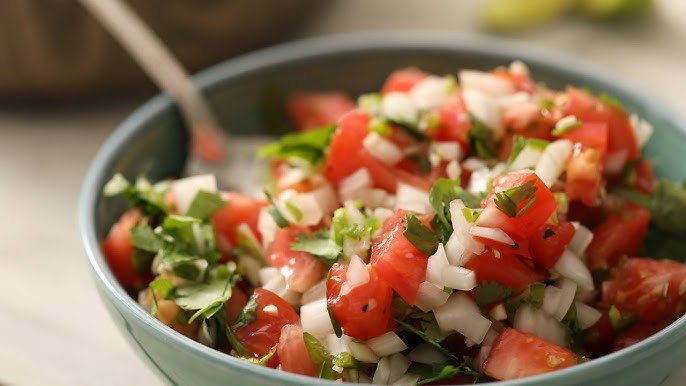
Salsa Fresca Recipe: Salsa Fresca, also known as Pico de Gallo, is a fresh, chunky, and vibrant Mexican salsa made with simple ingredients straight from the garden. Unlike cooked salsas, Salsa Fresca brings raw, crisp flavors together to create a refreshing topping or dip that you can use in endless ways. Whether you’re dressing up your tacos or dipping tortilla chips on game night, this salsa is the real MVP of any table.
So why not just buy a jar from the store? Well, homemade salsa is in a whole different league. The freshness, the ability to tweak it exactly to your taste, and the satisfaction of chopping it all by hand? Unmatched.
Health Benefits of Salsa Fresca
Let’s be real—when something tastes this good, you rarely expect it to be healthy too. But Salsa Fresca is both delicious and nutritious. It’s naturally low in calories and fat-free, making it a guilt-free addition to your meals.
Here’s what you’re getting:
- Tomatoes: Packed with vitamin C, potassium, and antioxidants like lycopene.
- Onions and Garlic: Great for heart health and immunity.
- Jalapeños: Add a spicy kick and can even boost your metabolism.
- Cilantro: Helps with digestion and detoxification.
- Lime Juice: Loaded with vitamin C and helps brighten up all the flavors.
No added sugars, no processed junk—just pure, clean ingredients that your body will thank you for.
When and How to Serve Salsa Fresca
There’s no wrong time to bring out a bowl of Salsa Fresca. Here are a few of the best ways to serve it:
Perfect Pairings:
- Tortilla chips (obviously!)
- Tacos of all kinds—beef, chicken, fish, or veggie
- Grilled chicken, steak, or shrimp – it adds a fresh contrast
- Burrito bowls and nachos – the finishing touch
- Eggs or omelets – for a spicy breakfast twist
Creative Uses:
- As a healthy topping for baked potatoes
- Mixed into quinoa or rice bowls
- Blended slightly and used as a salad dressing
- Spooned over grilled corn or roasted vegetables
List of Ingredients You’ll Need
Here’s everything you need to make an authentic bowl of Salsa Fresca. Keep it fresh, and you’ll taste the difference!
Main Ingredients:
- 4 ripe Roma tomatoes (or 2 large beefsteak tomatoes)
- 1/2 medium red onion (finely chopped)
- 1–2 jalapeños (seeds removed for mild, left in for spicy)
- 2 cloves garlic (minced)
- 1/4 cup fresh cilantro (chopped)
- Juice of 1 lime
- Salt to taste
Optional Add-Ins:
- Avocado chunks (for creaminess)
- Cucumber (for extra crunch)
- Green onions or shallots
- A pinch of cumin or paprika for depth
Freshness is key here. If your tomatoes are watery or your onions are too strong, it will throw off the balance.
Kitchen Tools You’ll Need
No fancy gadgets required, just some basics you probably already have.
Must-Have Tools:
- Sharp knife
- Cutting board
- Mixing bowl
- Citrus juicer or reamer (or just use your hands!)
- Spoon for mixing
Helpful Extras:
- Garlic press (if you hate mincing)
- Herb scissors (for faster cilantro prep)
- Food processor (if you prefer smoother salsa)
Tips Before You Start
Before diving in, take note of a few tips that’ll make your salsa stand out.
Choosing Tomatoes:
- Go for firm but ripe tomatoes. Roma or plum tomatoes work best because they’re less watery.
- Remove excess seeds and pulp if your tomatoes are too juicy.
Spice Level Control:
- Milder: Remove seeds and ribs from jalapeños or use only half.
- Medium: Use one full jalapeño with seeds.
- Spicy: Add two or sub in a serrano or habanero for heat.
Taste as you go, and don’t be afraid to adjust based on your heat tolerance!
Step-by-Step Guide to Making Salsa Fresca
Ready? Let’s break it down step by step. Follow these directions carefully for the best results.
Step 1: Prep the Ingredients
Gather fresh tomatoes, onion, jalapeño, garlic, cilantro, lime, and salt. Rinse all produce thoroughly and pat dry. Fresh ingredients are key to bright, authentic flavor.
Step 2: Dice the Tomatoes
Cut the tomatoes into small, even dice. Remove excess seeds if the tomatoes are very juicy to prevent watery salsa. Place them in a mixing bowl.
Step 3: Chop the Onion and Jalapeño
Finely chop the onion for a mild crunch. Mince the jalapeño, removing the seeds if you prefer less heat. Add both to the bowl with the tomatoes.
Step 4: Mince the Garlic
Finely mince the garlic clove to release its flavor without overpowering the salsa. Add it to the mixture.
Step 5: Add Fresh Cilantro
Chop fresh cilantro leaves and stems. Cilantro adds freshness and a classic salsa aroma. Stir it gently into the bowl.
Step 6: Squeeze in Lime Juice
Cut the lime and squeeze the juice evenly over the mixture. Lime juice adds brightness and balances the heat and acidity.
Step 7: Season with Salt
Sprinkle salt evenly over the salsa. Start with a small amount—you can always add more later.
Step 8: Mix Everything Together
Gently stir all the ingredients until well combined. Be careful not to mash the tomatoes; you want a chunky texture.
Step 9: Let It Rest
Let the salsa sit for 10–15 minutes at room temperature. This resting time allows the flavors to meld beautifully.
Step 10: Taste and Adjust
Taste the salsa and adjust salt, lime, or heat as needed. Serve fresh with chips, tacos, or grilled dishes.
Fresh, vibrant, and bursting with flavor—salsa fresca is a simple classic done right 🍅🌿
Texture Tips: Chunky vs Smooth Salsa
When it comes to Salsa Fresca, texture is everything. Some people love it chunky, where every ingredient stands on its own. Others prefer a slightly smoother consistency that’s easier to scoop and spread. Here’s how to get the texture that’s just right for you.
For Chunky Salsa:
- Hand chop all your ingredients using a sharp knife.
- Avoid overmixing.
- Keep the tomato and onion pieces about the same size—this makes each bite balanced.
For Smoother Salsa:
- Use a food processor and pulse just a few times.
- Be careful not to puree it—you still want some texture.
- Smooth salsa works great as a topping for grilled meats or spooned into tacos.
Pro tip: If you’re making this for a party, go chunkier—it’s more visually appealing and feels more homemade. If you’re planning to use it in wraps or burritos, smoother is often easier to spread.
No matter your texture preference, the flavor will shine through. That’s the beauty of fresh ingredients done right.
Storing Your Salsa Fresca
Salsa Fresca is best when it’s fresh, but you can absolutely store it and enjoy it later.
Refrigerator:
- Store in an airtight container.
- Keeps well for up to 3 days.
- Stir before serving, as it may release liquid while sitting.
Can You Freeze Salsa Fresca?
Technically yes, but it’s not recommended. The texture of the tomatoes and onions will get mushy and watery once thawed. If you must freeze it:
- Drain excess liquid first.
- Store in a freezer-safe bag with the air squeezed out.
- Use within 1 month.
But honestly? You’re better off just making a fresh batch. It takes less than 15 minutes anyway!
Salsa Fresca Variations to Try
Want to level up your salsa game? Here are some tasty variations of the classic recipe:
1. Mango Salsa Fresca:
- Swap 2 tomatoes for 1 ripe mango (peeled and diced)
- Add red bell pepper for sweetness
- Use red onion and extra lime for contrast
2. Pineapple Salsa:
- Replace some tomatoes with pineapple chunks
- Add jalapeño and a splash of orange juice
- Perfect with grilled shrimp or pork
3. Avocado Salsa Fresca:
- Mix in 1 diced avocado right before serving
- Don’t let it sit too long or the avocado will brown
- Makes a great topping for burrito bowls
4. Roasted Pepper Salsa Fresca:
- Roast jalapeños or poblanos, peel and chop
- Adds a smoky, rich depth to the fresh salsa
Each variation keeps the spirit of Salsa Fresca alive while giving you a whole new flavor experience.
Mistakes to Avoid When Making Salsa Fresca
Even though it’s simple, there are a few pitfalls that can make your Salsa Fresca fall flat. Don’t worry—these are easy to avoid:
1. Using Watery Tomatoes
Too much juice = soggy salsa. Always remove the seeds and pulp if needed.
2. Over-salting Early
Salt draws out moisture from tomatoes and onions. Add a small amount first, then adjust later.
3. Not Letting It Rest
Skipping the resting time means the flavors won’t blend properly. Give it at least 15–30 minutes.
4. Using Dried Herbs Instead of Fresh
Fresh cilantro is non-negotiable for flavor. Dried just won’t cut it.
5. Not Tasting as You Go
Everyone’s ingredients are slightly different. Always taste and tweak to make it your own.
Is Salsa Fresca the Same as Pico de Gallo?
You’ve probably heard both terms used interchangeably, and honestly—they’re super similar. But here’s the breakdown:
- Salsa Fresca literally means “fresh sauce” in Spanish.
- Pico de Gallo translates to “rooster’s beak” (because people used to eat it with their fingers, pecking like a bird).
The Differences?
- Pico de Gallo is always chunky and uncooked.
- Salsa Fresca is usually used to describe the same thing, but sometimes includes slight variations like extra lime juice or a smoother blend.
Bottom line: they’re practically the same. Call it whatever you want—just make sure it’s fresh and flavorful!
FAQs about Salsa Fresca Recipe
1. Can I make Salsa Fresca in advance?
Yes! In fact, letting it rest in the fridge for a few hours helps the flavors blend beautifully. Just don’t add avocado until right before serving.
2. What kind of tomatoes should I use?
Roma or plum tomatoes work best because they’re less watery and hold their shape. Beefsteak tomatoes can also work if you remove the seeds.
3. How can I reduce the heat if it’s too spicy?
Add more tomatoes or a pinch of sugar. You can also remove the seeds from your jalapeños or use a milder pepper like poblano.
4. Is Salsa Fresca keto-friendly?
Absolutely. It’s low in carbs and full of veggies. Just be mindful of what you serve it with.
5. What’s the best way to store leftovers?
Use an airtight container in the fridge. It’ll stay fresh for up to 3 days. Stir before serving again.
Conclusion
Salsa Fresca is one of those recipes that proves simplicity can be spectacular. With just a handful of ingredients, you get bold flavor, vibrant color, and tons of versatility. Whether you’re using it as a dip, topping, or side dish, this fresh salsa brings a burst of life to every meal.
Now that you’ve got the step-by-step down, go ahead and make it your own. Add mango, crank up the heat, or toss in avocado—the beauty of this recipe is how adaptable it is. But no matter what you do, remember: fresh ingredients, balanced flavors, and a little love go a long way.