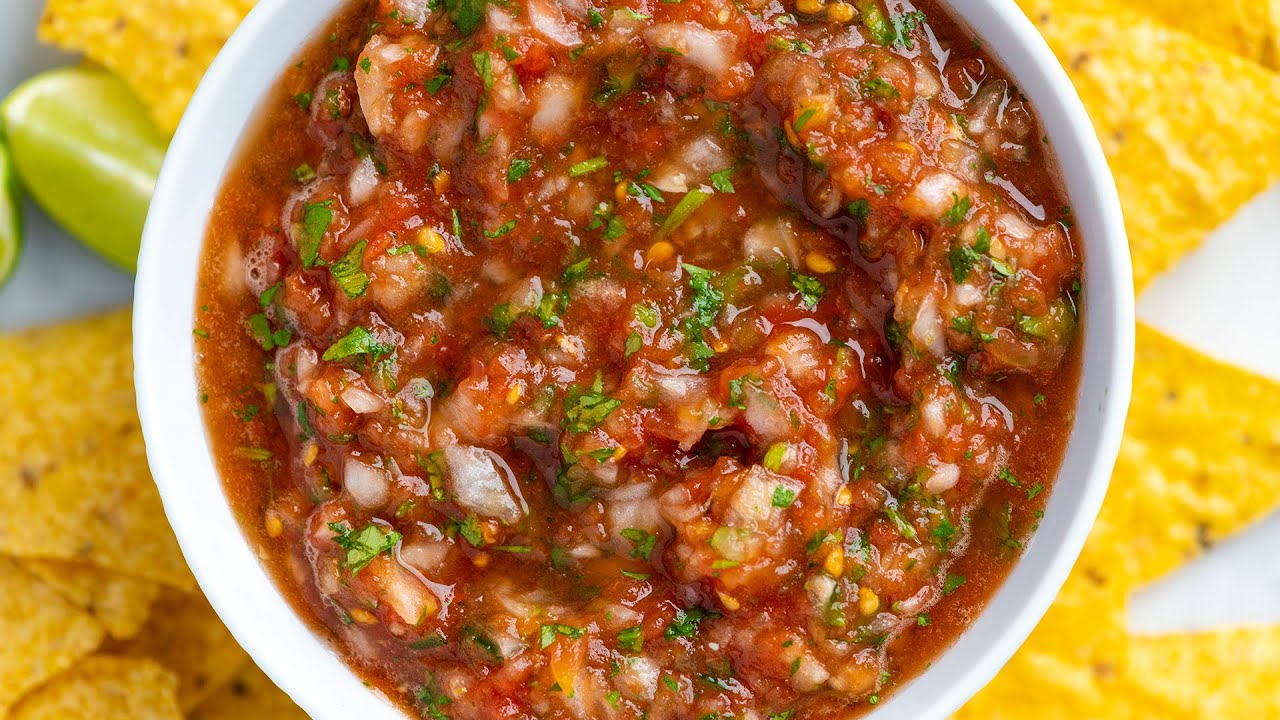
Salsa Fresca Recipe: Salsa fresca, also known as pico de gallo, is the heart and soul of many Mexican dishes. It’s fresh, zesty, spicy, and completely addictive.
Whether you’re spooning it over tacos, scooping it up with chips, or serving it with grilled meats, this vibrant salsa is guaranteed to steal the show.
Ready to make your own at home? This step-by-step guide will take you from chopping board to bowl with ease—and flavor!
What is Salsa Fresca?
Salsa fresca translates to “fresh sauce” in Spanish, and that’s exactly what it is—a raw, chunky mixture of fresh vegetables and herbs. Unlike the smooth, cooked salsas you might find in jars, salsa fresca is made entirely with uncooked ingredients, giving it a crisp texture and bright, bold taste. Think of it as the fresher, chunkier cousin of traditional tomato salsa.
This raw salsa is typically made with chopped tomatoes, onions, chilies, cilantro, lime juice, and salt. It’s perfect as a dip or as a topping on grilled meats, fish, tacos, nachos, and more. Since it’s uncooked, every bite is bursting with natural flavor, making it a refreshing addition to any meal.
Why You’ll Love This Salsa Fresca Recipe
There’s something magical about homemade salsa fresca. The freshness, the crunch, the brightness—it all comes together in one perfect bite. But beyond taste, here’s why this recipe is a game-changer:
- Quick and Easy: Ready in under 15 minutes from start to finish.
- No Cooking Needed: All you need is a knife and a cutting board.
- Customizable: Like it hotter? Milder? Sweeter? You’re in control.
- Healthy: It’s naturally low in calories and packed with nutrients.
- Versatile: Use it on everything from tacos to burgers, or enjoy it straight with tortilla chips.
Whether you’re hosting a party or just looking to elevate your everyday meals, this salsa fresca will become a go-to in your kitchen.
The Secret to Perfect Salsa Fresca
The secret? It’s all about the balance. Salsa fresca isn’t just about chopping up a few veggies and tossing them in a bowl. It’s about creating the perfect harmony between tangy, spicy, salty, and fresh.
- Use the freshest ingredients possible – ripe tomatoes, crisp onions, and vibrant herbs.
- Chop everything uniformly so each bite delivers an even mix of flavors.
- Let it sit – 15–30 minutes of resting time helps the flavors blend beautifully.
- Taste and adjust – lime and salt levels are key. Always tweak them to taste.
Mastering these elements is what transforms a basic salsa into something truly crave-worthy.
List of Ingredients You’ll Need
Let’s talk about what goes into a truly authentic salsa fresca. These are the essentials, with a few optional extras if you want to get creative.
Fresh Tomatoes
Ripe, juicy tomatoes are the heart of any good salsa fresca. Roma or plum tomatoes are a favorite because they’re meaty and not too watery. But if you’ve got access to heirloom tomatoes or cherry tomatoes from the garden, even better!
- Choose tomatoes that are firm but ripe
- Avoid overripe or mushy ones—they can make your salsa watery
White Onion
White onions add a sharp bite that balances the sweetness of the tomatoes. They’re more pungent than yellow onions and perfect for raw salsa.
- Dice finely for even flavor distribution
- Soak in cold water for 5 minutes if you want to mellow the taste
Jalapeños or Serrano Peppers
These bring the heat! Jalapeños are milder and more common, while serrano peppers pack more punch.
- Remove seeds for less heat
- Leave seeds in if you like it hot!
Fresh Cilantro
Cilantro brings that unmistakable herbal zing. It’s what gives salsa fresca its signature flavor.
- Use only the leaves (tender stems are okay)
- Chop finely for better flavor blend
Lime Juice
Fresh lime juice adds brightness and acidity that ties all the flavors together.
- Always use fresh lime juice—not bottled
- Start with the juice of one lime and adjust to taste
Salt
Salt is a flavor enhancer. Without it, your salsa will taste flat. Don’t skip it.
- Start small and taste as you go
- Kosher salt or sea salt works best
Optional Add-ins
Want to take your salsa fresca to the next level? Try adding:
- Diced avocado – for creaminess
- Garlic – for an earthy punch
- Mango or pineapple – for a sweet twist
- Corn kernels – for crunch and sweetness
Choosing the Right Tomatoes for Your Salsa
Tomatoes are the backbone of this recipe, so choosing the right ones is critical. Here’s what to keep in mind:
- Go for Roma or plum tomatoes – These have fewer seeds and less water, which means your salsa won’t be soggy.
- Avoid overly juicy or mushy tomatoes – They can break down too much and turn the salsa into soup.
- Smell and feel – A ripe tomato should smell sweet and earthy and give just slightly when pressed.
For the freshest flavor, consider using a mix of red and yellow tomatoes to add color and depth.
Step-by-Step Guide to Making Salsa Fresca
Making salsa fresca is surprisingly easy—but doing it right takes just a few simple steps. Here’s the detailed, foolproof method to get it perfect every time.
Step 1: Wash and Prep All Ingredients
Wash tomatoes, onions, peppers, cilantro, and lime thoroughly. Pat dry. Remove stems from peppers and peel the onion. Prepping first makes chopping easier and cleaner.
Step 2: Chop Tomatoes Finely
Core the tomatoes and remove excess watery seeds if desired. Finely chop into small, even pieces to create a balanced texture without excess liquid.
Step 3: Dice Onions and Peppers
Finely dice white or red onion. Mince jalapeño or serrano peppers, removing seeds for less heat. Small cuts ensure even flavor in every bite.
Step 4: Finely Chop Cilantro
Chop fresh cilantro leaves and tender stems finely. Avoid thick stems, which can taste bitter.
Step 5: Combine and Season
Combine all ingredients in a bowl. Add salt, fresh lime juice, and a pinch of cumin if desired. Mix gently to avoid bruising the tomatoes.
Step 6: Let It Rest
Let the salsa rest for 10–15 minutes before serving. This allows the flavors to meld beautifully. Serve with tortilla chips, tacos, or grilled meats.
Pro Tips for the Best Flavor
Salsa fresca might seem simple, but there are a few tricks that can really elevate the flavor from good to unforgettable. Whether you’re a kitchen pro or a salsa rookie, these tips will help you master the art of making salsa fresca like a chef.
- Let it chill: After mixing, always let your salsa sit for at least 15 to 30 minutes in the fridge. This gives all the ingredients time to marinate and mingle, enhancing the depth of flavor.
- Salt at the end: Salt draws out moisture. If you add it too early, your salsa might end up watery. Add salt after everything is chopped and mixed.
- Balance the heat: Taste your chilies before adding them. Some jalapeños are mild, while others are fireballs. Adjust the quantity based on your heat tolerance.
- Texture matters: Don’t turn it into mush. Use a sharp knife and chop everything finely but uniformly. Avoid using a food processor—it can make the salsa too soupy.
- Add acidity wisely: Lime juice is essential, but too much can overpower the salsa. Start small and taste as you go.
- Rinse onions if needed: If your white onion tastes too strong, rinse the chopped pieces in cold water for 1–2 minutes. This reduces sharpness without losing the crunch.
Using these techniques, your salsa will hit all the right notes: fresh, zesty, spicy, and full of character.
Common Mistakes to Avoid
Even though salsa fresca is simple, a few easy mistakes can mess with its taste and texture. Let’s break down what not to do so you always end up with a perfect batch.
- Using bland tomatoes: If your tomatoes aren’t ripe and flavorful, your salsa will be dull. Always go for the freshest tomatoes you can find.
- Over-salting too early: Adding salt right at the start can pull too much moisture from the ingredients and leave you with a watery salsa.
- Skipping the rest time: You might be tempted to dive right in, but letting the salsa rest allows the flavors to blend and intensify.
- Using too much lime juice: A little goes a long way. Excess lime can make your salsa sour and mask other flavors.
- Using dried herbs: Fresh cilantro is a must. Dried herbs just don’t give the same vibrant flavor.
- Chopping too coarsely or too finely: If your pieces are too large, the flavors won’t mix evenly. Too small, and you’ll end up with mush. Aim for a balanced, uniform chop.
By keeping an eye on these mistakes, you’ll avoid a bland or watery salsa and instead get a bowl of zesty, delicious goodness every time.
Ways to Customize Your Salsa Fresca
One of the best parts about salsa fresca? You can make it your own. While the base recipe is fantastic, don’t be afraid to experiment and add your own twist. Here are some fun ideas to level up your salsa game:
1. Fruity Fusion
Add a sweet surprise by mixing in fresh fruit:
- Mango for a tropical vibe
- Pineapple for juicy sweetness
- Peach for a summer twist
2. Add Creaminess
Want a rich texture?
- Diced avocado gives it a creamy, smooth feel
- A splash of olive oil can add a silky finish
3. Boost the Heat
Craving something spicier?
- Add serrano or habanero peppers
- Include a pinch of cayenne pepper
4. Add Crunch
More texture = more fun:
- Raw corn kernels
- Finely chopped bell peppers
- Crispy radish slices
5. Herb Swap
Not a fan of cilantro? Try:
- Fresh parsley (a milder flavor)
- Mint for a unique twist (great with fruity versions)
You can easily make this salsa fit your mood, meal, or the season. The possibilities are endless!
How to Store Your Salsa Fresca
So, you made a big batch—now what? Good news: salsa fresca stores really well, and some say it’s even better the next day.
Refrigeration Tips:
- Store in an airtight container
- Keep refrigerated for up to 3 days
- Stir before serving (natural separation is normal)
Avoid Freezing:
Freezing salsa fresca isn’t recommended. Since it’s made from fresh, raw veggies, freezing can break down the texture and turn it mushy when thawed.
Bonus Tip:
If you’re meal prepping or making ahead for a party, chop all ingredients and store separately. Mix them together and season with lime and salt just before serving for the freshest flavor!
Serving Suggestions
Salsa fresca is super versatile. Once you have a bowl ready, here’s how to use it beyond just tortilla chips.
Taco Topping
No taco is complete without a spoonful of this vibrant salsa. Add it to:
- Beef tacos
- Fish tacos
- Veggie tacos
Grilled Meats
It’s a perfect pairing for:
- Grilled chicken
- Steak
- Shrimp skewers
Breakfast Hero
Brighten up your mornings by adding it to:
- Scrambled eggs
- Breakfast burritos
- Avocado toast
Appetizer Favorite
- Serve with chips for dipping
- Top mini tostadas or sliders
This is one of those condiments that works with almost anything savory—and it always adds a burst of freshness.
Health Benefits of Salsa Fresca
Besides being crazy delicious, salsa fresca is incredibly healthy. It’s made entirely from raw vegetables and herbs, meaning it’s packed with nutrients and totally guilt-free.
Key Benefits:
- Low in calories: It’s mostly veggies—need we say more?
- Rich in antioxidants: Tomatoes, onions, and lime juice are packed with immune-boosting goodness.
- Supports digestion: Onions and chili peppers can aid metabolism.
- Hydrating: The high water content in tomatoes and lime juice helps keep you refreshed.
- Great for weight management: Adds flavor without heavy sauces or dressings.
Unlike many store-bought salsas, this version has no preservatives, added sugars, or unhealthy fats. It’s clean, wholesome, and body-friendly.
Salsa Fresca vs. Pico de Gallo – What’s the Difference?
You may have heard these terms used interchangeably—and honestly, that’s okay. But is there a real difference?
Short answer: Salsa fresca is pico de gallo.
Both refer to a fresh, chunky salsa made with raw tomatoes, onions, cilantro, lime juice, and chilies. However, in some parts of Mexico and the U.S., salsa fresca is used to describe any fresh salsa (including blended or fruit-based ones), while pico de gallo is always chunky and raw.
So while they’re practically the same, the names might shift slightly based on region or recipe variation.
FAQs about Salsa Fresca Recipe
1. Can I make salsa fresca ahead of time?
Yes! It actually tastes better after sitting for 30 minutes to a few hours. Just refrigerate and stir before serving.
2. How do I tone down the spiciness if I added too much chili?
Add more chopped tomato and a little lime juice to balance out the heat. You can also stir in diced avocado to mellow the spice.
3. What if I don’t like cilantro?
No problem. Swap cilantro with parsley, basil, or mint, depending on your taste preferences.
4. Can I blend this salsa instead of chopping it?
Technically, yes. But blending will give you a more liquid salsa, which isn’t the classic salsa fresca texture. For authenticity, stick to hand chopping.
5. Is salsa fresca keto-friendly?
Absolutely. It’s low in carbs and high in nutrients, making it a great choice for keto and other low-carb diets.
Conclusion
Making salsa fresca at home is one of the easiest ways to bring fresh, bold flavor into your kitchen. It’s healthy, quick, and endlessly customizable. Whether you’re layering it on tacos, scooping it with chips, or spooning it over grilled chicken, this zesty salsa will take your meals to the next level.
With the step-by-step instructions, tips, and variations we’ve shared, you’re ready to master the ultimate homemade salsa fresca. So grab your knife, get chopping, and dive into a bowl of freshness. Your tastebuds will thank you!