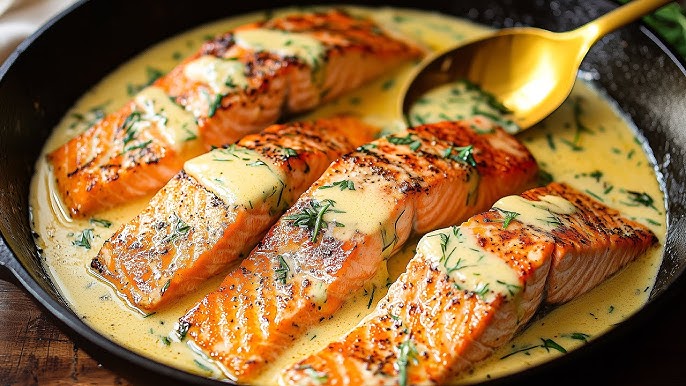
Salmon Sauce Recipe: If you’ve ever enjoyed a perfectly cooked salmon dish, you’ll know that the right sauce can take it from simple to spectacular. Salmon sauce is more than just a sidekick—it’s the star that brings harmony to the entire meal. A rich, creamy sauce can complement salmon’s natural oils, while a light and citrusy version can brighten its flavors. The beauty of making salmon sauce at home is that you can control every element—from the thickness to the seasoning—ensuring that it matches your personal taste perfectly.
Whether you’re preparing a fancy dinner for guests, a family meal, or a quick weekday dinner, this guide will walk you through everything step by step. We’ll cover the ingredients, the exact cooking process, expert tips, and even some creative variations. By the end, you’ll not only have a go-to recipe for salmon sauce but also the confidence to adapt it into multiple styles.
Think of this as your ultimate salmon sauce blueprint—a recipe you’ll want to bookmark, revisit, and make your own.
Introduction to Salmon Sauce
Salmon itself is a versatile fish, rich in omega-3 fatty acids and packed with flavor. But let’s be honest—while grilled or baked salmon is delicious on its own, it’s the sauce that makes people ask for seconds. A good salmon sauce adds depth, balances flavors, and ties the whole dish together.
There are endless sauce varieties that can complement salmon. For instance, a lemon butter sauce enhances its freshness, while a garlic cream sauce adds richness. For those who like a little heat, a Cajun-inspired sauce can give your dish a bold kick. The choice of sauce depends on the occasion and your taste preferences.
Salmon sauce isn’t limited to fish either. You can drizzle it over roasted vegetables, pair it with pasta, or even use it as a dip. This versatility makes it a must-have recipe in your cooking repertoire.
Imagine this: you’ve just seared a fillet of salmon to golden perfection, but it feels incomplete on the plate. Add a silky, flavorful sauce on top, and suddenly, it’s restaurant-quality dining in your kitchen. That’s the power of a well-made sauce.
Ingredients You’ll Need
Creating salmon sauce doesn’t require an overwhelming number of ingredients. In fact, most of what you need may already be in your kitchen. Here’s a breakdown of the essentials:
Essential Base Ingredients
- Butter – The creamy foundation of most sauces.
- Heavy cream or milk – Adds smoothness and body.
- Olive oil – A lighter option if you prefer less richness.
Flavor Boosters and Seasonings
- Garlic (fresh or minced) – Brings out savory depth.
- Onions or shallots – Adds sweetness and aroma.
- Lemon juice – A splash of brightness to cut through richness.
- Fresh dill or parsley – Complements salmon beautifully.
- Salt and black pepper – For basic seasoning.
Optional Ingredients for Customization
- White wine – For an elegant touch of acidity.
- Cayenne pepper or chili flakes – If you like it spicy.
- Parmesan cheese – For extra creaminess.
- Mustard – Gives a tangy punch.
These ingredients are flexible, so don’t be afraid to swap or adjust based on what you already have. The key is balance—richness from butter or cream, brightness from lemon, and freshness from herbs.
Choosing Fresh Ingredients
When it comes to sauce-making, fresh ingredients make all the difference. Think of it this way: salmon is already a premium protein, so your sauce deserves equally good companions.
- Herbs: Fresh dill, parsley, or basil not only look beautiful when garnishing but also add vibrant flavor. Dried herbs can work in a pinch, but they won’t provide the same brightness.
- Dairy Products: If your recipe calls for cream, go for full-fat options. They create a smoother texture and richer flavor. If you’re health-conscious, low-fat or plant-based cream substitutes can still give good results, but you’ll need to adjust thickness with a little flour or cornstarch.
- Lemons: Always use fresh lemons instead of bottled juice. That zesty, sharp flavor is unbeatable.
- Wine: If you’re using wine, pick a dry white like Sauvignon Blanc or Pinot Grigio. They add acidity without overpowering the sauce.
For those with dietary preferences, you can swap butter with olive oil or coconut oil, and heavy cream with oat milk or cashew cream. The beauty of making sauce at home is that you can tailor it to suit vegan, keto, or gluten-free diets.
Kitchen Tools Required
Before you start cooking, make sure your kitchen is ready. The right tools can make the process seamless:
- Saucepan or skillet – A medium-sized one is perfect for simmering.
- Whisk – To keep your sauce smooth and lump-free.
- Cutting board and sharp knife – For chopping herbs and aromatics.
- Measuring cups and spoons – Precision helps maintain consistency.
- Wooden spoon or spatula – For gentle stirring.
Optional but helpful tools include a zester for lemons, a fine strainer if you want an ultra-smooth sauce, and a blender for creamy emulsions.
Having everything ready before you start cooking (a practice called mise en place) saves time and reduces mistakes. You don’t want to scramble for an ingredient while your sauce is already simmering.
Step-by-Step Guide to Making Salmon Sauce
Cooking salmon sauce may sound fancy, but once you break it down, it’s surprisingly straightforward. Each step plays an important role in building flavors, so take your time and enjoy the process. Let’s walk through it together:
Step 1: Preparing Your Workspace
Before you start cooking, gather all the ingredients and tools. Chop your garlic, slice your shallots, zest your lemon, and measure out the cream and butter. This not only saves time but also ensures you won’t miss a step. Trust me, nothing ruins the flow more than scrambling for an ingredient while your sauce is already bubbling.
Step 2: Starting with the Base
Heat your saucepan or skillet over medium heat. Add a tablespoon of butter or olive oil and let it melt gently. This step sets the foundation of your sauce. If you’re using butter, avoid high heat—it burns easily and will give your sauce a bitter flavor. A golden, slightly foamy butter is perfect.
Step 3: Adding the Aromatics
Once the butter is ready, toss in your minced garlic and shallots. Cook them until fragrant and translucent. This should take about 2–3 minutes. Don’t rush this step—the aromatics are what give your sauce that mouthwatering smell.
Step 4: Balancing Flavors with Seasonings
Now comes the fun part. Add your white wine (if using) and let it simmer for a couple of minutes. This burns off the alcohol while leaving behind a delicate acidity. Next, pour in your cream or milk and stir constantly. Add salt, pepper, and a squeeze of lemon juice. Watch how everything blends into a silky, smooth mixture.
Step 5: Achieving the Perfect Texture
Let your sauce simmer for 5–7 minutes on low heat. Stir occasionally so it doesn’t stick. If it’s too thick, add a splash of milk or stock. Too thin? Let it simmer longer or whisk in a teaspoon of cornstarch mixed with water. Finally, sprinkle fresh dill or parsley before removing from heat. Your salmon sauce is ready to serve!
Pro Tips While Cooking
Even seasoned cooks can run into small hiccups while making sauces. Here are some insider tricks to keep your salmon sauce perfect every time:
- Avoid lumps: Always whisk your cream or milk in gradually instead of dumping it all at once. This keeps the sauce silky.
- Taste as you go: Don’t wait until the end. Check the balance of salt, acidity, and richness throughout the process.
- Keep the heat low: High heat can split your sauce, leaving it grainy instead of smooth. Patience is key.
- Rescue tricks: If your sauce turns too salty, add a little cream or unsalted broth. If it’s too tangy, a pinch of sugar can help balance it out.
- Finishing touch: Always add fresh herbs at the very end. Cooking them too long dulls their flavor and color.
Think of your sauce like a painting—you’re layering colors (flavors) one by one. The more carefully you build, the more beautiful the final picture.
Different Variations of Salmon Sauce
The beauty of this recipe lies in its versatility. Once you’ve mastered the basic version, you can experiment with different flavor profiles to suit your mood or menu. Here are a few favorites:
Creamy Lemon Dill Sauce
A classic pairing for salmon. Simply add extra lemon juice and zest, along with a handful of fresh dill. The brightness of lemon cuts through the richness, while dill enhances the natural flavor of salmon.
Garlic Butter Sauce
Perfect for garlic lovers. Use plenty of fresh garlic sautéed in butter, with a touch of cream for smoothness. It’s rich, savory, and irresistible.
Spicy Cajun-Style Sauce
Craving something bold? Add Cajun seasoning, paprika, and a pinch of cayenne pepper. This sauce brings a smoky, spicy kick that pairs perfectly with grilled salmon.
Each variation gives a completely different vibe, turning the same salmon fillet into three unique dishes. That’s the magic of sauces—they’re flavor transformers!
Healthier Alternatives
Not everyone wants a heavy cream-based sauce, and that’s totally okay. With a few smart swaps, you can enjoy a lighter, healthier version without sacrificing taste.
- Low-Fat Option: Use Greek yogurt or light sour cream instead of heavy cream. It keeps the sauce tangy and creamy with fewer calories.
- Dairy-Free Alternative: Coconut milk or cashew cream works beautifully in place of dairy. They create a silky texture and mild flavor.
- Oil-Based Option: Skip the cream altogether and go for an olive oil and lemon-based sauce. It’s lighter but still flavorful.
- Low-Sodium Twist: Use herbs and spices to boost flavor instead of extra salt. Fresh dill, parsley, and basil can make a huge difference.
These alternatives are especially handy if you’re cooking for people with dietary restrictions. The best part? Nobody will feel like they’re missing out.
Best Pairings with Salmon Sauce
So, you’ve made the sauce—what next? The good news is that salmon sauce is incredibly versatile. Here are some pairings that always win:
- Grilled Salmon: The classic choice. A drizzle of creamy sauce over charred salmon is unbeatable.
- Pasta: Toss your sauce with spaghetti or fettuccine, and top with salmon chunks. Instant restaurant-style dinner!
- Rice: A scoop of salmon sauce over fluffy rice is pure comfort food. Add some steamed veggies, and you’re good to go.
- Roasted Vegetables: Drizzle it over asparagus, broccoli, or carrots. The sauce ties everything together beautifully.
If you want to elevate a simple meal, just remember this: salmon sauce isn’t just for salmon. It’s a universal flavor booster.
Storage and Reheating Tips
One of the best parts about salmon sauce is that you can make it ahead of time. However, sauces need proper storage and reheating methods to keep their flavor and texture intact. If you’re planning on making a big batch, here’s how to do it right:
- Refrigeration: Once the sauce has cooled completely, pour it into an airtight container. It will stay fresh in the fridge for about 3 to 4 days. Always store it in glass or BPA-free plastic containers to avoid absorbing unwanted flavors.
- Freezing: Want to save it for longer? Freeze it in small portions using freezer-safe containers or even ice cube trays. This way, you can thaw just the right amount whenever you need it. Salmon sauce can last up to 2 months in the freezer without losing much quality.
- Reheating: The trick here is gentle heat. Place the sauce in a small saucepan and warm it on low, stirring often. Avoid high heat—it may cause the sauce to split or turn grainy. If it thickens too much after storage, add a splash of milk, cream, or broth to loosen it up.
By following these tips, you’ll always have a creamy, flavorful sauce ready to elevate your salmon dishes in minutes.
Common Mistakes to Avoid
Even though salmon sauce is simple to prepare, there are a few common mistakes that can ruin its texture and flavor. Learning what not to do is just as important as knowing the right steps.
- Over-Seasoning: Salt and pepper are essentials, but it’s easy to go overboard. Since salmon itself has a natural savory flavor, use seasoning sparingly and taste as you go.
- Burning the Base: Butter burns quickly if the pan is too hot. Once it burns, the entire sauce takes on a bitter taste. Always start at medium-low heat.
- Rushing the Process: Many people try to cut corners by cranking up the heat. Unfortunately, sauces need patience. Slow simmering allows the flavors to blend beautifully.
- Using Low-Quality Ingredients: Since sauces rely on simple ingredients, quality matters. Fresh herbs, real cream, and good butter will always outperform cheap alternatives.
- Adding Herbs Too Early: Herbs like dill and parsley should be added at the end. Cooking them too long makes them lose both color and flavor.
Avoid these pitfalls, and you’ll have a sauce that’s smooth, flavorful, and restaurant-worthy every single time.
Nutritional Benefits of Homemade Salmon Sauce
At first glance, a creamy sauce might not seem like the healthiest addition. But when you make it at home, you can control what goes into it and actually create a nutrient-rich companion for salmon.
- Healthy Fats: If you use olive oil or coconut milk, your sauce can be a great source of heart-healthy fats. These complement the omega-3 fatty acids in salmon, boosting its nutritional value.
- Protein: Adding ingredients like Greek yogurt or cheese increases the protein content, making your meal more filling and satisfying.
- Vitamins and Minerals: Fresh herbs aren’t just for flavor—they bring vitamins A, C, and K, plus antioxidants. Lemon juice adds vitamin C, which helps with digestion and boosts immunity.
- Low-Sodium Control: Store-bought sauces are often loaded with sodium. By making it at home, you can season lightly and still achieve great taste.
The best part? You don’t have to sacrifice indulgence. With the right balance, you can enjoy a creamy, delicious sauce while keeping it aligned with your health goals.
FAQs about Salmon Sauce Recipe
1. Can I prepare salmon sauce in advance?
Yes! In fact, sauces often taste better after a few hours because the flavors have more time to blend. Store it in the fridge and reheat gently before serving.
2. How long does salmon sauce last?
When refrigerated in an airtight container, it lasts 3 to 4 days. For longer storage, freeze it for up to 2 months.
3. Can I use dried herbs instead of fresh ones?
Absolutely, but keep in mind that dried herbs are more concentrated. Use about one-third of the amount compared to fresh. For example, if the recipe calls for 1 tablespoon of fresh dill, use 1 teaspoon of dried.
4. What wine pairs best with salmon and sauce?
A crisp white wine like Sauvignon Blanc, Pinot Grigio, or Chardonnay complements both the salmon and the creamy sauce. If you prefer red, go for a light Pinot Noir.
5. How do I make salmon sauce kid-friendly?
Skip the wine and reduce strong seasonings like cayenne or mustard. Stick with a creamy base, mild herbs, and a touch of lemon for freshness. Kids will love the smooth, buttery flavor.
Conclusion
Salmon sauce may sound like a restaurant-exclusive recipe, but with the right ingredients and simple steps, it’s something anyone can master at home. Whether you go for a classic lemon dill, a bold garlic butter, or a spicy Cajun twist, this sauce has the power to transform your salmon dishes into something unforgettable.
What makes it even better is the flexibility—you can adapt it for health-conscious diets, make it ahead for convenience, and pair it with a wide range of foods beyond salmon. With just a bit of patience and creativity, you’ll have a sauce that doesn’t just complement your dish but elevates it to a whole new level.
Next time you cook salmon, don’t stop at seasoning the fish. Whip up this sauce, drizzle it generously, and watch how quickly it disappears from the plate.