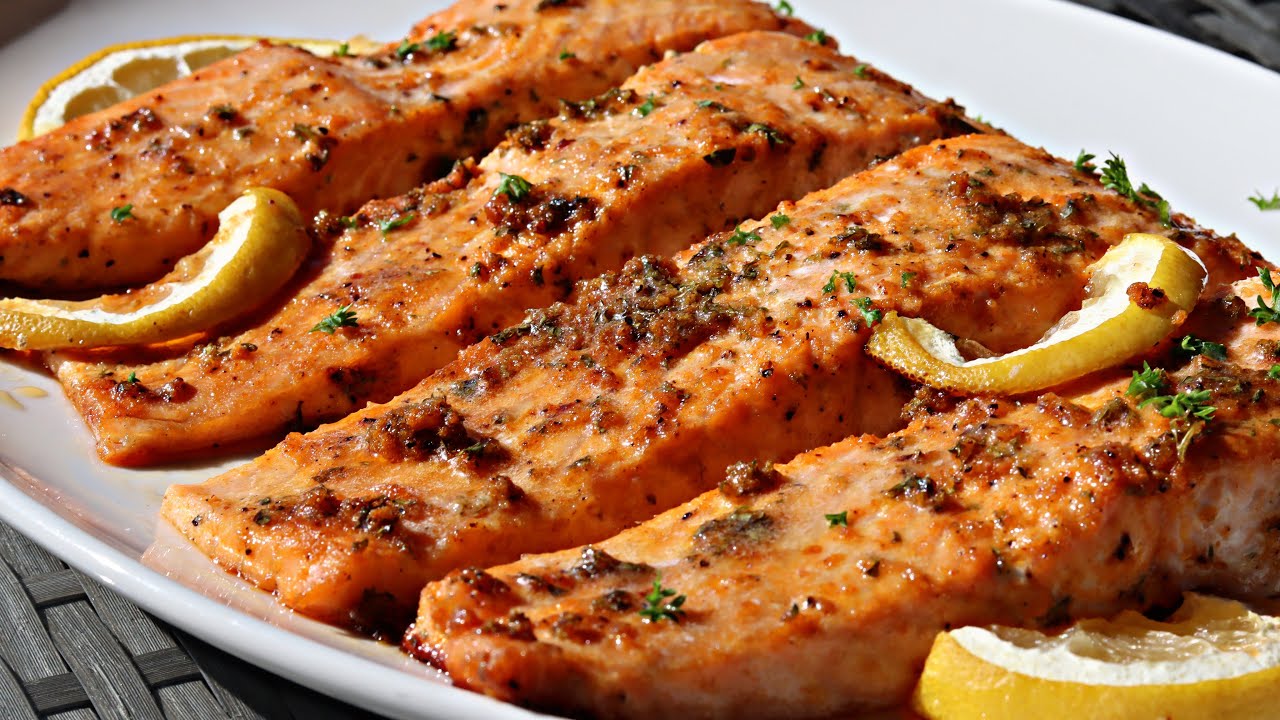
Salmon Bake Recipe: There’s a reason baked salmon has become a go-to dish in kitchens across the globe. It’s fast, flavorful, and flexible enough for both weeknight dinners and fancy weekend meals. Whether you’re feeding a family or entertaining guests, salmon delivers elegance without complication. With just a few ingredients and minimal prep, you can transform a fillet into a succulent, restaurant-quality dinner. Plus, unlike frying, baking is a more hands-off method that locks in flavor without the mess. So, if you’re looking for a no-fuss, all-flavor meal, this salmon bake recipe is about to become your new favorite.
Health Benefits of Salmon
Beyond taste, salmon earns top marks for nutrition. Rich in omega-3 fatty acids, it’s known to promote heart health, reduce inflammation, and even support brain function. It’s also a fantastic source of high-quality protein, making it ideal for muscle maintenance and energy. Loaded with B vitamins, potassium, and selenium, a single serving of salmon packs a nutritional punch that supports overall well-being. What’s more, the healthy fats in salmon can actually help with weight management by keeping you full and satisfied longer. Eating salmon regularly can be a delicious part of a balanced, health-conscious lifestyle.
Choosing the Right Salmon
Wild-Caught vs. Farm-Raised
One of the first steps to a great salmon bake is picking the right type of salmon. Wild-caught salmon, typically from the Pacific Ocean, tends to be leaner and has a more robust, natural flavor. On the other hand, farm-raised salmon, often from the Atlantic, usually contains more fat and a milder taste, which some people prefer for baking. Wild-caught is often considered the healthier option due to its lower contaminant levels and better nutritional profile. However, farm-raised salmon is more readily available and usually more affordable, making it a practical choice for many home cooks.
Fresh or Frozen – What’s Better?
Contrary to popular belief, frozen salmon can be just as good as fresh—sometimes even better! Frozen salmon is often flash-frozen shortly after being caught, preserving its freshness and texture. When buying fresh, always check for firm flesh, a mild smell, and moist appearance. Avoid any fillets that look dry or have a fishy odor. If you go for frozen, just make sure it’s wild-caught and hasn’t been thawed and refrozen multiple times. When defrosting, leave it in the fridge overnight or use the cold water method for quicker results.
Ingredients You’ll Need
Main Ingredients
Here’s what you’ll need to make a classic baked salmon:
- 4 salmon fillets (skin-on or skinless, about 6 oz each)
- 2 tablespoons olive oil
- 1 lemon (sliced into rounds)
- 4 garlic cloves (minced)
- 1 teaspoon salt
- ½ teaspoon black pepper
- 1 teaspoon paprika or smoked paprika
- 2 tablespoons fresh dill or parsley (optional)
These basic ingredients deliver tons of flavor while keeping things clean and simple. You can easily double or adjust based on how many servings you need.
Optional Add-Ons for Flavor
Want to jazz it up a bit? Consider adding:
- Honey or maple syrup for a touch of sweetness
- Dijon mustard for tangy depth
- Soy sauce or tamari for a savory, umami kick
- Crushed red pepper flakes if you like it spicy
- Capers or olives for briny contrast
- Thinly sliced onions or fennel for added aroma
Mix and match to find your perfect flavor profile. The beauty of baked salmon is how adaptable it is to your pantry and palate.
Tools Required
Kitchen Tools for Baking Salmon
You don’t need fancy equipment to bake salmon, just a few reliable kitchen essentials:
- Baking sheet or oven-safe dish
- Aluminum foil or parchment paper
- Mixing bowl for the marinade
- Basting brush (optional but useful)
- Knife and cutting board
- Spatula or fish turner for serving
These basics are all you need for a smooth cooking experience from start to finish.
Optional Accessories for Enhanced Cooking
If you want to level up your salmon baking game, consider using:
- A meat thermometer for precise doneness
- Cast iron skillet for extra crispiness
- Wire rack to allow airflow beneath the salmon
- Zester for adding lemon zest without the bitterness
None of these are must-haves, but they can help make the process even easier and more effective.
Step-by-Step Salmon Bake Recipe
Step 1: Preparing the Salmon
Start by patting your salmon fillets dry with a paper towel. This helps the seasoning stick better and encourages that crispy outer layer. If you’re working with frozen salmon, make sure it’s fully thawed and at room temperature before baking. Place the salmon skin-side down on your lined baking tray. You can choose to leave the skin on during baking—it acts like a barrier and helps keep the fish moist.
Then, rub a bit of olive oil over each piece to prevent sticking and to add richness. Sprinkle your salt, pepper, paprika, and garlic evenly over the fillets. Finally, top each fillet with a slice or two of lemon. The citrus will bake into the fish, adding a subtle zest that brightens up every bite.
Step 2: Creating the Marinade or Seasoning
Now let’s talk about flavor-building. If you’re skipping a dry rub and going for a marinade, this step is crucial. A good marinade not only adds flavor but also tenderizes the fish. Here’s a basic marinade recipe you can try:
Simple Salmon Marinade:
- 2 tablespoons olive oil
- 1 tablespoon lemon juice
- 1 teaspoon Dijon mustard
- 1 teaspoon honey or maple syrup
- 2 garlic cloves, minced
- Salt and pepper to taste
Whisk all the ingredients in a bowl until well combined. Place the salmon fillets in a shallow dish or ziplock bag and pour the marinade over them. Make sure each fillet is coated evenly. Let it sit for at least 15-30 minutes, but no longer than 2 hours. Any longer and the acid in the lemon could start to break down the fish too much, leaving it mushy instead of flaky.
Want to mix things up? Add some soy sauce for an Asian twist, or a touch of cumin and chili powder for a smoky, Mexican-inspired version.
Step 3: Preheating the Oven
While your salmon is soaking up all those delicious flavors, it’s time to prep your oven. Preheat it to 400°F (200°C)—this is the sweet spot for baking salmon. It’s hot enough to cook it through without drying it out, and it helps to crisp up the edges for that perfect bite.
If you’re baking your salmon with veggies, you might want to give the vegetables a 10-15 minute head start in the oven so they’re tender when the fish is ready. Salmon cooks relatively fast compared to root vegetables or thicker greens like kale.
Don’t forget to line your baking sheet with foil or parchment paper for easy cleanup. And if you want extra moisture and flavor, consider making a foil packet or covering your salmon lightly with foil during the first half of baking.
Step 4: Baking the Salmon
Place your marinated or seasoned salmon fillets skin-side down on the baking sheet. Spread them out evenly, making sure they’re not crowded—this helps ensure even cooking.
Now, bake them in the center rack of your preheated oven. Depending on the thickness of your fillets, the baking time usually ranges from 12 to 18 minutes. As a general rule:
- Thin fillets (½ inch or less): 10-12 minutes
- Medium fillets (¾ inch): 14-16 minutes
- Thick fillets (1 inch or more): 18-20 minutes
You’ll know the salmon is done when it flakes easily with a fork and the internal temperature reaches 145°F (63°C) at its thickest part. The flesh should be opaque and slightly firm but still moist and tender inside.
For a caramelized, golden top, you can broil the salmon for the last 2-3 minutes. Just keep a close eye so it doesn’t burn.
Step 5: Resting and Serving
Once out of the oven, let your salmon rest for about 3 to 5 minutes. This allows the juices to redistribute within the fish, keeping every bite moist and flavorful.
When serving, gently lift each fillet with a spatula. If the skin was left on, it should peel away cleanly or stay on the baking tray. Serve with a fresh wedge of lemon for squeezing, a sprinkle of herbs, or a drizzle of leftover marinade (if reserved and cooked down separately).
Presentation tip: Garnish with chopped parsley, dill, or even microgreens for a restaurant-style look. If you want to impress your guests, serve the salmon over a bed of herbed rice or couscous, surrounded by roasted vegetables.
Best Side Dishes for Baked Salmon
Vegetables That Complement Salmon
Salmon pairs beautifully with a range of vegetables. For a light and healthy dinner, roasted or steamed veggies are your best friends. Here are a few top picks:
- Asparagus: Drizzle with olive oil, season with salt and pepper, and roast for 10 minutes.
- Brussels sprouts: Slice and roast until crispy for a crunchy contrast.
- Green beans: Saute with garlic and a squeeze of lemon for brightness.
- Zucchini or squash: Mild and tender, they balance salmon’s richness.
- Broccoli: Add a little parmesan and roast until the edges are browned.
Roasting your vegetables alongside the salmon (on a separate tray or the same sheet, if there’s space) makes cleanup easier and gets dinner on the table faster.
Grains and Salads to Pair With
You can round out your salmon dinner with hearty grains or a refreshing salad. Try one of these delicious combos:
- Rice Pilaf: Infused with herbs, lemon zest, and broth.
- Quinoa: Nutty, protein-packed, and easy to season.
- Couscous: Fast and fluffy, perfect with Mediterranean toppings.
- Lentil Salad: Earthy and satisfying, with vinaigrette and herbs.
- Greek Salad: Crunchy cucumbers, olives, and feta to cut the richness.
Add a drizzle of olive oil or a spoonful of tzatziki on the side, and you’ve got a wholesome, balanced meal that’s anything but boring.
Tips and Tricks for Perfect Baked Salmon
How to Keep Salmon Moist
No one likes dry salmon. The key to a moist, tender fillet lies in a few simple techniques. First, never overcook it. Keep a close eye on the timer, and use a meat thermometer if possible. As soon as the internal temperature hits 145°F (63°C), it’s time to take it out.
Covering the salmon with foil or baking it in a foil packet can also help seal in moisture. This creates a steaming effect, ensuring the salmon stays juicy. If you’re using a marinade, let the fish sit for at least 15–30 minutes so it absorbs enough moisture and flavor before cooking.
Another trick? Add a few pats of butter or a drizzle of olive oil on top of each fillet. This fat melts as it bakes, keeping the fish luscious and flavorful. And don’t forget a fresh squeeze of lemon before serving—it adds both brightness and moisture to the dish.
Mistakes to Avoid
Even though baking salmon is straightforward, there are a few common pitfalls to watch out for:
- Overbaking – The number one sin. Salmon can go from tender to tough in minutes.
- Skipping the seasoning – Salmon is rich and meaty, but it needs seasoning to shine. Salt, pepper, and herbs are a must.
- Starting with cold salmon – Let it come to room temperature before baking. This ensures even cooking.
- Not drying the fish – Moisture on the surface can cause steaming rather than roasting. Pat it dry before seasoning.
- Using too much acid – Lemon juice or vinegar is great, but too much can make the texture mushy if left too long.
Mastering these small details ensures your baked salmon comes out perfect every single time.
Storage and Reheating Tips
How to Store Leftover Salmon
Got leftovers? No problem. Store your cooked salmon in an airtight container in the refrigerator within two hours of baking. It’ll stay fresh for up to 3 days. For best results, store the salmon fillets separately from any sauces or sides, as combining them can cause sogginess or weird textures.
If you plan to keep it longer, freezing is an option. Wrap each fillet tightly in plastic wrap or foil, then place it in a freezer bag. It will keep for up to 2 months. Label the bag with the date so you know when it’s time to eat or toss.
Best Reheating Methods
When it comes to reheating salmon, gentle is the way to go. High heat will dry it out and ruin that perfect texture you worked so hard to create.
Here are a few recommended methods:
- Oven: Preheat to 275°F (135°C). Place salmon on a baking sheet, cover with foil, and heat for about 10–15 minutes.
- Microwave: Use low power (30-50%) and heat in 30-second intervals to avoid overcooking.
- Skillet: Warm over low heat with a lid to help retain moisture. Add a splash of water or broth if needed.
Avoid reheating more than once, as repeated cooking can break down the texture and taste.
Nutritional Breakdown
Calories and Macros
A 6-ounce serving of baked salmon contains approximately:
- Calories: 350–400
- Protein: 35–40 grams
- Fat: 20–25 grams (mostly healthy fats)
- Carbohydrates: 0–5 grams (depending on marinade or sides)
This makes salmon an ideal choice for low-carb, keto, or high-protein diets. The fat comes primarily from heart-healthy omega-3 fatty acids, which are beneficial for your cardiovascular and cognitive health.
Vitamins and Minerals
Baked salmon is more than just protein and fat—it’s also a powerhouse of essential nutrients:
- Vitamin D: Supports bone health and immune function
- Vitamin B12: Crucial for nerve and blood cell health
- Selenium: A powerful antioxidant
- Potassium: Helps control blood pressure
- Niacin and B6: Important for energy metabolism
Eating salmon regularly can contribute to a stronger immune system, improved mood, and overall wellness. It’s no wonder health experts recommend eating fatty fish at least twice a week.
FAQs about Salmon Bake Recipe
Can I use foil or parchment paper?
Yes, both work well. Foil helps lock in moisture, while parchment paper prevents sticking and allows for better browning.
What’s the best temperature to bake salmon?
400°F (200°C) is ideal for juicy, evenly cooked salmon. You can adjust slightly depending on fillet thickness and your oven.
How do I know when salmon is done?
It should flake easily with a fork and reach an internal temperature of 145°F (63°C). The flesh should be opaque, not translucent.
Can I bake frozen salmon?
Yes, just add an extra 5–7 minutes to the cooking time. Rinse and pat it dry first, then season as usual.
What herbs go best with baked salmon?
Dill, parsley, thyme, rosemary, and basil are all great choices. Fresh herbs work best, but dried will also do the job.
Conclusion
Baking salmon is one of the easiest and most rewarding meals you can make at home. It’s healthy, flavorful, and flexible enough to suit any taste. With the right salmon, simple seasonings, and careful baking, you can whip up a restaurant-quality meal in under 30 minutes. Whether you stick to the basics or get creative with marinades and sides, baked salmon is a dish you’ll come back to again and again. Now that you’ve mastered the step-by-step process, go ahead—preheat that oven and make magic happen in your kitchen.