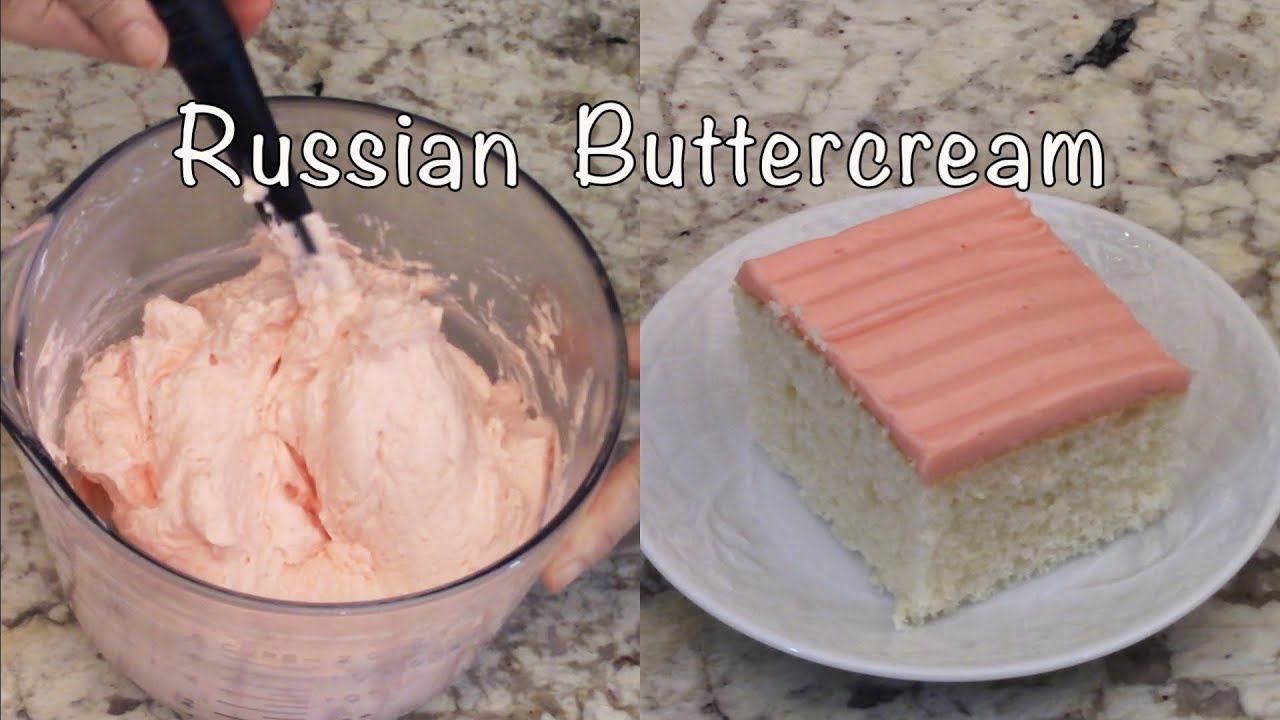
Russian Buttercream Recipe: Russian Buttercream is that underrated gem of the frosting world you didn’t know you needed—until you try it. Silky, smooth, not overly sweet, and incredibly easy to make, this buttercream is the go-to for many bakers looking for a fast, delicious, and pipeable frosting. Unlike other buttercreams that involve boiling sugar or whipping meringues, Russian Buttercream is practically foolproof and only needs two main ingredients: butter and sweetened condensed milk.
Whether you’re frosting a birthday cake, layering a wedding cake, or simply decorating cupcakes for fun, Russian Buttercream gives a rich, creamy texture that’s hard to beat. It’s also very easy to flavor and color, making it one of the most versatile frostings out there.
Ready to learn how to make it step-by-step? Let’s get into it.
What Is Russian Buttercream?
Russian Buttercream is a type of frosting made primarily with butter and sweetened condensed milk. It’s known for its ultra-smooth texture, buttery flavor, and simplicity. Unlike American buttercream (which uses a ton of powdered sugar) or Swiss meringue buttercream (which requires heating egg whites), Russian Buttercream is made with no eggs, no powdered sugar, and no cooking required.
The frosting originated in Russia and is sometimes called “Condensed Milk Buttercream.” Thanks to the condensed milk, it has a naturally sweet and creamy profile without being cloying. The condensed milk also adds a slightly caramelized depth of flavor that makes it stand out from more sugary frostings.
What really makes this buttercream special is the ease of preparation and its perfect consistency for both piping and spreading. Even beginner bakers can nail this recipe on the first try.
Why Choose Russian Buttercream Over Other Types?
So why would anyone choose Russian Buttercream over the more popular options out there? Here’s the thing: most buttercreams fall into two categories—super sweet (like American buttercream) or labor-intensive (like Swiss and Italian meringue buttercream). Russian Buttercream fits perfectly in between. It’s easy to make and not too sweet.
Here are a few reasons bakers love it:
- No cooking or egg-whites needed: Unlike meringue-based buttercreams, you don’t have to worry about tempering eggs or sugar syrup stages.
- Fewer ingredients: Just butter and condensed milk—how simple is that?
- Less sweet: The sweetness comes only from the condensed milk, so it’s naturally balanced.
- Great texture: Soft, smooth, spreadable, and pipeable.
- Stable at room temperature: Holds up well in mild conditions.
If you want something delicious and quick with a professional finish, Russian Buttercream is the answer.
Ingredients You’ll Need
Here’s the simple, no-fuss ingredient list for classic Russian Buttercream:
Basic Ingredients:
- Unsalted butter (2 cups / 450g) – Softened to room temperature
- Sweetened condensed milk (1 can / 14 oz / 397g) – Also at room temperature
- Optional: Vanilla extract (1–2 tsp) – For extra flavor
Optional Add-Ins for Flavor:
- Cocoa powder or melted chocolate (for chocolate version)
- Instant espresso powder (for coffee buttercream)
- Fruit purée or jam (raspberry, strawberry, etc.)
- Pinch of salt (to balance sweetness)
Make sure both the butter and the condensed milk are at room temperature before starting. Cold ingredients will ruin the emulsion and cause the buttercream to split or curdle.
Tools and Equipment Required
To make Russian Buttercream, you don’t need a fancy pastry school kitchen. Just a few basic tools can get you silky-smooth results every time. Here’s what you should have on hand:
Essential Tools:
- Electric mixer or stand mixer: A stand mixer with a paddle attachment is ideal, but a hand mixer works great too.
- Mixing bowl: Preferably stainless steel or glass to maintain a steady temperature.
- Rubber spatula: For scraping down the sides of the bowl and making sure everything gets mixed evenly.
- Measuring cups and spoons: Precision matters here, especially when adding flavorings.
- Optional – Piping bags and tips: If you want to use the buttercream for decorating cupcakes or intricate designs.
Helpful Extras:
- Bench scraper or offset spatula: Great for smoothing buttercream on cakes.
- Food thermometer: Not required but helpful to make sure your butter is the right temperature.
- Sifter (if using add-ins like cocoa powder): Ensures no lumps end up in your frosting.
Having the right tools can make the process quicker and cleaner, but remember—the real magic is in the technique.
How to Prepare Condensed Milk for Russian Buttercream
You might be tempted to grab a can of condensed milk and pour it in cold. Don’t! Temperature matters more than you think in Russian Buttercream. Cold condensed milk can cause your butter to seize up or curdle the entire mix.
Tips for Success:
- Room Temperature is KEY: Make sure the condensed milk is at room temperature (around 70°F or 21°C). If you forgot to take it out of the fridge, let it sit in warm water for 15–20 minutes—never microwave it directly in the can.
- Use Good-Quality Brands: Some cheaper brands of condensed milk are thinner and might affect the texture of your buttercream. Brands like Eagle Brand or Nestlé tend to work best.
- Do Not Confuse with Evaporated Milk: This is a big one. Evaporated milk is not sweetened and has a much thinner consistency. Always double-check the label!
Once your condensed milk is ready, the rest of the process is a breeze.
Perfecting the Butter: What You Need to Know
Since butter is the base of this frosting, its quality and condition can make or break your buttercream.
Here’s how to get it just right:
- Always Use Unsalted Butter: This allows you to control the saltiness and flavor. Salted butter can be too overpowering and varies between brands.
- Room Temperature Means Soft, Not Melted: You want the butter to be pliable but not greasy or oily. A good test: press your finger gently into the butter—it should leave an indent without resistance but still hold its shape.
- Cut Butter into Cubes: This helps it mix more evenly and quickly during whipping.
- Use European-Style Butter (Optional): These have higher fat content and can make your buttercream extra rich and creamy.
Improper butter texture is one of the main causes of broken or greasy buttercream, so give this step the time it deserves.
Step-by-Step Guide to Making Russian Buttercream
Now let’s get to the heart of it—the actual process! This is where the magic happens. Follow these steps carefully and you’ll end up with a fluffy, luscious buttercream that’s ready for cakes, cupcakes, or even straight off the spoon.
Step 1: Prep the Butter
Use unsalted butter at room temperature. It should be soft enough to press easily but not melted. Cut into pieces to help it whip evenly.
Step 2: Whipping the Butter
Place the butter in a mixing bowl and whip on medium-high speed for 3–5 minutes until very pale, light, and fluffy. Proper whipping creates a smooth, airy base.
Step 3: Adding Condensed Milk
Reduce speed to medium and slowly add sweetened condensed milk in small portions. Beat well after each addition to keep the mixture smooth and prevent curdling.
Step 4: Final Mixing and Consistency
Once all the condensed milk is added, increase speed and whip for another 1–2 minutes. The buttercream should be silky, creamy, and spreadable. If too soft, chill briefly; if too thick, add a spoon of condensed milk. Use immediately or refrigerate until needed.
Common Mistakes to Avoid
Even though this recipe is simple, there are still a few traps that can mess it up. Let’s make sure you avoid them.
1. Using Cold Ingredients
Cold butter or condensed milk is the #1 cause of split buttercream. Room temperature means everything blends smoothly into a silky frosting.
2. Adding Condensed Milk Too Quickly
Dumping the condensed milk in all at once overwhelms the butter and causes it to separate. Always add it slowly, spoon by spoon.
3. Overmixing the Final Buttercream
Once it’s all combined, don’t keep whipping forever. Overmixing can break the emulsion and make it soupy or greasy.
4. Not Whipping Butter Long Enough Initially
This is the foundation step. If the butter isn’t properly whipped at the beginning, your texture will never reach that perfect cloud-like consistency.
How to Fix a Curdled or Broken Russian Buttercream
Don’t panic if your buttercream looks like a mess halfway through—it’s totally fixable. One of the biggest issues people run into is the buttercream separating or curdling, usually because of cold ingredients or adding the condensed milk too fast. Here’s how to save it:
1. If the Buttercream Looks Curdled:
This happens when the fat and liquid don’t emulsify properly. You might see chunks or a watery look.
Fix:
- Keep mixing! Sometimes curdled buttercream just needs more whipping to come together.
- If that doesn’t work, gently warm the bowl over a pot of simmering water (double boiler style). Stir constantly until the edges start to soften, then remove and whip again.
- Alternatively, take out a few spoonfuls, microwave for 5–10 seconds, then add back in and beat. This helps rebalance the temperature.
2. If the Buttercream Is Too Soft or Runny:
Your butter may have been too warm, or the room is hot.
Fix:
- Pop the entire bowl into the fridge for 15–20 minutes.
- Take it out and whip again until it stiffens.
3. If It’s Grainy or Too Dense:
This usually means under-whipped butter or incorrect ingredient temperature.
Fix:
- Beat it longer—up to 10 minutes—until it becomes smooth.
- Always scrape the sides and bottom of the bowl.
Once you get comfortable troubleshooting, making Russian Buttercream becomes second nature.
Flavor Variations You Can Try
While vanilla Russian Buttercream is absolutely dreamy, you can take it to the next level by adding your favorite flavors. This buttercream acts like a blank canvas for creativity.
Popular Flavor Ideas:
Chocolate Russian Buttercream
- Add 1/4 cup of sifted cocoa powder or 100g of melted, cooled dark chocolate during the final whipping stage.
- Adjust with a splash of milk if it gets too thick.
Coffee
- Dissolve 1 tsp of instant espresso in 1 tbsp hot water, let cool, and beat it in with your condensed milk.
- This gives a rich mocha twist that pairs well with chocolate cakes.
Berry Flavors
- Add 2–3 tbsp of thick berry puree or jam (strawberry, raspberry, blueberry).
- Make sure it’s strained to remove seeds and isn’t too watery.
Caramel or Dulce de Leche
- Replace some of the condensed milk with caramel or dulce de leche for a richer, deeper sweetness.
Nutty Options
- Mix in 1–2 tbsp of Nutella, peanut butter, or almond butter. Keep in mind this will slightly change the texture.
Experiment until you find your favorite combo—this is the fun part!
Coloring Russian Buttercream
Want to jazz it up with vibrant colors for decorating? Russian Buttercream takes color really well, but there are some tricks to avoid splitting or ruining the smooth texture.
Tips for Coloring Success:
- Use Gel or Paste Food Colors: These are more concentrated and won’t water down your buttercream like liquid colorings.
- Add at the Very End: Mix in colors after the buttercream is fully made and smooth.
- Start Small: A tiny dab of gel goes a long way. Add more gradually until you reach the shade you want.
- Chill if It Softens: Coloring can slightly loosen the frosting, especially with darker shades. If it feels soft, refrigerate for 10 minutes, then whip briefly.
Pro Tip:
For rich, deep colors (like red or black), make the buttercream a day ahead. Letting it sit gives time for the color to deepen without needing tons of dye.
How to Store Russian Buttercream
One of the best things about Russian Buttercream is how well it stores. You can make it ahead of time, freeze it, or refrigerate leftovers without losing quality.
Refrigerator Storage:
- Store in an airtight container for up to 1 week.
- Before using, bring it to room temperature and re-whip to restore fluffiness.
Freezer Storage:
- Freeze in a tightly sealed container or freezer bag for up to 3 months.
- Thaw overnight in the fridge, then let it sit at room temp until soft.
- Always re-whip before use to get that creamy texture back.
Storing on Cakes:
- Cakes frosted with Russian Buttercream can sit out at room temp for 1–2 days (in cool conditions).
- In warm climates, it’s best to refrigerate decorated cakes, especially if transporting.
It’s a surprisingly low-maintenance frosting—another reason it’s a favorite!
Using Russian Buttercream for Cakes and Cupcakes
This buttercream is incredibly versatile for decorating. Whether you’re spreading it on a layer cake or piping it into elegant rosettes, it performs beautifully.
Piping Tips:
- Use a piping bag with metal tips (like Wilton 1M or 2D) for rosettes and swirls.
- Chill your piping bag for a few minutes if the buttercream feels too soft.
- For multicolored swirls, stripe the inside of your piping bag with food coloring before filling it.
Frosting Cakes:
- Crumb coat first, chill, then apply a second smooth layer.
- Use a bench scraper or offset spatula for clean sides and sharp edges.
- Russian Buttercream sets slightly when chilled, making it great for clean finishes.
This frosting can hold up decently under fondant, too, if applied in a thin layer.
Russian Buttercream vs Other Frostings: Final Thoughts
Let’s wrap up with a quick comparison. Each type of buttercream has its pros and cons—but Russian Buttercream strikes a great balance.
| Feature | Russian Buttercream | American Buttercream | Swiss Meringue Buttercream |
|---|---|---|---|
| Main Ingredients | Butter, condensed milk | Butter, powdered sugar | Butter, egg whites, sugar |
| Sweetness Level | Moderate | Very sweet | Lightly sweet |
| Ease of Preparation | Very easy | Easy | Medium–hard (requires cooking) |
| Texture | Smooth and creamy | Dense and gritty (sometimes) | Silky and fluffy |
| Stability | Good at room temp | Very stable | Less stable in heat |
If you’re short on time but want a frosting that feels high-end, Russian Buttercream is your best bet.
FAQs about Russian Buttercream Recipe
1. Can I use salted butter instead of unsalted?
Yes, but it will change the flavor slightly. If you use salted butter, skip any added salt and taste as you go.
2. Is Russian Buttercream stable in hot weather?
It’s more stable than meringue-based buttercreams but less so than American buttercream. Keep it cool if the temperature is above 75°F (24°C).
3. Can I make this buttercream dairy-free?
Yes! Use dairy-free margarine and coconut condensed milk. Just be aware the flavor and texture will differ slightly.
4. Why is my buttercream grainy or separated?
Usually, this is due to cold ingredients. Make sure both the butter and condensed milk are at room temperature before mixing.
5. How long can I keep Russian Buttercream in the fridge?
Up to one week. Let it come to room temperature and re-whip before using for best texture.
Conclusion
Russian Buttercream is a baker’s dream: easy, quick, and impressively delicious. With just butter and condensed milk, you can create a frosting that’s smooth, not overly sweet, and completely customizable. Whether you’re a beginner or a seasoned pro, mastering this buttercream will elevate your baking game.
Don’t be afraid to play with flavors, colors, or textures. Russian Buttercream is forgiving, adaptable, and always a crowd-pleaser. Once you try it, there’s a good chance you’ll ditch the powdered sugar overload of American buttercream forever.
So go ahead—whip up a batch, grab a spoon, and taste the magic for yourself!