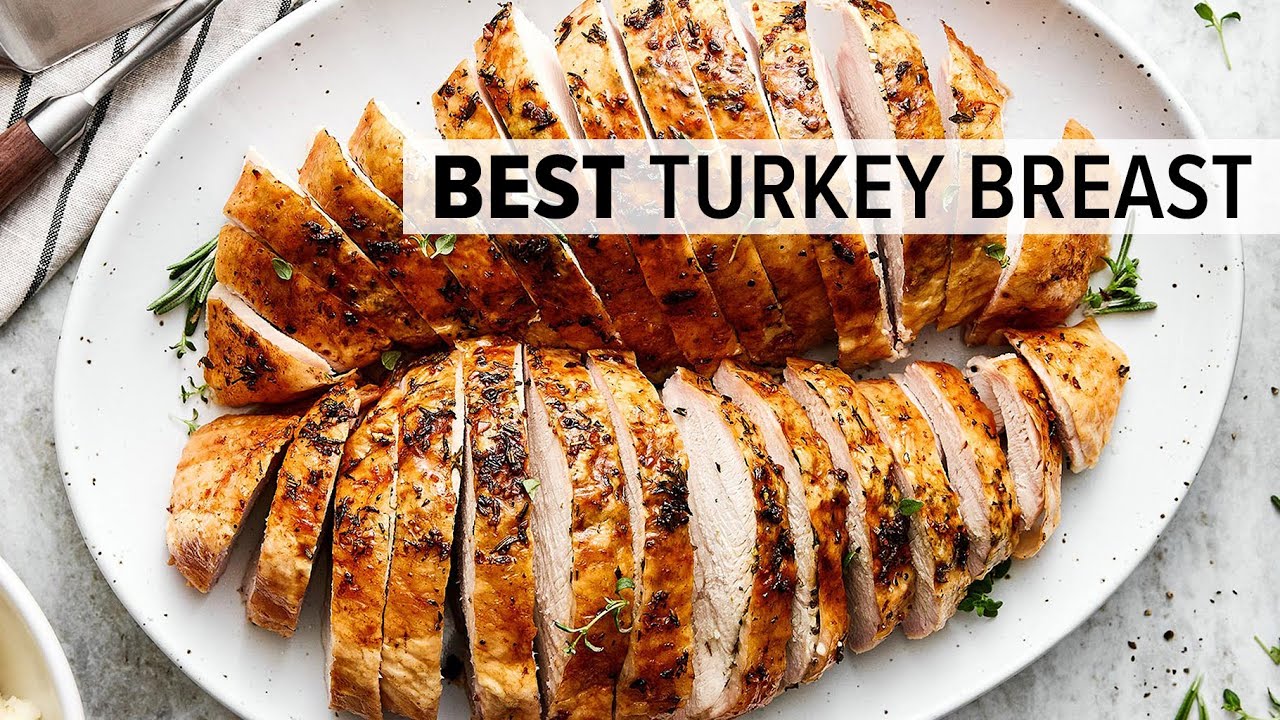
Roasted Turkey Breast Recipe: Roasted turkey breast is one of those meals that brings warmth, comfort, and a sense of occasion to the table. Unlike a full turkey, which can feel overwhelming for smaller families or weeknight dinners, a turkey breast offers a practical, faster, and equally delicious option. It’s perfect for holiday gatherings where you don’t need a whole bird, or for Sunday dinners when you crave something hearty without spending the entire day in the kitchen.
One of the main reasons people love cooking turkey breast is its versatility. Whether you want to keep it simple with just salt, pepper, and butter, or dress it up with garlic, herbs, and citrus, the turkey breast absorbs flavors beautifully. Plus, it’s lean, protein-packed, and pairs well with almost any side dish, from mashed potatoes and gravy to a fresh green salad.
If you’ve ever worried about turkey breast turning out too dry, this guide is going to take away all the guesswork. With the right preparation, seasoning, and roasting method, you’ll have a golden, juicy, and tender turkey breast every time. Let’s dive into the ingredients and steps you’ll need to master this recipe.
Ingredients You’ll Need
Before diving into the cooking process, let’s gather the essentials. Having everything ready makes the process smooth and enjoyable, especially if you’re cooking for a special occasion.
Basic Ingredients
- 1 whole turkey breast (about 4–6 pounds, bone-in or boneless depending on preference)
- 3–4 tablespoons olive oil or softened butter
- 2 teaspoons salt
- 1 teaspoon freshly ground black pepper
Fresh Herbs and Flavor Enhancers
- 3–4 garlic cloves (minced)
- 1 tablespoon fresh rosemary (chopped)
- 1 tablespoon fresh thyme leaves
- 1 tablespoon fresh parsley
- 1 lemon (zest and juice)
Optional Add-Ons
- Paprika for extra flavor and color
- Onion powder or garlic powder for depth
- A splash of white wine or chicken broth for added moisture
Kitchen Tools
- Roasting pan with rack
- Meat thermometer (essential for doneness)
- Basting brush
- Aluminum foil (to tent turkey if browning too quickly)
These ingredients aren’t set in stone. You can mix and match based on your taste. For example, swap rosemary with sage, or use orange zest instead of lemon. The beauty of turkey breast is how well it pairs with almost any seasoning you choose.
Choosing the Best Turkey Breast
The secret to a great roasted turkey breast actually starts before you even turn on the oven—it’s in choosing the right cut.
Fresh vs. Frozen
If you’re short on time, fresh turkey breast is the best option since it doesn’t require thawing. However, frozen turkey breasts are widely available and can be just as delicious when thawed properly. If you go the frozen route, make sure to allow enough thawing time in the refrigerator—typically 24 hours per 4 pounds of turkey.
Bone-In vs. Boneless
- Bone-in turkey breast tends to stay juicier during roasting and develops richer flavor. It’s also a beautiful presentation piece when serving.
- Boneless turkey breast is easier to carve and cooks a bit faster. It’s great for smaller dinners or when you want uniform slices.
Portion Guide
Wondering how much turkey breast you’ll need? A good rule of thumb is about ½ to ¾ pound per person if you’re serving sides. For heartier eaters or fewer side dishes, plan closer to 1 pound per person.
Taking these factors into account ensures you start with the perfect turkey breast for your occasion.
Preparing the Turkey Breast
Preparation is where the magic begins. If you rush this step, you might end up with bland or dry turkey. Taking a few extra minutes here makes all the difference.
Thawing Safely
If using frozen turkey breast, thaw it in the refrigerator. Never thaw on the counter—this encourages bacteria growth. Remember, 24 hours in the fridge per 4 pounds is the safest method.
Cleaning and Trimming
Pat the turkey breast dry with paper towels. This helps the skin crisp up beautifully during roasting. Trim any excess fat or loose skin, but don’t remove too much—fat adds flavor and keeps the turkey moist.
Seasoning and Marinating
Generously rub olive oil or softened butter all over the turkey, including under the skin. This step not only adds flavor but also locks in moisture. Massage minced garlic, herbs, salt, pepper, and lemon zest directly onto the meat. If you have extra time, let the seasoned turkey breast sit in the fridge for a few hours or overnight. This “dry brine” allows the flavors to penetrate deeper.
Now that our turkey breast is prepped and ready, let’s move into the actual roasting process.
Step-by-Step Guide to Roasting Turkey Breast
Cooking turkey breast doesn’t have to be intimidating. Here’s a straightforward method that guarantees tender, juicy, and flavorful results.
Step 1: Preheat and Prepare the Oven
Preheat your oven to 350°F (175°C). Place your oven rack in the center position to allow for even roasting.
Step 2: Season Generously
Make sure your turkey breast is coated with butter or oil and packed with herbs. Don’t skip seasoning under the skin—it’s the secret to flavorful meat.
Step 3: Place Turkey Breast in Roasting Pan
Set the turkey breast on a roasting rack in a pan. This keeps it elevated, allowing air to circulate and ensuring even cooking. If you don’t have a rack, use a bed of chopped onions, carrots, and celery.
Step 4: Roasting Time and Temperature
Roast at 350°F (175°C) for about 20 minutes per pound. For a 5-pound breast, expect about 1 hour 40 minutes. Halfway through, baste with pan juices for extra flavor.
Step 5: Checking for Doneness
Insert a meat thermometer into the thickest part of the breast. When it reaches 165°F (74°C), your turkey is ready. Remove from oven and let it rest for at least 15–20 minutes before slicing. Resting helps juices redistribute, keeping every slice moist and flavorful.
Tips for the Perfect Roasted Turkey Breast
Cooking a turkey breast is fairly simple, but achieving that perfect balance of crispy skin and juicy meat takes a few insider tricks. Even small adjustments in preparation and cooking technique can make the difference between a dry, tough turkey and one that practically melts in your mouth.
Keep It Juicy and Tender
The biggest concern most home cooks have is dryness. Turkey breast is much leaner than dark meat, which means it can lose moisture quickly if overcooked. To prevent this, always use a meat thermometer. Don’t rely on time alone because oven temperatures vary. Pull the turkey out once it hits 165°F in the thickest part—going even a few degrees higher can start drying it out.
Another trick is basting, but not too often. Opening the oven door frequently lets out heat and can actually slow down cooking. Instead, baste once or twice during roasting with pan juices or melted butter. This helps develop a golden skin and keeps the meat moist without interfering with the cooking process.
Avoid These Common Mistakes
- Skipping the rest time – Cutting into the turkey immediately after roasting will let the juices escape. Always rest it for at least 15 minutes.
- Not drying the skin before seasoning – If the skin is wet, it won’t crisp up properly. Patting it dry is crucial.
- Overcrowding the pan – Allow space around the turkey breast for heat to circulate evenly.
Achieving Crispy Golden Skin
If you’re after that magazine-worthy golden crust, butter is your best friend. Rubbing softened butter under the skin allows it to melt into the meat, while the top crisps up beautifully. For even deeper color, sprinkle paprika or brush the skin with a mix of melted butter and honey in the final 20 minutes of roasting.
Perfecting turkey breast isn’t about complicated techniques—it’s about small, thoughtful steps that make a big impact.
Serving Suggestions
You’ve roasted the perfect turkey breast—now let’s make it shine at the table. Pairing it with the right side dishes, sauces, and garnishes can turn a simple roast into a feast.
Classic Side Dishes
- Mashed potatoes – Creamy, buttery mashed potatoes are a natural match for turkey.
- Roasted vegetables – Carrots, Brussels sprouts, and sweet potatoes add color and flavor.
- Stuffing or dressing – Even without the whole bird, stuffing completes the meal.
- Green beans or asparagus – Light, fresh veggies balance out the richness of the turkey.
Sauces and Gravies
Turkey breast is delicious on its own, but sauces elevate the experience. A homemade pan gravy made from drippings is classic, but you can also try cranberry sauce, garlic butter sauce, or a lemon-herb cream sauce. Each brings its own character to the dish.
Garnishing Ideas
Don’t underestimate presentation. A simple garnish of fresh rosemary sprigs, orange slices, or pomegranate seeds can make your platter look holiday-ready. If serving at a casual dinner, even a sprinkle of fresh parsley works wonders.
When planning sides and garnishes, think about balance—rich and creamy dishes pair well with something bright and acidic to cut through the heaviness.
Storing and Reheating Leftovers
One of the best things about roasting a turkey breast is the leftovers. They make for delicious sandwiches, salads, and even soups. But how you store and reheat them makes all the difference in taste and texture.
Best Storage Methods
- Refrigerator: Store leftover slices in an airtight container for up to 4 days. Make sure they’re cooled completely before sealing.
- Freezer: Turkey breast freezes beautifully. Wrap slices tightly in plastic wrap, then place in a freezer-safe bag. It will last up to 3 months.
Reheating Without Drying Out
The biggest challenge with reheating turkey is keeping it moist. Avoid microwaving if possible, as it tends to make the meat rubbery. Instead:
- Preheat your oven to 300°F (150°C).
- Place turkey slices in a baking dish with a splash of broth or water.
- Cover with foil and warm for 15–20 minutes.
For quick reheating, a skillet with a little butter also works. Heat over medium-low, cover with a lid, and warm until hot.
Creative Uses for Leftovers
- Turkey sandwiches with cranberry sauce
- Turkey and veggie stir-fry
- Creamy turkey soup or chowder
- Turkey quesadillas or wraps
Handled properly, your turkey leftovers won’t just be reheated—they’ll feel like brand new meals.
Nutritional Benefits of Turkey Breast
Turkey breast isn’t just delicious—it’s also a nutritional powerhouse. If you’re health-conscious or simply looking to add more lean protein to your diet, this dish checks all the boxes.
Lean and Protein-Rich
Turkey breast is naturally low in fat, especially compared to darker cuts of meat. A 3-ounce serving provides around 26 grams of protein with only about 1 gram of fat. This makes it ideal for athletes, people on high-protein diets, or anyone looking to stay full without extra calories.
Rich in Vitamins and Minerals
- B vitamins (especially B6 and B12) for energy and metabolism
- Zinc for immune function
- Selenium for thyroid health and antioxidant protection
Comparison with Other Meats
Compared to chicken breast, turkey breast offers similar calories and protein but with slightly different flavors and textures. Against red meats like beef or lamb, turkey breast is much leaner and lower in saturated fat, making it a heart-friendly option.
By choosing roasted turkey breast, you’re not only treating yourself to a delicious meal but also nourishing your body with clean, wholesome nutrition.
Variations of Roasted Turkey Breast
One of the best things about roasting turkey breast is its versatility. With just a few tweaks, you can create an entirely different flavor profile.
Herb Butter Roasted Turkey Breast
Mix softened butter with rosemary, thyme, sage, and garlic, then rub it generously under the skin. The herbs infuse deep flavor, while the butter keeps everything moist.
Garlic and Lemon Infused Turkey Breast
Combine olive oil, minced garlic, lemon juice, and zest for a bright, zesty roast. This version pairs perfectly with Mediterranean side dishes like roasted vegetables or couscous.
Spicy Roasted Turkey Breast
For a bold twist, rub the turkey with a mix of paprika, cayenne, and chili powder. Add a little honey for a sweet-spicy glaze. This variation is excellent for those who enjoy a little heat on their plate.
Experimenting with flavors ensures you’ll never get bored of this dish. Each variation brings a unique character to the table, proving turkey breast is anything but plain.
Holiday Roasted Turkey Breast
When it comes to holidays like Thanksgiving or Christmas, the whole roasted turkey is often the star of the show. But let’s be honest—sometimes a giant bird is more than you need. This is where roasted turkey breast becomes the perfect solution. It’s ideal for smaller gatherings, couples, or families who still want the holiday flavor without the fuss of a full-sized turkey.
Perfect for Small Gatherings
If you’re serving fewer than six people, a turkey breast is just right. It’s easier to handle, cooks much faster, and requires less oven space—leaving plenty of room for all those beloved holiday side dishes like casseroles, stuffing, and pies. Plus, carving a breast is much less intimidating than breaking down a whole turkey, especially if you’re the designated host.
Holiday Flavor Without the Stress
The beauty of roasting a turkey breast during the holidays is that you still get the same festive flavor and aroma wafting through your kitchen. By seasoning with traditional herbs like sage, rosemary, and thyme, and pairing with gravy and cranberry sauce, you’ll capture the holiday spirit in every bite.
Pairing for Festive Menus
For Christmas, pair your roasted turkey breast with roasted root vegetables, Brussels sprouts, and a rich gravy. For Thanksgiving, stuffing, sweet potato casserole, and cranberry relish are must-have companions. Don’t forget to garnish with fresh herbs and citrus slices to make it visually stunning for your holiday table.
In short, roasted turkey breast proves that you don’t need the whole bird to make the holidays feel special. It’s festive, flavorful, and far less stressful.
FAQs about Roasted Turkey Breast Recipe
How do you keep turkey breast moist?
Moisture is often the biggest worry when roasting turkey breast. The key is proper seasoning, not overcooking, and resting the meat. Using butter or olive oil helps seal in juices, while fresh herbs and citrus add flavor. Always cook until just 165°F and allow a resting period before slicing.
What temperature should turkey breast be cooked to?
The USDA recommends cooking turkey breast to an internal temperature of 165°F (74°C). Use a meat thermometer to check the thickest part of the breast. Anything beyond that risks drying out the meat.
Can you cook turkey breast in advance?
Yes! You can roast your turkey breast a day ahead, slice it, and store it in the fridge. To reheat, place slices in a baking dish with some broth, cover with foil, and warm in the oven at 300°F until hot. This method keeps it tender and juicy.
Is bone-in or boneless turkey breast better?
Bone-in turkey breast tends to have more flavor and retains moisture better, but boneless is easier to carve and slightly faster to cook. Both can be delicious when seasoned and roasted properly.
How long does it take to cook turkey breast?
The general rule is about 20 minutes per pound at 350°F (175°C). So, a 5-pound turkey breast will take around 1 hour 40 minutes. However, use a thermometer to confirm doneness rather than relying only on time.
Pro Tips from Chefs
Even the pros have their secrets when it comes to making turkey breast extraordinary. Here are some expert tips you can easily apply in your kitchen:
Basting Techniques
Instead of basting with just pan juices, try using melted butter infused with garlic and herbs. This adds layers of flavor and helps achieve that irresistible golden skin.
Resting Is Non-Negotiable
Chefs swear by the resting stage. After roasting, tent the turkey breast loosely with foil and let it rest for at least 15–20 minutes. This allows the juices to redistribute, ensuring every bite is moist instead of dry.
Use a Meat Thermometer
Professional chefs never guess doneness. A digital meat thermometer ensures accuracy and prevents overcooking. Aim for 165°F in the thickest part of the meat—no more, no less.
Flavor Boosters
Some chefs recommend roasting the turkey breast on a bed of vegetables (onions, carrots, celery) not only to prevent sticking but also to create flavorful drippings for gravy. You can even splash in some white wine or broth for added aroma.
These simple yet powerful techniques elevate your turkey breast from “good” to “restaurant quality.”
FAQs about Roasted Turkey Breast Recipe
1. Can I roast turkey breast without a rack?
Yes. Simply place the breast on top of chopped vegetables in the roasting pan. This keeps it elevated and adds flavor to the drippings.
2. How do I know when my turkey breast is resting long enough?
A good rule of thumb is 15–20 minutes. If you slice and the juices run out immediately, it probably needed more resting time.
3. Can I brine turkey breast before roasting?
Absolutely. Brining in a salt-water solution for 6–12 hours adds moisture and flavor. Dry brining (rubbing salt and herbs directly on the meat) also works beautifully.
4. What herbs go best with turkey breast?
Classic choices include rosemary, thyme, sage, and parsley. You can also experiment with Mediterranean flavors like oregano or Middle Eastern spices like cumin.
5. How do I get the skin extra crispy?
Dry the skin thoroughly before seasoning, rub with butter or oil, and roast uncovered. For an extra-crisp finish, broil for 2–3 minutes at the end—but watch closely to prevent burning.
Conclusion
Roasted turkey breast is the perfect combination of simplicity, flavor, and versatility. Whether you’re making it for a weeknight dinner, a festive holiday meal, or a special family gathering, it delivers a hearty, comforting dish without the hassle of roasting a whole turkey. With the right preparation, seasoning, and roasting method, you’ll have juicy, golden, and flavorful turkey breast every single time.
From choosing the right cut to seasoning, roasting, and serving, every step matters—but none are difficult. And once you master this recipe, you’ll realize just how adaptable turkey breast can be. Dress it up for the holidays with herb butter and cranberry sauce, or keep it simple for everyday dinners with roasted vegetables and mashed potatoes.
So the next time you’re planning a meal, skip the stress of a full turkey and try this roasted turkey breast recipe instead. It’s a crowd-pleaser, a time-saver, and a dish that’s guaranteed to impress.