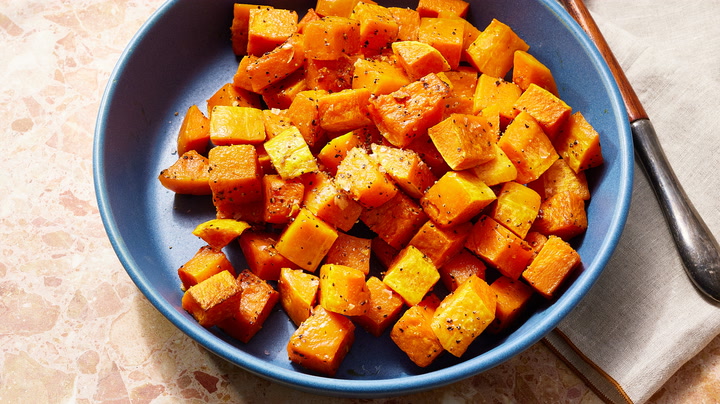
Roasted Squash Recipe: There’s something magical about roasted squash. The way it caramelizes in the oven, its sweet and nutty aroma filling your kitchen, and that satisfying melt-in-your-mouth texture—it’s comfort food at its finest. Whether you’re preparing a cozy fall dinner or just want a nutritious side dish, roasted squash fits the bill perfectly. It’s not only incredibly easy to make, but it’s also versatile enough to fit a wide range of flavors and cuisines.
What makes roasted squash a standout recipe is its simplicity. With just a few ingredients and basic kitchen tools, you can transform this humble vegetable into a star dish. Plus, it’s a great way to make picky eaters fall in love with vegetables. A drizzle of olive oil, a sprinkle of salt, maybe a touch of cinnamon or chili—boom, you’ve got something special.
Also, the process of roasting enhances the natural sugars in squash, giving it a subtle sweetness and depth that you can’t achieve with boiling or steaming. The result? Golden, crispy edges and a soft, buttery interior. It’s practically begging to be devoured.
Health Benefits of Squash
Beyond being delicious, squash is packed with nutrients. It’s low in calories but high in fiber, making it ideal for those watching their weight or trying to improve digestion. Depending on the variety, squash can be rich in vitamins A and C, potassium, magnesium, and antioxidants that help fight inflammation and support eye health.
But that’s not all—because squash has a naturally sweet taste, it’s a great alternative for those trying to cut down on sugar. Plus, the beta-carotene in orange-fleshed squash like butternut and acorn is fantastic for boosting your immune system and promoting glowing skin. Not bad for a vegetable, right?
Choosing the Right Squash
Popular Varieties for Roasting
When it comes to roasting, not all squash is created equal. Some types are creamier, some are firmer, and some even have edible skin. Here are a few top picks:
- Butternut Squash: Sweet, nutty, and smooth in texture. It’s the go-to for many home cooks.
- Acorn Squash: Earthier flavor, slightly fibrous texture, but becomes incredibly soft when roasted.
- Delicata Squash: One of the easiest to prepare—no peeling needed, and it has a natural sweetness.
- Kabocha Squash: Dense and rich, with a slightly sweet, chestnut-like flavor.
- Spaghetti Squash: While not ideal for typical roasting, it’s great if you want a pasta substitute.
Each variety brings something different to the table, so feel free to experiment and find your favorite.
How to Pick a Ripe Squash
To ensure your roasted squash turns out perfect, start with a good one. Look for squash that feels heavy for its size—that’s a sign it’s dense and fresh. The skin should be firm, matte (not shiny), and free of soft spots or mold. For winter squash like butternut or acorn, the rind should be hard and unyielding.
If you’re buying pre-cut squash, make sure the pieces are vibrant and not dried out. Dull or pale-colored flesh could mean the squash is past its prime. Fresh, ripe squash will give you the best flavor and texture when roasted.
Ingredients Needed for Roasted Squash
Basic Ingredients List
Here’s what you’ll need for a basic roasted squash recipe:
- 1 medium butternut squash (or any squash of choice)
- 2–3 tablespoons olive oil
- 1 teaspoon sea salt
- ½ teaspoon black pepper
These four ingredients are all it takes to make an unforgettable roasted squash. But don’t stop there if you’re feeling adventurous!
Optional Add-ons for Extra Flavor
Want to kick things up a notch? Here are some tasty flavor boosters you can mix and match:
Sweet Options:
- Cinnamon
- Nutmeg
- Maple syrup
- Brown sugar
Savory Options:
- Garlic powder
- Smoked paprika
- Parmesan cheese
- Chili flakes
Herbs:
- Thyme
- Rosemary
- Sage
- Oregano
You can also toss the squash in a mix of balsamic vinegar and honey for a tangy-sweet glaze that caramelizes beautifully.
Preparing the Squash
Washing and Peeling Tips
Before you get chopping, always wash your squash thoroughly. Even if you plan to peel it, dirt and bacteria can transfer from the skin to the flesh during cutting.
For most squash types like butternut, peeling is necessary because the skin is tough. Use a sturdy vegetable peeler, and don’t rush—it takes a little elbow grease but is worth it. For delicata or acorn squash, you can leave the skin on; it becomes tender after roasting and adds a nice textural contrast.
Pro tip: If peeling a raw squash feels too difficult, pop it in the microwave for 2–3 minutes. This softens the skin slightly and makes peeling a lot easier.
How to Cut Squash Safely
Cutting squash can be intimidating—it’s large, firm, and oddly shaped. Here’s how to do it safely:
- Stabilize it: Place the squash on a flat surface and cut off both ends.
- Halve it: Slice it down the middle lengthwise.
- Scoop it: Use a spoon to remove the seeds and stringy bits.
- Peel it (if needed): Peel each half using a vegetable peeler.
- Cube it: Cut into 1-inch cubes for even roasting.
Always use a sharp chef’s knife and go slowly. If you’re not comfortable, ask someone to help or buy pre-cut squash to save time and effort.
Step-by-Step Roasting Instructions
Preheating the Oven
The first real step in making perfect roasted squash? Preheating your oven. This might sound like a basic tip, but it’s crucial for getting those delicious crispy edges. Set your oven to 400°F (200°C) and give it at least 10 minutes to come up to temperature before your squash goes in. A hot oven ensures that the squash starts roasting immediately, which leads to better caramelization and texture.
While your oven is preheating, line a baking sheet with parchment paper or lightly grease it with olive oil. This will prevent sticking and make cleanup a breeze. Make sure your oven rack is positioned in the center for even heat distribution.
Pro tip: If you want extra crispiness, preheat the baking sheet as well. When you add the squash to a hot tray, it sears the underside and gives it a head start on browning.
Seasoning the Squash
Now comes the fun part—seasoning! Place your peeled and cubed squash into a large mixing bowl. Drizzle it with your olive oil and sprinkle on salt and pepper. Then, toss it all together until each piece is evenly coated. Don’t be afraid to get your hands in there—it’s the best tool you’ve got for making sure the oil and seasoning get into every crevice.
Want to add some extra zing? Here are a few seasoning blends to try:
- For sweet squash: Add 1 tsp of cinnamon and 1 tbsp of maple syrup.
- For savory squash: Add 1 tsp of garlic powder and ½ tsp of smoked paprika.
- For spicy squash: Add ¼ tsp cayenne pepper and a squeeze of lime juice post-roast.
- For herb lovers: Add chopped rosemary or thyme before roasting.
Spread the seasoned squash in a single layer on your prepared baking sheet. Make sure the pieces don’t touch too much; crowding the pan leads to steaming, not roasting.
Roasting Time and Temperature
Roast your squash at 400°F (200°C) for about 30–40 minutes, flipping the pieces halfway through. The exact timing can vary depending on the size of your cubes and the type of squash you’re using, but you’ll know it’s done when:
- The edges are golden and caramelized.
- The pieces are fork-tender.
- The surface is slightly crispy.
If you’re adding delicate toppings like parmesan cheese or nuts, toss them on during the last 5–10 minutes of roasting to avoid burning.
Here’s a quick guide for roasting times based on squash type:
| Squash Type | Cube Size | Roasting Time |
|---|---|---|
| Butternut | 1-inch cubes | 30–35 mins |
| Acorn | 1-inch slices | 25–30 mins |
| Delicata | ½-inch slices | 20–25 mins |
| Kabocha | 1-inch cubes | 35–40 mins |
After roasting, let the squash cool slightly. It’ll firm up just a little, and the flavors will settle beautifully.
Final Touches and Serving Tips
How to Serve Roasted Squash
There’s no wrong way to enjoy roasted squash—it’s that good. Here are a few crowd-pleasing serving ideas:
- As a Side Dish: Perfect alongside roasted chicken, pork chops, or grilled tofu.
- On a Salad: Toss warm cubes onto a bed of arugula, cranberries, goat cheese, and a balsamic glaze.
- In a Grain Bowl: Combine with quinoa, kale, chickpeas, and tahini for a plant-based powerhouse.
- As a Snack: Keep a container in the fridge and eat cold with a sprinkle of sea salt and chili flakes.
- In Soup: Blend roasted squash with sautéed onions, garlic, and veggie broth for a creamy, dreamy soup.
Roasted squash is incredibly versatile, so feel free to get creative. Add it to tacos, mix it into pasta, or even mash it into a savory puree.
What to Pair it With
This dish plays well with others. It’s sweet and hearty enough to balance out salty or acidic mains. Here are a few pairing suggestions:
- Proteins: Grilled salmon, roast chicken, steak, or tempeh.
- Greens: Sautéed spinach, kale salad, or brussels sprouts.
- Grains: Farro, couscous, wild rice, or barley.
- Dips: Hummus, tahini sauce, garlicky yogurt, or chimichurri.
Roasted squash is the culinary equivalent of a team player—it enhances whatever you serve it with, no drama required.
FAQs about Roasted Squash Recipe
Can I roast squash with the skin on?
Yes! Delicata and acorn squash have edible skins that soften during roasting. For tougher skins like butternut or kabocha, peeling is recommended for better texture.
What’s the best oil to use for roasting?
Olive oil is a classic choice, but avocado oil and grapeseed oil also work well thanks to their high smoke points.
Can I freeze roasted squash?
Absolutely. Let it cool completely, then store in an airtight container for up to 3 months. Reheat in the oven for best texture.
How long does roasted squash last in the fridge?
It stays fresh for up to 5 days when stored in a sealed container. Reheat in the oven or microwave before serving.
Can I roast squash ahead of time?
Yes! Roast it a day or two in advance and store in the fridge. It’s great for meal prep and reheats beautifully.
Conclusion
Roasted squash is one of those magical recipes that’s simple, nourishing, and satisfying all at once. Whether you’re whipping it up as a cozy side dish, tossing it into a salad, or enjoying it solo, it’s always a hit. With just a handful of ingredients and minimal prep, this dish is as effortless as it is delicious. Plus, the health benefits are nothing short of impressive.
Once you’ve nailed the basic technique, the sky’s the limit. Add your favorite herbs, experiment with spice blends, or get creative with sweet and savory combos. Roasted squash is the perfect canvas for culinary creativity—and a staple you’ll come back to again and again.