Roasted Root Vegetables Recipe: There’s something magical about the way root vegetables transform in the oven. From earthy and starchy to golden, caramelized, and slightly sweet, roasted root vegetables are one of the most comforting and versatile dishes you can make at home. Whether you’re preparing a simple weeknight dinner or a festive holiday feast, these veggies never fail to impress. The beauty of this recipe lies in its simplicity—you don’t need fancy ingredients, just fresh produce, some oil, and seasonings to create a dish that bursts with flavor.
In this step-by-step guide, we’ll cover everything from choosing the best vegetables, preparing them properly, and roasting them to crispy perfection. By the end, you’ll be ready to make roasted root vegetables that are not only delicious but also look like they came out of a gourmet kitchen.
Why Roasted Root Vegetables Are So Popular
Roasted root vegetables are a staple in many households because they’re budget-friendly, incredibly nutritious, and easy to prepare. Unlike some side dishes that require hours of prep, roasting is straightforward and forgiving. The high heat of the oven helps draw out the natural sugars in vegetables like carrots, sweet potatoes, and parsnips, giving them a rich caramelized flavor that’s hard to resist.
What makes them truly popular is their versatility. You can mix and match whatever root vegetables you have on hand, and the result will almost always be satisfying. They can stand alone as a hearty side dish, accompany roasted meats, or even be tossed into salads for a burst of flavor. Plus, they appeal to almost every palate—kids love their natural sweetness, and adults appreciate their depth of flavor.
Health Benefits of Root Vegetables
Root vegetables are nutritional powerhouses. Carrots are packed with beta-carotene, which supports vision and immune health. Beets are rich in antioxidants and nitrates that help boost blood circulation. Sweet potatoes are high in vitamin A and fiber, making them a filling yet healthy choice. Potatoes, though sometimes misunderstood, provide essential potassium and vitamin C.
Beyond vitamins and minerals, root vegetables are an excellent source of complex carbohydrates. Unlike processed carbs, these are digested slowly, keeping you full for longer and providing sustained energy. Roasting doesn’t just enhance flavor—it also helps preserve most of their nutrients compared to boiling, which can cause some vitamins to leach out.
Perfect Occasions to Serve Roasted Root Vegetables
These veggies fit in almost any meal plan. For holidays like Thanksgiving or Christmas, roasted root vegetables add color and balance to heavier dishes like turkey or ham. On a weeknight, they pair beautifully with baked chicken or fish, turning a simple dinner into something special.
They also shine at potlucks or gatherings because they hold up well even after cooling slightly. Unlike leafy greens that wilt, roasted root vegetables stay firm and flavorful, making them an excellent make-ahead dish. Whether served warm, at room temperature, or even chilled in a salad, they always deliver on taste.
Ingredients You’ll Need
Root Vegetables Selection
The foundation of this dish lies in choosing the right vegetables. You can use a single type or a medley for variety. Here are some popular options:
- Carrots – sweet and vibrant when roasted
- Parsnips – slightly nutty and earthy flavor
- Beets – rich, deep, and naturally sweet
- Sweet Potatoes – soft texture with caramel-like sweetness
- Potatoes – crispy edges with fluffy centers
- Turnips – mild peppery flavor
- Rutabagas – slightly sweet and buttery
- Onions – add a savory-sweet punch
Using a mix not only enhances flavor but also creates a beautiful presentation with different colors on the plate.
Oils and Fats for Roasting
Choosing the right oil is just as important as the vegetables. Olive oil is the classic choice because it enhances flavor while providing healthy fats. However, you can also use avocado oil for its high smoke point or even melted butter for a richer taste. The key is to coat the vegetables evenly to ensure they crisp up nicely without drying out.
Herbs, Spices, and Seasonings
Seasonings can make or break roasted root vegetables. A simple mix of salt, pepper, and garlic powder works well, but you can get creative. Rosemary and thyme bring an earthy aroma, while paprika adds a smoky kick. Cumin and coriander can give a warm, slightly exotic flavor. Don’t forget a sprinkle of sea salt at the end to elevate everything.
Optional Add-Ons for Extra Flavor
Want to take your vegetables to the next level? Try these additions:
- A drizzle of honey or maple syrup for sweetness
- A splash of balsamic vinegar for tanginess
- A handful of toasted nuts like pecans or walnuts for crunch
- Some crumbled feta or goat cheese on top after roasting
These add-ons make your dish feel gourmet with minimal effort.
Preparing the Vegetables
Washing and Peeling
Cleanliness is essential when working with root vegetables since they grow underground and often carry dirt. Scrub them well under running water with a vegetable brush. Peeling is optional—carrots, potatoes, and sweet potatoes can be roasted with their skins on for added fiber and texture. However, for tougher skins like rutabaga or parsnips, peeling is recommended.
Cutting into Uniform Sizes
One of the most important steps is cutting your vegetables into uniform pieces. If some chunks are large while others are small, they won’t cook evenly. Aim for 1 to 1.5-inch cubes or slices. For carrots, cutting them diagonally creates more surface area for caramelization, while beets should be cubed to prevent burning.
Tips to Avoid Mushy Vegetables
Nobody likes soggy roasted vegetables. To prevent this:
- Dry thoroughly after washing—moisture leads to steaming, not roasting.
- Don’t overcrowd the pan—leave space for air circulation.
- Use high heat (400–425°F / 200–220°C)—this helps crisp the edges while keeping the inside tender.
Step-by-Step Guide to Roasted Root Vegetables
Step 1 – Preheat the Oven
The first and most crucial step is preheating your oven. Set it to 400–425°F (200–220°C). Roasting at high heat allows vegetables to caramelize on the outside while staying soft and tender inside. A properly preheated oven ensures that the vegetables start cooking immediately, rather than steaming slowly as the oven warms up.
Step 2 – Prepare the Baking Sheet
Once your oven is preheating, it’s time to get your baking sheet ready. A large, heavy-duty sheet pan works best because it distributes heat evenly and can handle high roasting temperatures without warping. If you have a rimmed baking sheet, even better—this prevents oil from dripping over the edges.
For easier cleanup, you can line the pan with parchment paper, though some chefs prefer roasting directly on the pan for extra crispiness. If you want the vegetables to brown more effectively, lightly oil the sheet instead of using parchment. Remember, the vegetables should have enough space to spread out. Crowding them will trap steam, leading to softer veggies instead of the golden, crispy texture you’re aiming for.
A good tip: use two pans if you’re roasting a large batch. This way, each vegetable gets enough room to roast evenly, and you won’t have to deal with soggy results.
Step 3 – Toss Vegetables with Oil and Spices
Here’s where the magic begins. Place your chopped vegetables in a large mixing bowl and drizzle with oil—about 2 to 3 tablespoons for every pound of vegetables. Add your chosen seasonings: salt, pepper, and garlic powder as a base, then mix in herbs like rosemary, thyme, or oregano depending on your preference.
The key is even coating. Use your hands or a spatula to toss the vegetables thoroughly, ensuring every piece is covered in oil and spices. This not only enhances flavor but also helps with caramelization. If you’re adding liquid seasonings like balsamic vinegar or soy sauce, do so sparingly—too much moisture can prevent crisping.
Want extra depth of flavor? Try adding a pinch of smoked paprika for a subtle smoky taste, or a dash of chili flakes for heat. If you prefer sweeter notes, a drizzle of honey or maple syrup works beautifully with carrots and sweet potatoes.
Step 4 – Spread Evenly on the Pan
Now that your vegetables are seasoned, transfer them to your prepared baking sheet. Spread them out into a single layer, leaving space between each piece. Overlapping or piling them up will cause steaming instead of roasting, and you’ll lose that delicious golden-brown edge.
For the best results, place root vegetables cut-side down. This allows the flat surface to make direct contact with the hot pan, encouraging caramelization. If you’re roasting onions or beets, place them slightly apart, as they tend to release more moisture than other veggies.
Pro tip: If you’re roasting vegetables with different cooking times, consider staggering them. For example, add softer veggies like sweet potatoes or carrots to the oven first, then add beets or potatoes a few minutes later. This ensures everything cooks evenly and finishes at the same time.
Step 5 – Roast Until Golden and Crispy
Slide the pan into your preheated oven and let the roasting magic happen. The average roasting time is 30–45 minutes, depending on the size and type of vegetables. Halfway through, take the pan out and give the vegetables a good stir or flip. This ensures even browning and prevents burning on one side.
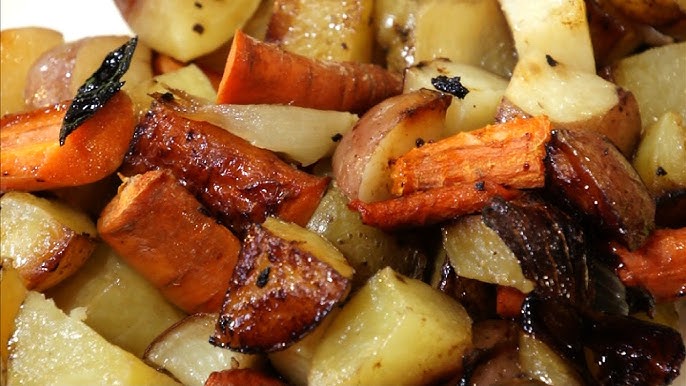
Keep an eye on your veggies as they cook. You’ll know they’re ready when the edges are golden brown, and the inside is fork-tender. Potatoes should be crispy on the outside and fluffy on the inside, while carrots and parsnips should be caramelized with a slightly chewy bite.
If you want extra crispiness, roast for the last 5 minutes at a slightly higher temperature (around 450°F / 230°C). Just be careful not to overcook, as smaller pieces can burn quickly.
Step 6 – Test for Doneness and Serve
To test if your roasted root vegetables are done, simply pierce one with a fork. If it slides in easily, they’re ready to serve. The aroma of roasted herbs, caramelized vegetables, and toasted edges will fill your kitchen, making it hard to resist sneaking a taste.
Before serving, sprinkle a pinch of flaky sea salt or drizzle a little extra virgin olive oil for a finishing touch. Fresh herbs like parsley or dill can also be sprinkled on top to brighten up the dish.
Serve immediately while warm. Roasted root vegetables pair beautifully with roasted chicken, grilled steak, baked fish, or even as a topping for quinoa bowls. They can also be enjoyed on their own as a hearty, plant-based main dish.
Tips and Tricks for Perfect Roasted Root Vegetables
Balancing Flavors
One of the best things about roasted root vegetables is how adaptable they are. You can keep them simple with just salt and pepper or elevate them with bold seasonings. The key is balance. If you’re adding sweet ingredients like honey or maple syrup, balance them with something savory like garlic or earthy herbs. If you prefer spicy flavors, pair chili flakes with a squeeze of lemon to brighten things up.
Think of flavors as layers—you want the sweetness of the vegetables to shine, but the seasonings should enhance, not overpower. A simple trick is to taste one piece before roasting. If it feels under-seasoned, add a little more salt or spice.
The Secret to Extra Crispiness
Getting that perfect crunch isn’t difficult if you follow a few golden rules:
- High Heat – Roast at 400–425°F (200–220°C) for the best caramelization.
- Dry Veggies – Pat them dry after washing to avoid steaming.
- Enough Oil – Coat lightly but thoroughly—too much oil makes them soggy, too little leaves them dry.
- Don’t Crowd the Pan – Space is your friend; overcrowding causes steaming.
- Flip Halfway – Stirring ensures even cooking on all sides.
For extra crispy edges, you can even preheat the baking sheet in the oven before adding the vegetables. The hot surface gives them a head start on browning.
Storing and Reheating Leftovers
Roasted root vegetables store surprisingly well, making them a great option for meal prep. Place cooled leftovers in an airtight container and refrigerate for up to 4 days. To reheat, avoid the microwave if possible—it softens them. Instead, reheat in a hot oven (375°F / 190°C) for 10–15 minutes to bring back the crispiness.
They also freeze well. Spread cooled vegetables on a baking sheet to freeze individually, then transfer them to freezer bags. When ready to eat, reheat directly in the oven—no need to thaw.
Creative Variations of Roasted Root Vegetables
Honey-Glazed Root Vegetables
For a sweeter twist, toss your vegetables in a mix of olive oil, honey, and a pinch of cinnamon before roasting. The honey caramelizes beautifully in the oven, creating a glossy, slightly sticky coating that pairs especially well with carrots, sweet potatoes, and parsnips. This version is perfect for holiday dinners when you want something a little more festive.
Garlic and Rosemary Infused Roast
If you’re a fan of savory flavors, this variation is a must-try. Mince fresh garlic and toss it with your vegetables along with rosemary sprigs and olive oil. The garlic roasts to a golden crunch while the rosemary infuses the vegetables with a deep, earthy aroma. Pair this version with roasted chicken or lamb for a restaurant-worthy meal.
Spicy Roasted Root Vegetables
For those who love heat, spice up your dish with chili flakes, smoked paprika, and a dash of cayenne pepper. A squeeze of lime juice before serving balances the spiciness with a refreshing tang. This version works great as a side for grilled meats or as a bold addition to grain bowls.
Serving Suggestions
Pairing with Proteins
Roasted root vegetables are the kind of side dish that can elevate almost any protein. Their earthy sweetness and caramelized edges bring balance to rich meats like roasted chicken, beef, or lamb. For poultry, the mild flavor of chicken pairs especially well with root vegetables seasoned with rosemary or thyme. If you’re serving red meat like steak or roast beef, opt for stronger flavors such as garlic, paprika, or cumin in your veggies.
For pescatarians, roasted root vegetables are a fantastic companion to baked salmon or grilled white fish. The natural sweetness of carrots and beets complements the lightness of fish beautifully. Even plant-based eaters can enjoy them alongside hearty proteins like lentils, chickpeas, or tofu. Simply toss the roasted veggies with quinoa or farro, and you’ve got a complete, satisfying meal.
The best part? Roasted vegetables are incredibly flexible, meaning you don’t have to stress over finding the “perfect” pairing. They adapt to whatever main dish you have planned, making them a reliable choice for any menu.
Adding to Salads and Grain Bowls
Think roasted root vegetables are only meant for dinner plates? Think again. Once roasted, these vegetables can be repurposed into hearty salads and colorful grain bowls. Imagine tossing warm roasted beets and sweet potatoes into a bed of arugula, topping it with goat cheese, walnuts, and a balsamic drizzle—suddenly, you have a gourmet salad worthy of a restaurant.
For grain bowls, roasted carrots, parsnips, and potatoes add both substance and flavor. Pair them with quinoa, couscous, or brown rice, and top with a creamy tahini dressing for a satisfying meal. Roasted root vegetables also mix well with legumes like chickpeas or black beans, creating a high-protein, nutrient-packed bowl that keeps you full for hours.
These options are not only filling but also visually stunning. The vibrant colors of roasted root vegetables add a natural pop to your dish, making even a simple lunch look like a chef-prepared masterpiece.
Turning Leftovers into Soups and Purees
If you find yourself with leftover roasted root vegetables, don’t let them go to waste. They can be easily transformed into other delicious dishes. One of the simplest ways is to blend them into a creamy soup. Just toss roasted carrots, sweet potatoes, or parsnips into a blender with some vegetable broth, seasonings, and a splash of cream or coconut milk for a velvety, comforting soup.
Another option is to mash or puree them. Roasted parsnips and potatoes, when blended together, make a fantastic side dish similar to mashed potatoes but with a richer, more complex flavor. You can also add them to stews, curries, or even omelets for a burst of flavor.
The beauty of roasted vegetables is that they’re incredibly versatile. With just a little creativity, yesterday’s side dish can become today’s main attraction.
Nutritional Value of Roasted Root Vegetables
Vitamins and Minerals
Root vegetables are nutritional powerhouses. Carrots and sweet potatoes are loaded with vitamin A, which supports vision and immune health. Beets provide folate and manganese, both essential for energy production and cell function. Potatoes offer potassium, which helps regulate blood pressure, and parsnips are a great source of vitamin C, important for skin and immune health.
When roasted properly, most of these nutrients are retained. Unlike boiling, which can cause some vitamins to leach into the water, roasting keeps the goodness locked in while enhancing natural flavors. That’s why roasted root vegetables are both delicious and incredibly nourishing.
Fiber and Digestive Health
One of the standout benefits of root vegetables is their high fiber content. Dietary fiber plays a key role in maintaining digestive health by supporting regular bowel movements and feeding beneficial gut bacteria. Fiber also slows down digestion, which helps regulate blood sugar levels and keeps you feeling full for longer.
For people looking to manage weight, roasted root vegetables are an excellent option. Their fiber content helps control appetite while providing sustained energy, making them far superior to refined carbs or processed snacks.
Low-Calorie Yet Filling Option
Despite their hearty and satisfying nature, most root vegetables are relatively low in calories. A serving of roasted carrots or parsnips, for example, offers plenty of flavor and nutrients without overloading on calories. This makes them a perfect choice for anyone trying to eat healthier without sacrificing taste.
Pair them with lean proteins and healthy fats, and you’ve got a balanced meal that’s both satisfying and waistline-friendly. For those following plant-based or calorie-conscious diets, roasted root vegetables are a no-brainer.
Common Mistakes to Avoid
Overcrowding the Pan
One of the most common mistakes home cooks make is piling too many vegetables onto one pan. When vegetables are overcrowded, they steam instead of roast, which prevents them from getting that golden, crispy edge. To fix this, simply use two pans if needed, or roast in batches. Spacing is the secret to achieving restaurant-style roasted vegetables.
Using the Wrong Oil
Not all oils are suitable for roasting. Olive oil is a great choice for flavor and moderate heat, but if you’re roasting at higher temperatures (above 425°F / 220°C), opt for oils with a higher smoke point like avocado oil or grapeseed oil. Using the wrong oil can lead to burnt flavors or even smoke filling your kitchen. Always choose an oil that can handle the heat while complementing the flavor of your vegetables.
Not Preheating the Oven Properly
Skipping preheating might seem harmless, but it can ruin the texture of your vegetables. Starting with a cold oven means your vegetables cook too slowly, leading to steaming rather than roasting. Always give your oven enough time to reach the correct temperature before sliding in the pan. This small step makes a huge difference in flavor and texture.
FAQs about Roasted Root Vegetables Recipe
1. Can I roast root vegetables without oil?
Yes, but the texture will be different. Roasting without oil may prevent crispiness. Instead, try a light spray of cooking oil or use a splash of vegetable broth to keep them moist.
2. How do I make roasted root vegetables ahead of time?
You can roast them a day in advance and reheat them in a hot oven (375°F / 190°C) for about 10–15 minutes. This keeps them crispy and fresh-tasting.
3. What’s the best temperature for roasting?
The ideal temperature is between 400–425°F (200–220°C). This ensures caramelization without burning.
4. How long do roasted root vegetables last in the fridge?
They can last up to 4 days when stored in an airtight container in the refrigerator.
5. Can I freeze roasted root vegetables?
Absolutely! Freeze them in a single layer on a baking sheet first, then transfer to freezer bags. Reheat directly from frozen in the oven for best results.
Conclusion
Roasted root vegetables are more than just a side dish—they’re a flavorful, nutrient-packed staple that belongs in every kitchen. With the right selection of vegetables, proper seasoning, and a few simple techniques, you can turn humble roots into a dish that steals the spotlight. Whether you’re serving them for a holiday dinner, tossing them into a grain bowl, or transforming leftovers into a comforting soup, roasted root vegetables are as versatile as they are delicious.
By avoiding common mistakes and experimenting with creative variations, you’ll never get bored of this simple yet satisfying recipe. So, grab your favorite root vegetables, fire up the oven, and get ready to enjoy a dish that’s hearty, healthy, and full of flavor.