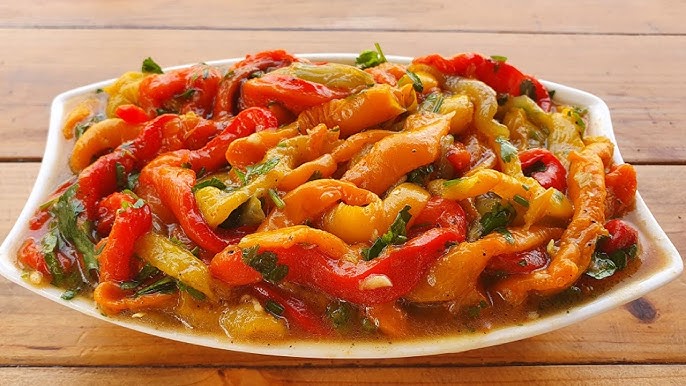
Roasted Peppers Recipe: Roasted peppers are one of those versatile kitchen staples that transform the ordinary into the extraordinary. Whether you’re stuffing them into a sandwich, tossing them with pasta, or layering them on a charcuterie board, they bring a smoky, sweet flavor that’s irresistible. Their charred skins, soft interiors, and vibrant colors turn any dish into a visual and culinary delight.
And the best part? Roasting peppers at home is surprisingly easy and rewarding. You don’t need any fancy equipment or culinary degree—just a few simple steps, some good-quality peppers, and a bit of patience. Whether you’re roasting red bell peppers, poblano, Anaheim, or sweet mini peppers, this guide will walk you through the entire process with tips, tricks, and creative ideas to use them.
Why Roast Peppers?
There are many reasons why roasting peppers is worth the effort. First off, roasting enhances their natural sweetness while adding a depth of flavor that raw peppers can’t deliver. The high heat breaks down the pepper’s cell walls, giving them that melt-in-your-mouth texture and complex, smoky taste.
Beyond flavor, roasted peppers are incredibly versatile. Add them to sandwiches, pizzas, pastas, or even blend them into dips and soups. Plus, once you roast a batch, they can be stored in the fridge or freezer, ready to upgrade any meal in seconds.
Types of Peppers You Can Roast
While red bell peppers are the most popular choice for roasting, they’re just the beginning. Here are some great options:
- Red, Yellow, and Orange Bell Peppers: Sweet and juicy, perfect for all-around use.
- Poblano Peppers: Mildly spicy with a rich, earthy flavor—great for Mexican dishes.
- Anaheim Peppers: Slightly tangy with mild heat.
- Mini Sweet Peppers: These roast quickly and are perfect for snacking or stuffing.
- Banana Peppers: Tangy and mild, great in sandwiches or salads.
Whatever pepper you choose, roasting will elevate its flavor profile significantly.
Ingredients You’ll Need
Before we get into the how-to, let’s make sure your kitchen is stocked with everything needed.
Core Ingredients
To make classic roasted peppers, you’ll need:
- Fresh peppers (any type you like—red, yellow, orange, poblano, etc.)
- Olive oil (optional, for roasting or storing)
- Salt (to season if desired)
That’s really all you need! The magic happens in the heat.
Optional Add-ins for Extra Flavor
Want to enhance the flavor or preserve your peppers for longer? Try adding:
- Garlic cloves
- Herbs like thyme, oregano, or rosemary
- Vinegar for a tangy marinade
- Crushed red pepper flakes for heat
These extras can be added when storing the roasted peppers in jars or containers.
Step-by-Step Roasted Peppers Recipe
Step 1: Choose and Wash Your Peppers
Start by picking peppers that are firm, glossy, and unblemished. Wash them thoroughly under cold water to remove any dirt or residues. Dry them completely with a towel—moisture will slow down the roasting process.
If you’re working with larger bell peppers, you can roast them whole. For smaller or thinner-skinned peppers, such as banana or mini sweet peppers, you might slice them in half and remove the seeds beforehand.
Step 2: Roasting Methods (Oven, Stovetop, Grill)
There’s more than one way to roast a pepper. Choose the method that suits your setup and mood:
1. Oven Roasting (Broiler): Preheat your oven to broil on high. Place whole peppers on a baking sheet lined with foil. Roast them 4-5 inches from the broiler flame, turning every 5–7 minutes until all sides are blackened and blistered—this usually takes 20–25 minutes.
2. Stovetop Roasting (Gas Burner): Place the pepper directly on the burner’s flame, turning with tongs every few minutes. This method gives a deep char but requires careful attention.
3. Grill Roasting: Place peppers directly on a hot grill. Turn frequently to char all sides evenly. Great for a smoky flavor and outdoor vibe.
Regardless of the method, the goal is to blacken and blister the skins completely without burning the flesh.
Step 3: Let Them Steam
Once the peppers are charred, transfer them to a bowl and cover tightly with plastic wrap or a lid. Let them steam for 10–15 minutes. This loosens the skin and makes peeling a breeze.
You can also use a sealed plastic or paper bag if you don’t have a covered bowl handy.
Step 4: Peel the Skin
After steaming, the skins should peel off easily using your hands or a paper towel. Avoid rinsing the peppers under water, as this washes away flavorful oils. Some bits of char are okay—they add depth!
Remove the stem, seeds, and inner membranes if you didn’t do it earlier.
Step 5: Slice and Store
Slice the roasted peppers into strips or chunks, depending on how you plan to use them. Store them in an airtight container in the fridge for up to a week, or freeze them for up to three months.
For extra flavor and preservation, drizzle with olive oil and add garlic or herbs.
Tips for Perfect Roasted Peppers
Mastering roasted peppers isn’t just about following steps—it’s also about the little tricks that elevate your results from good to great. Whether you’re new to this or looking to refine your method, here are some expert tips for getting those beautifully charred, perfectly tender peppers every single time.
How to Avoid Burning
Burning is the most common mistake when roasting peppers. Remember, charring the skin is good—but incinerating the flesh underneath? Not so much.
Here’s how to avoid it:
- Keep a close watch: Especially if you’re using the broiler or stovetop, peppers can go from perfect to scorched in seconds.
- Rotate frequently: Turn them every few minutes to ensure even roasting and prevent hot spots from causing overburns.
- Use foil or parchment paper: This prevents the peppers from sticking and makes cleanup easy. Be cautious using parchment under a broiler, though—it can ignite.
- Know your oven: Some ovens run hotter than others. Adjust the rack position or temperature accordingly.
Remember, you want the skin blackened but the pepper to still be juicy and tender inside.
Best Peppers for Roasting
Not all peppers are created equal when it comes to roasting. Some varieties are better suited for intense heat, while others shine with subtle caramelization.
Here’s a quick guide:
- Red Bell Peppers: Sweet, thick-walled, and ideal for roasting.
- Yellow & Orange Bell Peppers: Similar to red bells but slightly less sweet. Great for color variety.
- Poblano Peppers: Best for recipes like chile rellenos. They roast beautifully and add mild heat.
- Anaheim Peppers: Milder and thinner-skinned, they roast quickly and work well in Southwestern dishes.
- Mini Sweet Peppers: Quick to roast and perfect for appetizers or snacking.
Avoid thin-skinned peppers like jalapeños or serranos unless you’re going for blistered skins and spicy bites.
Creative Ways to Use Roasted Peppers
So you’ve roasted a batch of gorgeous peppers—now what? These flavor bombs are incredibly versatile and can be used in a ton of delicious ways. Whether you’re meal prepping, making a quick dinner, or entertaining guests, roasted peppers can take things up a notch.
In Sandwiches and Wraps
Roasted peppers are a sandwich game-changer. Their rich, smoky taste adds depth and moisture that pairs well with meats, cheeses, or plant-based fillings.
Here are some combos to try:
- Grilled Chicken & Roasted Red Pepper Panini: Add mozzarella, pesto, and arugula for a cafe-quality lunch.
- Roasted Veggie Wrap: Toss roasted peppers with grilled zucchini, hummus, and spinach in a whole wheat wrap.
- Steak Sandwich Upgrade: Add roasted peppers and sautéed onions to a hoagie roll for a Philly-inspired creation.
They’re also amazing in pita pockets or added to breakfast burritos for an unexpected punch of flavor.
Roasted Pepper Pasta or Sauces
One of the best ways to showcase roasted peppers is in a creamy or chunky pasta sauce. They blend beautifully into a silky puree or stand out in chunky veggie medleys.
Try these:
- Creamy Roasted Red Pepper Sauce: Blend peppers with garlic, olive oil, a splash of cream, and Parmesan for a rich, vibrant pasta topping.
- Mediterranean Pasta Salad: Toss chopped roasted peppers with olives, feta, cucumbers, and orzo.
- Roasted Pepper & Tomato Sauce: Add them to your usual tomato base for a sweeter, smokier flavor.
You can also mix them into risottos, spoon them over grilled chicken, or even blend them into soups and stews.
FAQs about Roasted Peppers Recipe
Can I freeze roasted peppers?
Absolutely. Let them cool completely, then place them in freezer-safe bags or containers. If you want to prevent sticking, freeze them in a single layer on a tray first, then transfer them to bags.
How long do roasted peppers last in the fridge?
When stored properly in an airtight container, roasted peppers can last up to one week in the refrigerator. Adding olive oil and storing them with garlic or herbs can slightly extend their shelf life.
Are roasted peppers healthy?
Yes! Roasted peppers are low in calories, high in fiber, and packed with vitamins A and C. They’re a healthy addition to any diet—just be mindful if you’re adding lots of oil.
Can I roast peppers without oil?
Yes, roasting peppers doesn’t require any oil. The skin will blister just fine with dry heat from the oven, stovetop, or grill. You can always add oil afterward if desired.
What peppers are best for roasting?
Red bell peppers are the most popular due to their sweetness and thick skin. But poblano, Anaheim, yellow bell, and mini sweet peppers also roast beautifully and each bring their own unique flavor.
Conclusion
Roasted peppers are more than just a side dish—they’re a kitchen powerhouse. With just a few simple steps, you can transform humble peppers into a sweet, smoky, flavor-packed ingredient that enhances nearly every meal. Whether you’re new to roasting or a seasoned cook, mastering this process will open up a world of delicious possibilities.
They’re easy to make, store well, and add instant depth to any dish. And once you get the hang of it, you’ll find yourself roasting peppers in big batches just to have them on hand.
So grab some peppers, fire up your oven (or grill), and start experimenting. Your taste buds will thank you.