Roasted Chestnuts Recipe: There’s something magical about the smell of roasted chestnuts wafting through the air on a cold winter evening. Whether you’ve seen them being sold on city corners during Christmas or remember your grandma roasting them over an open fire, roasted chestnuts are a nostalgic winter treat loved around the world. But did you know making them at home is surprisingly easy?
This article is your ultimate, step-by-step guide to making perfectly roasted chestnuts. We’re talking golden brown, aromatic, easy-to-peel, and deliciously tender inside. Whether you’re using an oven, stovetop, or open fire – we’ve got you covered with all the tips, tricks, and techniques to make them right every time.
So grab your chestnuts and let’s roast!
A Brief History of Roasted Chestnuts
Roasted chestnuts have been around for centuries, especially in Europe and East Asia. In Rome, vendors have been roasting chestnuts on street corners since at least the 16th century. In fact, the tradition of roasting chestnuts in public squares became a holiday staple during the colder months, offering warmth and sustenance to passersby.
In East Asia, particularly in China and Korea, roasted chestnuts are a popular street food snack during fall and winter. Unlike the European versions, the Asian method often involves wok roasting in sand, giving the nuts a unique texture and flavor.
Today, roasting chestnuts has become a cherished seasonal ritual worldwide. Whether you enjoy them on their own or as part of a holiday recipe, their rich, earthy taste is hard to beat when roasted just right.
Why Roasted Chestnuts Are So Popular in Winter
Let’s face it—winter and roasted chestnuts go hand in hand like hot cocoa and marshmallows. So, what makes them a winter favorite?
For one, chestnuts are in season during the colder months, typically from October to December, making them the perfect seasonal snack. They’re warm, slightly sweet, and fill your kitchen with the kind of aroma that screams “holiday cheer.”
Also, they’re incredibly comforting. When roasted, chestnuts develop a soft, creamy texture with a slightly nutty, sweet flavor. They’re great on their own, but also amazing when added to stuffings, soups, or even desserts.
And let’s not ignore the nostalgia. For many, roasting chestnuts brings back fond memories of family gatherings, Christmas carols, and chilly nights by the fire. It’s a cozy tradition that warms both the hands and the heart.
Nutritional Value of Chestnuts
While most nuts are high in fat, chestnuts are a bit different. They’re lower in fat and calories but rich in complex carbs, fiber, and essential vitamins. Here’s a quick look at what 100g of roasted chestnuts offer:
| Nutrient | Amount |
|---|---|
| Calories | 245 kcal |
| Carbohydrates | 53g |
| Protein | 3g |
| Fat | 2g |
| Fiber | 5g |
| Vitamin C | 43% of daily value |
| Potassium | 715 mg |
| Folate | 15% of daily value |
They’re also gluten-free and make a great snack for anyone looking to eat healthy during the holidays. Plus, they’re rich in antioxidants and minerals like copper and manganese.
Types of Chestnuts You Can Use
European Chestnuts
These are the most common type you’ll find in stores, especially during the holidays. They’re larger in size, have a mild, sweet flavor, and are ideal for roasting.
American Chestnuts
Once abundant across the eastern U.S., these chestnuts are now rare due to a blight that nearly wiped them out. If you manage to find them, they have a slightly stronger flavor but can still be roasted.
Chinese Chestnuts
Smaller and firmer than their European cousins, Chinese chestnuts are popular in Asia and often roasted in iron pans with sand. Their taste is slightly nuttier and more earthy.
Pro Tip: Avoid horse chestnuts! They look similar but are not edible and can be toxic.
How to Choose Fresh Chestnuts
Fresh chestnuts are key to roasting success. Here’s what to look for:
- Shiny Skin: Fresh chestnuts have glossy, smooth shells.
- Firm Texture: Give them a gentle squeeze. They should feel firm, not soft or spongy.
- No Holes: Small holes could mean worms or bugs—skip those!
- Heavy for Size: A good chestnut feels heavier than it looks.
Avoid shriveled or dried-out ones. And always buy a few extra, as a couple may turn out bad after roasting.
Ingredients You’ll Need
Here’s your basic ingredient list:
- 1 to 2 pounds of fresh chestnuts (depending on how many you want to serve)
- Water (for rinsing and optional soaking)
- Optional: salt, butter, cinnamon, or herbs for flavor
Tools You’ll Need Too
- Sharp paring knife or chestnut scoring tool
- Baking sheet
- Clean towel or dishcloth
- Oven or open fire/stovetop pan
- Bowl for steaming
That’s it! You don’t need anything fancy—just a bit of patience and care.
Preparation Tips Before Roasting
Before tossing them into the oven, there are a few things you should do to get the best results:
- Rinse the Chestnuts: This removes dirt and helps hydrate the shells, making peeling easier.
- Soak (Optional): Some people soak chestnuts in warm water for 30–60 minutes before roasting. It helps them steam from the inside while roasting and makes the skins easier to peel.
- Dry Thoroughly: After rinsing or soaking, dry the chestnuts with a clean towel. This prevents sogginess and helps with crisp roasting.
Proper prep makes all the difference. Take the extra 10–15 minutes—it’s worth it.
How to Score Chestnuts Properly
Scoring the chestnuts is non-negotiable. Without it, they’ll explode during roasting—seriously. Here’s how to do it:
- Hold the chestnut flat-side down.
- Using a sharp paring knife or a special chestnut knife, cut a shallow “X” on the rounded side.
- Don’t cut too deep—just enough to pierce the shell and inner skin.
This step allows steam to escape and makes peeling a breeze later.
Step-by-Step Guide to Roasting Chestnuts
Let’s break it down so even a beginner can roast chestnuts like a pro:
Step 1: Preheat Your Oven
Preheat the oven to 425°F (220°C). Use a rimmed baking sheet to catch any shells that split during roasting.
Step 2: Rinse and Score the Chestnuts
Rinse chestnuts under cold water and pat dry. Using a sharp knife, cut an “X” on the flat side of each chestnut. Scoring prevents bursting and makes peeling easier.
Step 3: Roast the Chestnuts
Arrange chestnuts in a single layer on the baking sheet. Roast for 20–25 minutes, shaking the pan halfway, until the shells curl back and the nuts are tender.
Step 4: Steam and Peel
Transfer hot chestnuts to a bowl and cover with a towel for 5–10 minutes to steam. Peel while warm for best results. Serve immediately or use in recipes.
How to Roast Chestnuts on an Open Fire or Stovetop
Want to go the traditional route? Roasting chestnuts on an open fire or stovetop brings that rustic charm we all imagine when we hear the classic song, “Chestnuts roasting on an open fire…”
Here’s how to do it right:
On an Open Fire:
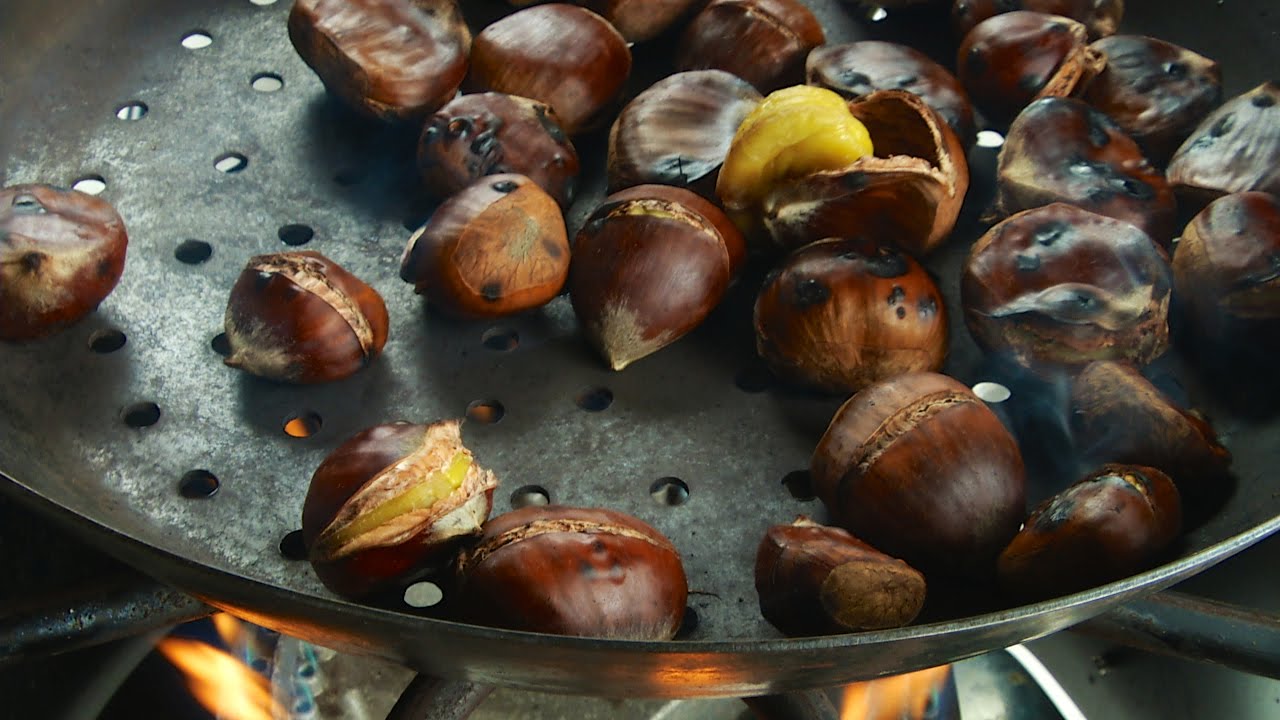
- Use a chestnut roasting pan or a cast iron skillet with holes. If you don’t have one, a regular cast iron skillet works too—just stir more frequently.
- Place the pan over medium heat on the fire.
- Roast the scored chestnuts for 20–30 minutes, shaking or stirring them every few minutes to prevent burning.
- You’ll know they’re ready when the shells start to peel back, and the insides become tender.
- Wrap the hot chestnuts in a towel and let them steam for 10 minutes before peeling.
On a Stovetop:
- Use a heavy-bottomed skillet with a lid.
- Place the pan over medium heat and roast for 15–20 minutes, turning frequently.
- Once they’re cooked, cover and steam as usual to make peeling easier.
The open flame adds a slightly smoky flavor you won’t get from the oven—and the experience is simply more fun if you’re doing it outdoors or at a holiday gathering.
How to Store Roasted Chestnuts
If you somehow manage not to eat them all in one sitting, here’s how to store your roasted chestnuts properly:
- Short-term: Keep peeled chestnuts in an airtight container in the refrigerator for up to 3–4 days.
- Long-term: Freeze them! After peeling, place the chestnuts in a single layer on a baking sheet and freeze. Once frozen, store in ziplock bags or containers for up to 3 months.
To reheat, simply warm them in the oven at 350°F (175°C) for about 10 minutes or microwave for 30 seconds.
Unpeeled roasted chestnuts don’t store well, as the shell traps moisture and they’ll go bad quickly—so peel them before storing.
Serving Suggestions for Roasted Chestnuts
Now that your chestnuts are roasted and ready, how do you serve them? Honestly, the possibilities are endless. But here are some tasty ways to enjoy them:
- Straight Up: Warm, peeled, and lightly salted. Simple and satisfying.
- Drizzle with Butter & Herbs: Toss peeled chestnuts with melted butter, rosemary, and thyme for a savory twist.
- Sweet Version: Add a sprinkle of cinnamon and sugar or drizzle with honey.
- In Stuffing: Perfect for Thanksgiving or Christmas stuffing recipes.
- Chestnut Puree: Blend roasted chestnuts with cream and a little sugar for a decadent dessert spread.
- Add to Soups or Stews: Their texture and flavor go great in hearty winter dishes.
Roasted chestnuts are versatile, cozy, and incredibly satisfying. Whether you’re munching them solo or adding them to recipes, they always bring warmth to the table.
Common Mistakes to Avoid When Roasting Chestnuts
Even though roasting chestnuts is simple, a few common mistakes can mess up your batch. Here’s what NOT to do:
- Not Scoring the Shells: We can’t stress this enough. Unscored chestnuts can literally explode in the oven due to trapped steam.
- Overcooking: Leaving chestnuts in too long can dry them out or make them rock hard.
- Not Letting Them Steam After Roasting: This step helps loosen the inner skin. Skip it, and you’ll struggle to peel them.
- Using Old Chestnuts: Stale or dried chestnuts taste bitter and are hard to peel. Always use fresh ones.
- Not Peeling While Warm: Chestnuts are easiest to peel when they’re hot. Let them cool too much, and the skins will cling for dear life.
Avoid these slip-ups, and you’ll be well on your way to chestnut mastery.
Roasted Chestnuts vs. Boiled Chestnuts – What’s the Difference?
You might be wondering, “Why not just boil them instead of roasting?”
Here’s how the two methods compare:
| Feature | Roasted Chestnuts | Boiled Chestnuts |
|---|---|---|
| Flavor | Rich, nutty, slightly smoky | Mild, softer taste |
| Texture | Slightly crisp shell with tender center | Very soft and moist |
| Ease of Peeling | Easier with proper steaming | Easier but sometimes mushy |
| Best For | Snacking, desserts, stuffing | Purees, soups, spreads |
While boiled chestnuts have their place, especially in recipes like chestnut soup or chestnut puree, roasted chestnuts are the go-to when it comes to flavor and that satisfying bite.
Health Benefits of Eating Chestnuts
Not only are chestnuts delicious, but they’re also packed with nutrients that make them a great addition to your diet. Here are a few health perks:
- Low in Fat: Unlike other nuts, chestnuts are low in fat and calories.
- High in Fiber: Supports digestion and keeps you full longer.
- Rich in Antioxidants: Chestnuts contain vitamin C, ellagic acid, and tannins that help fight free radicals.
- Heart-Healthy: Their potassium content helps regulate blood pressure.
- Gluten-Free: Safe for people with gluten intolerance or celiac disease.
Whether you’re looking for a festive treat or a nutritious snack, chestnuts hit the sweet spot—literally and nutritionally.
FAQs about Roasted Chestnuts Recipe
1. How do I know if my chestnuts are done roasting?
Roasted chestnuts are ready when the shells peel back and the nuts are tender inside. You can test one by peeling it open and checking if it’s soft and golden.
2. Can I roast chestnuts without scoring them?
No! Always score chestnuts before roasting. If you don’t, steam builds up inside the shell and they can explode in your oven.
3. Are roasted chestnuts healthy?
Absolutely. They’re low in fat, high in fiber, and rich in vitamins like C and B6. Plus, they’re gluten-free and make a great winter snack.
4. How long do roasted chestnuts last?
Once peeled, roasted chestnuts will last about 3–4 days in the fridge or up to 3 months in the freezer. Always store them in an airtight container.
5. Can I use a microwave to roast chestnuts?
While not traditional, you can use a microwave. Score the chestnuts, place them in a microwave-safe bowl with a splash of water, cover, and microwave for 2–3 minutes. Just note that the flavor and texture won’t be quite the same.
Conclusion
Roasting chestnuts might seem like an old-fashioned tradition, but once you try it at home, you’ll understand why it’s been a beloved winter ritual for centuries. From picking the perfect chestnuts to scoring, roasting, and peeling them just right—every step is simple, rewarding, and oh-so-worth it.
Whether you’re enjoying them by the fire with family or adding them to your holiday dishes, roasted chestnuts bring a comforting flavor and festive spirit that’s hard to beat.
So the next time you’re looking for a cozy, heartwarming snack—skip the store-bought snacks and roast your own chestnuts. You won’t regret it.