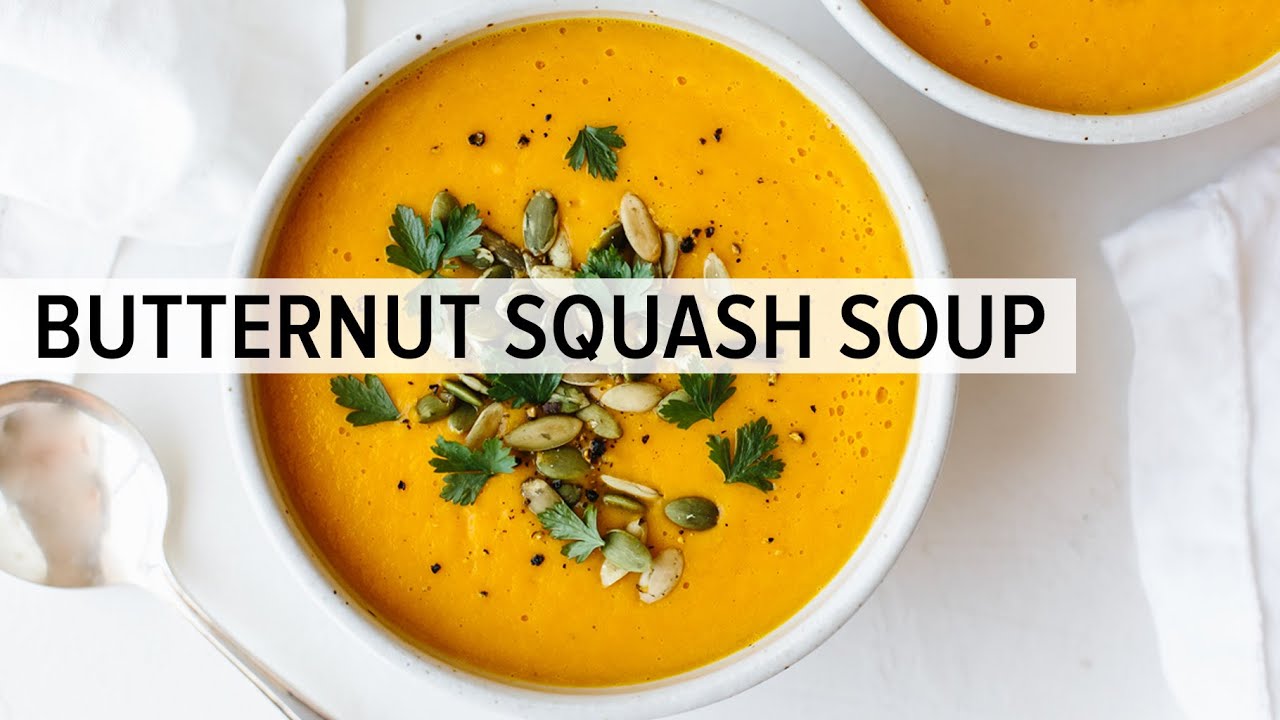
Roasted Butternut Squash Soup Recipe: Roasted butternut squash soup isn’t just a bowl of comfort food — it’s the warm hug your soul craves when the air turns chilly. Whether you’re cuddling under a blanket on a rainy evening or prepping for a holiday dinner, this golden soup adds a little sunshine to your table. With its naturally sweet, nutty flavor and velvety texture, it satisfies your taste buds while sneaking in all kinds of nutrients. Not to mention, it’s incredibly simple to make.
Butternut squash is a powerhouse of vitamins, especially A and C, and its rich orange flesh hints at the beta-carotene goodness within. When roasted, it caramelizes beautifully, intensifying its flavor and giving the soup an irresistibly toasty depth. Ready to learn how to make the best roasted butternut squash soup ever? Let’s get into it.
What Makes Roasted Butternut Squash Soup So Special?
What separates roasted butternut squash soup from the regular boiled version? It’s all in the flavor. Roasting enhances the natural sweetness of the squash, adds a slightly smoky note, and deepens the entire taste profile. Instead of tasting flat or one-dimensional, this soup becomes rich, layered, and just a little bit fancy.
Texture-wise, it’s smooth, creamy, and comforting — like velvet in a bowl. And because butternut squash is so adaptable, it’s the perfect blank canvas. Want it spicy? Add chili flakes. Craving something earthy? Try sage or rosemary. In the mood for something global? Swirl in some coconut milk and curry paste.
This soup isn’t just dinner; it’s a mood.
List of Ingredients You’ll Need
Let’s talk about what you’ll need to bring this cozy masterpiece to life. Here’s a breakdown of the basic and optional ingredients:
Main Ingredients:
- 1 medium butternut squash (about 2.5–3 pounds), peeled, seeded, and cubed
- 2 tablespoons olive oil (for roasting)
- 1 medium yellow onion, chopped
- 2–3 garlic cloves, minced
- 1 medium carrot, peeled and chopped
- 1 celery stalk, chopped (optional for extra depth)
- 4 cups vegetable broth (low sodium preferred)
- Salt and black pepper, to taste
Optional Add-ons:
- 1 teaspoon ground cinnamon or nutmeg (for warmth)
- 1 tablespoon maple syrup or honey (to enhance the natural sweetness)
- 1/2 cup coconut milk or heavy cream (for a creamy finish)
- Fresh thyme or sage (for garnish and added aroma)
- Pumpkin seeds (for crunch on top)
Ingredient Substitutions:
- Use sweet potato in place of squash for a different twist
- Swap olive oil for butter if you’re after a richer flavor
- Replace garlic with roasted garlic for even deeper taste
Tools & Equipment You’ll Need
This soup doesn’t require fancy tools, but having the right equipment makes the process smoother. Here’s what you’ll want on hand:
- A sharp chef’s knife for slicing the squash
- A vegetable peeler
- A cutting board
- A baking sheet (lined with parchment paper)
- A large soup pot or Dutch oven
- A blender (immersion or stand blender)
- Ladle for serving
Pro tip: If you don’t have a blender, you can use a potato masher for a chunkier, rustic version.
How to Choose the Best Butternut Squash
Picking the right squash can make or break your soup. Look for these signs when shopping:
- Color: Choose a squash with a uniform tan or beige color. Avoid any with green spots or blemishes.
- Weight: It should feel heavy for its size — that means it’s juicy and dense.
- Skin: The skin should be matte and hard, not shiny or soft.
Avoid squash with bruises, cuts, or moldy spots. A ripe, healthy butternut squash has a sweet, nutty aroma at the stem.
Preparing Your Ingredients
Prepping the squash is the hardest part of this whole recipe, but don’t worry — we’ve got it step-by-step:
- Peel the squash using a Y-shaped vegetable peeler. Go over it twice if needed.
- Cut off both ends.
- Slice the squash in half lengthwise and scoop out the seeds with a spoon.
- Cut the flesh into 1-inch cubes — they’ll roast evenly that way.
Chop the onions, garlic, carrots, and celery while the squash roasts. This multitasking saves time and helps everything come together faster.
Step-by-Step Guide to Making Roasted Butternut Squash Soup
Here’s the heart of this guide — the step-by-step walk-through that’ll take you from raw squash to spoonfuls of creamy bliss.
Step 1: Roast the Butternut Squash
Peel, seed, and cube the squash. Toss with olive oil, salt, and pepper. Roast at 400°F (200°C) for 30–40 minutes until tender and caramelized.
Step 2: Sauté the Aromatics
In a large pot, heat oil or butter over medium heat. Sauté chopped onion, garlic, and optional ginger or thyme until soft and fragrant.
Step 3: Add Liquids and Simmer
Add the roasted squash to the pot along with vegetable or chicken stock. Bring to a gentle simmer and cook for 10–15 minutes to blend flavors.
Step 4: Blend It to Creamy Perfection
Blend the soup using an immersion blender or countertop blender until smooth. Add cream or coconut milk for extra richness if desired.
Step 5: Season and Serve
Season with salt, pepper, and a pinch of nutmeg. Serve hot with crusty bread or a drizzle of cream.
Tips for Roasting Butternut Squash Perfectly
Roasting butternut squash might seem straightforward, but getting that perfect golden-brown caramelization takes just a bit of know-how. Here are some tips to ensure your squash roasts beautifully every time:
- Cut it evenly: Uniform squash cubes (around 1-inch pieces) roast more evenly and prevent some from burning while others are still raw.
- Don’t overcrowd the pan: Spread the squash out in a single layer on your baking sheet. If the pieces are piled on top of each other, they’ll steam instead of roast. Use two pans if necessary.
- High heat is key: Roasting at 400°F (200°C) helps develop that golden crust. Go higher (425°F) if you like it even more caramelized, but keep an eye on it!
- Flip halfway through: Toss the squash cubes halfway through roasting for an even color on all sides.
- Use parchment paper or foil: It makes cleanup easier and prevents sticking.
Roasting does more than just soften the squash—it brings out a deep, nutty flavor you can’t get from boiling or steaming. Once you try it this way, you’ll never go back.
How to Make the Soup Extra Creamy
If you’re aiming for that ultra-smooth, dreamy texture that feels like velvet on your tongue, these are your best tricks:
1. Use a High-Speed Blender:
A powerful blender creates the silkiest soup. Immersion blenders work well too, but a countertop blender gets the soup extra creamy.
2. Add Creamy Ingredients:
- Coconut milk: Adds richness and a slight tropical twist (great for dairy-free eaters)
- Heavy cream or half-and-half: For classic creaminess
- Cashew cream: Soak raw cashews, blend them with a bit of water, and mix into the soup
3. Don’t Overdo the Broth:
Start with less broth than you think you need. You can always thin it out later if it’s too thick, but it’s much harder to fix a watery soup.
4. Blend in Batches (if needed):
If you’re using a standard blender, don’t fill it to the top. Blend in small batches and remove the cap’s center to allow steam to escape (cover it with a kitchen towel to prevent splashes).
5. Strain for Silky Smoothness:
Want next-level texture? After blending, run the soup through a fine-mesh strainer or sieve for that restaurant-quality finish.
Flavor Boosters You Can Add
Want to level up your soup’s flavor? These optional ingredients give your butternut squash soup some extra personality:
Spices:
- Curry powder or Thai red curry paste: For a warming kick
- Cinnamon, nutmeg, or cloves: Enhance the natural sweetness
- Smoked paprika: Adds a savory depth
Aromatics & Add-ons:
- Fresh ginger: Brightens and adds zip
- Apple: A diced Granny Smith adds sweetness and a hint of tartness
- Roasted garlic: Takes the flavor to a whole new level
Herbs:
- Thyme or sage: Classic pairings with squash
- Cilantro or basil: For a more international twist
Taste as you go and adjust based on your preferences. The beauty of this soup is its versatility—you can make it your own every single time.
Storing and Reheating
Got leftovers? Great—this soup tastes even better the next day. Here’s how to store it properly:
Storage Tips:
- Let the soup cool completely before storing.
- Pour it into an airtight container.
- Keep in the refrigerator for up to 4–5 days.
Reheating Tips:
- Stovetop: Pour into a pot and reheat gently over medium heat. Stir often and add a splash of broth or water if it thickens too much.
- Microwave: Use a microwave-safe bowl, cover with a paper towel or microwave lid, and heat in 1-minute intervals, stirring in between.
Avoid boiling the soup when reheating—especially if you’ve added cream or coconut milk, which can separate.
Freezing Tips
Roasted butternut squash soup freezes like a dream. It’s perfect for batch cooking and meal prepping.
Freezing Instructions:
- Let the soup cool fully.
- Pour into freezer-safe containers or zip-top bags (leave space for expansion).
- Label with the date.
- Freeze for up to 3 months.
Thawing & Reheating:
- Thaw overnight in the fridge or gently defrost in a pot over low heat.
- Stir occasionally and add a little liquid if the texture thickens.
Pro tip: Freeze in individual portions for a quick lunch or dinner!
Serving Suggestions
You’ve made a delicious pot of soup—now let’s dress it up! Here’s how to serve it like a pro:
Toppings:
- A swirl of cream, coconut milk, or yogurt
- Toasted pumpkin seeds or sunflower seeds for crunch
- Croutons or crispy chickpeas
- Fresh herbs like thyme, parsley, or cilantro
Sides That Pair Perfectly:
- Crusty artisan bread or a slice of garlic toast
- Grilled cheese sandwich (classic comfort combo!)
- A fresh green salad with a tangy vinaigrette
For a heartier meal, serve it as a starter followed by roast chicken or a seasonal veggie main.
Butternut Squash Soup Variations
Want to mix it up? Once you’ve nailed the classic, try these creative spins:
1. Spicy Chipotle Version:
- Add chipotle peppers in adobo sauce for smoky heat
2. Thai-Inspired:
- Use coconut milk and red curry paste
- Add lemongrass and ginger for a fragrant twist
3. Apple Butternut Soup:
- Add chopped apple when sautéing the onion
- Finish with a dash of cinnamon or maple syrup
4. Vegan & Gluten-Free Version:
- Use vegetable broth and coconut milk
- Skip any cream or dairy-based garnishes
5. Sage Brown Butter Drizzle:
- Melt butter, add fresh sage leaves, and cook until browned
- Drizzle over the soup just before serving for a flavor bomb
FAQs about Roasted Butternut Squash Soup Recipe
1. Can I make this soup ahead of time?
Absolutely! It actually tastes better after a day or two as the flavors deepen. Just store in the fridge and reheat gently before serving.
2. Can I make this soup without roasting the squash?
Yes, you can boil or steam the squash, but roasting adds a depth of flavor that really elevates the soup.
3. How do I fix a soup that’s too thick?
Add a bit of vegetable broth or water to thin it out until it reaches your desired consistency.
4. Is butternut squash soup healthy?
Yes! It’s full of fiber, vitamins A and C, antioxidants, and is naturally low in fat—especially if you skip the cream.
5. Can I use frozen butternut squash?
Definitely. Just roast it from frozen (don’t thaw), though it may take a little longer. It’s a great time-saver!
Conclusion
Roasted butternut squash soup is the kind of recipe that hits every note — it’s healthy, hearty, flavorful, and comforting. Whether you’re making it for a cozy weeknight dinner, a fancy fall gathering, or meal prep for the week ahead, it’s a guaranteed crowd-pleaser. The natural sweetness of the squash, enhanced by roasting, blends perfectly with savory aromatics and creamy textures. And the best part? You can totally make it your own with spices, toppings, and unique twists.
So go ahead, grab that squash, fire up the oven, and treat yourself to a bowl of pure golden comfort.