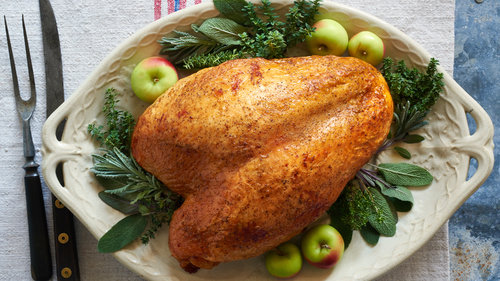
Roast Turkey Breast Recipe: Roast turkey breast is the ultimate dish when you want all the festive flavors of Thanksgiving or Christmas without committing to cooking an entire bird. It’s juicy, flavorful, and much easier to manage than roasting a whole turkey. Perfect for smaller gatherings, weeknight dinners, or holiday meals when you don’t need to feed a huge crowd, turkey breast is both convenient and delicious.
Unlike the whole bird, turkey breast cooks faster, requires less oven space, and still delivers that golden, crispy skin and tender meat we all crave. It’s also a leaner cut of meat, which makes it a healthier protein option while still being satisfying. Whether you’re a beginner in the kitchen or a seasoned cook, this recipe is simple, straightforward, and guarantees impressive results.
In this guide, we’ll go step by step—from choosing your turkey breast, preparing it, seasoning it, roasting it perfectly, and finally serving it with style. Along the way, you’ll get pro tips to ensure your turkey breast stays moist, flavorful, and absolutely irresistible. Let’s dive in!
Ingredients You’ll Need
Before you start cooking, gather everything you need. Having all your ingredients prepared makes the process smoother and stress-free. Here’s what you’ll need for a classic roast turkey breast:
Essential Ingredients
- 1 whole turkey breast (4–6 pounds, bone-in or boneless)
- 4 tablespoons unsalted butter, softened
- 4 garlic cloves, minced
- 1 tablespoon fresh rosemary, chopped
- 1 tablespoon fresh thyme, chopped
- 1 tablespoon fresh sage, chopped
- 1 teaspoon paprika
- 1 teaspoon salt (or to taste)
- ½ teaspoon black pepper
- 1 lemon (zested and halved)
- 1 medium onion, quartered
- 1 cup chicken or turkey broth (for roasting pan)
Optional Add-ons for Extra Flavor
- Olive oil (as a butter substitute if preferred)
- Carrots and celery (to roast alongside for flavor base)
- Fresh parsley for garnish
- A splash of white wine in the roasting pan for depth of flavor
These ingredients are flexible—you can keep it classic with just butter, garlic, and herbs, or get creative with spices like Cajun seasoning, citrus zest, or even a honey glaze for a slightly sweet touch.
Choosing the Right Turkey Breast
Picking the right turkey breast is key to making this recipe a success. The two main types available are fresh and frozen.
- Fresh turkey breast: Convenient because it requires no thawing, but usually costs more. Great if you’re planning to cook within a day or two.
- Frozen turkey breast: More budget-friendly and widely available, but requires proper thawing before cooking.
How to Thaw Frozen Turkey Breast
Thawing correctly is essential for food safety and even cooking. The best method is to thaw your turkey breast in the refrigerator. Plan for 24 hours of thawing time per 4 pounds of turkey breast. For example, a 6-pound breast will take about 1.5 days to thaw completely.
If you’re short on time, you can also thaw it in cold water. Submerge the turkey breast (sealed in packaging) in a sink or large bowl of cold water, changing the water every 30 minutes. This method usually takes 30 minutes per pound.
Preparing the Turkey Breast
Preparation is where the magic begins. Here’s what you should do before roasting:
- Clean and Trim: Remove the turkey breast from its packaging and pat it dry with paper towels. Trim off excess skin or fat if needed.
- Brining (Optional but Recommended): Brining adds moisture and flavor. You can either do a wet brine (soaking in saltwater solution overnight) or a dry brine (rubbing with salt and letting it rest uncovered in the fridge for 12–24 hours).
- Seasoning: Even if you skip brining, generously season your turkey breast. Rubbing butter and herbs under the skin ensures the flavors seep deep into the meat.
Pro tip: Gently loosen the skin with your fingers to create pockets for butter and herbs. This ensures every bite is juicy and bursting with flavor.
Essential Kitchen Tools
You don’t need a professional kitchen setup, but a few key tools will make your roast turkey breast turn out perfectly:
- Roasting pan with rack: Keeps the turkey elevated so heat circulates evenly.
- Meat thermometer: The most important tool for ensuring your turkey breast is perfectly cooked without drying out.
- Sharp carving knife: Makes slicing neat and easy.
- Aluminum foil: Useful for tenting the turkey if the skin browns too quickly.
If you don’t have a roasting pan, you can improvise with a baking dish lined with vegetables (like carrots, onions, and celery) to elevate the turkey. They’ll also add extra flavor to your drippings!
Step-by-Step Guide to Roasting Turkey Breast
Roasting a turkey breast isn’t complicated, but timing and technique make all the difference. Let’s go step by step so you get golden-brown skin and tender, juicy meat every single time.
Step 1: Preheating Oven and Preparing Pan
Start by preheating your oven to 350°F (175°C). This temperature is perfect for slow, even cooking, allowing the turkey breast to roast without drying out. While the oven heats up, prepare your roasting pan. Place a rack inside the pan to elevate the turkey breast. If you don’t have a rack, you can use a bed of carrots, onions, and celery. Not only will these vegetables prevent the turkey from sitting in its juices, but they’ll also infuse flavor into the drippings, which you can later use for gravy.
Pour 1 cup of chicken or turkey broth into the bottom of the pan. This step helps keep the oven moist, preventing the meat from drying out.
Step 2: Seasoning the Turkey Breast
Pat the turkey breast completely dry with paper towels. This is crucial because moisture on the skin will prevent it from crisping up. Next, mix softened butter with garlic, rosemary, thyme, sage, paprika, salt, and pepper. Carefully loosen the skin from the turkey meat with your fingers and spread half the butter mixture underneath the skin. Rub the remaining butter all over the outside of the turkey breast. This ensures flavor inside and out while also helping the skin turn golden and crisp.
Stuff the cavity or surrounding space with lemon halves, onion quarters, and any leftover herbs. These aromatics will release flavor as the turkey roasts.
Step 3: Roasting Process (Time & Temperature)
Place the turkey breast on the rack, skin side up, and slide it into your preheated oven. Roast uncovered for about 20 minutes per pound. For example, a 6-pound turkey breast will take roughly 2 hours. Keep in mind that ovens vary, so always rely on a meat thermometer rather than just the clock.
About halfway through cooking, baste the turkey breast with pan juices. This extra step keeps the meat moist and adds flavor to the skin.
Step 4: Checking Internal Temperature
The most important step in this process is ensuring your turkey breast is cooked to perfection. Insert a meat thermometer into the thickest part of the breast, avoiding bone if you’re using a bone-in cut. The turkey is done when it reaches 165°F (74°C).
If the skin is browning too quickly before the turkey is fully cooked, cover it loosely with a piece of aluminum foil. This prevents burning while allowing the meat to continue cooking.
Step 5: Resting Before Carving
Once your turkey breast reaches the correct temperature, remove it from the oven and let it rest for at least 15–20 minutes before carving. Resting is essential because it allows the juices to redistribute throughout the meat, preventing dryness when slicing.
How Long to Roast Turkey Breast
Cooking time depends on the size and type of turkey breast. Here’s a simple guideline:
| Turkey Breast Weight | Bone-In Roast Time | Boneless Roast Time |
|---|---|---|
| 3–4 lbs | 1 hr 15 min – 1 hr 30 min | 1 hr – 1 hr 15 min |
| 5–6 lbs | 1 hr 45 min – 2 hr 15 min | 1 hr 30 min – 2 hr |
| 7–8 lbs | 2 hr 30 min – 3 hr | 2 hr – 2 hr 30 min |
Tip: Always use a thermometer. Cooking times can vary depending on your oven, altitude, and whether the turkey breast is bone-in or boneless.
Seasoning Variations
While the classic herb butter turkey breast is always a hit, you can switch things up depending on your taste. Here are some flavor variations:
Classic Herb Butter Mix
- Butter, garlic, rosemary, thyme, sage, paprika, lemon zest
- Perfect for traditional holiday flavors
Citrus & Garlic Flavor
- Olive oil, orange zest, lemon slices, garlic, parsley
- Refreshing, light, and slightly tangy
Spicy Cajun Style
- Butter, Cajun seasoning, smoked paprika, garlic powder, cayenne pepper
- Adds a bold, smoky, and spicy kick
Honey Mustard Glaze
- Honey, Dijon mustard, butter, garlic
- Sweet and savory balance that pairs beautifully with roasted vegetables
Mediterranean Twist
- Olive oil, oregano, basil, garlic, sundried tomato paste
- Brings bright, earthy flavors to your turkey
Experiment with these variations depending on your side dishes or occasion.
Serving Suggestions
A perfectly roasted turkey breast deserves equally delicious side dishes. Here are some classic and creative ideas:
- Classic Thanksgiving Style: Mashed potatoes, stuffing, cranberry sauce, and gravy.
- Light & Healthy Option: Roasted vegetables, green salad with vinaigrette, and quinoa.
- Comfort Meal: Mac and cheese, garlic bread, and sautéed green beans.
- Elegant Dinner Party: Wild rice pilaf, roasted Brussels sprouts, and a red wine reduction sauce.
Don’t forget the gravy! You can make it from the pan drippings by adding flour and broth to create a smooth, flavorful sauce. Garnish the sliced turkey breast with fresh herbs like parsley or thyme for a beautiful presentation.
Tips for Juicy Turkey Breast
Nobody wants dry turkey! Here are the top tips to keep it juicy:
- Brine if Possible: Even a quick dry brine (rubbing with salt and resting overnight) makes a huge difference.
- Use Butter or Oil: Fat helps keep the meat moist and flavorful.
- Cook at the Right Temperature: Low and slow at 350°F is better than blasting it at high heat.
- Don’t Overcook: Stop cooking when the thermometer reads 165°F.
- Rest Before Carving: Letting it rest allows the juices to reabsorb.
Think of turkey breast like a sponge—cutting it too soon squeezes all the juices out. Resting keeps it tender and succulent.
Storage & Leftovers
One of the best things about roasting turkey breast is the leftovers. If stored properly, you can enjoy it for several days after cooking without losing flavor or moisture.
Storing in the Refrigerator
Once your turkey breast has cooled to room temperature (within 2 hours of cooking), slice or shred the meat and store it in an airtight container. Refrigerated turkey breast lasts for about 3–4 days. Keeping the meat in smaller, portion-sized containers helps with quick meal prep.
Freezing for Longer Storage
If you want to save it for later, freezing is a great option. Wrap individual portions tightly in plastic wrap or aluminum foil, then place them in a freezer-safe bag or container. Turkey breast can last up to 3 months in the freezer. To prevent freezer burn, press out as much air as possible before sealing.
Reheating Without Drying Out
When reheating, avoid the microwave if possible, as it tends to dry out lean meats like turkey breast. Instead:
- Reheat in a covered dish in the oven at 300°F (150°C) with a splash of broth to restore moisture.
- On the stovetop, gently warm slices in a skillet with a bit of butter or olive oil.
- For quick reheating, use the microwave but cover with a damp paper towel to lock in moisture.
Leftover turkey breast is versatile—you can turn it into sandwiches, wraps, soups, casseroles, or even stir-fries.
Common Mistakes to Avoid
Even experienced cooks can make mistakes when roasting turkey breast. Avoid these common pitfalls to guarantee success:
1. Overcooking the Meat
This is the number one mistake. Turkey breast is lean, meaning it dries out quickly if left in the oven too long. Always rely on a meat thermometer instead of guessing by time.
2. Skipping the Seasoning
Turkey breast has a mild flavor, so it needs bold seasoning to shine. Don’t just sprinkle salt and pepper on the outside—rub herbs and butter under the skin for deeper flavor.
3. Forgetting to Rest
Cutting into the turkey too soon causes juices to escape, leaving the meat dry. Rest for at least 15–20 minutes before slicing.
4. Not Using Enough Fat
Because turkey breast is naturally lean, adding butter or oil is essential for keeping it juicy and flavorful.
5. Relying on the Pop-Up Timer
Some turkey breasts come with built-in pop-up timers, but they aren’t always accurate. Trust your meat thermometer instead—it’s far more reliable.
By avoiding these mistakes, you’ll end up with a roast turkey breast that’s tender, juicy, and absolutely delicious every time.
Roast Turkey Breast for Holidays
During Thanksgiving or Christmas, most families roast a whole turkey, but not everyone needs or wants such a large bird. That’s where turkey breast comes in—it’s the perfect solution for smaller gatherings.
Why It’s a Great Alternative
- Faster Cooking Time: A whole turkey can take 4–6 hours, but a turkey breast usually takes 1.5–3 hours.
- Less Stress: Easier to handle, carve, and serve.
- Perfect for Small Families: Ideal for gatherings of 4–6 people without excessive leftovers.
- Customizable: You can experiment with different seasoning styles depending on your holiday menu.
Holiday Pairings
Pair your turkey breast with classic sides like stuffing, cranberry sauce, mashed potatoes, roasted vegetables, and gravy for that holiday feel. Or, if you want something different, try serving it with wild rice pilaf, roasted butternut squash, or even a festive salad with pomegranate seeds.
Roast turkey breast is also great for Friendsgiving or smaller dinner parties when you still want that “holiday vibe” without the fuss of roasting an entire turkey.
Healthy Benefits of Turkey Breast
Beyond being delicious, turkey breast is packed with nutrition, making it a great choice for health-conscious eaters.
Low in Fat, High in Protein
Turkey breast is leaner than many other meats, especially compared to beef or pork. A 3-ounce serving contains about 26 grams of protein and only 1–2 grams of fat, making it ideal for anyone looking to build muscle or maintain a healthy diet.
Rich in Vitamins and Minerals
- B Vitamins (B6 & B12): Support energy production and brain function.
- Niacin (B3): Helps with metabolism and skin health.
- Selenium & Zinc: Boosts the immune system and supports thyroid function.
Heart-Healthy Choice
Because turkey breast is low in saturated fat, it’s considered a heart-healthy protein option when compared to red meat.
Great for Meal Prep
Its mild flavor makes it versatile for a variety of dishes—sandwiches, salads, soups, and stir-fries—all while keeping calories low and nutrition high.
In short, roast turkey breast isn’t just a tasty holiday dish; it’s also a smart, healthy protein that can fit into any diet.
FAQs about Roast Turkey Breast Recipe
1. Can I cook turkey breast in a slow cooker?
Yes! A slow cooker works wonderfully for turkey breast. Season as usual, add broth, and cook on low for 6–7 hours or until it reaches 165°F.
2. How do I keep turkey breast moist?
Brining, basting, and not overcooking are the keys. Adding butter or oil under the skin also helps lock in moisture.
3. What size turkey breast should I buy for my family?
Plan on ¾ to 1 pound per person. For 6 people, a 6-pound turkey breast is ideal.
4. Can I stuff a turkey breast?
Yes, you can butterfly a boneless turkey breast, stuff it with herbs, vegetables, or stuffing, then roll and tie it before roasting.
5. How do I make gravy from the drippings?
After roasting, strain the pan drippings. In a saucepan, whisk 2 tablespoons of flour into 2 tablespoons of butter, then slowly add the drippings and broth until smooth and thickened.
Conclusion
Roasting a turkey breast is a straightforward way to bring festive flavors to your table without the stress of cooking a whole bird. With the right preparation, proper seasoning, and careful cooking, you can achieve golden, crispy skin and juicy, flavorful meat every time.
Whether you’re making it for Thanksgiving, Christmas, or just a cozy family dinner, roast turkey breast is versatile, nutritious, and always a crowd-pleaser. Don’t forget to experiment with different seasonings and serve it with your favorite sides for a memorable meal.