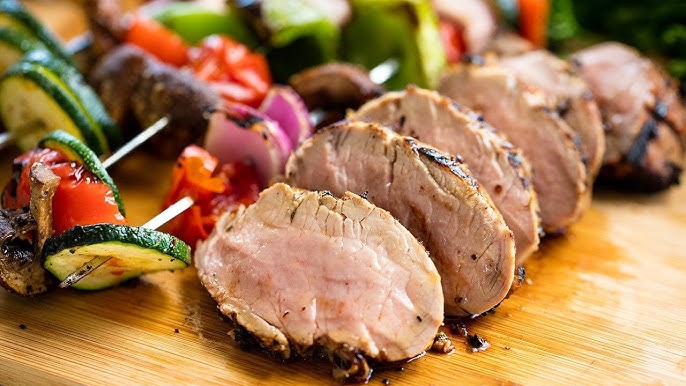
Roast Pork Tenderloin Recipe: There’s something magical about a beautifully roasted pork tenderloin. It’s juicy, tender, packed with flavor, and surprisingly easy to prepare even if you’re not a seasoned cook.
Whether you’re cooking a casual weeknight dinner or hosting a dinner party, this recipe will quickly become a favorite in your kitchen.
So, grab your apron, and let’s dive into everything you need to know to roast the perfect pork tenderloin—from ingredients to slicing it like a pro.
Why Roast Pork Tenderloin Is a Go-To Dish
If you’re looking for a reliable and elegant meal that doesn’t take hours to make, pork tenderloin is your answer. This lean cut of pork is not only quick to cook but also incredibly versatile. You can dress it up with herbs, glazes, or marinades, and it pairs well with almost any side dish—from roasted veggies to mashed potatoes or even a fresh salad. Plus, it’s budget-friendly and cooks faster than other roasts, making it a top-tier option for both beginners and seasoned chefs.
What makes it even more appealing is how well it absorbs flavor. Whether you like it spicy, tangy, sweet, or savory, pork tenderloin is like a blank canvas. Add to that its low fat content and high protein value, and you’ve got a healthy meal that doesn’t compromise on taste. No wonder it’s become a regular on dinner tables around the world.
What Makes Pork Tenderloin So Special?
Not to be confused with pork loin, the tenderloin is a smaller, thinner cut that comes from the muscle that runs along the backbone. It’s incredibly tender because it gets very little exercise, and when cooked correctly, it literally melts in your mouth.
Here’s why it stands out:
- Tender Texture: As the name implies, it’s one of the most tender cuts.
- Quick Cooking: You can go from raw to ready in about 30–35 minutes.
- Low in Fat: It’s lean but doesn’t dry out if cooked right.
- Flexible Flavor Profile: Goes well with sweet, savory, or spicy seasonings.
All these qualities make pork tenderloin a true MVP in your kitchen.
Ingredients You’ll Need
Before we get cooking, let’s talk about what you’ll need. Keeping it simple is key here, but adding the right flavors makes all the difference.
Essential Ingredients
- 1–1.5 lbs pork tenderloin (trimmed)
- 2 tablespoons olive oil
- 3 cloves garlic, minced
- 1 teaspoon salt
- ½ teaspoon black pepper
- 1 teaspoon dried thyme
- 1 teaspoon rosemary (dried or fresh)
- 1 tablespoon Dijon mustard
- 1 tablespoon balsamic vinegar
Optional Add-Ons for Extra Flavor
- Honey or brown sugar (for a touch of sweetness)
- Paprika or chili flakes (for heat)
- Soy sauce (adds umami)
- Fresh lemon zest (for brightness)
- Apple cider or juice (great for marinating)
Using these basic ingredients, you can already create a roast that’s bursting with flavor. If you’re up for experimenting, mix and match with the optional ingredients!
Choosing the Right Pork Tenderloin
Not all pork tenderloins are the same. Here’s what to look for at the store:
- Size Matters: Look for cuts between 1 to 1.5 lbs. Larger ones might be pork loin.
- Color and Texture: Choose meat that’s pinkish-red with fine marbling. Avoid pale or dry-looking pieces.
- Avoid Pre-Marinated: These often have additives. Season it yourself for better flavor control.
Also, check if the tenderloin has a silver skin—a thin, silvery membrane. If it’s there, you’ll want to trim it off before cooking for the best texture.
How to Prep Your Pork Tenderloin
Preparing your tenderloin the right way ensures it cooks evenly and stays juicy.
Trimming the Silver Skin
Silver skin doesn’t break down while cooking, so it’s best to remove it:
- Use a sharp paring knife.
- Slide the blade just under the silver skin.
- Gently cut along its length, pulling it away as you go.
This step might seem small, but it makes a big difference in texture.
Marinating for Maximum Flavor
While it’s not required, marinating your pork tenderloin gives it a major flavor boost. You can marinate it for as little as 30 minutes or up to 24 hours.
Here’s a simple marinade to try:
- 2 tablespoons olive oil
- 1 tablespoon Dijon mustard
- 2 cloves garlic, minced
- 1 teaspoon dried herbs (thyme or rosemary)
- Salt & pepper to taste
Place everything in a zip-lock bag, add the pork, and refrigerate. The longer it sits, the deeper the flavor.
Perfect Marinade Ideas
Switch things up with these mouth-watering marinade ideas.
Classic Herb and Garlic Marinade
- 3 cloves garlic (minced)
- 2 tbsp olive oil
- 1 tsp each: rosemary, thyme
- 1 tbsp lemon juice
- Salt and pepper
Spicy Mustard Marinade
- 1 tbsp Dijon mustard
- 1 tbsp whole grain mustard
- 1 tbsp olive oil
- 1 tsp honey
- 1 tsp crushed chili flakes
Asian-Inspired Marinade
- 2 tbsp soy sauce
- 1 tbsp sesame oil
- 1 tsp grated ginger
- 1 tsp honey
- 1 clove garlic (minced)
Marinate for at least 1 hour for best results, or overnight for a flavor explosion!
Tools You’ll Need in the Kitchen
Cooking pork tenderloin doesn’t require fancy gear. Here’s what helps:
- Cast iron skillet or oven-safe pan
- Meat thermometer
- Cutting board
- Sharp knife
- Aluminum foil
- Tongs
If you don’t have a cast iron skillet, any pan that can go from stove to oven will do. Just make sure it holds heat well for that perfect sear.
Step-by-Step Guide to Cooking Pork Tenderloin
Here comes the fun part—cooking your pork tenderloin! Let’s break it down step by step.
Step 1: Preheat Your Oven
Set your oven to 400°F (200°C). This high temperature helps develop a nice crust while keeping the inside juicy.
Step 2: Season the Pork
Remove your pork from the marinade or pat it dry if not marinating. Then rub it down with your spice mix or olive oil blend.
Make sure to:
- Cover all sides evenly
- Massage the seasonings in
- Let it sit at room temp for 15 mins
Step 3: Sear It Right
Heat 2 tablespoons of oil in your skillet over medium-high heat. Once hot, sear the pork for 2–3 minutes per side until it’s golden brown all around.
Searing locks in juices and builds that gorgeous crust everyone loves.
Step 4: Oven Roast to Perfection
Transfer the skillet directly into your preheated oven. Roast for 15–20 minutes, depending on the thickness.
You’re aiming for an internal temperature of 145°F (63°C).
Step 5: Rest Before Slicing
Remove from the oven and loosely tent with foil. Let it rest for 5–10 minutes before slicing. This redistributes the juices, keeping your pork tender and flavorful.
Internal Temperature Guide
One of the most crucial parts of cooking pork tenderloin is getting the temperature just right. Overcook it, and it becomes dry and chewy. Undercook it, and it might not be safe to eat. That’s why a meat thermometer isn’t optional—it’s essential.
Here’s what to aim for:
| Doneness | Internal Temperature | Resting Temperature |
|---|---|---|
| Medium-Rare | 145°F (63°C) | 150°F (65°C) |
| Medium | 150°F (65°C) | 155°F (68°C) |
| Medium-Well | 155°F (68°C) | 160°F (71°C) |
According to the USDA, pork is safe to eat at 145°F (63°C) as long as it has had a rest time of 3 minutes. During the resting time, it continues to cook slightly and juices settle evenly inside.
Pro Tip: Insert the thermometer into the thickest part of the tenderloin for an accurate reading. Avoid touching bone or fat.
How Long to Cook Pork Tenderloin
The cooking time depends on the size and thickness of your pork tenderloin. As a general rule:
- 1 lb tenderloin takes about 18–20 minutes at 400°F (200°C)
- 1.5 lbs will take 22–25 minutes
Use time as a guide, not a rule. Always rely on internal temperature to confirm doneness. Also, remember that searing first cuts oven time, so if you skipped the sear, you may need an extra 5–10 minutes in the oven.
Best Sides to Serve With Roast Pork Tenderloin
This dish pairs beautifully with all sorts of side dishes, making it incredibly versatile. Whether you want a full comfort food spread or a light, balanced plate—there’s a pairing for you.
Vegetables
- Roasted Brussels Sprouts: Toss with olive oil, salt, and a touch of balsamic vinegar.
- Garlic Green Beans: A quick sauté with garlic and butter.
- Honey Glazed Carrots: Sweet, tender, and a nice contrast to the savory pork.
Starches
- Mashed Potatoes: Creamy mashed potatoes with a bit of garlic are classic.
- Wild Rice or Brown Rice: Adds a nutty flavor and healthy fiber.
- Sweet Potato Wedges: Oven-roasted with cinnamon or paprika.
Sauces
- Apple Compote: A sweet contrast that complements pork.
- Balsamic Reduction: Adds depth and tang.
- Gravy: Made from the pan drippings—can’t go wrong!
You can mix and match based on the flavors in your marinade. A citrusy marinade pairs well with roasted veggies, while a mustard-glazed pork goes great with creamy mash or green beans.
Tips to Make It Juicy and Flavorful Every Time
Want that perfect pork every time? Follow these expert-level tips:
- Don’t Skip the Sear – Locks in moisture and adds rich, caramelized flavor.
- Use a Meat Thermometer – The only foolproof way to avoid over or undercooking.
- Let it Rest – This isn’t optional. Cutting too early makes juices run out.
- Avoid Over-Marinating – Acidic marinades can make the meat mushy if left too long.
- Cook at High Heat – A hot oven (400°F) gives a golden crust and cooks evenly.
Bonus Tip: If you’re cooking for guests, prep ahead. Marinate the night before, and it’s ready to sear and roast when needed.
Common Mistakes to Avoid
It’s easy to make small mistakes that lead to a less-than-stellar result. Let’s go over what not to do:
- Skipping the Trim: That silver skin? It’ll ruin your texture if left on.
- Guessing the Temperature: Use a thermometer. Always.
- Overcooking: Pork tenderloin cooks quickly. Don’t wander off!
- Cutting Right Away: Let it rest. Just 10 minutes makes a huge difference.
- Using Cold Meat: Let your tenderloin sit at room temp for 20–30 minutes before cooking for more even results.
Avoid these, and you’re well on your way to pork perfection!
How to Store and Reheat Leftovers
Got leftovers? Great! Pork tenderloin stores well and tastes amazing the next day.
To Store:
- Place slices in an airtight container.
- Refrigerate for up to 3–4 days.
To Freeze:
- Wrap tightly in foil or freezer bags.
- Best within 2–3 months.
To Reheat:
- Microwave: Cover with a damp paper towel and heat for 1–2 minutes.
- Oven: Wrap in foil and warm at 300°F (150°C) for 10–15 minutes.
- Stovetop: Sauté in a little broth or butter until heated through.
Pro Tip: Add a splash of water or broth when reheating to prevent drying out.
Variations and Customizations
Feeling adventurous? Try these delicious twists on the classic roast pork tenderloin.
Stuffed Pork Tenderloin
Slice open the tenderloin like a book and stuff it with:
- Spinach and cream cheese
- Apple and walnut stuffing
- Mozzarella, sundried tomato, and basil
Roll it up, secure with kitchen twine, sear, then bake. Impressive and delicious!
Glazed Pork Tenderloin
Glazes give a shiny, flavorful finish. Try these ideas:
- Honey Garlic Glaze: Equal parts honey, soy sauce, and garlic.
- Maple Mustard Glaze: Mix maple syrup, Dijon, and vinegar.
- Teriyaki Glaze: For an Asian twist with sesame seeds.
Apply glaze in the last 5 minutes of roasting to prevent burning.
Nutritional Information
Here’s a general idea of what you’re getting in a 4 oz (113g) serving of roasted pork tenderloin (without sauce):
- Calories: 120–140
- Protein: 22g
- Fat: 3g
- Carbs: 0g (without glaze or sides)
- Iron: 6% of daily value
It’s a lean protein powerhouse, perfect for anyone watching fat and calories while still enjoying a hearty meal.
FAQs about Roast Pork Tenderloin Recipe
1. Can I cook pork tenderloin in an air fryer?
Yes! Air fry at 400°F for about 18–20 minutes, turning halfway through. Always check internal temperature.
2. What’s the difference between pork loin and pork tenderloin?
Pork loin is wider, thicker, and less tender. Pork tenderloin is smaller, leaner, and cooks faster.
3. How do I keep pork tenderloin from drying out?
Don’t overcook it. Sear before roasting, and always let it rest before slicing.
4. Can I marinate pork tenderloin overnight?
Absolutely. 12–24 hours is ideal, especially for bold marinades. Just avoid too much acid which can break down the meat.
5. Is pork tenderloin healthy?
Yes! It’s one of the leanest pork cuts, low in fat and high in protein.
Conclusion
Roast pork tenderloin is a fantastic dish that combines flavor, nutrition, and simplicity. With the right prep, seasoning, and cooking method, you can turn this affordable cut into a restaurant-worthy meal right in your own kitchen. Whether you go classic with herbs and garlic or bold with spicy glazes, this dish adapts beautifully to your taste and style.
Now that you’ve got the step-by-step guide, all that’s left is to grab that tenderloin and get roasting!