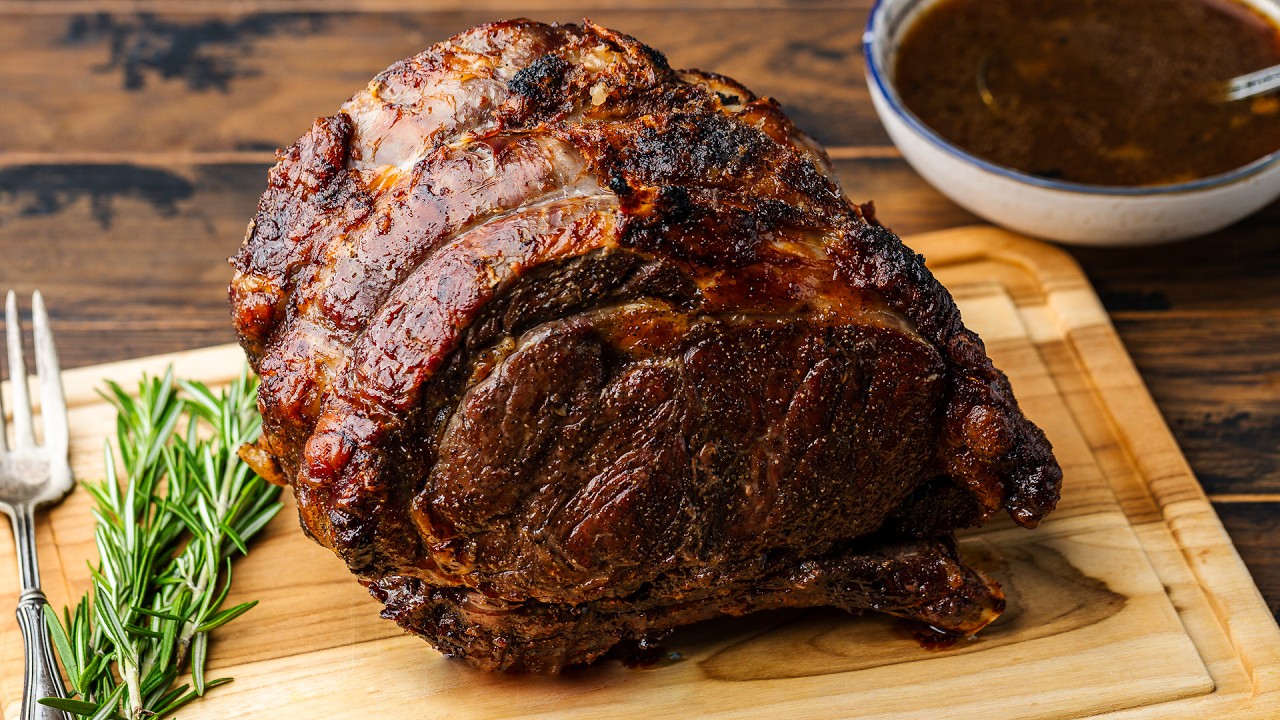
Rib Eye Roast Recipe: When it comes to show-stopping meals that combine tenderness, juiciness, and rich flavor, few dishes can compete with a perfectly cooked rib eye roast. This cut of beef is highly prized for its marbling and buttery texture, making it a centerpiece-worthy dish for holidays, family gatherings, or even a cozy weekend feast. If you’ve ever wanted to master the art of preparing rib eye roast, this guide will take you through every detail — from ingredients and preparation to cooking techniques and serving suggestions.
Introduction to Rib Eye Roast
A rib eye roast is essentially the rib section of the cow, cooked whole instead of cut into steaks. It’s sometimes referred to as prime rib (though technically, prime rib refers to the grade, not just the cut). This roast is loved worldwide for its ability to stay tender and flavorful when cooked properly.
Why Rib Eye Roast is a Classic Dish
Rib eye roast has been a traditional centerpiece at holiday dinners for centuries. Its balance of tenderness and robust beef flavor makes it versatile and crowd-pleasing. The heavy marbling ensures juiciness, while the outer fat cap helps baste the meat as it cooks. Unlike leaner cuts, rib eye doesn’t dry out easily, making it a forgiving choice for home cooks.
Perfect Occasions to Serve Rib Eye Roast
- Christmas or Thanksgiving dinner
- Anniversary celebrations
- Sunday family meals
- Dinner parties with friends
Whether you’re celebrating a special moment or just want to indulge in a hearty meal, rib eye roast always delivers a sense of occasion.
Ingredients You’ll Need
The beauty of rib eye roast lies in its simplicity. With the right ingredients, you can bring out the natural flavors of the beef without overpowering it.
Main Ingredients for Rib Eye Roast
- Rib eye roast (bone-in or boneless, 4–6 pounds) – the star of the dish.
- Olive oil or butter – to help create a golden crust.
- Kosher salt – enhances the natural beef flavor.
- Freshly ground black pepper – adds depth and spice.
Recommended Seasonings and Herbs
- Garlic cloves (freshly minced or powder)
- Fresh rosemary and thyme sprigs
- Onion powder for subtle sweetness
- Paprika for a hint of smokiness
Optional Ingredients for Extra Flavor
- Red wine (for basting or making gravy)
- Dijon mustard (creates a tangy crust)
- Beef broth (to keep the meat moist while roasting)
- Horseradish cream (classic serving condiment)
With just a handful of these ingredients, you can prepare a roast that is bursting with flavor, while still letting the natural taste of the rib eye shine through.
Tools and Equipment Required
Cooking rib eye roast doesn’t require fancy gadgets, but a few key tools can make the process easier and ensure perfect results.
Must-Have Kitchen Tools
- Roasting pan with rack – allows air to circulate around the meat.
- Meat thermometer (digital preferred) – ensures accurate doneness.
- Sharp carving knife – essential for clean slices.
- Cutting board (with grooves for juices) – prevents mess while carving.
Useful Extras for Better Results
- Cast iron skillet – perfect for searing before roasting.
- Basting brush – to spread butter, oil, or seasoning evenly.
- Aluminum foil – to tent the roast during resting.
- Kitchen twine – to tie up the roast for even cooking.
Having these tools ready before you begin makes the cooking process smooth and stress-free, ensuring you don’t scramble mid-cook for missing equipment.
Preparing the Rib Eye Roast
Preparation is just as important as cooking when it comes to rib eye roast. Proper prepping ensures the meat cooks evenly and develops maximum flavor.
Choosing the Best Cut of Rib Eye
When shopping for a rib eye roast, look for good marbling (thin streaks of fat throughout the meat). This fat melts during cooking, keeping the roast juicy and flavorful. You can choose between:
- Bone-in rib eye roast – more flavor, dramatic presentation.
- Boneless rib eye roast – easier to carve, slightly quicker cooking.
Always buy from a trusted butcher or high-quality grocery store to ensure freshness.
Prepping the Meat Before Cooking
- Remove the roast from the refrigerator at least 1–2 hours before cooking to bring it to room temperature.
- Pat the meat dry with paper towels — a dry surface helps form a better crust.
- Trim excess fat, but leave a thin layer to keep the meat moist.
Marinating vs. Dry Rub – Which is Better?
- Marinades – Infuse flavor deep into the meat, great if you’re using bold spices or acidic components like wine or vinegar.
- Dry Rubs – Create a flavorful crust, often preferred for rib eye since the meat is naturally flavorful.
Most chefs recommend a simple dry rub of salt, pepper, garlic, and herbs to highlight the natural richness of the beef.
Step-by-Step Guide to Cooking Rib Eye Roast
Now comes the exciting part: cooking your rib eye roast to perfection. Follow this method carefully for juicy, flavorful results every time.
Step 1 – Bringing Meat to Room Temperature
Taking the roast out early prevents the outer layers from overcooking before the inside is done. A room-temperature roast cooks more evenly, leading to a juicier result.
Step 2 – Seasoning the Rib Eye Roast
Coat the roast with olive oil or softened butter, then generously season all sides with salt, pepper, garlic, rosemary, and thyme. Don’t be shy — seasoning is what builds flavor.
Step 3 – Searing for Maximum Flavor
Before roasting, sear the rib eye in a hot cast-iron skillet for 3–4 minutes per side until golden brown. This locks in juices and gives a delicious crust.
Step 4 – Roasting in the Oven
- Preheat oven to 450°F (232°C).
- Roast uncovered for 15 minutes at this high heat to form a crust.
- Reduce oven temperature to 325°F (163°C) and continue roasting until internal temperature reaches desired doneness:
- Rare: 120°F (49°C)
- Medium Rare: 130°F (54°C)
- Medium: 140°F (60°C)
- Medium Well: 150°F (65°C)
Step 5 – Resting and Carving the Roast
Once done, remove the roast and cover loosely with foil. Let it rest for 20–30 minutes to allow juices to redistribute. Carve against the grain for tender slices and serve immediately.
Perfect Side Dishes to Pair with Rib Eye Roast
No rib eye roast dinner is complete without the right side dishes. The beauty of this roast is that it pairs well with both traditional and creative accompaniments. The right sides balance the richness of the beef, elevate the meal, and make the whole dining experience memorable.
Classic Potato Side Dishes
Potatoes and beef are a timeless duo. Their creamy, buttery flavor complements the savory, juicy bite of rib eye roast. Some popular potato options include:
- Garlic Mashed Potatoes – Smooth, fluffy, and flavored with roasted garlic and cream.
- Roasted Baby Potatoes – Crispy on the outside, tender inside, seasoned with rosemary and olive oil.
- Potato Gratin – Thinly sliced potatoes layered with cream and cheese, baked until golden brown.
Potatoes act as the perfect canvas for soaking up the juices and gravies from your rib eye roast.
Vegetable Pairings
Balancing the richness of beef with vibrant vegetables is essential. Consider:
- Green Beans Almondine – Fresh beans tossed with butter and toasted almonds.
- Roasted Brussels Sprouts – Caramelized with olive oil, salt, and pepper.
- Honey-Glazed Carrots – Sweet, tender, and colorful.
These sides not only add color to the plate but also bring in freshness that balances the hearty beef.
Sauces and Gravies
A luscious sauce can elevate your rib eye roast even further. Some great options are:
- Red Wine Jus – A rich sauce made by deglazing the roasting pan with red wine and beef stock.
- Horseradish Cream Sauce – A classic pairing with a tangy kick.
- Mushroom Gravy – Earthy mushrooms sautéed with onions, garlic, and beef broth.
With these accompaniments, your rib eye roast transforms from a main course into a complete gourmet feast.
Common Mistakes to Avoid When Cooking Rib Eye Roast
Even though rib eye roast is relatively forgiving, a few missteps can ruin its potential. Knowing what to avoid ensures you get perfect results every time.
Overcooking or Undercooking
One of the biggest mistakes is misjudging the internal temperature. Overcooking dries out the roast, while undercooking can leave it too raw for some guests. Always use a meat thermometer to check doneness accurately.
Forgetting to Rest the Meat
It may be tempting to slice into your roast right away, but patience pays off. Resting allows the juices to redistribute throughout the meat, keeping each slice moist and flavorful. Cutting too early results in a flood of juices on your cutting board and a drier roast.
Using Too Many Seasonings
Rib eye roast shines with its natural beefy flavor. Overpowering it with too many spices, marinades, or sauces can mask its taste. Stick with simple herbs like rosemary, thyme, and garlic to let the meat take center stage.
By avoiding these pitfalls, you’ll preserve the integrity and flavor of your rib eye roast, making it a dish worth remembering.
Pro Tips for a Restaurant-Style Rib Eye Roast
Want to take your cooking from great to unforgettable? Here are some chef-level tips:
Temperature Control
Start hot, then lower the oven temperature. This method (sear and slow roast) locks in flavor and ensures tender, evenly cooked meat.
Using a Meat Thermometer
A digital meat thermometer is non-negotiable for a perfect roast. Insert it into the thickest part of the roast (not touching the bone) to get an accurate reading. Aim for 130°F for medium rare, the ideal doneness for rib eye.
Creating a Perfect Crust
For that irresistible golden-brown crust:
- Pat the roast completely dry before searing.
- Use high heat and a cast-iron skillet for searing.
- Brush with a mix of butter, garlic, and herbs halfway through roasting.
Following these pro tips ensures your rib eye roast looks as incredible as it tastes.
How to Store and Reheat Leftover Rib Eye Roast
If you’re lucky enough to have leftovers, you’ll want to store and reheat them properly to preserve their flavor and juiciness.
Best Storage Methods
- Allow roast to cool completely.
- Wrap slices tightly in aluminum foil or store in an airtight container.
- Keep in the refrigerator for up to 3–4 days.
- For longer storage, freeze for up to 2 months.
Reheating Without Drying Out
- Preheat oven to 250°F (120°C).
- Wrap slices in foil with a splash of beef broth to keep them moist.
- Heat for 15–20 minutes until warmed through.
Avoid microwaving, as it can toughen the meat. Low and slow reheating is the key to bringing back that tender texture.
Nutritional Information of Rib Eye Roast
If you’re mindful about your diet, knowing the nutritional breakdown of rib eye roast is essential. While it’s undeniably rich and indulgent, it can still be enjoyed as part of a balanced lifestyle when served in moderation.
Calories and Protein Content
Rib eye roast is protein-packed, making it a great choice for those who want a hearty and satisfying meal. A 3-ounce serving provides:
- Calories: Approximately 290–320
- Protein: Around 22–25 grams
- Carbohydrates: 0 grams (naturally carb-free)
This makes rib eye a keto- and low-carb-friendly option, perfect for those following high-protein diets.
Fat Content and Health Considerations
Rib eye is known for its marbling, which means it has higher fat content compared to leaner cuts like sirloin. In the same 3-ounce serving, you’ll find:
- Total Fat: 20–24 grams
- Saturated Fat: 8–10 grams
- Cholesterol: Around 75–85 mg
While the fat content adds to its flavor and tenderness, it’s best enjoyed occasionally rather than daily. Pairing your roast with nutrient-rich sides like steamed vegetables or a crisp salad can help balance the richness of the meal.
Rib Eye Roast Variations
One of the joys of rib eye roast is its versatility. While the classic preparation is always a winner, experimenting with variations can keep the dish exciting.
Garlic Butter Rib Eye Roast
This version enhances the richness of rib eye with a luxurious garlic butter baste. Simply mix softened butter with minced garlic, parsley, and rosemary, then spread it over the roast before and during cooking for an aromatic crust.
Herb-Crusted Rib Eye Roast
For an earthy, fragrant twist, coat the roast in a blend of chopped fresh herbs like thyme, rosemary, and oregano, mixed with breadcrumbs and olive oil. The herb crust locks in moisture and creates a crunchy, flavorful outer layer.
Spicy Rib Eye Roast
If you love heat, try a spicy variation by rubbing the roast with smoked paprika, cayenne pepper, chili powder, and black pepper. The spice mix adds a smoky kick that balances beautifully with the richness of the beef.
Each variation brings out a different side of rib eye roast, making it a dish you’ll never get bored of serving.
Serving Suggestions and Presentation Ideas
Presentation plays a huge role in making your rib eye roast the star of the table. Whether it’s a holiday feast or an intimate dinner, the way you serve it elevates the experience.
Elegant Plating for Special Occasions
For formal gatherings, carve the rib eye roast into uniform slices and arrange them neatly on a platter. Garnish with sprigs of rosemary, roasted garlic bulbs, and a drizzle of red wine jus for a restaurant-style finish.
Rustic Style for Family Gatherings
For casual dinners, keep things hearty and inviting. Place the whole roast on a wooden cutting board and carve it at the table for a dramatic presentation. Surround it with roasted vegetables and potatoes for a rustic, homey feel.
Adding colorful sides and garnishes not only enhances the flavor balance but also makes the meal visually stunning.
FAQs about Rib Eye Roast Recipe
Q1: Can I cook rib eye roast without searing?
Yes, but searing is highly recommended. It creates a flavorful crust and locks in juices, giving the roast its signature texture and taste.
Q2: What’s the difference between rib eye roast and prime rib?
Both come from the same cut. “Prime rib” typically refers to a bone-in rib roast and sometimes indicates USDA Prime quality. Rib eye roast can be bone-in or boneless.
Q3: How do I know when my roast is done?
The most reliable way is by using a meat thermometer. For medium rare, aim for an internal temperature of 130°F. Always allow for resting time, during which the temperature rises by about 5 degrees.
Q4: Can I cook rib eye roast in a slow cooker?
Yes, though it won’t have the same crust as oven-roasted versions. Slow cooking results in tender, fall-apart meat, ideal for shredded beef recipes.
Q5: How long should I let my rib eye rest?
At least 20–30 minutes under a loose foil tent. This ensures juices redistribute evenly, making every slice moist and flavorful.
Conclusion
A rib eye roast is more than just a meal—it’s an experience. From the tantalizing aroma as it cooks to the first juicy bite, this dish has the power to bring people together and create lasting memories. By following this step-by-step guide, using the right ingredients, and applying chef-approved techniques, you’ll master the art of preparing a rib eye roast that rivals any steakhouse.
So, whether you’re planning a holiday feast or simply want to treat your loved ones, this recipe guarantees satisfaction. Pair it with classic sides, present it with flair, and don’t forget to savor the compliments you’ll receive.