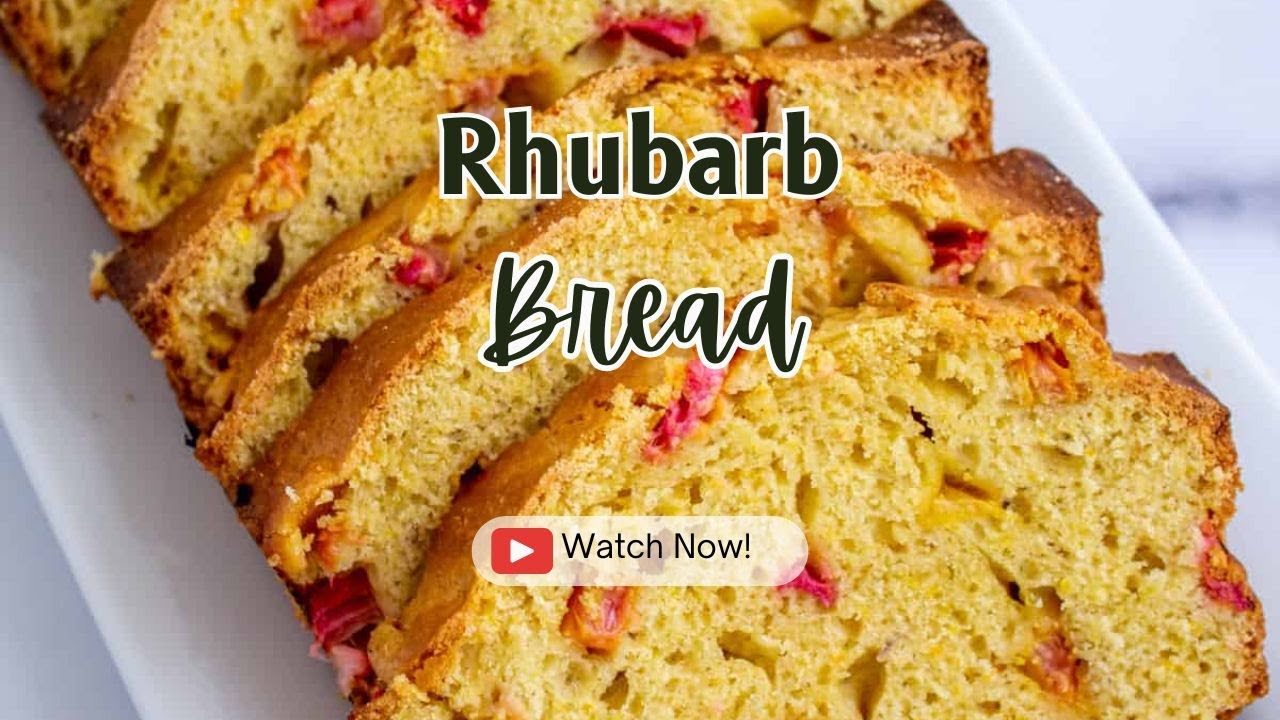
Rhubarb Bread Recipe: There’s something incredibly comforting about a fresh loaf of homemade bread, especially when it’s infused with the unique tartness of rhubarb. Rhubarb bread is a sweet and moist quick bread that strikes a perfect balance between tangy and sugary flavors. Unlike traditional fruit-based breads, rhubarb adds a refreshing zing that makes each bite stand out. If you’ve never baked with rhubarb before, this recipe will introduce you to a whole new world of delicious possibilities.
Baking with rhubarb may sound unusual, but it has been a classic tradition in many households, particularly in spring and early summer when rhubarb is in season. The stalks are often combined with sugar to create pies, jams, crisps, and yes—even bread. What makes rhubarb bread so special is that it feels both homely and gourmet, making it perfect for breakfast, afternoon tea, or even as a dessert.
So, why should you try this recipe? Because it’s not only simple but also incredibly forgiving. You don’t need to be a professional baker to master it. Plus, once you get the hang of it, you can easily customize the recipe with nuts, spices, or even chocolate chips. By the end of this guide, you’ll have a bakery-worthy loaf that will fill your kitchen with a warm, inviting aroma and leave your taste buds asking for more.
What is Rhubarb Bread?
Rhubarb bread is a type of quick bread that uses chopped rhubarb as one of its main ingredients. Unlike yeast-based breads, quick breads rely on baking soda or baking powder as leavening agents, which means they require no kneading and rise quickly in the oven. This makes them ideal for home bakers looking for a fast, foolproof recipe.
The flavor of rhubarb bread is unlike any other. Rhubarb itself is tart—almost lemony—but when combined with sugar and the richness of a moist bread batter, it transforms into something sweet, tangy, and absolutely addictive. The bread usually has a soft crumb, with pockets of juicy rhubarb that burst with flavor in every slice.
Traditionally, rhubarb bread is enjoyed as a seasonal treat, but with frozen rhubarb, you can bake it any time of year. It pairs beautifully with butter, cream cheese, or even a drizzle of honey. Whether you’re baking it for family, friends, or simply to treat yourself, rhubarb bread is guaranteed to impress.
Why You’ll Love This Recipe
There are countless reasons why this rhubarb bread recipe deserves a spot in your kitchen, but let’s narrow it down to a few:
- Simple and beginner-friendly – You don’t need advanced baking skills. Just follow the steps, and you’ll get a perfect loaf every time.
- Moist and flavorful – Thanks to the rhubarb and the balance of wet and dry ingredients, this bread turns out tender with just the right amount of sweetness.
- Versatile – It can be enjoyed warm, cold, toasted, or even used as a base for bread pudding.
- Customizable – Add nuts, chocolate chips, or a cinnamon sugar topping for extra flair.
- Seasonal delight – A great way to use up fresh rhubarb when it’s in season, but also works with frozen rhubarb for year-round enjoyment.
If you’re looking for a recipe that’s equal parts cozy and unique, rhubarb bread is the perfect choice. The tart bursts of rhubarb mixed with the comforting sweetness of bread make it stand out from everyday bakes.
Ingredients You’ll Need
Before you begin, let’s make sure you have everything ready. One of the best parts about baking this rhubarb bread is that most of the ingredients are pantry staples, and the rhubarb itself adds a seasonal touch.
Fresh Ingredients for Rhubarb Bread
- Rhubarb (2 cups, chopped): Fresh rhubarb stalks are the star of this recipe. Look for firm, crisp stalks with vibrant red or pink coloring. You can also use green stalks, but they may be slightly less sweet.
- Eggs (2 large): These act as a binding agent and help give structure to the bread.
- Buttermilk (1 cup): Adds a tangy richness while keeping the bread soft and moist. If you don’t have buttermilk, you can easily make a substitute by mixing regular milk with lemon juice or vinegar.
Pantry Staples You’ll Need
- All-purpose flour (2 cups): The base of the bread, providing structure.
- Granulated sugar (1 ½ cups): Balances the tartness of the rhubarb.
- Brown sugar (¼ cup): Adds a deeper caramel-like sweetness.
- Baking soda (1 teaspoon): Essential for leavening.
- Salt (½ teaspoon): Enhances the overall flavor.
- Vegetable oil (½ cup): Keeps the bread moist and tender. You can also substitute melted butter.
- Vanilla extract (1 teaspoon): Adds warmth and depth of flavor.
Optional Add-ins for Flavor Variations
- Chopped walnuts or pecans (½ cup): Adds crunch and nuttiness.
- Cinnamon (1 teaspoon): Pairs beautifully with rhubarb’s tartness.
- Orange zest (1 teaspoon): A fresh, citrusy twist.
- Chocolate chips (½ cup): For a dessert-style rhubarb bread.
These add-ins are optional but highly recommended if you want to experiment and give your bread a personal touch.
Tools and Equipment Required
Every baker needs the right tools for the job, and this recipe doesn’t require anything too fancy. Having these items ready will make your baking process smooth and stress-free.
Baking Essentials
- Mixing bowls (large and medium)
- Measuring cups and spoons
- Whisk
- Spatula
- Wooden spoon
- Standard 9×5-inch loaf pan
Helpful Kitchen Gadgets
- Electric mixer (optional but useful for beating eggs and sugar)
- Cooling rack (to let the bread cool evenly)
- Sharp knife (for chopping rhubarb)
- Parchment paper (for easy loaf removal)
With just these basic tools, you’ll be able to create a bakery-quality loaf right at home.
Step-by-Step Guide to Making Rhubarb Bread
This is where the magic happens. Baking rhubarb bread is simple, but following each step carefully ensures the best results.
Step 1: Preparing the Rhubarb
Before anything else, you need to prepare your rhubarb properly. Start by washing the stalks thoroughly under cold running water to remove any dirt or grit. Next, trim off the ends and discard the leaves, as rhubarb leaves are toxic and should never be eaten.
Once cleaned, cut the rhubarb stalks into small, bite-sized pieces—about half an inch each. The smaller the pieces, the more evenly they’ll distribute throughout the bread. Some bakers like to toss the rhubarb in a tablespoon of sugar before mixing it into the batter. This step helps to mellow the tartness and prevents the fruit from sinking to the bottom of the loaf.
If you’re using frozen rhubarb, make sure to thaw it completely and pat it dry with paper towels to avoid excess moisture, which can make the bread soggy. Properly preparing your rhubarb at this stage ensures that every slice of bread will have those delightful bursts of tart-sweet flavor.
Step 2: Mixing the Dry Ingredients
Now that your rhubarb is ready, it’s time to prepare the dry mixture. In a large mixing bowl, combine all-purpose flour, baking soda, salt, and cinnamon (if using). Stir them together with a whisk or fork until well blended. This step might feel simple, but it’s incredibly important because it ensures that the baking soda and salt are evenly distributed throughout the flour. Uneven mixing can lead to parts of your bread rising more than others or having an odd taste.
Sifting the flour is optional, but it can make your bread lighter by breaking up any clumps. If you’re aiming for a super fluffy texture, go ahead and sift—it only takes a minute but can make a noticeable difference. Once combined, set the bowl aside.
At this stage, your dry mixture is like the framework of a house—it’s the structure that holds everything together. Without it, the bread wouldn’t rise properly, and you’d end up with a dense, heavy loaf. Taking a few minutes to prepare the dry ingredients carefully ensures that your rhubarb bread comes out soft, airy, and perfectly balanced.
Step 3: Whisking the Wet Ingredients
Next, move on to the wet ingredients. In a separate medium-sized bowl, beat the eggs until they’re light and frothy. Add the granulated sugar and brown sugar, then whisk until the mixture turns pale and slightly thickened. If you want to speed things up, you can use an electric mixer, but a simple hand whisk works just fine.
After that, pour in the vegetable oil, buttermilk, and vanilla extract. Whisk until everything is well combined. You should end up with a smooth, slightly creamy mixture. This step is where the bread gets its richness and moisture, so don’t rush it. Each ingredient plays a role here—the eggs give structure, the oil keeps the bread soft, the buttermilk adds tanginess, and the vanilla ties it all together with warmth.
Think of this stage as the “flavor foundation” of your bread. When done right, your wet mixture ensures the finished loaf has the perfect balance of sweetness and texture. By carefully combining the wet ingredients, you’re setting the stage for the dry mixture and rhubarb to join in and create that magic we all love.
Step 4: Combining Wet and Dry Mixtures
Here’s where things start coming together. Slowly add the dry mixture to the wet mixture, about one-third at a time. Use a spatula or wooden spoon to gently fold them together. Avoid aggressive stirring—this is one of the most common mistakes bakers make. Overmixing can lead to dense, tough bread, as it overdevelops the gluten in the flour.
Your goal here is to mix just enough so that no dry flour is visible. A few small lumps in the batter are perfectly fine and will disappear during baking. If you’re adding any optional ingredients like nuts or chocolate chips, you can mix them in at this stage as well.
This step is a bit like blending two different personalities—the dry mixture brings structure and stability, while the wet mixture brings life and flavor. When combined gently, they create a perfect harmony that results in moist, tender bread. Remember, less is more when it comes to mixing—so take it slow and stop as soon as everything looks combined.
Step 5: Folding in the Rhubarb
Now for the star ingredient—your beautifully prepared rhubarb. Sprinkle the chopped rhubarb pieces into the batter and gently fold them in. Use a spatula to lift and turn the batter from the bottom, making sure the rhubarb is evenly distributed without being crushed.
If you like, you can save a small handful of rhubarb pieces to sprinkle on top of the batter once it’s in the pan. This not only adds visual appeal but also ensures that every slice showcases those lovely pops of red or pink.
Some bakers like to coat the rhubarb in a tablespoon of flour before folding it in. This helps prevent the pieces from sinking to the bottom of the loaf while baking. It’s an optional step, but it does add a little extra insurance for an evenly baked bread.
At this point, your batter should look thick and colorful, with the bright rhubarb pieces peeking through. Folding in the rhubarb is like adding jewels to a crown—it’s the finishing touch that transforms the mixture into something truly special.
Step 6: Preparing the Baking Pan
Before you pour in your batter, take a moment to prepare the loaf pan properly. Grease a standard 9×5-inch loaf pan with butter or nonstick cooking spray, making sure to coat all sides evenly. For extra insurance against sticking, you can line the pan with parchment paper, leaving a bit of overhang on the sides. This makes it super easy to lift the bread out once it’s baked.
If you don’t line the pan, make sure to flour it lightly after greasing—this creates a thin barrier that prevents the bread from sticking. A well-prepared pan might not seem like a big deal, but it can make all the difference when it comes time to remove your loaf. No one wants their beautiful rhubarb bread to break apart because it got stuck to the pan!
Once your pan is ready, pour the batter in and smooth the top with a spatula. If you reserved some rhubarb or nuts, sprinkle them over the top now for a bakery-style finish. The loaf is now ready for the oven—and trust me, this is the moment where anticipation starts to kick in.
Step 7: Baking the Bread
Preheat your oven to 350°F (175°C) and place the loaf pan on the center rack. Bake for 55–65 minutes, or until a toothpick inserted into the center comes out clean. Ovens can vary, so it’s always a good idea to start checking around the 50-minute mark.
As the bread bakes, your kitchen will fill with the warm, sweet aroma of rhubarb and vanilla—it’s one of those smells that instantly makes your home feel cozy. Resist the temptation to open the oven door too often, as this can cause the temperature to fluctuate and affect the rise of the bread.
If you notice the top browning too quickly, loosely cover the loaf with a piece of aluminum foil for the last 15 minutes of baking. This will prevent over-browning while allowing the inside to finish baking properly.
When done, remove the pan from the oven and let the bread rest for about 10–15 minutes before transferring it to a cooling rack. This short resting time allows the loaf to firm up, making it easier to handle without breaking.
Step 8: Cooling and Serving
Patience is key here! While it’s tempting to cut into the bread right away, letting it cool completely on a wire rack ensures the crumb sets properly and makes slicing much easier. Cooling also helps the flavors to deepen, so every bite tastes even better.
Once cooled, slice the bread with a sharp serrated knife. You’ll notice the beautiful speckles of rhubarb throughout each slice, giving it a rustic and inviting look. Serve it plain, with a smear of butter, or even lightly toasted. For an indulgent twist, pair it with cream cheese or a drizzle of honey.
Rhubarb bread is versatile—it’s just as perfect for a casual breakfast as it is for a fancy afternoon tea. If you’re hosting guests, serve it with coffee or tea, and watch how quickly it disappears. This bread isn’t just food—it’s a warm, homemade treat that brings comfort and joy with every slice.
Tips for Perfect Rhubarb Bread
If you’ve made it this far, you’re probably ready to bake rhubarb bread that looks and tastes like it came straight from a bakery. But even the best recipes can be improved with a few insider tips. Baking is both an art and a science, so paying attention to details makes all the difference between a good loaf and a truly outstanding one.
1. Avoid Overmixing the Batter
One of the most common mistakes people make is overmixing. When you stir the batter too much, you activate the gluten in the flour, which can make the bread dense and tough. The trick is to stop mixing as soon as the dry and wet ingredients are combined. A few streaks of flour are fine—they’ll bake out in the oven. Remember, less mixing equals more tenderness.
2. Balance the Sweetness
Rhubarb is naturally tart, which is why sugar is an important part of the recipe. If you prefer a sweeter loaf, you can sprinkle a tablespoon of sugar on top of the batter before baking. This creates a delightful crunchy crust. On the other hand, if you like a more tangy loaf, reduce the sugar slightly. Taste testing a small piece of raw rhubarb before baking can give you an idea of how tart your stalks are.
3. Use the Right Pan Size
Sticking to a standard 9×5-inch loaf pan helps ensure even baking. If you use a smaller pan, the batter may overflow; a larger one may cause the loaf to bake too thin and dry out. If you want to make mini loaves or muffins instead, reduce the baking time and keep a close eye on them.
4. Don’t Skip the Cooling Time
It may be tempting to slice into your loaf as soon as it comes out of the oven, but allowing it to cool ensures the bread sets properly. Cutting too early can cause the loaf to fall apart or feel gummy inside. Think of cooling as part of the baking process—it’s worth the wait.
By following these simple tips, you’ll avoid common pitfalls and end up with a moist, flavorful loaf every time. Baking rhubarb bread should feel enjoyable, not stressful, and with these tricks up your sleeve, you’ll master it in no time.
Variations of Rhubarb Bread
One of the best things about rhubarb bread is how versatile it is. Once you’ve mastered the classic version, you can get creative and experiment with different flavors and textures. Here are a few delicious variations to try:
Rhubarb Nut Bread
Adding chopped walnuts or pecans gives your bread a delightful crunch and nutty flavor. Simply fold in half a cup of nuts along with the rhubarb. This variation is perfect for breakfast or as a snack with coffee. The nuts not only add texture but also make the bread feel heartier and more satisfying.
Rhubarb and Strawberry Bread
Strawberries and rhubarb are a classic pairing in pies and jams, so why not in bread? Add one cup of chopped strawberries to the batter along with the rhubarb. The strawberries balance the tartness of rhubarb with natural sweetness, creating a fruity, dessert-like loaf that’s perfect for summer gatherings.
Cinnamon Sugar Rhubarb Bread
If you love cinnamon rolls, this variation is for you. Mix together two tablespoons of sugar and one teaspoon of cinnamon, then sprinkle it on top of the batter before baking. As the bread bakes, the cinnamon sugar caramelizes into a sweet, crunchy topping. It’s an easy way to elevate your loaf with minimal effort.
Each of these variations keeps the heart of rhubarb bread intact but adds a little twist that makes it unique. Don’t be afraid to get creative—try adding orange zest, shredded coconut, or even chocolate chips. Baking should be fun, and experimenting with flavors is one of the joys of homemade recipes.
Storage and Freezing Instructions
You’ve baked a beautiful loaf of rhubarb bread, and now comes the question: how do you keep it fresh? Luckily, this bread stores well both at room temperature and in the freezer, making it perfect for meal prep or gifting.
Short-Term Storage Tips
If you plan to enjoy the bread within a few days, store it in an airtight container at room temperature. It will stay moist and fresh for up to three days. You can also wrap the loaf in plastic wrap or aluminum foil to lock in the moisture. If your kitchen is particularly warm, refrigerate the bread to extend its freshness to about a week—but keep in mind that refrigeration can sometimes make baked goods a little drier.
Freezing Rhubarb Bread for Later
For long-term storage, freezing is the best option. Allow the bread to cool completely, then wrap the entire loaf tightly in plastic wrap and again in aluminum foil. You can also slice the loaf before freezing and store the slices in a zip-top freezer bag. This way, you can grab a slice whenever you want without having to thaw the entire loaf.
Frozen rhubarb bread keeps well for up to three months. When ready to enjoy, thaw it overnight in the fridge or at room temperature for a few hours. If you want to bring back that fresh-baked taste, pop it in the oven at 300°F (150°C) for about 10 minutes.
Proper storage ensures that your hard work doesn’t go to waste, and it means you can enjoy rhubarb bread anytime you like—even weeks after baking it.
Common Mistakes to Avoid When Baking Rhubarb Bread
Even though rhubarb bread is a straightforward recipe, a few common mistakes can trip you up. Here’s what to watch out for:
- Using Too Much Rhubarb – While it’s tempting to load your bread with extra rhubarb, too much can make the loaf soggy. Stick to the recommended 2 cups for best results.
- Skipping the Grease/Parchment Step – Forgetting to prepare your pan can lead to disaster when trying to remove the loaf. Always grease and line your pan properly.
- Cutting into the Bread Too Early – As mentioned earlier, slicing while it’s still hot can cause the bread to crumble. Give it time to set.
- Not Adjusting Sugar Levels – Rhubarb stalks vary in tartness. Taste them beforehand and adjust sugar accordingly to avoid an overly sour or overly sweet loaf.
- Baking at the Wrong Temperature – Always preheat your oven. Baking at too high a temperature can burn the outside before the inside is cooked, while too low a temperature can leave you with an undercooked loaf.
Avoiding these mistakes ensures your rhubarb bread comes out perfect every single time.
Health Benefits of Rhubarb
Rhubarb isn’t just tasty—it’s also packed with nutrients that can add a healthy boost to your bread. While rhubarb bread itself is considered a treat, the star ingredient provides some impressive health benefits worth noting.
1. Rich in Antioxidants
Rhubarb is loaded with antioxidants, particularly anthocyanins and proanthocyanidins. These compounds help fight oxidative stress in the body, which can reduce the risk of chronic diseases and support overall health. The vibrant red color of rhubarb stalks is a visual sign of these powerful antioxidants at work.
2. High in Fiber
Dietary fiber is essential for digestive health, and rhubarb provides a good amount of it. Fiber helps regulate digestion, keeps you fuller for longer, and supports healthy cholesterol levels. Adding rhubarb bread to your breakfast or snack routine can give you a fiber boost in a delicious way.
3. Low in Calories
On its own, rhubarb is very low in calories—just 21 calories per cup. This makes it a great ingredient for flavoring baked goods without adding a ton of extra calories. Of course, sugar and flour add more calories, but the rhubarb itself is a light, nutrient-dense choice.
4. Source of Vitamin K
Rhubarb is particularly high in Vitamin K, which plays an important role in bone health and blood clotting. Including rhubarb in your diet, even in small amounts through recipes like bread, contributes to your daily intake.
5. Supports Heart Health
Because rhubarb is rich in fiber and antioxidants, it can support cardiovascular health. Studies suggest that rhubarb fiber may help lower cholesterol levels, which in turn promotes better heart function.
While rhubarb bread is best enjoyed as a treat rather than a health food, it’s nice to know that each slice comes with some nutritional perks. It’s a dessert that feels just a little less indulgent when you realize it’s bringing along antioxidants, vitamins, and fiber.
Serving Suggestions for Rhubarb Bread
Rhubarb bread is versatile and can be enjoyed in many ways beyond just slicing and eating. If you want to make the most of your homemade loaf, here are some serving ideas to inspire you:
1. Classic with Butter
A warm slice of rhubarb bread spread with butter is pure comfort food. The creamy butter melts into the crumb, enhancing the sweet-tart flavor of the bread.
2. With Cream Cheese Spread
For a richer option, spread plain or flavored cream cheese on your bread. The tang of cream cheese pairs beautifully with the rhubarb’s tartness, creating a dessert-like treat.
3. Toasted with Honey
Toast a slice and drizzle it with honey for a sweet, golden finish. This works especially well for breakfast or a quick afternoon snack.
4. Paired with Ice Cream
Turn rhubarb bread into a dessert by serving it slightly warmed with a scoop of vanilla ice cream. The contrast between warm bread and cold ice cream is irresistible.
5. As French Toast
Here’s a creative twist—use leftover rhubarb bread to make French toast. Dip slices in a custard mixture and cook until golden brown. Serve with syrup or fresh fruit for an indulgent brunch option.
Rhubarb bread is so flexible that you can enjoy it plain or dressed up, simple or gourmet. However you serve it, one thing is certain: it will always be a hit at the table.
FAQs about Rhubarb Bread Recipe
1. Can I use frozen rhubarb in this recipe?
Yes, you can use frozen rhubarb. Just make sure to thaw it completely and pat it dry before adding it to the batter. Too much excess water can make the bread soggy.
2. How long does rhubarb bread last?
At room temperature, rhubarb bread lasts for up to three days in an airtight container. In the fridge, it can last up to a week. For longer storage, freeze it for up to three months.
3. Can I make this recipe gluten-free?
Yes, simply substitute the all-purpose flour with a gluten-free flour blend. Make sure the blend contains xanthan gum for the best texture.
4. What can I substitute for sugar?
You can use honey, maple syrup, or coconut sugar as alternatives. Keep in mind that liquid sweeteners may slightly change the texture of the bread.
5. Do I need to peel rhubarb before baking?
No, there’s no need to peel rhubarb. Just trim the ends and discard the leaves, as they are toxic. The skin softens during baking and adds to the color and flavor of the bread.
Conclusion
Rhubarb bread is one of those recipes that’s simple enough for everyday baking but special enough to impress guests. With its balance of sweet and tart flavors, moist crumb, and versatility, it’s a bread you’ll want to bake again and again.
From preparing the fresh rhubarb to folding it into the batter and watching it rise in the oven, every step of the process is satisfying. Add in the fact that you can customize it with nuts, fruits, or spices, and you’ve got a recipe that never gets boring. Whether you’re making it for breakfast, as a snack, or as a dessert, rhubarb bread always delivers comfort and flavor in every slice.
So the next time you see fresh rhubarb at the market, don’t just think of pies—think of this delicious bread. Once you bake it, your kitchen will be filled with the sweet aroma of homemade goodness, and your taste buds will thank you.