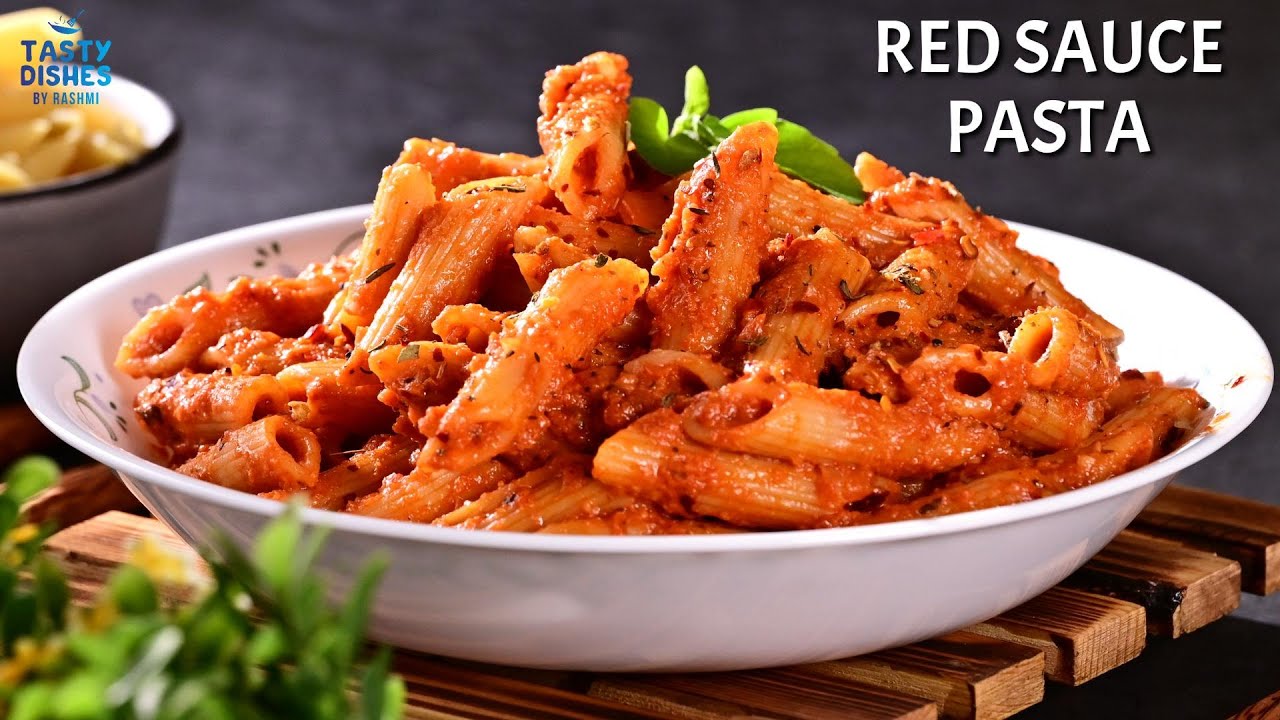
Red Sauce Pasta Recipe: Red sauce pasta is one of those dishes that never goes out of style. Whether you’re planning a cozy dinner at home or a quick weekday meal, this pasta recipe is a lifesaver. The rich tomato-based sauce, infused with herbs and spices, makes it a universal favorite across the globe. Unlike complicated gourmet dishes, red sauce pasta is straightforward yet flavorful, making it ideal even for beginners in the kitchen.
Why Red Sauce Pasta is So Popular
The beauty of red sauce pasta lies in its simplicity. You don’t need rare or exotic ingredients—just a few kitchen staples like tomatoes, garlic, and herbs can transform into a luscious sauce. This makes it accessible for everyone, from students to seasoned home cooks. The pasta also works as a versatile base; you can customize it with vegetables, cheese, or proteins like chicken and shrimp, depending on your mood. It’s also loved because it balances flavor and health—tomatoes are rich in antioxidants and vitamins, while pasta provides energy and comfort.
The Perfect Comfort Food
Pasta has always been synonymous with comfort food. A steaming bowl of red sauce pasta, topped with cheese and paired with garlic bread, can uplift your mood instantly. Think about those rainy evenings when all you want is something warm and satisfying—red sauce pasta fits perfectly. It’s not just about filling your stomach; it’s about creating a food experience that feels like a hug in a bowl.
Ingredients You’ll Need
Making red sauce pasta doesn’t require an endless shopping list. You can prepare a delicious plate with a handful of basic ingredients. However, to elevate the taste, some optional add-ons make the dish more exciting.
Core Ingredients for Red Sauce Pasta
- Pasta (Penne, Fusilli, or Spaghetti – 200g)
- Tomatoes (4-5 medium-sized, ripe) or Canned Tomatoes (1 cup)
- Garlic (5-6 cloves, finely chopped)
- Onion (1 medium, finely chopped)
- Olive Oil (2-3 tablespoons)
- Salt (to taste)
- Black Pepper (½ teaspoon)
- Red Chili Flakes (½ teaspoon, optional for spice)
- Mixed Italian Herbs (1 teaspoon – oregano, basil, thyme)
Optional Ingredients to Enhance Flavor
- Butter (1 tablespoon for richness)
- Fresh Basil Leaves (for garnish and aroma)
- Grated Parmesan or Mozzarella Cheese (for a cheesy twist)
- Bell Peppers or Zucchini (for added crunch and nutrition)
- Chicken or Sausage (for non-vegetarian variations)
Choosing the Right Pasta Type
Not all pasta shapes behave the same way with red sauce. Short pasta like penne or fusilli holds the sauce better because of its ridges and curves, while spaghetti gives a classic Italian touch. If you’re new to cooking, penne pasta is the safest option since it cooks evenly and absorbs the sauce well. Whole wheat or gluten-free pasta is also a great choice for health-conscious eaters.
Preparing the Sauce Base
The sauce is the soul of this recipe. A well-made red sauce can turn even the simplest pasta dish into a restaurant-style meal.
Choosing Fresh Tomatoes vs. Canned Tomatoes
If you want a more authentic, rustic flavor, go with fresh tomatoes. Just blanch them in hot water, peel off the skin, and blend into a puree. On the other hand, if you want convenience and consistent flavor, canned tomatoes or tomato puree work wonders. They also cut down cooking time significantly.
Cooking the Perfect Tomato Puree
Once you’ve chosen your tomatoes, the next step is to prepare a smooth puree. Fresh tomatoes need to be boiled, peeled, and blended, while canned ones can go directly into the blender. The puree should not be too watery; a slightly thick consistency ensures the sauce coats the pasta well without making it soggy.
Balancing Spices and Herbs
The real magic happens when garlic, onions, and herbs come together with the tomato puree. A slow sauté of garlic in olive oil forms the aromatic base. Add onions for sweetness, followed by the puree. Let it simmer until the raw tomato flavor disappears. Season with salt, pepper, chili flakes, and herbs. Always taste as you go—red sauce pasta is about finding that sweet balance between tanginess, spice, and aroma.
Step-by-Step Guide to Cooking Red Sauce Pasta
Step 1 – Boiling the Pasta Properly
Start with a large pot of boiling water. Add a pinch of salt and a few drops of olive oil to prevent the pasta from sticking. Cook the pasta according to the package instructions, usually 8–10 minutes. The key here is to cook it al dente, which means it should be firm to bite, not mushy. Drain and set aside, but remember to reserve half a cup of pasta water—it helps in adjusting the sauce later.
Step 2 – Preparing the Tomato Sauce
Now comes the heart of the recipe—the rich, flavorful red sauce. Heat olive oil in a wide pan and sauté chopped garlic until golden and aromatic. Add onions and cook until translucent. Then, pour in your prepared tomato puree and stir well. Allow it to simmer for about 10–12 minutes on medium heat. This step is crucial because it helps reduce the sharpness of raw tomatoes and creates a smooth, velvety sauce.
Season the sauce with salt, black pepper, chili flakes, and dried herbs like oregano or basil. If you want a richer flavor, stir in a spoonful of butter or a splash of cream. Keep the sauce simmering until it thickens and clings to the back of your spoon. Taste as you go—you can always adjust spices according to preference. If the sauce gets too thick, add a splash of reserved pasta water to balance it out.
Step 3 – Combining Pasta with Red Sauce
This is where the magic happens—marrying the pasta with the sauce. Add the boiled pasta into the pan with the sauce, making sure every piece is coated evenly. Toss gently, so the pasta doesn’t break but still absorbs all the flavors. If the sauce feels too dry, use a little of the reserved pasta water to bring it all together.
A great trick here is to let the pasta simmer with the sauce for 2–3 minutes on low heat. This helps the pasta absorb the tomato goodness instead of tasting like it was just topped with sauce. For extra indulgence, sprinkle some grated cheese at this stage and let it melt into the sauce, giving it a creamy, cheesy twist.
Step 4 – Adding Final Touches and Garnishing
Now that the pasta is perfectly coated with the sauce, it’s time to plate it up. Garnish with freshly chopped basil or parsley for a burst of freshness. A generous sprinkle of parmesan or mozzarella cheese on top takes the dish to another level. If you enjoy a little heat, add a pinch of chili flakes before serving.
Serve your pasta hot with garlic bread, a side salad, or even a glass of wine. The final presentation matters just as much as the flavor—after all, we eat with our eyes first!
Tips and Tricks for the Best Red Sauce Pasta
How to Get the Right Sauce Consistency
One of the most common mistakes is making the sauce too runny or too thick. The secret lies in simmering. Allow the sauce to cook slowly until it reaches a silky consistency. Adding a splash of pasta water works wonders to loosen it up without diluting the flavor. If you like a creamier texture, a small spoon of butter or cream added at the end does the trick.
Adjusting Spice Levels to Taste
Red sauce pasta is versatile when it comes to spice. If you prefer it mild, stick to black pepper and oregano. For a spicier kick, add more chili flakes or even a dash of paprika. The beauty of homemade pasta is that you can make it exactly how you like it.
Storing and Reheating Leftover Pasta
Leftovers can be a blessing, but pasta tends to dry out in the fridge. Store your pasta in an airtight container, and when reheating, add a splash of water or broth to bring back the moisture. You can also toss in a little olive oil before microwaving or reheating on the stove.
Variations of Red Sauce Pasta
Red Sauce Pasta with Vegetables
If you love extra crunch and nutrition, add sautéed vegetables like bell peppers, zucchini, mushrooms, or broccoli to your pasta. Not only do they add flavor, but they also make the dish wholesome and filling.
Red Sauce Pasta with Chicken
For non-vegetarians, adding grilled chicken or shredded chicken breast turns this pasta into a protein-packed meal. Cook the chicken separately, season it with salt, pepper, and herbs, then mix it with the pasta while tossing in the sauce.
Red Sauce Pasta with Cheese
Cheese lovers can make this dish even more indulgent by adding mozzarella, cheddar, or parmesan. A baked version with extra cheese on top creates a lasagna-like pasta dish that’s perfect for parties.
Common Mistakes to Avoid While Cooking Pasta
Overcooking or Undercooking Pasta
One of the most common errors people make is not cooking pasta to the right texture. Overcooked pasta turns mushy and loses its structure, while undercooked pasta feels too hard and unpleasant. The goal is to achieve al dente—firm but tender. Always check the cooking time mentioned on the package, but also taste a piece before draining. Another important point is rinsing pasta after boiling—it washes away the starch that helps the sauce cling. So, never rinse unless you’re making a cold pasta salad.
Adding Too Much or Too Little Sauce
Balance is key when it comes to sauce. Adding too much sauce makes the dish soggy and heavy, while too little leaves the pasta dry and tasteless. A good rule of thumb is to toss pasta directly in the sauce pan instead of pouring sauce on top. This way, every piece absorbs the flavor evenly.
Serving Suggestions for Red Sauce Pasta
Perfect Side Dishes
Pasta becomes even more enjoyable with the right side dishes. Classic garlic bread is the ultimate companion—it adds crunch and buttery flavor that balances the tanginess of the sauce. A fresh green salad with a light vinaigrette also pairs beautifully, cutting through the richness of the pasta. If you want something fancier, roasted vegetables or even crispy potato wedges can complement the dish well.
Pairing Pasta with Drinks
If you want a restaurant-style dining experience at home, pair your red sauce pasta with the right drink. A glass of red wine like Merlot or Cabernet Sauvignon enhances the flavors perfectly. For non-alcoholic options, sparkling water with a slice of lemon or a chilled iced tea balances the richness of the pasta. Kids can enjoy it with fresh fruit juice or a light soda.
Nutritional Value of Red Sauce Pasta
Health Benefits of Tomatoes and Herbs
Tomatoes, the star of red sauce pasta, are loaded with vitamins A, C, and K. They are also a rich source of antioxidants like lycopene, which supports heart health and boosts immunity. Garlic and herbs like basil and oregano are not just flavor enhancers—they come with anti-inflammatory and antibacterial properties. Olive oil, used in the sauce, is heart-healthy and provides good fats.
Making Pasta Healthier with Alternatives
If you’re health-conscious, you don’t need to skip pasta altogether. Swap regular pasta with whole wheat, multigrain, or gluten-free varieties for added fiber. Reduce cheese and butter to cut down on calories, and add more vegetables for a nutrition boost. You can even replace olive oil with avocado oil for a healthier fat option. By making a few mindful swaps, red sauce pasta can easily fit into a balanced diet.
FAQs about Red Sauce Pasta Recipe
1. Can I use ready-made pasta sauce instead of making it from scratch?
Yes, you can use store-bought sauce for convenience, but homemade sauce always tastes fresher and allows you to control the spice and flavor.
2. How do I make my pasta creamier?
For a creamier texture, add a spoonful of cream or cheese while tossing the pasta with sauce. A pat of butter also works well.
3. Can I prepare the red sauce in advance?
Absolutely! You can make the sauce a day before and store it in the fridge. Just reheat and mix with fresh pasta when ready to serve.
4. What pasta type is best for red sauce pasta?
Penne and fusilli are great choices since their ridges hold the sauce better. However, spaghetti works well too if you prefer a classic style.
5. How can I make my red sauce pasta spicy?
Increase chili flakes or add fresh green chilies while cooking the sauce. A dash of hot paprika or cayenne pepper also boosts the heat.
Conclusion
Red sauce pasta is more than just a dish—it’s an experience. With its vibrant colors, rich flavors, and comforting aroma, it has the power to turn an ordinary meal into something special. Whether you enjoy it plain, with vegetables, or loaded with cheese and chicken, this recipe never disappoints. The key lies in using fresh ingredients, balancing spices, and giving the sauce enough time to develop its depth of flavor.
So, the next time you crave something comforting yet elegant, whip up this step-by-step red sauce pasta recipe. Pair it with garlic bread, pour yourself a refreshing drink, and enjoy the perfect Italian-inspired meal right at home.