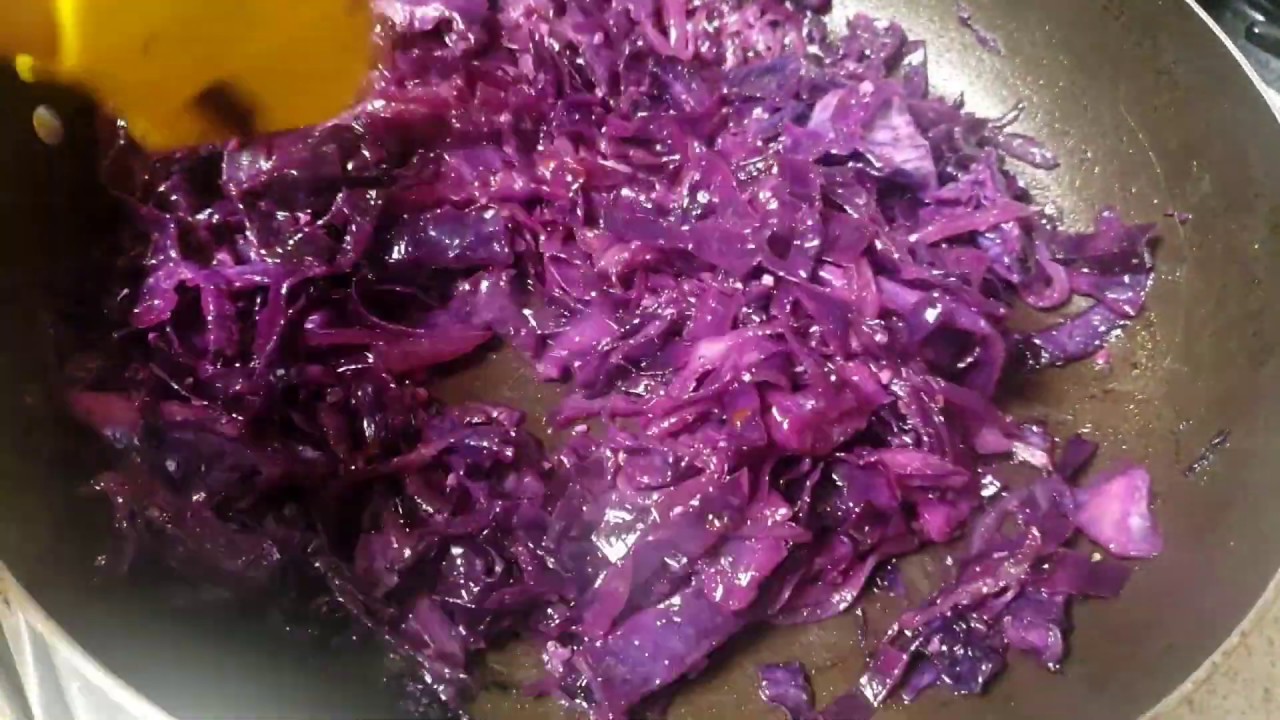
Red Cabbage Recipe: Red cabbage is more than just a colorful vegetable—it’s a dish that adds flavor, texture, and vibrancy to your table. Whether you’re serving it at a festive dinner, alongside roasted meats, or as a healthy side, this recipe is a crowd-pleaser. Unlike green cabbage, red cabbage has a slightly sweeter, earthier taste that pairs wonderfully with apples, onions, and warm spices.
Why Red Cabbage is a Perfect Side Dish
One of the reasons red cabbage is loved in so many cultures is its versatility. It can be sweet, tangy, or even spiced, depending on how you prepare it. In Germany, it’s served as Rotkohl—a sweet-and-sour braised dish. In Scandinavia, it appears at Christmas tables. And in modern kitchens, it’s enjoyed as a colorful, antioxidant-rich side dish. If you’re looking for a side that balances heartiness with freshness, this red cabbage recipe is perfect.
Health Benefits of Red Cabbage
Red cabbage is a powerhouse of nutrition. It’s packed with vitamin C, vitamin K, and fiber, which supports digestion. Its deep purple-red color comes from anthocyanins—antioxidants known for fighting inflammation and promoting heart health. Eating red cabbage not only adds color to your plate but also gives your body a boost of essential nutrients. That means this dish isn’t just delicious—it’s also good for you.
Ingredients You’ll Need
The beauty of this recipe lies in its simplicity. Most of the ingredients are pantry staples, but when combined, they create a dish that’s rich, tangy, and slightly sweet.
Main Ingredients
- 1 medium head of red cabbage (about 2 pounds), thinly sliced
- 2 medium onions, finely chopped
- 2 apples, peeled, cored, and chopped (tart apples like Granny Smith work best)
- 3 tablespoons butter or oil
- 3 tablespoons red wine vinegar (or apple cider vinegar)
- 2 tablespoons sugar or honey
- 1 cup vegetable stock (or water)
- Salt and black pepper to taste
Optional Flavor Boosters
- 1-2 cloves (for warmth)
- 1 cinnamon stick (for festive flavor)
- 1 bay leaf (adds depth)
- 1 tablespoon balsamic vinegar (for a richer taste)
- ½ teaspoon caraway seeds (traditional German touch)
Equipment You’ll Need
- A sharp knife or mandoline for slicing cabbage
- A large pot or Dutch oven
- Wooden spoon for stirring
- Measuring cups and spoons
Having everything ready before you start cooking will make the process much smoother.
Step-by-Step Guide to Making Red Cabbage
Now that you’ve gathered your ingredients, let’s walk through the process. Cooking red cabbage is all about layering flavors—slowly braising it until it becomes tender, tangy, and delicious.
Step 1 – Preparing the Ingredients
Start by washing the cabbage thoroughly, then cutting it into quarters. Remove the tough core and slice the leaves into thin shreds. Chop the onions finely and dice the apples into small cubes. Having everything prepped ahead of time is key because once you start cooking, the process moves quickly.
Step 2 – Cooking the Onions and Apples
Heat the butter or oil in a large pot over medium heat. Add the chopped onions and sauté until they turn soft and slightly golden. Next, stir in the apples. The sweetness of the apples balances the tanginess of vinegar later, creating a perfect harmony of flavors. Cook them for about 5 minutes until they start to soften.
Step 3 – Adding the Red Cabbage
Now it’s time to bring in the star of the dish—the cabbage. Add the shredded cabbage to the pot, stirring well so it mixes with the onions and apples. The cabbage will look bulky at first, but don’t worry—it cooks down significantly as it softens.
Step 4 – Adding Vinegar, Sugar, and Spices
This is where the magic happens. Once the cabbage has slightly softened, pour in the vinegar and sprinkle the sugar (or honey) over the top. Stir everything together so the vinegar evenly coats the cabbage. The vinegar helps preserve the vibrant red color of the cabbage, while the sugar balances the tangy bite with a gentle sweetness.
If you’re using optional spices like cloves, cinnamon, or bay leaf, now is the time to add them. These spices infuse the dish with warmth and depth, especially if you’re making it for the holidays. Pour in the vegetable stock to help the cabbage braise, keeping it tender and moist. Stir well, cover the pot, and let the flavors meld.
The combination of tangy vinegar, sweet sugar, and aromatic spices transforms plain cabbage into a flavorful, festive dish. This balance of sweet and sour is what makes braised red cabbage such a classic.
Step 5 – Slow Cooking for Rich Flavor
The secret to the best red cabbage is patience. Reduce the heat to low, cover the pot, and let it simmer gently for about 45 minutes to an hour. Stir occasionally to make sure nothing sticks to the bottom. As it cooks, the cabbage softens, absorbs the flavors, and turns into a tender, melt-in-your-mouth side dish.
If you prefer a slightly firmer texture, cook it for less time, around 30 minutes. But if you love rich, well-blended flavors, the longer braise is worth the wait. Before serving, taste and adjust the seasoning—add more salt, pepper, or a splash of vinegar if needed.
By the end of this step, your kitchen will smell amazing, and you’ll have a dish that’s both comforting and elegant.
Serving Suggestions
Now that your red cabbage is perfectly braised, let’s talk about how to serve it. This dish is incredibly versatile and pairs well with many main courses.
Best Main Dishes to Pair With
- Roast meats: Pork, duck, goose, and beef are classic pairings. The cabbage’s sweet and sour notes cut through the richness of these meats.
- Grilled sausages: A German-style pairing that never fails.
- Vegetarian options: Serve it with roasted root vegetables or alongside lentil loaf for a hearty, meat-free meal.
- Holiday feasts: Perfect on a Christmas or Thanksgiving table.
Garnishing Tips
- Sprinkle with fresh parsley for a pop of green.
- Add a handful of toasted nuts, like walnuts or pecans, for crunch.
- A drizzle of balsamic reduction gives it a glossy finish and extra flavor.
The bright purple color of red cabbage makes it an eye-catching addition to any plate, instantly elevating the look of your meal.
Storage and Reheating Tips
One of the best things about red cabbage is that it tastes even better the next day. The flavors deepen and become more balanced after resting.
How to Store in the Refrigerator
- Allow the cabbage to cool completely before storing.
- Transfer it to an airtight container.
- It will keep fresh for up to 4–5 days in the fridge.
Freezing Instructions
If you’ve made a large batch, freezing is a great option.
- Divide the cabbage into freezer-safe containers or bags.
- Freeze for up to 3 months.
- To reheat, thaw overnight in the fridge and warm gently on the stove or in the microwave.
Tip: Always add a splash of vinegar or stock when reheating to refresh the flavors.
Variations of Red Cabbage Recipe
One of the joys of cooking red cabbage is experimenting with different flavor profiles. Depending on your mood or the occasion, you can switch things up easily.
German-Style Red Cabbage (Rotkohl)
This traditional version includes apples, cloves, and a touch of red wine vinegar. It’s usually served with roast goose, duck, or pork at German Christmas dinners. The balance of sweet and sour makes it a festive favorite.
Sweet and Sour Red Cabbage
For a sharper tang, use more vinegar and a little extra sugar. This version is perfect when you want a bold, zesty flavor to contrast with rich meats.
Spiced Holiday Red Cabbage
Add cinnamon sticks, star anise, and a splash of mulled wine. This variation fills your home with cozy holiday aromas and pairs beautifully with turkey or ham.
With just a few tweaks, you can create a red cabbage dish that suits any occasion—from everyday dinners to special celebrations.
Pro Tips for the Perfect Red Cabbage
Cooking red cabbage isn’t complicated, but a few small tricks can elevate it from good to outstanding. These tips ensure that every time you make it, the flavor and texture hit the right balance.
Balancing Sweetness and Acidity
The hallmark of a great braised red cabbage is the balance between sweet and sour. Too much sugar, and the dish becomes cloying; too much vinegar, and it’s overly sharp. A good rule of thumb is to start with equal amounts of sugar and vinegar, then adjust based on your taste preference. If you like a sweeter cabbage, use honey or brown sugar instead of white sugar—it adds a caramel-like depth. For tang, apple cider vinegar brings a fruity sharpness, while balsamic adds richness. Taste throughout the cooking process and fine-tune until it’s just right.
Choosing the Right Apples and Vinegar
Apples are not just filler—they play a big role in shaping the flavor. Tart apples like Granny Smith or Braeburn balance the sweetness and add a gentle acidity. Sweeter apples like Gala or Honeycrisp work too, but you may need to cut back on sugar. As for vinegar, red wine vinegar is traditional, but don’t be afraid to experiment. Cider vinegar gives a rustic touch, balsamic adds depth, and white wine vinegar keeps things lighter. The type you choose can change the personality of the dish.
Tip: Always add the vinegar early in the cooking process to lock in the cabbage’s vibrant purple color.
Nutritional Value of Red Cabbage Recipe
Red cabbage is not only tasty but also a nutrient-packed side dish that adds a lot of health benefits to your meal.
Calories and Macronutrients
A one-cup serving of braised red cabbage typically contains:
- Calories: Around 90–120 (depending on sugar and butter used)
- Carbohydrates: 15–20 g
- Protein: 2–3 g
- Fat: 3–6 g (mostly from butter or oil)
- Fiber: 4–5 g
This makes it a low-calorie, high-fiber side that’s both filling and light.
Vitamins and Antioxidants
Red cabbage is loaded with vitamins and minerals that support your health:
- Vitamin C: Boosts immunity and helps skin health.
- Vitamin K: Supports bone health and blood clotting.
- Anthocyanins: Powerful antioxidants that fight inflammation and support heart health.
- Folate & Potassium: Essential for energy and heart function.
When you enjoy this dish, you’re not just indulging in flavor—you’re also fueling your body with essential nutrients.
Common Mistakes to Avoid
Even though braised red cabbage is simple, a few missteps can affect the final result. Here’s how to avoid them.
Overcooking the Cabbage
If you cook red cabbage for too long at too high a temperature, it can lose its texture and turn mushy. The key is low and slow simmering. This allows the flavors to blend without breaking down the cabbage completely. Aim for a tender bite rather than a mushy one.
Using Too Much Vinegar
It’s easy to think that more vinegar equals more flavor, but too much can overpower the dish. Always start small—about 2 to 3 tablespoons—and add more later if needed. Remember, you can always adjust seasoning at the end, but you can’t take vinegar out once it’s in.
Other common mistakes include not slicing the cabbage thinly enough (which affects cooking time) and forgetting to stir occasionally (which can cause sticking or uneven cooking). Keep these in mind, and you’ll get perfect results every time.
FAQs about Red Cabbage Recipe
Q1: Can I make red cabbage ahead of time?
Yes! Red cabbage actually tastes better the next day as the flavors have more time to blend. Simply store it in the fridge and reheat gently.
Q2: What vinegar is best for red cabbage?
Red wine vinegar is classic, but apple cider vinegar gives a fruity tang, while balsamic adds richness and depth.
Q3: Can I use green cabbage instead of red?
You can, but the flavor and color will be different. Green cabbage lacks the natural sweetness and antioxidants of red.
Q4: How long does cooked red cabbage last?
It keeps well in the fridge for up to 4–5 days and can be frozen for up to 3 months.
Q5: Can I make it without sugar?
Yes, you can omit sugar or replace it with natural sweeteners like honey or maple syrup. The apples also add natural sweetness.
Conclusion
Braised red cabbage is one of those timeless recipes that never goes out of style. It’s colorful, flavorful, and surprisingly versatile. Whether you’re making it for a casual weeknight dinner or a festive holiday spread, this dish delivers a balance of sweet, tangy, and savory flavors that complement so many main courses.
From choosing the right apples and vinegar to letting it slowly braise for maximum richness, each step in this recipe adds depth to the final dish. The best part? It’s easy to make ahead of time, stores well, and tastes even better the next day.
If you’ve never tried making red cabbage before, this step-by-step guide gives you everything you need for success. Once you’ve mastered the basics, don’t be afraid to try different variations and make it your own.