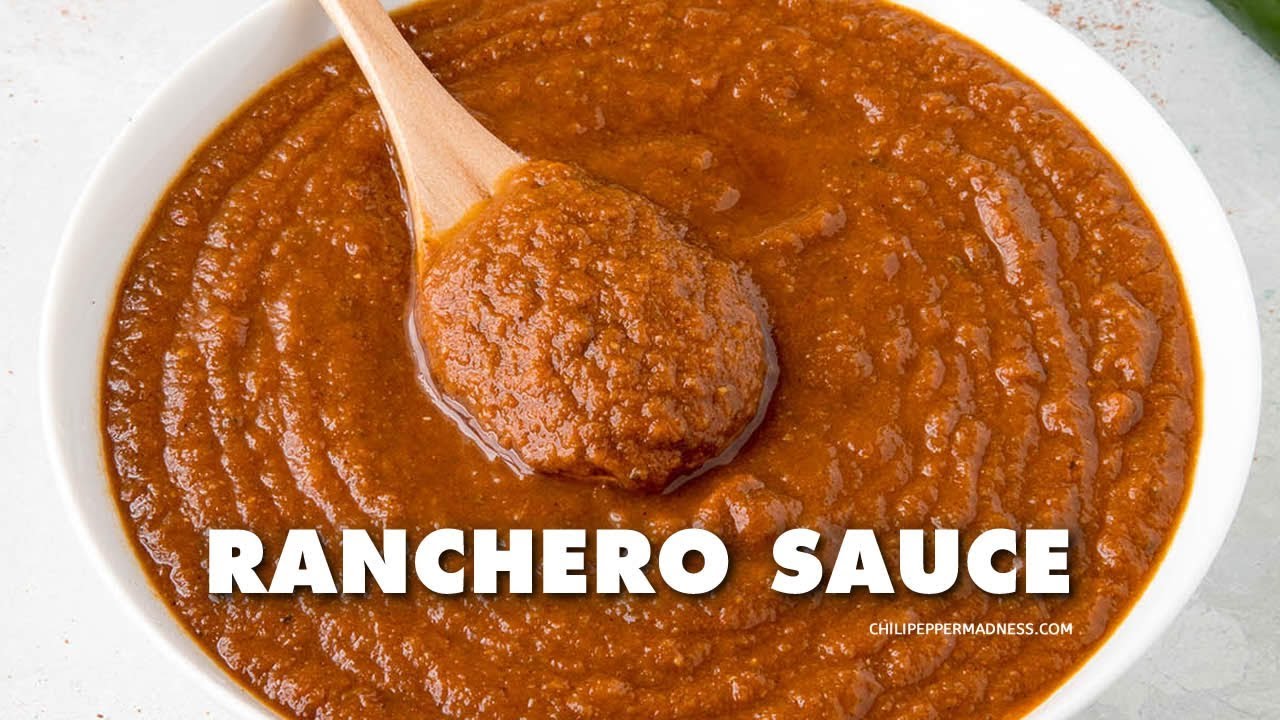
Ranchero Sauce Recipe: If you’ve ever had huevos rancheros or a cheesy enchilada topped with a rich, smoky red sauce, then you’ve probably already met ranchero sauce. It’s that vibrant, slightly spicy, tomato-based Mexican sauce that adds bold flavor to just about anything it touches. Ranchero sauce is a kitchen staple in many Mexican homes, and for good reason—it’s simple to make, packed with fresh ingredients, and can transform even the most basic dish into something mouthwatering.
But here’s the kicker: while ranchero sauce might look like your typical tomato salsa, it’s actually cooked down to deepen the flavors. That simmered, roasted taste makes all the difference. Unlike raw salsa, ranchero sauce is smoother, richer, and layered with flavor from ingredients like onion, garlic, chili peppers, and sometimes even spices like cumin and oregano.
Whether you’re a complete beginner or already dabbling in Mexican cuisine, this recipe guide will walk you through every step of making the perfect ranchero sauce. Let’s roll up our sleeves and get cooking!
Origin and Cultural Significance
Ranchero sauce has its roots in rural Mexico, where it was traditionally made by ranchers—hence the name “ranchero,” which means “ranch-style.” It was the go-to topping for eggs, especially in the classic dish huevos rancheros, which translates to “ranch-style eggs.” Farmers and field workers would start their day with hearty meals that were both flavorful and filling, and ranchero sauce played a central role.
Over time, this humble sauce made its way into various regions of Mexico and the southwestern U.S., adapting slightly depending on local ingredients and spice preferences. But its purpose stayed the same: to bring a bold, homemade flavor to everyday meals. Today, you’ll find ranchero sauce not only in Mexican households but also on restaurant menus across the globe.
It’s more than just a sauce—it’s a symbol of simple, rustic cooking that honors fresh ingredients and slow, intentional preparation.
Flavor Profile of Ranchero Sauce
What does ranchero sauce actually taste like? Great question. Imagine the perfect balance between tangy tomatoes, smoky chilies, and the warm bite of sautéed onions and garlic. That’s your base.
Then, depending on how you customize it, you can build layers of spice with jalapeños or serranos, add depth with roasted peppers, or brighten things up with a squeeze of lime. Some versions even sneak in a touch of cumin or paprika to give it a slightly earthy undertone.
Unlike enchilada sauce, which is thicker and often spicier with more chili powder, ranchero sauce keeps things fresh and zesty. It’s thinner, smoother, and less heavy on the spices, making it ideal as a breakfast sauce or a topper for lighter meals.
In short: ranchero sauce is flavorful, not fiery. It warms your palate rather than burning it, which is why it’s loved by spice lovers and mild food fans alike.
Health Benefits of Ranchero Sauce
Let’s talk health. One of the best things about ranchero sauce is that it’s made from real, whole ingredients. No mystery additives. No preservatives. Just fresh veggies, a bit of oil, and some seasoning. That means it’s naturally:
- Low in fat
- Low in calories
- High in vitamins like Vitamin C (from tomatoes and chilies)
- Full of antioxidants from garlic, onions, and peppers
And if you’re watching your sodium or eating plant-based, this sauce is totally customizable to fit your needs. Skip the salt, swap in olive oil, use fresh herbs—you’re in control.
Plus, chili peppers contain capsaicin, which has been shown to boost metabolism and reduce inflammation. So while you’re adding flavor, you’re also doing your body a favor.
Ingredients You’ll Need
To make an authentic and delicious ranchero sauce at home, here’s what you’ll need:
Fresh Ingredients
- 4 ripe Roma tomatoes (or any medium tomatoes)
- 1 medium white or yellow onion, chopped
- 2 garlic cloves, minced
- 1-2 jalapeño peppers (or serrano for more heat)
- 1 tablespoon vegetable oil (or olive oil)
- Salt and pepper to taste
Pantry Ingredients
- ½ teaspoon cumin
- ½ teaspoon oregano
- 1 cup vegetable or chicken broth
- 1 tablespoon tomato paste (optional, for deeper flavor)
Garnish / Finishing (Optional)
- Fresh cilantro, chopped
- Lime juice (for brightness)
Pro Tip: Use fire-roasted tomatoes if fresh ones aren’t in season. They add that smoky kick without extra effort.
Optional Ingredients for Customization
Want to make the sauce your own? Here’s how you can tweak it:
- Spice it up: Add dried chili flakes, chipotle peppers, or a splash of hot sauce.
- Tone it down: Remove the seeds and ribs from your peppers, or use mild peppers like Anaheim.
- Make it vegan: Stick to veggie broth and check that your spices don’t have hidden dairy (some blends do).
- Gluten-free tip: This recipe is naturally gluten-free, but always double-check broths and spices for additives.
Experiment until you find your version. That’s the beauty of homemade sauces—you can personalize every spoonful.
Essential Kitchen Tools
Before you get cooking, here’s what you’ll need:
- Cutting board and knife
- Medium skillet or sauté pan
- Blender or food processor
- Wooden spoon or spatula
- Measuring spoons
- Optional: Fine mesh strainer for ultra-smooth sauce
No blender? No problem. You can mash the cooked ingredients with a potato masher for a chunkier texture—it still tastes amazing.
Step-by-Step Guide to Making Ranchero Sauce
Now for the main event. Let’s walk through this ranchero sauce recipe from start to finish.
Step 1: Preparing the Vegetables
Chop tomatoes, onions, and jalapeños or serrano peppers. Mince garlic and rinse fresh cilantro. Keep pieces roughly similar in size for even cooking.
Step 2: Cooking Down the Base
Heat oil in a pan over medium heat. Sauté onions and peppers until softened, then add garlic and cook briefly. Stir in tomatoes and simmer for 10–15 minutes until the vegetables break down and flavors concentrate.
Step 3: Blending the Sauce
Transfer the mixture to a blender. Blend until smooth or slightly chunky, depending on preference. Be careful blending hot liquids—vent the lid slightly.
Step 4: Final Seasoning Tips
Return sauce to the pan if needed and season with salt, cumin, and a splash of lime juice. Adjust heat with chili or sweetness with a pinch of sugar. Finish with chopped cilantro.
Cooking Tips and Tricks
Even though ranchero sauce is a relatively simple recipe, a few expert tips can make a world of difference in the final taste and texture. If you’ve ever wondered how to make your homemade sauce taste restaurant-quality, these pointers will get you there.
Use Fresh, Ripe Tomatoes
If you’re using fresh tomatoes, the riper the better. Overripe tomatoes add natural sweetness and depth that underripe ones just can’t match. If it’s off-season, don’t shy away from using canned fire-roasted tomatoes—they add a smoky richness that’s hard to beat.
Char the Peppers
Want an extra layer of flavor? Lightly roast or char the peppers before blending. Just toss them on a dry skillet or under the broiler for a few minutes until the skin blackens. It’ll give the sauce a roasted, slightly smoky edge that takes it to the next level.
Sauté Low and Slow
Rushing the sautéing process will leave you with a raw onion or bitter garlic taste. Let them sweat gently over medium heat until they’re soft, golden, and aromatic. This is the flavor foundation of your sauce.
Don’t Skip the Simmer
After blending, simmering the sauce for a few more minutes helps marry the flavors together. It also thickens the sauce naturally, which is perfect for spreading over tortillas, eggs, or meats.
Season in Layers
Taste as you go. Don’t just dump salt in at the end—season throughout each step. This helps balance acidity, heat, and depth as the sauce develops.
How to Store Ranchero Sauce
Once you’ve made a batch of this delicious sauce, you’ll want to keep it fresh and flavorful for as long as possible. Here’s how to store it like a pro.
Refrigerator Storage
- Allow the sauce to cool to room temperature.
- Pour it into an airtight glass or plastic container.
- Store in the fridge for up to 5-7 days.
- Stir before each use, as ingredients may settle.
Freezer Storage
- Ranchero sauce freezes beautifully!
- Use freezer-safe containers or silicone ice cube trays (for small portions).
- Label with the date and freeze for up to 3 months.
- To use, thaw overnight in the fridge or heat directly from frozen in a saucepan over low heat.
Reheating Tips
- Reheat gently on the stove with a splash of water or broth to loosen it up.
- Avoid microwaving in plastic containers—transfer to a bowl or pan first.
Ways to Use Ranchero Sauce
This versatile sauce isn’t just for huevos rancheros—although that’s definitely a classic. Here are tons of ways to use your homemade ranchero sauce:
Breakfast Ideas
- Huevos Rancheros – Classic eggs on tortillas with beans and ranchero sauce.
- Breakfast burritos – Drizzle inside or on top for a zesty kick.
- Scrambled eggs – Mix into your scramble for an instant flavor upgrade.
Lunch and Dinner
- Tacos – Use it as a salsa-style topping on carne asada or grilled veggie tacos.
- Enchiladas – Pour over rolled tortillas and bake with cheese.
- Baked Chicken – Top baked or grilled chicken with ranchero sauce and melt cheese on top.
- Rice Bowls – Add to grain bowls for bold flavor.
Vegetarian-Friendly Ideas
- Stuffed Peppers
- Grilled veggies with ranchero drizzle
- Tofu ranchero scramble
You’ll find yourself using it on everything once you have a batch ready!
Make-Ahead and Meal Prep Tips
If you love meal prepping, ranchero sauce is your new best friend. It saves beautifully, is freezer-friendly, and can be made in big batches without much extra effort.
Batch Cooking Tips
- Double or triple the recipe.
- Portion into smaller containers or freezer bags.
- Freeze flat for space-saving storage.
Quick Reheating
- Microwave-safe: Use a glass jar or bowl to heat small amounts quickly.
- Stove-friendly: Just reheat on low and stir occasionally.
Meal Prep Uses
- Add to meal prep burrito bowls.
- Freeze in ice cube trays for quick use in single servings.
- Prep a week’s worth of breakfast burritos and wrap with ranchero sauce inside.
How to Adjust Heat Levels
One of the beauties of ranchero sauce is how easily you can dial the heat up or down, depending on your taste—or your audience.
To Increase the Heat
- Use serrano or chipotle peppers instead of jalapeños.
- Leave in the seeds and membranes of the chilies.
- Add a pinch of crushed red pepper flakes.
- Blend in a canned chipotle in adobo for heat and smoky depth.
To Decrease the Heat
- Stick with mild chilies like Anaheim or poblano.
- Always remove seeds and membranes before cooking.
- Add more tomato or broth to mellow the spice level.
- Finish with a little sugar or lime juice to balance the heat.
Remember—it’s easier to add spice later than to take it out. Taste test before blending and adjust as you go!
Comparing Homemade vs Store-Bought
Sure, you can grab a jar of ranchero sauce at the store, but once you taste a homemade version, you’ll never go back. Here’s why:
| Category | Homemade Ranchero Sauce | Store-Bought Sauce |
|---|---|---|
| Flavor | Fresh, bold, customizable | Often bland or overly salty |
| Ingredients | Whole, real foods | Preservatives, sugars, additives |
| Spice Control | Adjustable | Fixed (and often mild) |
| Cost | Cheaper in the long run | More expensive per serving |
| Health | Low-sodium, no fillers | May contain processed oils |
Making your own lets you control every element—from how spicy it is to what oils you use. Plus, it’s way more satisfying knowing you made it from scratch.
FAQs about Ranchero Sauce Recipe
1. Can I make ranchero sauce without a blender?
Yes! For a rustic texture, mash the cooked vegetables with a fork or potato masher. It won’t be as smooth but still delicious.
2. Is ranchero sauce spicy?
It can be, but you control the heat. Use milder chilies or remove the seeds for a gentler version.
3. How long does homemade ranchero sauce last?
Up to 7 days in the fridge and 3 months in the freezer when stored properly in airtight containers.
4. Can I use canned tomatoes?
Absolutely. Fire-roasted canned tomatoes are a great substitute when fresh ones aren’t available.
5. What dishes pair best with ranchero sauce?
Huevos rancheros, tacos, burritos, enchiladas, grilled meats, or even as a dipping sauce for chips!
Conclusion
There you have it—a complete, step-by-step guide to making authentic ranchero sauce at home. With its rich tomato base, the bold kick from chilies, and the savory goodness of garlic and onions, this sauce is a powerhouse of flavor. Whether you’re topping eggs, folding it into tacos, or spooning it over a casserole, ranchero sauce brings the taste of rustic Mexican kitchens straight to your table.
It’s simple, it’s fresh, and it’s 100% customizable. Once you try it, you’ll want to keep a jar in your fridge at all times. So go ahead—grab those tomatoes and peppers, and bring a little ranchero magic into your cooking.