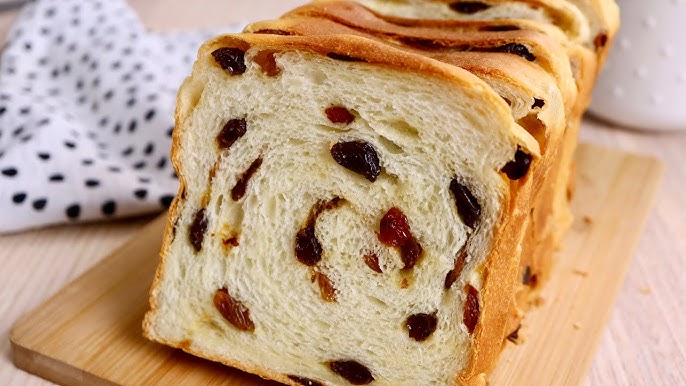
Raisin Bread Recipe: Who doesn’t love the sweet, cozy aroma of freshly baked raisin bread wafting through the kitchen? Whether it’s toasted for breakfast or served as a snack with butter and honey, this classic loaf is a staple in many homes for a reason. Today, we’re diving deep into a foolproof, step-by-step raisin bread recipe that’s not only beginner-friendly but also produces a soft, fluffy, and flavorful loaf every single time. If you’ve ever been intimidated by baking with yeast or worried about getting the perfect texture, don’t worry. We’ll walk through every single detail together—let’s get baking!
Why Homemade Raisin Bread is Worth Making
Let’s face it—store-bought raisin bread can be a hit or miss. Sometimes it’s too dry, too sweet, or lacks that signature chewiness that makes homemade loaves so addictive. Making your own loaf from scratch gives you full control over the ingredients, sweetness, and texture. Plus, there’s something truly satisfying about slicing into a warm loaf you created with your own hands.
When you bake it yourself, you can also customize it to suit your dietary preferences—go light on the sugar, switch up the type of flour, or even fold in nuts or cinnamon. And let’s not forget the unbeatable freshness—nothing beats homemade bread fresh out of the oven with a pat of butter melting on top.
A Brief History of Raisin Bread
Raisin bread has been around for centuries, with its roots tracing back to ancient Rome where dried fruits were added to bread as a sweetener. The idea of adding raisins became popular in Europe during the Middle Ages, especially in regions like Germany and England. Over time, the recipe evolved and spread worldwide, becoming a beloved breakfast staple, especially in American households.
Today, raisin bread is often enjoyed toasted with a smear of cream cheese, butter, or even peanut butter. It’s a testament to how simple ingredients can create something absolutely delightful.
Ingredients You’ll Need
Before we jump into the process, let’s make sure you’ve got everything you need. Proper preparation is key to a smooth baking experience.
Dry Ingredients
- All-purpose flour – 3 ½ cups (you can substitute 1 cup with whole wheat flour for a healthier option)
- Granulated sugar – ¼ cup (for sweetness)
- Salt – 1 ½ teaspoons
- Active dry yeast – 2 ¼ teaspoons (one packet)
Wet Ingredients
- Warm milk – 1 cup (around 110°F; not too hot or you’ll kill the yeast)
- Unsalted butter – 4 tablespoons (softened)
- Large eggs – 2 (room temperature)
Optional Add-ins
- Ground cinnamon – 1 teaspoon (for that classic cinnamon-raisin flavor)
- Vanilla extract – 1 teaspoon
- Chopped walnuts or pecans – ½ cup (for extra crunch)
The Star Ingredient: Raisins
- Raisins – 1 cup (plump and juicy; soak in warm water for 10-15 minutes beforehand for best results)
Tools & Equipment Needed
- Mixing bowls (at least 2)
- Measuring cups and spoons
- Wooden spoon or dough hook and mixer
- Loaf pan (9×5 inch)
- Kitchen towel or plastic wrap
- Cooling rack
Preparing for the Recipe
Measuring Ingredients Accurately
Baking is a science—one small mistake in measurement can completely alter your final product. When measuring flour, spoon it into the measuring cup and level it off with a knife instead of scooping directly. This prevents using too much flour, which leads to dense, dry bread. Use a digital scale for even more accuracy if you have one.
Make sure your liquids are at the right temperature. Too hot and you’ll kill the yeast; too cold and it won’t activate. The sweet spot for warm milk or water is around 105°F to 110°F.
Preparing the Raisins
Raisins can dry out even more during baking if not properly hydrated. To prevent this, soak your raisins in warm water (or even rum for a fun adult twist) for 10-15 minutes. Then drain and pat them dry with a paper towel before adding them to the dough.
This little step goes a long way in keeping your bread moist and flavorful. It also ensures the raisins don’t absorb moisture from your dough, which can throw off the balance of the recipe.
Step-by-Step Raisin Bread Recipe
Step 1 – Activate the Yeast
The first thing we need to do is wake up that yeast! In a small bowl, combine the warm milk and a teaspoon of sugar. Sprinkle in the yeast and gently stir. Let it sit for 5-10 minutes. If it becomes frothy and bubbly, that means the yeast is alive and ready to go. If not, you’ll need to start over with fresh yeast.
This step is crucial. If your yeast doesn’t activate, your bread won’t rise properly, and you’ll end up with a dense, disappointing loaf.
Step 2 – Mix the Dough
In a large mixing bowl, combine the flour, remaining sugar, salt, and cinnamon (if using). Mix them well so the dry ingredients are evenly distributed.
Add in the eggs, softened butter, and the activated yeast mixture. Use a wooden spoon or dough hook on a stand mixer to start mixing everything together. The dough will be sticky at first—don’t panic! As it comes together, knead it for about 8–10 minutes until it becomes smooth and elastic.
Step 3 – First Rise
Once your dough is smooth and elastic, it’s time to let it rise. Lightly oil a large mixing bowl and place the dough inside. Cover the bowl with a damp towel or plastic wrap and set it in a warm, draft-free spot. Let the dough rise for about 1 to 1.5 hours, or until it doubles in size.
A good way to test if the dough is ready is to gently press your finger into it. If the indentation stays, your dough has risen enough. During this time, the yeast is hard at work, fermenting the sugars and creating carbon dioxide bubbles that cause the dough to puff up. It’s basically where all the magic happens.
If your kitchen is a bit chilly, you can create a warm environment by turning your oven on for a minute or two (then turning it off!) and placing the covered bowl inside. Just don’t forget to turn the oven off before doing so!
Step 4 – Kneading and Folding in the Raisins
Once the dough has doubled in size, punch it down gently to release some of the air bubbles. Now comes the fun part—adding those sweet, juicy raisins.
Turn the dough out onto a lightly floured surface. Flatten it slightly and sprinkle half of the raisins on top. Fold the dough over and knead gently, then sprinkle the rest of the raisins and continue kneading until they’re evenly distributed.
Be patient and avoid tearing the dough while kneading. You want the raisins to be incorporated well, but not mashed into oblivion. If you’re using nuts or cinnamon as well, this is the perfect time to add them.
Pro tip: If your raisins keep slipping out, press them slightly into the dough before folding over and kneading again. It helps keep them from clumping in one area or falling out later during slicing.
Step 5 – Second Rise
Now that the raisins are incorporated, it’s time for a second rise. This step helps develop the texture and structure of the bread.
Shape the dough into a log or loaf shape and place it in a greased 9×5-inch loaf pan. Cover loosely with plastic wrap or a towel and let it rise again in a warm place for 30 to 45 minutes, or until it has risen about 1 inch above the rim of the pan.
You’ll notice this rise is faster than the first—that’s because the yeast is already active and warm. If you’re in a rush, you can skip this step, but the bread might be a bit denser. So, give it time and let the dough relax and puff up.
While the dough is rising, now is the perfect time to prepare your oven for baking.
Baking the Bread
Step 6 – Preheating the Oven
Preheat your oven to 350°F (175°C) about 15 minutes before the second rise finishes. This ensures the oven is at the perfect temperature when your bread is ready to bake.
Baking at the right temperature is vital. Too hot, and your crust will brown too fast while the inside stays undercooked. Too low, and you’ll end up with a tough, pale loaf.
You can also place a small oven-safe dish of water on the bottom rack of the oven. The steam helps keep the crust soft and encourages a better oven spring (the final burst of rise that happens in the first few minutes of baking).
Step 7 – Baking Time and Temperature
Once the oven is ready and your dough has completed its second rise, it’s go-time. Place the loaf pan on the center rack and bake for 35 to 40 minutes, or until the top is golden brown and the loaf sounds hollow when tapped.
You can also use a thermometer to check doneness. The internal temperature should read around 190°F (88°C). If the top browns too quickly, loosely cover it with aluminum foil about halfway through baking to prevent burning.
The aroma at this point? Heavenly. Your entire house will smell like a bakery.
Step 8 – Cooling the Bread
This step might be the hardest—but trust me, it’s worth it. Once the bread is done, remove it from the oven and let it cool in the pan for about 10 minutes. Then transfer it to a wire rack to cool completely.
Why wait? Cutting into hot bread releases steam and moisture, making it gummy inside. Cooling allows the crumb to set and the flavors to settle. It’s tempting, but patience will reward you with the perfect texture.
Once it’s cooled down, you’re ready to slice, toast, and enjoy. Or if you’re feeling fancy, spread on some butter, honey, or cream cheese for a sweet treat.
Tips for Perfect Raisin Bread Every Time
Avoiding Dense Bread
One of the most common mistakes in bread making—especially for beginners—is ending up with a heavy, dense loaf. While raisin bread should be rich and slightly moist, it should still be light with a soft crumb. If your bread comes out dense, here are a few culprits and fixes:
- Old or inactive yeast: Always check the expiration date on your yeast. If it doesn’t foam up during activation, toss it.
- Too much flour: Adding too much flour during kneading can dry out the dough. Stick to the exact measurements and only add a dusting when needed.
- Under-kneading: The dough needs to be kneaded well to develop gluten, which gives the bread structure and lightness.
- Short rise times: Don’t rush the proofing. Dough needs time to rise properly to get airy and soft.
A properly risen dough should feel slightly springy and soft—not stiff. If you poke it and it bounces back slowly, you’re good to go.
How to Prevent Raisins from Burning
Burnt raisins on the surface of your loaf are not only unappetizing but can also ruin the flavor. Here’s how to keep them from getting scorched:
- Fold them well into the dough so they’re protected inside.
- Avoid over-proofing: When the dough rises too high, raisins can pop out of the top and get exposed during baking.
- Use a foil tent: If you see the top browning too quickly, loosely cover it with foil about halfway through the bake.
- Brush the top with melted butter or egg wash before baking to protect the exposed raisins and give your loaf a beautiful finish.
Variations and Customizations
Raisin bread is incredibly versatile. You can mix and match ingredients depending on your taste or dietary preferences. Here are some fun ways to switch things up:
Cinnamon Raisin Swirl Bread
Add a burst of cinnamon sugar flavor by creating a swirl. After the first rise, roll out your dough into a rectangle. Mix ¼ cup of sugar with 1 tablespoon of cinnamon and sprinkle it over the dough. Roll it tightly into a log, then place it in the loaf pan for the second rise. When you slice it—voilà! Beautiful swirls of cinnamon and raisins.
Whole Wheat Raisin Bread
Want a heartier, healthier loaf? Replace up to 50% of the all-purpose flour with whole wheat flour. Whole wheat flour adds fiber and a nuttier taste. Just be aware it may need a little more moisture, so consider adding an extra tablespoon of milk if the dough feels too dry.
Gluten-Free Option
Yes, gluten-free raisin bread is possible! Use a 1:1 gluten-free all-purpose flour mix that contains xanthan gum for structure. Gluten-free doughs won’t behave exactly the same (they don’t need kneading), but you’ll still get a flavorful loaf. Be sure to follow the flour manufacturer’s instructions closely for best results.
Storage and Freezing Tips
There’s nothing sadder than a loaf of beautiful raisin bread going stale or moldy too soon. Here’s how to keep it fresh for longer:
How to Store Raisin Bread
- At Room Temperature: Store your loaf in an airtight container or bread box for up to 3-4 days.
- In the Refrigerator: Not ideal, as it can dry out the bread, but if your kitchen is humid or hot, it can help prolong freshness for up to a week.
To maintain softness, you can wrap the bread in a clean kitchen towel and then place it inside a plastic bag.
Freezing for Later Use
Raisin bread freezes beautifully, so don’t hesitate to make a double batch. Here’s how to do it:
- Slice the bread first, so you can thaw individual pieces as needed.
- Wrap the loaf or slices in plastic wrap, then place it in a freezer-safe zip-top bag.
- Label and date it, and it will keep for up to 3 months.
To reheat, just toast the slices directly from frozen or let the whole loaf thaw at room temperature overnight.
Serving Suggestions
Raisin bread is fantastic all on its own, but here are some delicious ways to enjoy it even more:
Breakfast Pairings
- Toasted with butter or jam: A classic, never-fails breakfast.
- With peanut butter and banana slices: Sweet, creamy, and satisfying.
- French toast: Dip slices in egg-milk mixture and fry until golden. The raisins add bursts of sweetness.
Toasting and Topping Ideas
- Cream cheese and honey: A rich, tangy-sweet combo.
- Almond butter and strawberries: Nutty, fruity perfection.
- Avocado: If you like sweet and savory, this is surprisingly tasty.
You can also serve raisin bread with cheese boards, afternoon tea, or even turn stale slices into bread pudding or croutons.
Nutritional Information
Raisin bread is a delicious treat, but it’s also helpful to know what you’re putting into your body. Here’s a breakdown of what you can expect from a typical slice (based on an average-sized loaf cut into 12 slices):
| Nutrient | Amount per Slice |
|---|---|
| Calories | 170–190 kcal |
| Carbohydrates | 30–35g |
| Sugars (from raisins & sugar) | 10–12g |
| Protein | 4–5g |
| Fat | 3–5g |
| Fiber | 2g |
| Sodium | 200–250mg |
Keep in mind that the values vary based on ingredients used (e.g., using whole wheat flour, sugar substitutes, or adding nuts). For a lower-sugar option, reduce the added sugar or use unsweetened dried fruit.
If you’re tracking your intake or managing diabetes, consider pairing your slice with a source of protein like Greek yogurt or nut butter to balance the blood sugar impact.
Troubleshooting Common Problems
Dough Didn’t Rise?
This is probably the most common frustration for home bakers. If your dough didn’t rise, check the following:
- Was the yeast fresh? Expired or improperly stored yeast won’t activate.
- Was the liquid too hot or too cold? Yeast needs warmth (not heat) to thrive—110°F is ideal.
- Was the environment too cold? Cold kitchens can slow or stop fermentation. Try placing your dough in the oven with the light on for gentle warmth.
If it still didn’t rise, don’t toss the dough yet—you can repurpose it as a flatbread or fry it up like doughnuts. Waste not!
Bread Too Dry or Dense?
Dry or dense bread is often due to too much flour or under-proofing. Always:
- Use the correct flour measuring technique (spoon and level).
- Watch your dough more than the clock—if it hasn’t doubled in size, don’t move to the next step.
- Avoid overbaking. Check doneness early and tent with foil if needed to avoid a dry crust.
FAQs about Raisin Bread Recipe
1. Can I use instant yeast instead of active dry yeast?
Yes! You can substitute instant yeast in equal amounts. You don’t need to activate it in warm milk; just add it directly to the dry ingredients.
2. How long does raisin bread last at room temperature?
Raisin bread typically stays fresh for 3–4 days when stored in an airtight container at room temperature. For longer freshness, consider freezing slices.
3. Can I use other dried fruits instead of raisins?
Absolutely! Dried cranberries, chopped apricots, dates, or even figs are excellent alternatives. Just make sure to soak and dry them before using.
4. What’s the best flour to use for a fluffier loaf?
All-purpose flour works well, but for an even lighter texture, you can use bread flour, which has higher protein content that supports better gluten development.
5. How do I keep the crust soft?
Brush the loaf with melted butter as soon as it comes out of the oven. Also, storing it in a slightly warm environment as it cools helps retain moisture in the crust.
Conclusion
And there you have it—a golden, sweet, fluffy raisin bread loaf made from scratch! From the initial measuring of ingredients to the scent of your bread baking in the oven, this process is as rewarding as the final product. Not only is homemade raisin bread far more delicious than store-bought, but it also allows you to customize it to your taste, health goals, and dietary needs.
Whether you’re baking this for a cozy weekend breakfast, a surprise gift for a friend, or simply for the joy of it—your kitchen is now home to one of the most comforting smells and flavors on Earth. And once you’ve mastered the basics, don’t be afraid to explore new variations, add-ins, or shapes.
Bread baking is an art that just gets better (and tastier) with time. So roll up your sleeves, preheat your oven, and bring a little warmth to your home one loaf at a time.