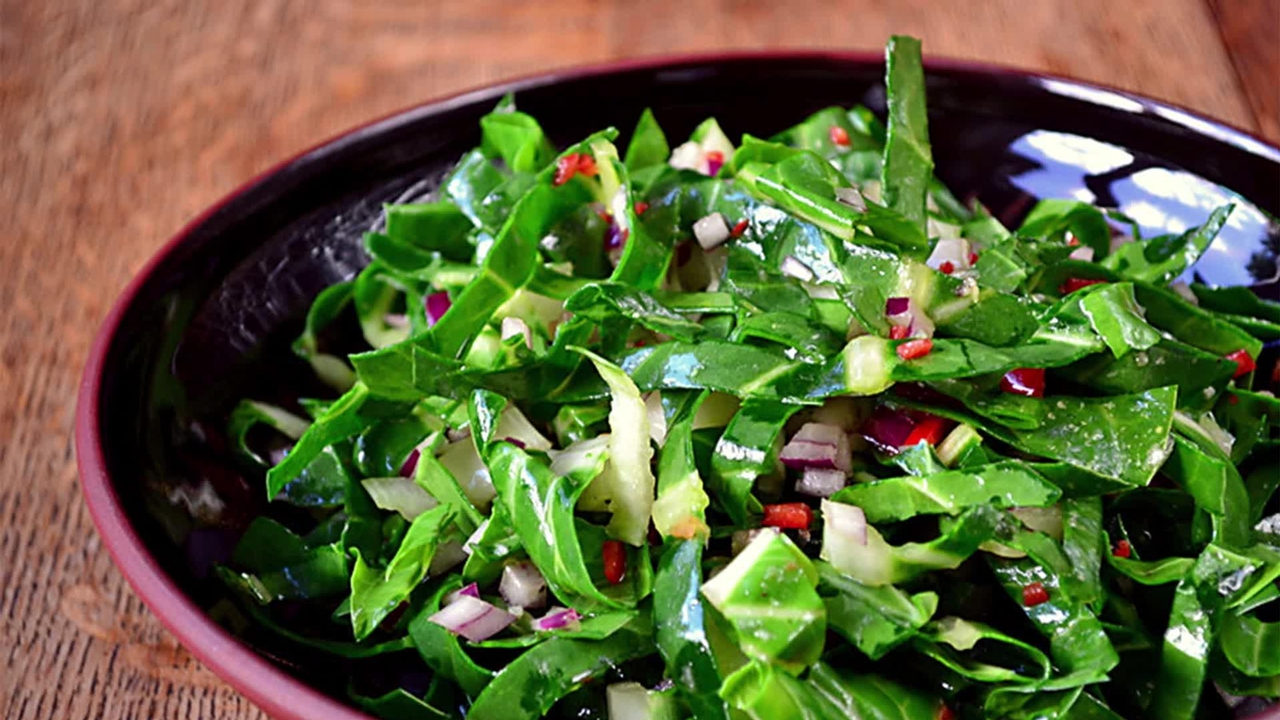
Rainbow Chard Recipe: If you’re looking to brighten up your plate while boosting your health, rainbow chard is your new kitchen hero. This vibrant, colorful leafy green isn’t just beautiful—it’s absolutely packed with flavor and nutrition.
Whether you’re a total beginner in the kitchen or a seasoned home cook looking for a new go-to side, this step-by-step rainbow chard recipe will walk you through everything you need to know.
Ready to turn a bunch of chard into a delicious dish? Let’s dive in.
What Is Rainbow Chard?
Rainbow chard is a variety of Swiss chard that features stems in a kaleidoscope of colors—red, yellow, orange, pink, and white. Despite the name, it’s not a separate plant species. It’s a blend of different colored chards bundled together, making it visually stunning and appealing.
It tastes earthy, slightly bitter like spinach, and mildly sweet when cooked. The stems are crunchier than the tender leaves and can be prepared in many creative ways.
Nutritional Benefits of Rainbow Chard
- Low in calories: Ideal for weight management
- Rich in fiber: Aids digestion
- Loaded with vitamins: High in A, C, and K
- Contains minerals: Iron, magnesium, and potassium
- Powerful antioxidants: Great for reducing inflammation
This supergreen isn’t just pretty—it’s powerful too.
Why You’ll Love This Recipe
Perfect Side Dish or Main Course
This recipe is incredibly versatile. Want a quick side for grilled chicken or fish? Done. Need a veggie-forward main dish? Add some chickpeas or eggs, and you’re set.
Vibrant Colors, Bold Flavors
Rainbow chard adds a pop of color to any meal. But it’s not just about looks. When sautéed with garlic and olive oil, it becomes aromatic and flavorful with just the right amount of chew and crunch.
Ingredients You’ll Need
Fresh Produce:
- 1 bunch rainbow chard (about 10–12 large leaves)
- 3 cloves garlic (minced)
- 1 small onion or shallot (optional, finely chopped)
Pantry Staples:
- 2 tbsp olive oil (extra virgin preferred)
- Salt (to taste)
- Black pepper (to taste)
- ½ tsp crushed red pepper flakes (optional for heat)
Optional Add-ons:
- 1 tbsp lemon juice or zest
- 2 tbsp grated Parmesan cheese
- Toasted nuts (pine nuts or walnuts)
- A splash of balsamic vinegar
Equipment You’ll Need
- Large sauté pan or skillet
- Cutting board
- Sharp knife
- Colander or salad spinner
- Wooden spoon or spatula
Preparation Tips Before Cooking
How to Wash and Prep Rainbow Chard
Rainbow chard grows close to the ground, so it often comes with a bit of dirt or grit. Fill a large bowl with cold water, submerge the leaves, and swish them around. Drain, then rinse under running water. Use a salad spinner or towel to dry thoroughly—wet leaves will steam instead of sauté.
Tips for Cutting the Stems and Leaves
- Slice off the very ends of the stems—they’re too tough to cook.
- Separate stems from leaves: Hold the stem and gently tear or cut the leaf away.
- Chop stems into ½-inch pieces (they need more cooking time).
- Roll the leaves into a bundle and slice into ribbons.
Step-by-Step Guide to Cooking Rainbow Chard
Step 1: Wash and Dry Thoroughly
Don’t skip this! Gritty chard can ruin the whole dish. Give it a good soak, rinse, and dry before moving forward.
Step 2: Separate Stems and Leaves
The stems are much tougher than the leaves and need to cook longer. Separate them now to ensure even cooking later.
Step 3: Chop the Chard
Use a sharp knife to chop the stems and leaves separately. Make sure everything is cut to similar sizes so it cooks evenly.
Step 4: Heat the Oil
Place your skillet over medium heat. Add the olive oil and let it heat for 1–2 minutes until shimmering.
Step 5: Sauté the Aromatics
Add garlic (and onions if using) to the hot oil. Stir constantly for about 1–2 minutes until fragrant but not browned.
Step 6: Cook the Stems First
Toss in the chopped chard stems. Cook for 3–4 minutes, stirring occasionally. They should start to soften and turn slightly golden.
Step 7: Add the Leaves
Now add the chopped leaves. Stir to coat them in the oil and mix with the stems. They’ll begin to wilt almost immediately.
Step 8: Season to Taste
Sprinkle with salt, pepper, and red pepper flakes. Keep cooking for another 2–3 minutes, until the leaves are fully wilted but still bright.
Step 9: Optional Flavor Boosters
Now’s the time to personalize it! Add lemon juice for brightness, cheese for richness, or balsamic vinegar for tang. Stir well.
Step 10: Serve and Enjoy
Remove from heat and serve immediately as a side or a main dish. This pairs beautifully with proteins, grains, or a slice of crusty bread.
Different Ways to Use Cooked Rainbow Chard
Cooked rainbow chard is super versatile. Once you’ve sautéed it to perfection, you’re not limited to just one way to enjoy it. Here are some simple and delicious ideas to stretch this recipe into multiple meals:
In Pasta
Toss your cooked chard with freshly boiled pasta, a drizzle of olive oil, grated Parmesan, and a pinch of chili flakes. Add some lemon zest, and you’ve got an effortless, restaurant-style pasta that feels fancy but takes no time.
Want to bulk it up? Throw in cooked chicken, chickpeas, or cannellini beans. The chard blends beautifully with creamy or tomato-based sauces, too.
On Toast
Looking for a quick lunch? Top a thick slice of sourdough with a spoonful of rainbow chard, a poached or fried egg, and a little sprinkle of feta or goat cheese. You’ll never look at toast the same way again.
With Grains or Eggs
Rainbow chard is a fantastic pairing for quinoa, rice, or farro. Make a grain bowl by layering your base, adding the chard, and topping it with roasted veggies or a jammy egg. It’s filling, balanced, and packed with nutrients.
You can even stir rainbow chard into scrambled eggs or a frittata. It adds color, flavor, and an earthy twist that takes your eggs to the next level.
Rainbow Chard Recipe Variations
The beauty of this dish is how flexible it is. Below are a few ways to tweak the basic recipe depending on your mood, ingredients on hand, or flavor preferences.
Garlicky Lemon Rainbow Chard
Love a little zing? Add extra garlic and a generous squeeze of lemon juice right at the end of cooking. It wakes up the flavors and gives the dish a bright, clean finish. Top with lemon zest for a citrusy kick.
Spicy Rainbow Chard with Chili Flakes
Craving heat? Use ½–1 tsp of red pepper flakes while sautéing the garlic. Want even more fire? Add a diced jalapeño or a few dashes of your favorite hot sauce. This variation pairs perfectly with rice or as a spicy taco filling.
Creamy Rainbow Chard with Parmesan
For a comforting, cozy twist, stir in a tablespoon of heavy cream or a splash of milk after the chard is cooked. Add 2–3 tablespoons of grated Parmesan and stir until creamy and smooth. It becomes rich without being heavy—perfect for cold nights.
Storage and Reheating Tips
How to Store Leftovers
Store any leftover cooked rainbow chard in an airtight container in the refrigerator. It will stay fresh for up to 4 days. Because chard is a tender green, it doesn’t freeze very well after it’s cooked—it tends to become mushy.
If you want to prep in advance, wash, chop, and store the raw chard in the fridge for 2–3 days. Just cook when ready.
How to Reheat Without Losing Flavor
The best way to reheat is in a skillet over medium-low heat with a splash of water or olive oil. Stir occasionally until warmed through.
Microwaving is okay, but it can dull the vibrant color and make it soggy. If you go that route, use a microwave-safe dish, cover loosely, and heat for 45–60 seconds.
Frequently Asked Mistakes to Avoid
Even the simplest recipes have a few pitfalls. Avoid these common missteps:
- Overcrowding the pan: This causes the chard to steam instead of sauté.
- Skipping the stem prep: Tough, chewy stems can ruin the texture if not cooked long enough.
- Not drying the leaves properly: Wet leaves make your dish watery.
- Overcooking: Chard should be tender but still a little vibrant. Don’t cook it into mush.
Rainbow Chard Recipe Nutritional Facts
Here’s a quick look at what you’re putting on your plate:
| Nutrient | Per 1 cup cooked |
|---|---|
| Calories | ~35 |
| Protein | 3g |
| Fiber | 4g |
| Vitamin A | 220% DV |
| Vitamin C | 35% DV |
| Vitamin K | 700% DV |
| Iron | 22% DV |
| Magnesium | 10% DV |
This is why nutritionists love rainbow chard—it packs a serious punch for such a low-calorie dish.
Rainbow Chard vs Swiss Chard: What’s the Difference?
Technically, rainbow chard is Swiss chard—just a mix of different-colored varieties. Swiss chard usually comes with solid green leaves and white stems. Rainbow chard is a blend of red, pink, yellow, orange, and white-stemmed chards bundled together.
Taste-wise? They’re nearly identical. You can use them interchangeably in recipes.
Final Thoughts: Make Rainbow Chard a Kitchen Staple
Rainbow chard is one of those rare veggies that’s as beautiful as it is healthy. This simple sauté recipe brings out its best traits: earthy flavor, slight crunch, and bold color. It takes minimal ingredients, cooks quickly, and can be served in countless ways.
Whether you’re meal prepping, eating more greens, or just looking for a reliable weeknight side, rainbow chard deserves a spot in your rotation. Once you try this recipe, you’ll wonder how you ever lived without it.
FAQs about Rainbow Chard Recipe
1. Can I eat rainbow chard stems?
Yes! The stems are not only edible but also delicious when cooked properly. Just be sure to sauté them a bit longer than the leaves.
2. What does rainbow chard taste like?
It has a slightly bitter, earthy taste with a hint of sweetness, similar to spinach but heartier.
3. Can I use frozen chard for this recipe?
Fresh is best for texture and color, but if using frozen, thaw and squeeze out excess water before cooking.
4. Is rainbow chard good for meal prep?
Absolutely. Cooked chard keeps well in the fridge and can be added to meals throughout the week.
5. What protein pairs best with rainbow chard?
Try it with grilled chicken, salmon, tofu, or even a fried egg. Its versatility means it pairs well with almost anything.
Conclusion
Cooking rainbow chard doesn’t have to be complicated. With just a few steps and some pantry staples, you can whip up a dish that’s healthy, tasty, and visually stunning. Follow this step-by-step guide, try the variations, and enjoy the many ways to use this vibrant green. Whether you’re eating it solo or mixing it into pasta, toast, or bowls, one thing’s for sure—rainbow chard is about to become your new veggie obsession.