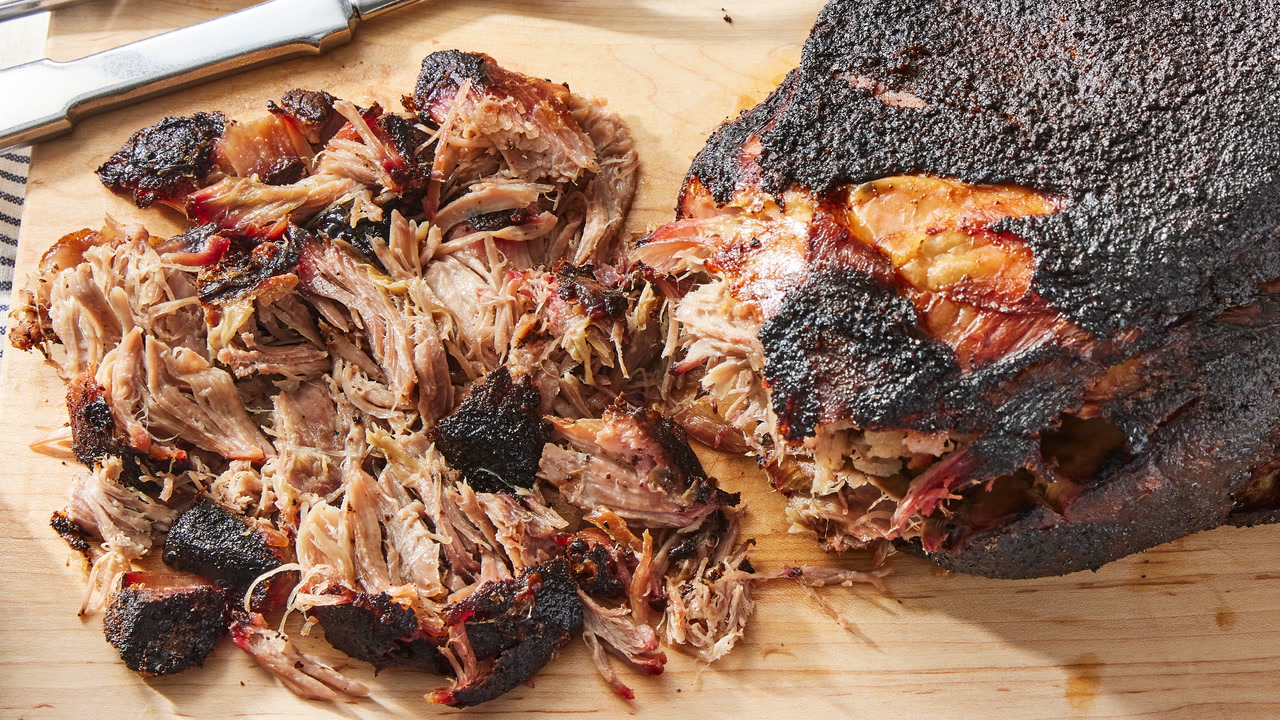
Pulled Pork Smoker Recipe: Is there anything more satisfying than the first bite of perfectly smoked pulled pork? Juicy, tender, and full of smoky flavor, pulled pork is the ultimate BBQ classic that never fails to impress. Whether you’re planning a backyard cookout, a family gathering, or just craving something smoky and savory, learning how to make pulled pork in a smoker is a game-changer.
The best part? You don’t have to be a professional pitmaster to nail it. With the right ingredients, the proper techniques, and a little bit of patience, you’ll be able to create pulled pork that’s melt-in-your-mouth delicious, every single time. This guide will walk you through everything—from choosing the right cut of meat to seasoning, smoking, and serving up your masterpiece.
So, grab your apron, fire up your smoker, and let’s dive into the delicious world of smoked pulled pork. It’s time to go low and slow!
What is Pulled Pork?
Pulled pork is a Southern BBQ staple that has become a beloved dish across the U.S. and beyond. It’s made by slow-cooking pork—typically the shoulder or butt—until it’s so tender you can pull it apart with just a couple of forks. The result? Shredded, smoky, flavorful meat that practically melts in your mouth.
What makes pulled pork so special is its ability to absorb flavors from dry rubs, smoke, and even the natural juices of the pork itself. It’s rich, moist, and versatile enough to be served in sandwiches, tacos, sliders, or even on its own.
In BBQ culture, pulled pork is more than just a dish—it’s a process and a tradition. From smoking wood to spice blends and cooking techniques, everyone has their own version. But no matter how you do it, the key is slow and steady cooking that brings out the best in the pork.
Why Use a Smoker for Pulled Pork?
You might wonder: why go through all the effort of smoking pork when you could throw it in a slow cooker or roast it in the oven? Here’s the deal—nothing compares to the flavor that a real smoker gives. When you smoke meat, you infuse it with deep, complex flavors that can’t be replicated any other way.
A smoker lets you maintain low temperatures for long periods of time, which is perfect for breaking down the connective tissues in pork shoulder. That’s how you get that super tender, pull-apart texture. And don’t forget the bark—that dark, crispy, flavorful crust on the outside that forms from the dry rub and smoke. It’s BBQ gold.
Plus, you get to experiment with different types of wood—applewood for sweetness, hickory for bold flavor, cherry for a subtle fruitiness. The smoker is where the magic happens, and once you taste smoked pulled pork, there’s no going back.
Best Cut for Pulled Pork
Not all pork is created equal when it comes to making pulled pork. The absolute best cut for this dish is the pork shoulder, also known as Boston butt. Despite the name, the Boston butt actually comes from the upper part of the shoulder, not the rear end.
This cut is perfect for low-and-slow cooking because it has the right balance of meat, fat, and connective tissue. As it cooks, the fat renders down and the collagen breaks apart, making the meat juicy and tender.
You’ll often see options like:
- Bone-in pork shoulder: Great for flavor, but takes a bit longer to cook.
- Boneless pork shoulder: Easier to handle and shred, cooks a little faster.
Avoid lean cuts like pork loin or tenderloin—they’ll dry out quickly and won’t give you that rich, shreddable texture you’re after.
Ingredients You’ll Need
Before you fire up that smoker, gather your ingredients. Here’s what you’ll need for this pulled pork recipe:
Main Ingredients:
- 6 to 8 lb pork shoulder (bone-in or boneless)
- Olive oil or yellow mustard (as binder)
Dry Rub Ingredients:
- 1/4 cup brown sugar
- 2 tbsp paprika (smoked or sweet)
- 1 tbsp garlic powder
- 1 tbsp onion powder
- 1 tbsp kosher salt
- 1 tbsp black pepper
- 1 tsp cayenne (optional for heat)
- 1 tsp cumin
Optional Ingredients:
- Apple cider vinegar or apple juice (for spritzing)
- BBQ sauce (for serving)
- Buns, pickles, slaw (for sandwiches)
You can always adjust the rub based on your taste—sweeter, spicier, or even add some coffee grounds for a smoky punch. The binder (like mustard or oil) helps the rub stick to the meat and creates that delicious bark during the cook.
Essential Equipment for Smoking Pulled Pork
If you’re aiming for that perfect pulled pork texture and flavor, having the right equipment can make a huge difference. While it’s possible to get by with just a basic smoker, a few key tools will elevate your smoking game and help you avoid common pitfalls.
Here’s what you’ll need:
- Smoker – You can use offset smokers, pellet grills, electric smokers, or even a kamado-style grill like the Big Green Egg. Each has its pros and quirks, but as long as it maintains low, steady heat, you’re good to go.
- Meat thermometer or probe – This is non-negotiable. Internal temperature matters more than cooking time. A dual-probe wireless thermometer lets you monitor the internal temp of both your smoker and the meat without lifting the lid.
- Aluminum foil or butcher paper – For wrapping the pork during the stall (we’ll cover that shortly). Butcher paper allows some smoke in while helping retain moisture.
- Spray bottle – Used for spritzing the pork during the cook to keep it moist and help build that tasty bark.
- Heat-resistant gloves – Handling a hot pork shoulder isn’t fun without proper gloves. Look for ones made for BBQ.
- Meat claws or forks – Shredding meat with forks works, but meat claws make it faster and more fun.
- Cutting board and drip tray – A large cutting board helps when pulling the pork, and a tray catches all those savory juices.
These tools aren’t expensive, and once you have them, you’ll be ready to smoke pulled pork (and much more) like a pro.
How to Prepare the Pork Shoulder
Preparation is key when it comes to smoking meat. Rushing through this step can mean uneven flavor and texture, so give your pork shoulder the love it deserves.
Trim the Fat (But Not All of It)
Start by trimming off any thick, hard pieces of fat on the outside of the pork shoulder. You want some fat to remain to help keep the meat moist, but too much will prevent the seasoning from penetrating the meat and won’t render well.
Apply a Binder
Before applying the rub, coat the pork with a thin layer of olive oil or yellow mustard. Don’t worry—mustard won’t affect the flavor. It simply helps the seasoning stick better and aids in forming that magical bark during smoking.
Generously Season the Meat
Apply your rub all over the pork, covering every side and crevice. Don’t be shy here—the rub is the flavor foundation. Massage it in and make sure it’s evenly distributed.
Let It Sit
For deeper flavor, you can wrap the rubbed pork in plastic wrap and let it sit in the fridge for 8–12 hours (overnight is perfect). If you’re short on time, letting it rest for just 30 minutes before smoking still makes a difference.
Pulled Pork Rub Recipe
The dry rub is where the flavor journey starts. A great rub balances sweet, savory, spicy, and smoky elements. You can make your own (and you should—it’s easy), or use a high-quality store-bought one in a pinch.
Classic Pulled Pork Rub Ingredients:
- 1/4 cup brown sugar – Sweetness and caramelization
- 2 tbsp paprika – Adds color and mild spice
- 1 tbsp garlic powder
- 1 tbsp onion powder
- 1 tbsp kosher salt
- 1 tbsp black pepper
- 1 tsp cayenne pepper – Adjust for heat level
- 1 tsp ground cumin – For that earthy, smoky edge
Mix it all together and store in an airtight container. This rub works for more than just pork, too—try it on ribs or chicken!
You can experiment by adding coffee grounds for bitterness, mustard powder for tang, or even ground chipotle for smokier heat. Tailor it to your taste and make it your signature.
Setting Up Your Smoker
Now that the meat is prepped, it’s time to focus on the smoker. Proper setup is critical to a consistent, flavorful cook.
1. Choose Your Wood Wisely
Different woods give different flavors:
- Hickory: Strong, traditional BBQ flavor
- Applewood: Sweet and mild
- Cherry: Slightly fruity with rich color
- Oak: Balanced and great for beginners
- Pecan: Nutty and sweet
Try a blend of hickory and fruitwood for balanced flavor.
2. Preheat and Stabilize the Temperature
Get your smoker up to 225°F (107°C). This is the magic number for pulled pork—hot enough to break down collagen slowly, but not so hot it dries out. Let it stabilize before placing the meat in.
3. Place a Water Pan
If your smoker allows, place a pan of water near the heat source. This helps regulate temperature and keeps the smoking environment moist, preventing the meat from drying out.
Step-by-Step Smoked Pulled Pork Cooking Process
Let’s walk through the full cooking process, one step at a time. This is where the magic happens.
Step 1: Prep and Season the Pork
You’ve already applied the rub and let it rest. Now, let it come to room temp for about 30–45 minutes before placing it in the smoker.
Step 2: Fire Up the Smoker
Make sure your smoker is preheated to a steady 225°F (107°C). Add your chosen wood chunks or pellets and let the smoke start flowing.
Step 3: Smoke the Pork
Place the pork shoulder fat side up on the grates. Close the lid and let it absorb all that smoky goodness.
Step 4: Spritz Every Hour
Starting after the first 2 hours, use a spray bottle to mist the pork every hour with apple juice or apple cider vinegar. This helps keep the meat moist and enhances the bark.
Step 5: The Stall and Wrapping
At around 160°F (71°C), the meat will hit “the stall”—an annoying plateau where the temp stops rising. Don’t panic. Wrap the pork tightly in aluminum foil or butcher paper and return it to the smoker. This traps heat and helps push through the stall.
Step 6: Cook Until 203–205°F Internal
Continue cooking until the internal temp reaches 203–205°F (95°C). This is the sweet spot for pulled pork—it means the connective tissues have broken down and the meat is tender enough to shred.
Step 7: Let It Rest
Don’t skip this. Rest the wrapped pork in a cooler or on the counter for at least 1 hour. This allows juices to redistribute and makes shredding easier.
Step 8: Pull and Shred
Remove the bone (it should slide right out), then use meat claws or forks to shred the pork. Mix in some of the juices from the foil for extra flavor and moisture.
Internal Temperature for Perfect Pulled Pork
If you want pulled pork that shreds effortlessly and melts in your mouth, temperature is everything. One of the biggest mistakes beginners make is relying solely on cooking time instead of monitoring internal temperature.
Safe vs. Ideal Temperature
- The USDA considers pork safe to eat at 145°F (63°C)—but that’s way too low for pulled pork.
- For perfect pulled pork, you need to go low and slow until the internal temp hits 203–205°F (95°C).
Why? Because pork shoulder is full of collagen and connective tissue, which only break down properly at higher temps. If you stop too early, the meat will be tough and chewy—not exactly what we’re aiming for.
Use a Good Thermometer
Invest in a reliable meat thermometer or wireless probe. Insert it into the thickest part of the meat, avoiding the bone. Don’t rely on guesswork—pulled pork is all about precision.
Pro Tip: As the meat approaches 200°F, poke it with a probe or skewer. If it slides in like butter, you’ve nailed it.
How Long Does It Take to Smoke Pulled Pork?
The golden rule: Plan for 1.5 to 2 hours per pound at 225°F (107°C). So, an 8-pound pork shoulder could take 12 to 16 hours from start to finish.
Here’s a rough timeline:
| Pork Weight | Smoking Time (Unwrapped) | With Wrap (Texas Crutch) |
|---|---|---|
| 5 lbs | 8–10 hours | 6–8 hours |
| 8 lbs | 12–16 hours | 9–12 hours |
| 10 lbs | 14–18 hours | 10–13 hours |
What Affects Cook Time?
- Outside temperature and wind
- Smoker consistency
- Whether you wrap or not
- How often you open the lid
Don’t Rush It
Pulled pork doesn’t like being rushed. If you’re cooking for a party, plan ahead and give yourself a buffer. It’s always better to finish early and keep the pork warm than serve undercooked meat.
Tips for Juicy and Flavorful Pulled Pork
Let’s be honest—dry pulled pork is a tragedy. Here’s how to guarantee moist, tender results every time.
1. Spritz or Mop Regularly
After the first couple of hours, begin spritzing every 45–60 minutes with:
- Apple juice
- Apple cider vinegar + water (50/50)
- Beer or broth
This keeps the surface moist, prevents it from drying out, and helps form that crispy bark.
2. Use the Texas Crutch
When the internal temp stalls (usually around 160°F), wrap the pork tightly in butcher paper or foil. This helps retain moisture and push the pork through the stall faster.
Butcher paper lets it breathe a bit more than foil, keeping the bark crisper.
3. Rest Before Shredding
Resting the pork for at least 1 hour after cooking allows the juices to redistribute. If you slice or shred right away, all that moisture runs out, leaving dry meat behind.
4. Mix Back the Juices
Don’t throw away the juices collected in the foil or paper! Pour them back into the shredded pork to add richness and flavor.
Serving Ideas for Pulled Pork
Pulled pork is the ultimate crowd-pleaser, and it’s incredibly versatile. Once it’s shredded and juicy, there’s no wrong way to serve it.
Classic Pulled Pork Sandwiches
- Soft buns or brioche rolls
- Creamy coleslaw on top
- Pickles for tang
- BBQ sauce optional (or on the side)
Other Tasty Ideas:
- Tacos: Top with pineapple salsa, slaw, and chipotle mayo
- Nachos: Layer with cheese, jalapeños, black beans, and sour cream
- Sliders: Mini buns for party appetizers
- Pulled Pork Mac & Cheese: Comfort food dream
- Pulled Pork Pizza: BBQ base with red onion and cheddar
Whether you’re keeping it traditional or going gourmet, pulled pork brings bold flavor to any dish.
Storage and Reheating Tips
Leftover pulled pork is a gift from the BBQ gods. Here’s how to keep it fresh and reheat without losing flavor or texture.
Storing Pulled Pork
- Fridge: Store in an airtight container for up to 4 days
- Freezer: Freeze in portions for up to 3 months. Use vacuum sealing or freezer-safe bags.
Add a splash of reserved juices or BBQ sauce before sealing to keep it moist.
Reheating Methods
- Oven (best method): Place pork in a covered dish with a splash of juice or broth, heat at 300°F (150°C) until warm.
- Stovetop: Low heat with a lid, stirring occasionally.
- Microwave: Not ideal but quick. Add moisture and cover with a damp paper towel.
Avoid overcooking when reheating—it dries out fast.
Common Mistakes to Avoid
Even experienced grillers can mess up pulled pork. Here’s what to watch out for:
1. Not Using a Thermometer
Guessing the doneness = tough or undercooked pork. Always check internal temp.
2. Rushing the Process
Don’t crank up the heat to finish faster. Low and slow is the only way to go.
3. Skipping the Rest Period
Skipping the rest leads to dry pork. Always give it at least 1 hour to relax.
4. Opening the Smoker Too Often
Every time you peek, you lose heat and smoke. Trust the process and monitor with a thermometer instead.
5. Not Wrapping at the Stall
The stall is real. Wrapping helps power through it without drying out the meat.
FAQs about Pulled Pork Smoker Recipe
1. Can I make pulled pork a day in advance?
Yes! In fact, the flavor often improves overnight. Store it with the juices and reheat slowly before serving.
2. What wood chips are best for smoking pork?
Hickory, apple, cherry, and oak are all excellent choices. Mix fruitwood with hardwood for balanced flavor.
3. Can I use store-bought rub?
Absolutely. Just look for one with low sugar if you’re smoking at higher temps to avoid burning.
4. How do I keep pulled pork moist?
Spritz during smoking, wrap during the stall, rest after cooking, and mix in juices after pulling.
5. Do I need to inject the pork shoulder?
It’s optional. If you want added flavor and moisture, a simple apple juice or broth injection works great—but it’s not required.
Conclusion
Smoking pulled pork might take time and patience, but the reward is so worth it. The smoky aroma, juicy meat, and crowd-pleasing flavor make it a BBQ favorite for good reason. Whether you’re a beginner or a seasoned pitmaster, following this step-by-step guide will ensure your pulled pork is tender, flavorful, and unforgettable every time.
Remember, great BBQ isn’t rushed. It’s crafted with love, smoke, and a whole lot of passion.
So fire up that smoker and make your next cookout legendary.