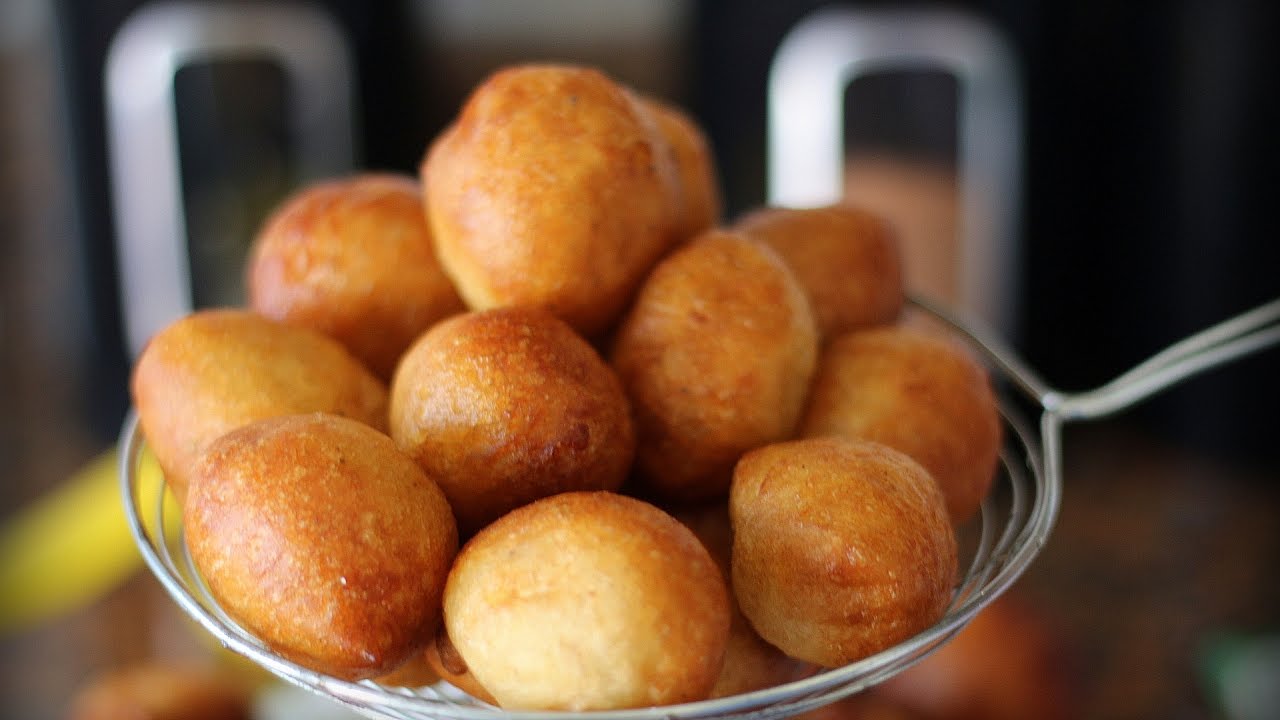
Puff Puff Recipe: If you’ve ever attended a Nigerian party, festival, or street fair, chances are you’ve been lucky enough to bite into a soft, warm, and slightly sweet ball of puff puff. This beloved West African snack is crispy on the outside, fluffy on the inside, and incredibly addictive. Think of it as Africa’s answer to doughnuts—but with fewer ingredients and a unique flavor all its own.
Puff puff is more than just food—it’s part of childhood memories, festive celebrations, and everyday snacking. Whether you’re a beginner in the kitchen or just someone craving a taste of home, this guide will walk you through everything you need to know to make the perfect puff puff at home. From ingredients to troubleshooting and even variations, you’ll find everything here. So, roll up your sleeves—because once you learn this recipe, you’ll want to make it over and over again!
List of Ingredients You’ll Need
Here’s a simple list of the ingredients needed to make the classic puff puff recipe. These ingredients are probably already in your kitchen!
| Ingredient | Quantity |
|---|---|
| All-purpose flour | 2 cups |
| Sugar | 1/2 cup |
| Instant dry yeast | 2 teaspoons |
| Lukewarm water | 1 1/4 cups |
| Salt | 1/4 teaspoon |
| Nutmeg (optional) | 1/2 teaspoon |
| Vegetable oil (for frying) | As needed |
Substitutes & Tips:
- Flour: Use only all-purpose flour for that classic texture. Avoid self-raising flour unless you’re tweaking the recipe.
- Yeast: Instant dry yeast works best, but if you’re using active dry yeast, proof it first in warm water with a pinch of sugar.
- Nutmeg: While optional, it adds a subtle depth of flavor that elevates your puff puff. You can substitute with cinnamon or omit entirely.
- Sugar: Adjust based on how sweet you want your puff puff—some like it dessert-sweet, others prefer it mildly sweet.
Tools and Equipment Required
To make puff puff, you don’t need a professional kitchen. These basic tools will do the trick:
- Large mixing bowl
- Measuring cups and spoons
- Wooden spoon or spatula
- Deep fryer or deep saucepan
- Slotted spoon
- Clean kitchen towel or plastic wrap
- Paper towels (for draining oil)
Beginner Tip:
Make sure your mixing bowl is large enough to allow the dough to rise. The dough will at least double in size during proofing!
Understanding Puff Puff: What Makes It Special?
Puff puff is one of those recipes that brings people together. Its roots run deep in West Africa, especially Nigeria, Ghana, and Cameroon. While every country—and even every family—has their own twist on it, the base remains the same: flour, yeast, sugar, and water.
What makes puff puff truly special is its simplicity and versatility. The exterior is golden and slightly crispy, while the inside is light, airy, and chewy. The flavor is subtly sweet, making it ideal for snacking or pairing with savory sides like hot pepper sauce or suya.
Puff puff is also incredibly adaptable. You can add spices, stuff it with fillings, or dip it in chocolate. Whether eaten fresh or stored for later, it always brings joy.
How to Prepare Puff Puff Dough
This is the most important step. The texture and taste of your puff puff depend on a properly mixed and well-risen dough.
Steps:
- Activate Yeast (if not using instant):
Dissolve your active dry yeast in warm water (not hot) with a pinch of sugar. Let it sit for 5–10 minutes until frothy. If using instant yeast, you can skip this. - Mix Ingredients:
In a large bowl, combine flour, sugar, salt, and nutmeg. Add the yeast mixture (or instant yeast) and gradually add lukewarm water. Mix with a wooden spoon or your hand until smooth and stretchy. - Consistency Check:
The dough should be thick and stretchy but not too firm. It should look like thick pancake batter. - Cover and Let It Rise:
Cover the bowl with a clean kitchen towel or plastic wrap. Let it sit in a warm place for 1–2 hours until it doubles in size.
Step-by-Step Guide to Making Puff Puff
Once your dough has risen and is full of air bubbles, you’re ready to start frying. Here’s a full breakdown of the steps to get that perfect golden brown puff puff every time.
1. Preparing the Dough
Your dough should now be airy and stretchy. Give it a quick stir to knock out some of the bubbles. You don’t need to knead it—just enough to bring it back together.
2. Heat the Oil
Pour enough vegetable oil into a deep saucepan or fryer—at least 2 to 3 inches deep. Heat on medium until the oil reaches about 350°F (175°C). If you don’t have a thermometer, drop a small amount of dough in the oil. If it rises to the top and sizzles gently, the oil is ready.
3. Shape the Puff Puff
Using your hand or a spoon, scoop small amounts of dough and drop it gently into the oil. Traditional puff puff is made by grabbing a handful of dough and squeezing it through your fingers to form a ball, then dropping it into the oil.
If you’re not comfortable using your hand, use an ice cream scoop or two spoons.
4. Fry in Batches
Don’t overcrowd the pan! Fry 4–6 pieces at a time depending on the size of your pot. This allows each puff puff to fry evenly and keeps the oil temperature stable.
5. Turn While Frying
Use a slotted spoon to turn the puff puffs so they brown evenly on all sides. Fry for 4–6 minutes or until they’re golden brown.
6. Drain Excess Oil
Once done, remove from the oil and place on paper towels to drain the excess oil. Let them cool slightly before serving.
This frying step is where the magic happens. When you get the oil temperature just right and fry in small batches, your puff puff will be perfectly golden, crisp on the outside, and soft on the inside.
Pro Tips for Perfect Puff Puff Every Time
Everyone wants puff puff that looks as good as it tastes. Here’s how to avoid rookie mistakes and get pro-level results.
1. Get the Right Consistency
Your batter should be sticky and stretchy—not runny or too thick. If it’s too watery, your puff puff may absorb too much oil. If it’s too stiff, it won’t puff up well.
2. Let It Rise Fully
Don’t rush the dough rising process. The yeast needs time to do its job. If your dough hasn’t doubled in size, give it more time or find a warmer place in your kitchen.
3. Use the Right Temperature
Too hot, and the outside will brown too fast while the inside remains raw. Too cool, and your puff puff will soak up oil and become greasy.
Test the oil with a bit of dough before frying the full batch.
4. Practice the Drop
Getting that perfect round shape takes practice. Try using your hand or a small scoop and aim for consistency in size. Smaller pieces cook more evenly.
5. Avoid Overmixing After Proofing
Once the dough has risen, don’t overmix it or knock out all the air. Stir lightly and go straight to frying.
How to Make Puff Puff Without Yeast
No yeast? No problem! You can still make delicious puff puff using baking powder or self-rising flour. The texture will be slightly different—less chewy—but still tasty.
Ingredients:
- 2 cups self-rising flour or all-purpose flour + 2 teaspoons baking powder
- 1/2 cup sugar
- 1 cup water
- 1/4 teaspoon salt
- Nutmeg (optional)
- Oil for frying
Steps:
- Mix dry ingredients in a bowl.
- Gradually add water and stir to form a sticky dough.
- Let it rest for 15–20 minutes (not for rising, but to hydrate).
- Heat oil and fry as usual.
This version is quicker and great for last-minute cravings, but it won’t have that signature yeasty aroma.
Sweet vs. Savory Puff Puff Variations
Puff puff is like a blank canvas. With a few tweaks, you can take it in so many directions.
Sweet Puff Puff:
- Add vanilla extract or a splash of milk.
- Roll in powdered sugar or cinnamon sugar after frying.
- Dip in melted chocolate or drizzle with caramel.
Savory Puff Puff:
- Mix chopped onions, chili peppers, or herbs into the dough.
- Add garlic powder or black pepper for extra flavor.
- Serve with spicy tomato sauce or suya.
These variations make puff puff perfect for any occasion—whether it’s a party appetizer or a sweet breakfast treat.
How to Serve Puff Puff
Puff puff is super versatile when it comes to serving. You can go traditional or totally gourmet—up to you!
Popular Serving Ideas:
- Plain with a cup of tea or coffee
- Dusted with powdered sugar for dessert
- With spicy pepper sauce for a savory snack
- Dipped in honey or chocolate for a sweet touch
Want to go the extra mile? Serve it with a sprinkle of coconut flakes, crushed peanuts, or a side of fruit jam. Puff puff can be as humble or as fancy as you like.
How to Store Leftover Puff Puff
Let’s be honest—puff puff rarely lasts long enough to need storing. But on the rare chance you have leftovers, storing them properly can make all the difference between soft and chewy the next day or dry and rubbery.
At Room Temperature:
- Let the puff puff cool completely before storing.
- Place them in an airtight container or sealable plastic bag.
- Keep at room temperature for up to 2 days.
- Line the container with a paper towel to absorb excess moisture.
In the Refrigerator:
- Store in a sealed container to prevent drying out.
- Reheat in the microwave for 15–20 seconds or in an oven at 300°F (150°C) for 5–7 minutes.
- While refrigeration extends shelf life by a few days, it may cause them to lose some fluffiness.
Pro Tip: Don’t store puff puff while it’s still warm—this traps steam inside the container and makes them soggy.
Can You Freeze Puff Puff?
Yes! Puff puff freezes surprisingly well, which makes it a perfect make-ahead snack or party treat. Here’s how to do it right.
How to Freeze Puff Puff:
- Allow puff puff to cool completely after frying.
- Spread them out on a baking sheet and freeze for about 2 hours until solid. This prevents them from sticking together.
- Transfer to a freezer-safe zip-lock bag or container.
- Label with the date—they’ll stay good for up to 2 months.
How to Reheat Frozen Puff Puff:
- Oven Method (Best): Preheat oven to 350°F (175°C). Arrange puff puff on a tray and heat for 8–10 minutes until warm.
- Microwave (Faster): Wrap a few pieces in a damp paper towel and microwave for 30–45 seconds. They’ll be soft but not as crispy.
Frozen puff puff tastes nearly as good as fresh, especially when reheated properly. Great for school snacks, party prep, or midnight cravings!
Nutrition Facts and Calories
Puff puff is a treat, so while it’s not exactly a health food, enjoying it in moderation is totally fine. Here’s a rough estimate of the nutritional value for 1 medium-sized puff puff (based on the classic recipe):
| Nutrient | Amount |
|---|---|
| Calories | 100–120 kcal |
| Carbohydrates | 15g |
| Fat | 5g |
| Protein | 2g |
| Sugar | 4g |
| Fiber | <1g |
| Sodium | 40mg |
Want to Make It Healthier?
- Use whole wheat flour (may change the texture).
- Cut down the sugar.
- Bake instead of frying (less traditional but lower fat).
- Use an air fryer for a crispier but lower-calorie version.
Puff Puff Around the World
While puff puff is a West African classic, there are variations of this delightful snack all over the world. Different regions have their own take, but the idea is always the same—fried dough goodness.
Nigeria
Classic version with sugar, nutmeg, and yeast. Often served plain or with spicy dips.
Ghana (Bofrot or Boflot)
Slightly larger, more golden, and sometimes with a spicier flavor. Coconut milk is often used.
Cameroon (Beignets)
Denser and often eaten with beans or sprinkled with sugar.
Similar Snacks Around the World:
- Loukoumades (Greece): Fried dough balls soaked in honey and cinnamon.
- Beignets (New Orleans): Square-shaped, fluffy, and loaded with powdered sugar.
- Zeppole (Italy): Fried dough sometimes filled with cream or jelly.
- Sfenj (Morocco): Ring-shaped fritters, light and airy, coated in sugar.
No matter where you go, fried dough brings comfort. Puff puff is Africa’s version of that universal joy.
Troubleshooting Common Problems
Sometimes, things don’t go quite right in the kitchen. Here are quick fixes for the most common puff puff issues:
1. Puff Puff Too Oily
- Oil was not hot enough.
- You overcrowded the pot, which dropped the oil temperature.
- Batter was too runny and absorbed too much oil.
Fix: Ensure oil is at least 350°F (175°C) and don’t overcrowd the pan.
2. Puff Puff Didn’t Rise
- Yeast was expired or water was too hot/cold.
- Didn’t give the dough enough time to rise.
Fix: Use fresh yeast, make sure the water is lukewarm (not hot), and be patient with the rising time.
3. Puff Puff Too Hard or Dense
- Batter was too thick or overmixed.
- Didn’t rise properly before frying.
Fix: Add more water to get the right consistency and allow proper proofing time.
4. Puff Puff Tastes Bland
- Not enough sugar or nutmeg.
- Used too much flour compared to sugar.
Fix: Adjust your ingredient ratios next time. A dash of vanilla can also enhance flavor.
FAQs about Puff Puff Recipe
1. Can I make puff puff without sugar?
Yes, but it may taste a bit bland. You can reduce the sugar or use a sugar substitute, but flavor will vary.
2. What’s the best oil to fry puff puff?
Neutral oils like vegetable, canola, or sunflower oil work best. Avoid strong-tasting oils like olive oil.
3. Can I use baking powder instead of yeast?
Yes, but the texture will be different—less chewy and more cakey. Still tasty, though!
4. Why did my puff puff come out flat?
Your oil might have been too hot or your batter too runny. Also, make sure your dough rose properly.
5. How long does puff puff last?
Stored at room temperature, it’s best within 2 days. Refrigerated or frozen puff puff lasts longer with proper storage.
Conclusion
There you have it—the ultimate guide to making puff puff like a pro. Whether you’re trying it for the first time or looking to perfect your technique, this recipe gives you all the tools to succeed. The best part? It’s simple, satisfying, and a total crowd-pleaser.
So grab your mixing bowl, heat up that oil, and get ready to impress your family, friends—or just yourself—with a batch of golden, crispy, delicious puff puff. Trust me, one bite and you’ll understand why this snack has won hearts across Africa and beyond.