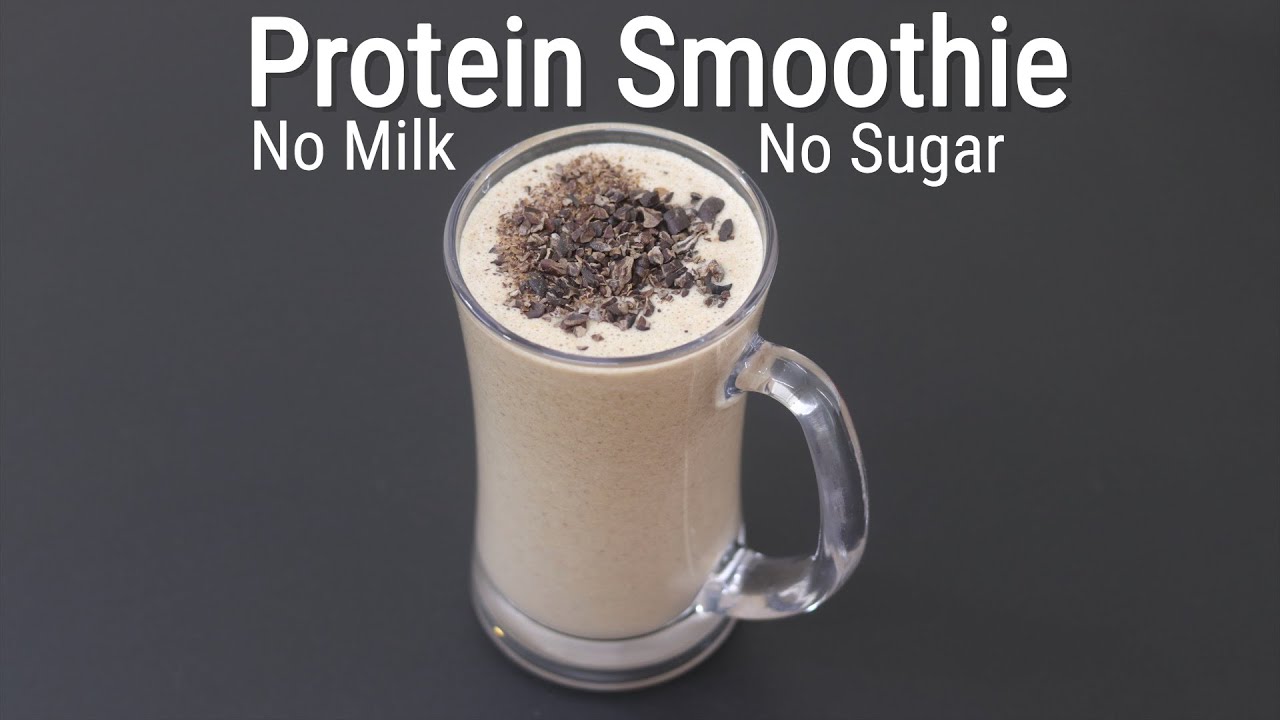
Protein Smoothie Recipe: Ever felt too rushed in the morning to make breakfast, or too tired after a workout to cook something nutritious? That’s exactly where protein smoothies come to the rescue. Think of them as your go-to fuel—fast, easy, and full of nutrients. Whether you’re an athlete, a student, or just someone trying to eat healthier, protein smoothies are a game-changer.
This guide breaks down everything you need to know—from what to put in your smoothie to how to make it taste amazing. Let’s get blending!
Benefits of Protein Smoothies
Protein smoothies are like superheroes in a cup. Why? Because they combine convenience with serious nutrition. First off, they’re quick. You can make one in under five minutes—less time than it takes to scroll through your feed. They’re also incredibly customizable. Want something fruity? Done. Craving chocolate? You got it.
Here are some key benefits:
- Post-workout recovery: Protein helps rebuild muscles. Adding it to your smoothie after a workout can speed up recovery and reduce soreness.
- Weight management: A smoothie packed with protein and fiber keeps you full longer. That means fewer cravings and less snacking.
- Nutrient boost: Toss in spinach, chia seeds, or some Greek yogurt, and suddenly, you’ve got a nutrition-packed meal in a glass.
- Great for busy lifestyles: No need to cook or prep complicated meals. Just blend and go.
Whether you’re trying to build muscle, lose weight, or simply stay healthy, protein smoothies are an easy win.
List of Ingredients You’ll Need
Let’s build the perfect protein smoothie. Here’s what you’ll need:
1. Protein Sources:
- Protein powder (whey, pea, soy, hemp, etc.)
- Greek yogurt
- Nut butters (peanut, almond)
- Cottage cheese
2. Fruits:
- Bananas (for creaminess)
- Berries (strawberries, blueberries, raspberries)
- Mango
- Pineapple
- Apples or pears (for fiber)
3. Vegetables:
- Spinach (tasteless but nutrient-rich)
- Kale
- Zucchini
- Cucumber
- Frozen cauliflower (yes, trust me—it works!)
4. Liquid Base:
- Water
- Milk (dairy or non-dairy like almond, oat, soy, coconut)
- Coconut water
- Cold brew coffee (for a morning energy hit)
5. Boosters and Extras:
- Chia seeds
- Flaxseeds
- Oats
- Honey or maple syrup
- Cinnamon, cocoa powder, vanilla extract
- Ice (especially if using fresh fruits instead of frozen)
Mix and match these ingredients to create your ideal flavor and texture. Now, let’s go through how to actually make it step-by-step.
Choosing the Right Protein Powder
Protein powder can make or break your smoothie. With so many types out there, it’s important to choose one that suits your dietary needs and tastes good.
Whey Protein: It’s the most popular type for a reason. Whey is fast-digesting and excellent for muscle recovery. However, it’s not ideal if you’re lactose intolerant or vegan.
Plant-Based Protein: Options like pea, rice, soy, or hemp protein are great for vegans or those avoiding dairy. They tend to be easier on digestion and hypoallergenic.
Things to Look For:
- At least 20g of protein per serving
- No added sugars or artificial sweeteners
- Clean ingredients with minimal additives
What to Avoid:
- Long lists of unrecognizable ingredients
- Artificial flavors and fillers
- Cheap blends with low protein content
Pro tip: If the taste of your protein powder is unpleasant, it’ll ruin the whole smoothie. Try small sample packs before committing to a large container.
Best Fruits to Use in Protein Smoothies
Fruits add natural sweetness, fiber, and essential vitamins. Here are top choices for your smoothie:
Bananas: Creamy and naturally sweet. Great base for any smoothie.
Berries: Strawberries, blueberries, raspberries, and blackberries are packed with antioxidants and low in sugar. They also add a rich, vibrant color.
Mango: Tropical and juicy. Adds sweetness and smoothness.
Pineapple: Adds a tangy kick and vitamin C.
Frozen Fruits: Keep a bag in your freezer—they add texture and chill without needing ice.
Want your smoothie extra cold and thick? Go frozen. Want it easy to blend and light? Use fresh fruits.
Vegetables That Blend Well
Sneaking veggies into your smoothie? Genius move. Here are some that blend well without making your drink taste like a salad:
Spinach: Mild flavor, rich in iron and folate. Perfect for green smoothies.
Kale: Slightly more bitter than spinach, but still great in smoothies—especially when mixed with sweet fruits.
Zucchini: Mild and creamy. A great way to bulk up your smoothie without adding calories.
Cauliflower (frozen): Sounds weird, but it adds a creamy texture and is loaded with fiber. Plus, you won’t taste it.
Cucumber: Refreshing and hydrating. Great for a light, clean taste.
You can mix in a handful of greens and your smoothie still tastes like dessert. Try it!
Liquid Base Options
Your choice of liquid can completely change the flavor, texture, and nutritional value of your protein smoothie. It’s not just about blending things up—it’s about building a perfect drink that suits your goals.
Here are some popular liquid bases to consider:
1. Milk (Dairy & Non-Dairy):
- Cow’s Milk: Offers calcium, vitamin D, and additional protein. Whole milk gives a creamy texture, while skim milk keeps it lighter.
- Almond Milk: Low in calories and subtly nutty. Great for people who are lactose-intolerant.
- Oat Milk: Creamy and slightly sweet. Perfect for thick smoothies.
- Soy Milk: High in protein, making it a good dairy alternative.
2. Water:
Not the most exciting choice, but if you’re watching calories or want to keep things simple, water is a neutral and hydrating option.
3. Coconut Water:
Naturally sweet, full of electrolytes, and ideal for post-workout smoothies. It keeps you hydrated and adds a tropical vibe.
4. Cold Brew Coffee or Green Tea:
Want a morning energy boost? Try blending in cold brew or green tea. Both add flavor and caffeine to kickstart your day.
Pro Tip:
Start with about 1 cup (8 oz) of liquid and adjust from there depending on your desired thickness. If your smoothie is too thick, add more liquid—if too thin, reduce next time or toss in more frozen ingredients.
Healthy Add-ins to Boost Nutrition
This is where your smoothie goes from basic to powerhouse. These healthy add-ins not only enhance the flavor but also significantly increase the nutritional value.
Nut Butters (Peanut, Almond, Cashew):
- Adds healthy fats, protein, and a creamy texture.
- Great for keeping you full longer.
- A tablespoon goes a long way—don’t overdo it if you’re watching calories.
Seeds (Chia, Flax, Hemp):
- Chia seeds: Add omega-3s, fiber, and thicken your smoothie as they absorb liquid.
- Flaxseeds: Rich in fiber and lignans (a type of antioxidant). Best used ground for better absorption.
- Hemp seeds: Soft and nutty, high in complete protein.
Oats:
- Add fiber and make your smoothie more filling.
- Use rolled oats for better texture.
- Soaking them beforehand helps them blend smoother.
Greek Yogurt:
- Creamy texture with a big protein punch.
- Adds probiotics for gut health.
Natural Sweeteners (optional):
- If your smoothie needs a bit more sweetness, try a touch of honey, maple syrup, or a Medjool date.
- Be cautious—fruits already add natural sugars.
Spices & Flavors:
- Cinnamon, vanilla extract, cocoa powder, nutmeg—these tiny touches can completely transform your smoothie.
Add-ins are all about personalizing your smoothie to your taste and health needs. Mix and match depending on your mood!
Step-by-Step Guide to Making a Protein Smoothie
Now that you’ve got all your ingredients lined up, let’s walk through exactly how to make a protein smoothie from scratch.
Step 1: Choose Your Liquid Base
Pour 1 to 1.5 cups of your chosen liquid (milk, almond milk, coconut water, etc.) into your blender. This helps everything blend smoothly and prevents your ingredients from sticking to the blades.
Step 2: Add Your Protein Source
Scoop in your protein powder or add Greek yogurt, cottage cheese, or nut butter. This step is crucial if you’re drinking your smoothie for muscle recovery, energy, or as a meal replacement.
Step 3: Add Fruits and Vegetables
- Add 1 banana or ½ cup of berries (or any fruit combo you love).
- Toss in a handful of greens like spinach or kale.
- Optional: a few chunks of zucchini or cauliflower for fiber and creaminess.
Step 4: Add Your Boosters
This is where the magic happens. Add a tablespoon of flaxseeds, oats, chia seeds, or a drizzle of honey. Want extra flavor? Add a pinch of cinnamon or cocoa powder.
Step 5: Toss in Ice or Frozen Ingredients
To make your smoothie thick and cold, add a handful of ice or use frozen fruits. This step gives your smoothie that milkshake-like texture.
Step 6: Blend It All Together
Start slow to break up large chunks, then ramp up to high for about 30-60 seconds. Blend until it’s smooth and creamy.
Step 7: Taste and Adjust
Give it a quick taste. Too thick? Add a bit more liquid. Too bitter? Toss in a sweetener or more fruit. Not creamy enough? Add more banana or yogurt.
Pour into a glass, and you’re done. That’s your perfect protein smoothie, made just the way you like it.
Tips for Making Your Smoothie Thicker or Thinner
Getting the texture right is key. Some like it drinkable, others like it spoonable. Here’s how to control the consistency:
To Thicken Your Smoothie:
- Use frozen fruits or vegetables instead of fresh.
- Add a banana, Greek yogurt, or avocado for creaminess.
- Throw in oats, chia seeds, or ice cubes.
- Use less liquid—start small and add more only if needed.
To Thin Out Your Smoothie:
- Add more milk, water, or coconut water.
- Blend in juicy fruits like oranges or watermelon.
- Don’t overdo the thickeners—balance is key.
Pro Tip:
Let your smoothie sit for a few minutes before drinking if it has chia seeds or oats—they’ll thicken over time!
Common Mistakes to Avoid
Even though making a protein smoothie seems easy, a few simple mistakes can turn your nutritious drink into a sugar-loaded, weird-tasting mess. Let’s talk about what to avoid so your smoothie always turns out delicious and healthy.
1. Adding Too Much Sugar
Many people load up their smoothies with sweetened yogurt, flavored protein powder, fruit juice, and honey—all in one blend. That adds up to a sugar bomb.
✔️ Fix it: Stick to unsweetened liquids and use natural, whole fruits like bananas or berries for sweetness. Only add sweeteners like honey or maple syrup if necessary.
2. Overdoing the Fruit
Yes, fruit is healthy—but even natural sugars can spike your blood sugar if you use too much. Two to three types of fruit are plenty.
✔️ Fix it: Balance fruit with greens, protein, and healthy fats so your smoothie is satisfying and not just a sugar rush.
3. Ignoring Portion Sizes
Smoothies are meant to be a meal or snack—not a dessert disguised as health food. If you use three servings of nut butter and two bananas, you might be drinking 600+ calories without realizing it.
✔️ Fix it: Measure ingredients when you’re learning. Eventually, you’ll get a good feel for how much is “just right.”
4. Poor Blending Order
If you throw everything in randomly, you may end up with chunks or overwork your blender.
✔️ Fix it: Always start with liquids, then soft ingredients, and finish with frozen items and hard veggies.
5. Using Low-Quality Protein Powder
Cheap protein powders can have artificial sweeteners, fillers, and questionable ingredients. They also tend to taste bad, ruining the whole smoothie.
✔️ Fix it: Invest in a clean, high-quality protein powder. Read labels and avoid products with long lists of additives.
Avoiding these common pitfalls will keep your smoothies tasting great and help you get the most nutritional value out of every blend.
Best Time to Drink a Protein Smoothie
When should you actually have a protein smoothie? It depends on your goals. Here’s a breakdown:
1. Post-Workout (30–60 minutes after exercise): After exercising, your muscles need protein and carbs to recover. A protein smoothie gives you both—quickly and efficiently.
- Ideal for: Muscle growth, recovery, and reducing soreness
- Add-ins: Fast-digesting protein (like whey), banana, berries, and coconut water
2. Breakfast (Morning Routine): Starting your day with a smoothie can give you energy, focus, and a good dose of nutrients.
- Ideal for: Busy mornings, jump-starting metabolism
- Add-ins: Oats, Greek yogurt, peanut butter, fruits
3. Meal Replacement (Lunch or Dinner): If you’re on-the-go or trying to manage calories, a protein smoothie can replace a full meal.
- Ideal for: Weight management, busy schedules
- Add-ins: Protein + healthy fats + fiber (nut butter, seeds, avocado, leafy greens)
4. Snack Between Meals: A light smoothie with fewer calories can help you avoid unhealthy snacks.
- Ideal for: Keeping hunger at bay
- Add-ins: Light fruit, plant-based milk, a half scoop of protein
Pro Tip: Try not to rely on smoothies alone. While they’re amazing, whole foods should still make up the bulk of your daily meals.
Simple Protein Smoothie Recipes to Try
Here are three quick and delicious protein smoothie recipes to get you started. Each one takes just 5 minutes to make!
1. Banana Peanut Butter Blast
Perfect for: Breakfast or post-workout
- 1 banana
- 1 scoop vanilla protein powder
- 1 tbsp peanut butter
- ½ cup Greek yogurt
- 1 cup almond milk
- Dash of cinnamon
- Ice cubes
Blend until creamy. Tastes like a milkshake—but healthy!
2. Berry Green Power
Perfect for: Antioxidant boost and recovery
- 1 cup mixed berries (frozen)
- 1 handful spinach
- 1 scoop unflavored or vanilla protein powder
- ½ cup oat milk
- 1 tbsp chia seeds
- 1 tsp honey (optional)
Blend well for a vibrant, tangy smoothie packed with nutrients.
3. Tropical Protein Punch
Perfect for: Refreshing post-workout drink
- ½ cup pineapple chunks (frozen)
- ½ cup mango
- 1 banana
- 1 scoop coconut or vanilla protein powder
- 1 cup coconut water
- 1 tbsp flaxseed
Blend and imagine you’re on a beach vacation—yes, it’s that good.
How to Store Your Smoothie
Making a smoothie in advance? Totally possible—but there are a few things you should know to keep it fresh and tasty.
Storing in the Fridge:
- Store in a tightly sealed jar or bottle (like a mason jar)
- Fill it to the top to minimize air, which causes oxidation
- Keep refrigerated and consume within 24–48 hours
- Shake or stir before drinking—it may separate
Freezing Your Smoothie:
- Pour into ice cube trays or freezer-safe bags
- When ready, blend frozen cubes with a little liquid for a fresh smoothie
- This is also great for smoothie prep (freeze ingredients together, then blend when needed)
Avoid These Mistakes:
- Don’t add chia seeds if storing overnight—they’ll thicken too much
- Avoid bananas if you’re freezing—they can brown and affect the flavor
- Don’t store with dairy if you’re letting it sit for more than 24 hours
Fresh is always best, but storing smoothies can save time on busy days.
Customizing for Dietary Needs
One of the best parts about protein smoothies? You can easily tailor them to fit your personal dietary needs or restrictions. Whether you’re vegan, gluten-free, or watching your carbs, there’s a perfect smoothie combo for you.
Vegan-Friendly Smoothies
Ditching animal products? No problem! Here’s how to make your smoothie 100% plant-based:
- Use plant-based protein powders (like pea, rice, soy, or hemp).
- Choose non-dairy milk (almond, oat, soy, coconut).
- Add nut butters, chia seeds, and plant-based yogurts for creaminess.
- Include fruits and veggies as your base for natural sweetness and fiber.
Bonus Tip: Add spirulina or matcha for a superfood boost.
Dairy-Free Options
If you’re lactose intolerant or avoiding dairy for any reason:
- Avoid whey protein and dairy milk.
- Stick with plant proteins and coconut or oat milk.
- Use avocado or banana for creaminess in place of yogurt.
Gluten-Free Smoothies
Most smoothies are naturally gluten-free, but be cautious with add-ins like oats or certain protein powders.
- Use certified gluten-free oats.
- Always check labels on protein powders and nut butters.
Low-Carb or Keto-Friendly Smoothies
Trying to cut carbs? You can still enjoy protein smoothies—just tweak a few things:
- Use unsweetened almond milk or coconut milk as the base.
- Skip sugary fruits—use berries sparingly.
- Add avocado, spinach, chia seeds, cocoa powder, and nut butters.
- Choose a low-carb protein powder, like whey isolate or keto-specific blends.
The beauty of smoothies is their flexibility. You can literally build the perfect one to meet your lifestyle, health goals, and taste preferences.
FAQs about Protein Smoothie Recipe
1. Can I make protein smoothies without protein powder?
Absolutely! You can use natural protein sources like Greek yogurt, cottage cheese, nut butters, tofu, or even cooked quinoa. These still give you a solid protein boost without needing powder.
2. What’s the best blender for smoothies?
High-powered blenders like Vitamix, Ninja, or NutriBullet are excellent for breaking down frozen fruits and leafy greens. Even basic blenders can work—just blend a little longer and in stages.
3. How long does a protein smoothie last?
Fresh smoothies are best consumed right away, but they can be stored in the fridge for up to 24–48 hours. Just shake it up before drinking. You can also freeze smoothies for longer storage.
4. Is it okay to drink a smoothie every day?
Yes! If you’re using whole, healthy ingredients and balancing your nutrients (protein, fiber, healthy fats), a daily smoothie can be a great addition to your diet.
5. Can kids drink protein smoothies?
Yes, with a few adjustments. Skip the protein powder unless recommended by a pediatrician, and use whole food sources like milk, yogurt, nut butters, or seeds for protein. Keep sugar content low and stick to natural ingredients.
Conclusion
Protein smoothies are more than just a trend—they’re a lifestyle tool. Whether you’re fueling up after a tough workout, need a quick breakfast, or just want to sneak more nutrients into your day, smoothies are a powerful way to stay healthy and energized.
What makes them even better? They’re totally customizable. From choosing your favorite protein powder to throwing in fruits, veggies, healthy fats, and superfoods, you control the flavor, texture, and nutrition. Just remember to avoid common pitfalls like too much sugar or poor blending order, and you’ll be on your way to smoothie perfection.
Now that you’ve got the full guide—from ingredients to storage tips—you’re ready to blend like a pro. So grab your blender, stock up your kitchen, and start creating your favorite combos today.
Cheers to your health—one smoothie at a time! 🥤