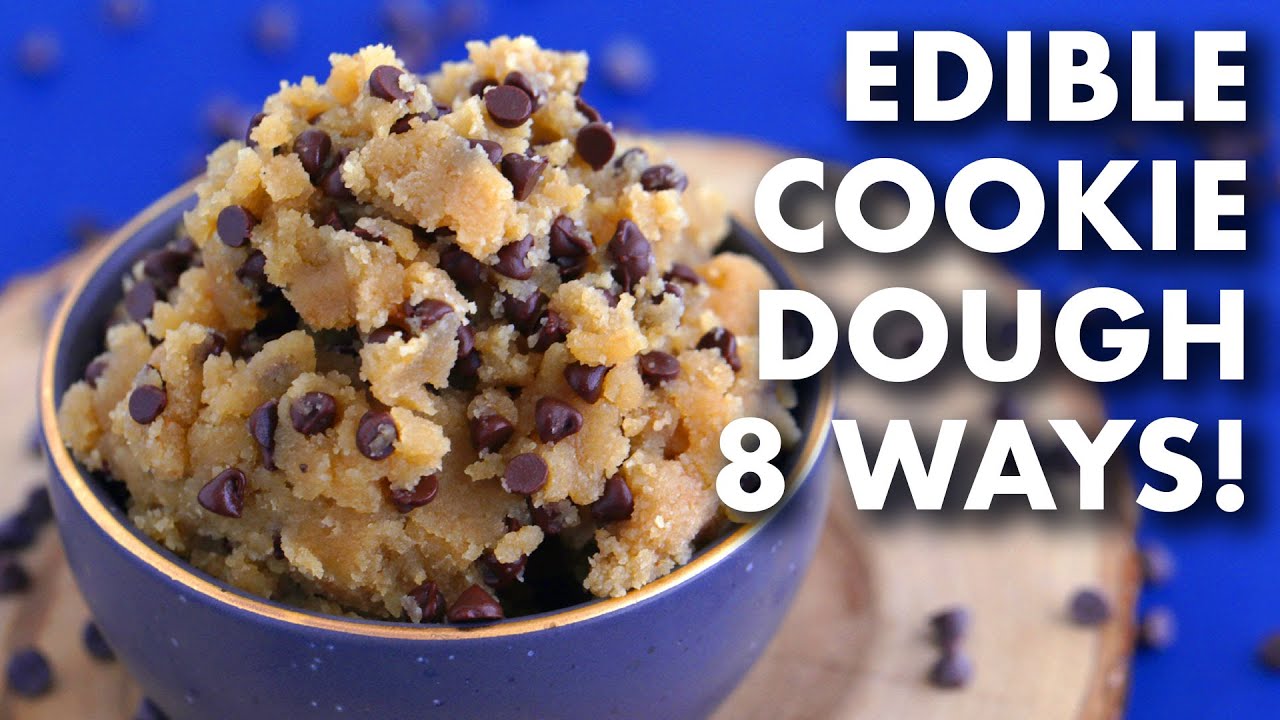
Protein Cookie Dough Recipe: Craving cookie dough but want to keep it healthy? Enter protein cookie dough—a treat that satisfies your sweet tooth without derailing your nutrition goals. Unlike traditional cookie dough, which is loaded with refined sugar and unhealthy fats, this version swaps in protein powder, nut butters, and natural sweeteners. The result is a snack that not only tastes delicious but also fuels your body with the nutrients it needs.
The best part? You don’t even need to turn on the oven. This recipe is no-bake, quick to prepare, and can be enjoyed in multiple ways—straight from the spoon, rolled into protein bites, or used as a topping for smoothie bowls. Whether you’re a fitness enthusiast, a busy student, or simply someone who enjoys guilt-free desserts, this guide will walk you through everything you need to know to make the perfect batch.
Why Protein Cookie Dough is a Healthy Snack Option
Traditional cookie dough is undeniably tasty but often packed with white flour, white sugar, butter, and sometimes even raw eggs—ingredients that aren’t exactly aligned with a healthy lifestyle. Protein cookie dough flips that narrative by using wholesome ingredients that support muscle recovery, satiety, and overall wellness.
The key ingredient is protein powder, which helps balance out the carb-heavy profile of standard cookie dough. Instead of giving you a quick sugar spike followed by a crash, protein cookie dough provides sustained energy. Add in nut butter for healthy fats, oat or almond flour for fiber, and natural sweeteners like honey or maple syrup, and you’ve got a snack that feels indulgent but works with your body instead of against it.
Another bonus is customization. You can make it vegan, gluten-free, or low-carb depending on your dietary needs. Unlike store-bought protein snacks, which often come with additives and preservatives, homemade protein cookie dough gives you complete control over what goes in.
Benefits of Adding Protein to Your Desserts
Adding protein to desserts isn’t just a fitness trend—it has real benefits:
- Muscle Support: Protein is essential for repairing and building muscle tissue, making it a smart addition for anyone who exercises.
- Satiety: Protein helps you feel full for longer, which can prevent overeating.
- Balanced Nutrition: Desserts high in sugar can spike your blood sugar levels. Protein helps slow digestion, preventing those highs and lows.
- Convenience: A protein-rich dessert doubles as a snack or even a light meal replacement in a pinch.
So, instead of reaching for a sugary candy bar, you can whip up protein cookie dough that satisfies cravings while keeping you on track with your health goals.
Ingredients You’ll Need
The beauty of protein cookie dough lies in its simplicity. You don’t need a mile-long grocery list—just a handful of versatile ingredients that you might already have in your pantry.
List of Basic Ingredients
Here’s the foundation for most protein cookie dough recipes:
- Protein Powder – Vanilla or chocolate flavored
- Nut Butter – Peanut butter, almond butter, or cashew butter
- Flour Substitute – Oat flour, almond flour, or coconut flour
- Sweetener – Honey, maple syrup, agave, or sugar-free sweeteners
- Milk – Dairy or non-dairy (almond, oat, soy) to bind the mixture
- Mix-ins – Chocolate chips, cacao nibs, shredded coconut, or crushed nuts
Best Protein Powders for Cookie Dough
The type of protein powder you use makes a big difference in both taste and texture.
- Whey Protein: Creamy texture and blends smoothly, ideal for non-vegan versions.
- Plant-Based Protein: Good for vegans and those with dairy sensitivities, though it can make the dough slightly grainy.
- Casein Protein: Absorbs liquid well and results in a thicker, creamier dough.
When selecting your powder, avoid those with artificial sweeteners that leave a bitter aftertaste. Look for a clean ingredient list with minimal additives.
Substitutions and Alternatives for Dietary Preferences
One of the best things about this recipe is how easily it can be adapted:
- Vegan: Use plant-based protein and non-dairy milk. Swap honey for maple syrup or agave.
- Gluten-Free: Stick with oat flour (certified gluten-free) or almond flour.
- Low-Carb/Keto: Almond or coconut flour works best. Use stevia or monk fruit instead of sugar.
By adjusting just a couple of ingredients, you can make protein cookie dough fit into nearly any diet.
Tools and Equipment Required
Making protein cookie dough doesn’t require a professional kitchen setup. A few basic tools are all you need.
Essential Kitchen Tools
- Mixing Bowls: At least one large bowl for combining ingredients.
- Measuring Cups and Spoons: Accuracy matters, especially for balancing wet and dry ingredients.
- Spatula or Wooden Spoon: For mixing everything together.
Optional Tools for Convenience
- Electric Hand Mixer or Stand Mixer: Speeds up the mixing process and ensures smooth consistency.
- Food Processor: Helpful if you’re grinding oats into flour or want an ultra-smooth dough.
- Cookie Scoop: Makes portioning easier if you want to roll the dough into balls.
Having the right tools ensures you don’t end up with clumpy protein powder or unevenly mixed dough.
Step-by-Step Guide to Making Protein Cookie Dough
Here comes the fun part—actually making the dough! The process is simple, but each step plays a role in achieving the right texture and flavor.
Step 1: Preparing the Dry Ingredients
Start by combining your protein powder and flour substitute in a large mixing bowl. Stir them together to prevent clumps later. This step ensures your protein powder blends evenly throughout the dough.
Step 2: Mixing the Wet Ingredients
In a separate bowl, mix your nut butter, sweetener, and a splash of milk. If your nut butter is too thick, warm it slightly in the microwave for a smoother blend.
Step 3: Combining Wet and Dry Ingredients
Gradually add the wet mixture into the dry bowl. Stir slowly until everything comes together. At this stage, the dough may look crumbly, but don’t worry—you’ll adjust the consistency next.
Step 4: Adjusting Texture and Consistency
Add milk a tablespoon at a time until you reach a cookie-dough-like texture. The dough should be thick enough to hold its shape but soft enough to scoop with a spoon.
Step 5: Adding Mix-ins (Chocolate Chips, Nuts, etc.)
Fold in your favorite extras—mini chocolate chips, chopped nuts, or even dried fruit. This step personalizes your cookie dough to match your taste preferences.
Step 6: Serving and Storing
You can enjoy the dough immediately with a spoon, roll it into bite-sized balls, or store it in the fridge for later. Proper storage helps maintain freshness and texture.
Nutritional Benefits of Protein Cookie Dough
One of the biggest reasons people are falling in love with protein cookie dough is its nutritional profile. Unlike the classic cookie dough you might sneak from the mixing bowl, this version is designed to fuel your body instead of weighing it down. Every spoonful comes packed with protein, fiber, and healthy fats, making it an excellent snack for both fitness lovers and anyone trying to maintain a balanced diet.
Calorie Breakdown per Serving
On average, a serving of protein cookie dough (about two tablespoons) contains:
- 120–150 calories
- 8–12 grams of protein
- 4–6 grams of healthy fats
- 8–10 grams of carbs (depending on the flour and sweetener used)
This makes it a smart alternative to traditional cookie dough, which often comes with double the calories, excessive sugar, and very little protein. By swapping out refined flour and butter for oats, almond flour, and nut butter, you cut out the junk while keeping the flavor.
Protein Content Compared to Regular Cookie Dough
Regular cookie dough is notoriously low in protein. At best, you might get 2–3 grams per serving. Protein cookie dough, however, quadruples that number. This means you’re not just enjoying a sweet treat—you’re giving your body the amino acids it needs for recovery, repair, and muscle growth.
This makes it especially handy for:
- Post-workout recovery snacks
- Midday energy boosts
- Late-night cravings without guilt
Other Nutritional Advantages
Beyond protein, this recipe offers other nutritional perks:
- Fiber: Oat flour and almond flour contribute to better digestion and satiety.
- Healthy Fats: Nut butters provide omega fatty acids that support brain and heart health.
- Low Added Sugar: By using honey, maple syrup, or sugar-free alternatives, you avoid the sugar overload of traditional cookie dough.
When you put all of these together, you get a treat that’s both nutritious and indulgent—something that’s rare in the dessert world.
Variations of Protein Cookie Dough
One of the best things about protein cookie dough is how flexible it is. You can tweak it to fit nearly any diet or flavor preference. Here are some of the most popular variations you can try.
Vegan-Friendly Version
To make your cookie dough vegan, use plant-based protein powder, a dairy-free milk (like almond or oat milk), and a vegan sweetener such as maple syrup or agave. Instead of whey protein, opt for pea protein or brown rice protein for a smooth texture.
Keto and Low-Carb Version
If you’re on a low-carb or keto diet, replace oat flour with almond flour or coconut flour. Use a low-carb sweetener like stevia, monk fruit, or erythritol. Nut butters like almond or macadamia also work well for keeping carbs minimal.
Chocolate Lovers’ Edition
For those who can’t get enough chocolate, use chocolate protein powder, cocoa powder, and dark chocolate chips. You can even add a drizzle of melted dark chocolate on top for an extra indulgent touch.
Peanut Butter Protein Cookie Dough
Peanut butter fans can lean all the way in—use peanut butter protein powder and creamy peanut butter as the base. Toss in some chopped peanuts or peanut butter chips for a truly nutty delight.
By experimenting with these variations, you can keep your snack game exciting and never get bored of the same flavor.
Tips for Perfect Protein Cookie Dough Every Time
Even though this recipe is simple, there are a few tricks to make sure your dough comes out perfect every time.
How to Avoid Dry or Crumbly Texture
One common mistake is ending up with dough that’s too dry. This usually happens when you use too much protein powder or not enough liquid. The fix is simple:
- Add milk one tablespoon at a time until the dough softens.
- Use a creamier nut butter instead of one that’s overly thick.
Choosing the Right Sweetener
The sweetener you pick can completely change the flavor. Honey and maple syrup bring natural sweetness and a little stickiness, which helps bind the dough. Sugar-free options like stevia or monk fruit are great for cutting calories but may slightly alter the taste. Always taste as you go so you can adjust to your preference.
Balancing Flavor with Nutrition
It’s easy to go overboard with chocolate chips, nut butter, or other add-ins. While they’re delicious, they can quickly raise the calorie count. The key is to find the sweet spot—enough mix-ins to make the dough exciting but still balanced nutritionally.
Another pro tip: let the dough chill in the fridge for 15–20 minutes before eating. This allows the flavors to meld and creates a firmer, more authentic cookie dough texture.
Common Mistakes and How to Fix Them
Even a simple recipe like this can go wrong if you’re not careful. Luckily, each issue has an easy fix.
Dough Too Dry
If your dough feels sandy or won’t stick together, it’s lacking moisture. Add:
- A splash of milk
- More nut butter
- Or even a little extra sweetener
Dough Too Sticky
On the other hand, if your dough feels more like batter than dough, it probably has too much liquid. To fix this:
- Add a bit more protein powder
- Mix in extra flour (almond or oat flour works best)
Protein Powder Overpowering the Taste
Sometimes the protein powder can make the dough taste chalky or bitter. This usually means the powder isn’t blending well. To fix this:
- Use a high-quality protein powder with natural flavoring
- Add extra vanilla extract, cinnamon, or cocoa powder to mask the taste
- Balance it out with stronger mix-ins like dark chocolate chips
Once you know how to troubleshoot these common mistakes, you’ll be able to whip up the perfect batch every single time.
Serving Suggestions
Protein cookie dough is versatile, and that’s what makes it such a fun snack to prepare. Once you’ve whipped up a batch, there are endless ways to enjoy it beyond just grabbing a spoon. Here are some creative ideas:
As a Snack
The simplest way to enjoy protein cookie dough is to eat it straight from the bowl. Scoop out a portion, grab a spoon, and indulge guilt-free. Because it’s packed with protein and fiber, you’ll feel satisfied without overdoing it.
For those on the go, consider rolling the dough into small bite-sized balls. These make the perfect portable snack for work, school, or even as a quick pre-workout energy boost. You can roll them in shredded coconut, cocoa powder, or even crushed nuts for extra flavor.
As a Topping for Yogurt or Smoothie Bowls
Want to level up your breakfast or post-workout snack? Add chunks of protein cookie dough on top of Greek yogurt or a smoothie bowl. Not only does it add texture, but it also boosts the protein content of your meal. Pair it with fresh fruit like strawberries, blueberries, or banana slices for a well-rounded treat.
Rolled into Protein Bites
If you like the idea of meal prepping, roll the dough into protein bites and store them in the fridge. They’ll keep well for days and are super easy to grab when you need something quick. Kids love these, too, making them a healthier alternative to sugary candies or processed snacks.
Other Creative Serving Ideas
- Use as a filling for homemade protein bars.
- Spread on top of rice cakes for a crunchy, sweet snack.
- Crumble it over oatmeal or overnight oats for added texture.
The beauty of protein cookie dough is that it’s not just one-dimensional—you can reinvent it in so many ways depending on your cravings.
Storage and Shelf Life
Unlike traditional cookie dough, which contains raw eggs and risks food safety issues, protein cookie dough is safer and more stable. Still, how you store it matters if you want it to taste fresh and maintain its texture.
Refrigerator Storage
The best way to store your cookie dough is in an airtight container in the fridge. It will stay fresh for up to 7 days. Chilling the dough also helps firm it up, giving it that authentic cookie dough consistency. If the dough becomes a little too hard after refrigeration, let it sit at room temperature for 5–10 minutes before serving.
Freezer Storage
If you’ve made a large batch, freezing is a great option. Portion the dough into scoops or roll into balls, place them on a tray to freeze individually, then transfer to a freezer-safe bag or container. This way, they won’t stick together. Frozen dough will last up to 2–3 months.
When ready to enjoy, simply thaw in the fridge overnight or leave at room temperature for 15–20 minutes.
Signs of Spoilage
Although protein cookie dough is more shelf-stable than regular dough, it can still go bad if left out too long. Watch for:
- A sour smell
- Discoloration
- Slimy texture
If you notice any of these, it’s best to discard the batch and whip up a fresh one.
FAQs about Protein Cookie Dough Recipe
1. Can You Bake Protein Cookie Dough?
Technically, yes, but the texture won’t be the same as traditional cookies. Protein powders tend to absorb liquid differently, which can make baked goods dry or dense. If you do want to bake it, add an egg or extra liquid to help soften the texture.
2. Is It Safe to Eat Raw Protein Cookie Dough?
Yes! Unlike classic cookie dough, this recipe contains no raw eggs or raw flour, which means it’s safe to enjoy straight from the bowl.
3. Which Protein Powder Works Best?
Whey protein blends smoothly and tends to give the best texture. Plant-based proteins work well, too, but they can be a little grainy. Casein protein makes for a creamier, thicker dough.
4. Can I Make This Recipe Without Nut Butter?
Absolutely. If you’re allergic to nuts, try using sunflower seed butter, tahini, or even coconut cream as a binder.
5. How Can I Make My Cookie Dough Sweeter Without Adding Sugar?
Use natural sugar alternatives like stevia, monk fruit, or erythritol. Another trick is to use flavored protein powder, which usually adds sweetness without extra sugar.
Conclusion
Protein cookie dough is proof that you don’t have to sacrifice flavor to stay healthy. It’s creamy, indulgent, and customizable, yet loaded with protein and other nutrients your body loves. Whether you enjoy it as a quick snack, a post-workout refuel, or a sweet treat at the end of the day, it’s a recipe you’ll keep coming back to.
With endless variations—from vegan to keto to chocolate-loaded versions—you can always tailor it to your preferences. Plus, it’s safe to eat raw, easy to store, and ready in minutes. No more guilt, no more sugar crashes—just a delicious spoonful of happiness that also fuels your body.
So, next time your sweet tooth calls, skip the cookie jar and whip up a batch of protein cookie dough. Trust me—you won’t miss the real thing.