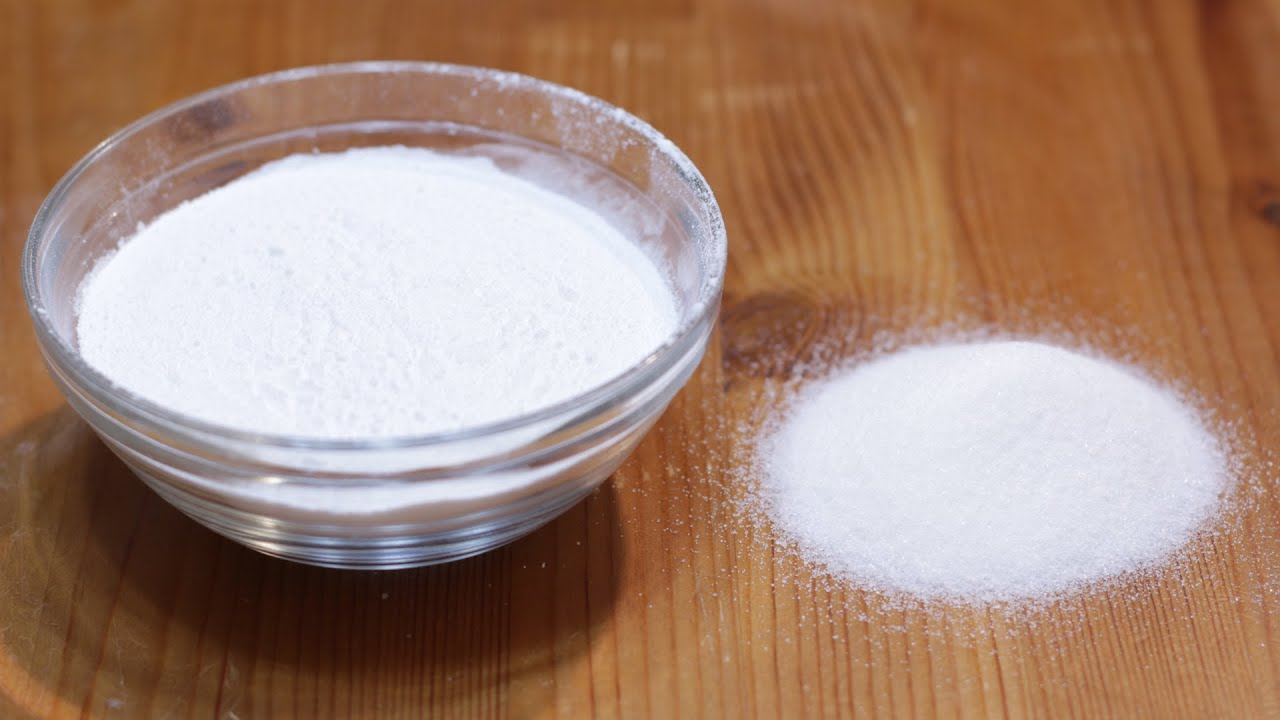
Powdered Sugar Recipe: Ever reached for powdered sugar in the middle of a recipe only to find an empty container? We’ve all been there. Powdered sugar, also known as confectioner’s sugar or icing sugar, is a key ingredient in many baking recipes. From silky buttercream frostings to that delicate dusting on top of brownies and donuts, it’s a must-have in any kitchen. But here’s the thing—you don’t always have to run to the store to get it. With just one main ingredient and a few simple steps, you can make your own powdered sugar right at home.
And trust me, it’s not rocket science. If you have sugar and a blender or food processor, you’re halfway there. Plus, making powdered sugar at home can actually be better than the store-bought version. It’s fresher, customizable, and you avoid unnecessary additives or anti-caking agents.
So, whether you ran out of powdered sugar or just want to try something new, this guide has you covered. Stick around as we break down everything you need to know—from ingredients to storage tips to creative uses.
Benefits of Making Powdered Sugar at Home
Making powdered sugar at home might sound like something only pros do, but it’s super practical. There are some real perks to doing it yourself:
- Cost-Effective: Why spend extra when granulated sugar is usually cheaper and already in your pantry?
- Customizable Texture: You control how fine it gets. Need ultra-fine sugar for macarons or a coarser dusting for pastries? You’ve got options.
- Freshness: Homemade powdered sugar tastes fresher and more natural. There’s no metallic or chemical aftertaste that sometimes sneaks in with pre-packaged brands.
- No Unwanted Additives: Most store-bought powdered sugar includes cornstarch or other anti-caking agents. While they help with storage, you might not want them in all your recipes.
- Small Batches On Demand: You don’t need to make a giant batch. Just whip up what you need for a recipe and avoid waste.
So not only is it super easy to make, but it’s also better for your wallet and your baking.
What You’ll Need – Ingredients and Tools
Before you dive into making your own powdered sugar, let’s quickly go over the ingredients and equipment.
Ingredients:
- Granulated sugar (white sugar is most common)
- Cornstarch (optional)
Tools:
- High-speed blender, spice grinder, or food processor
- Sieve or fine mesh strainer (for sifting)
- Measuring cups or kitchen scale
- Airtight container for storage
You probably already have all of this in your kitchen, which makes this process even more accessible.
List of Ingredients You’ll Need
Alright, let’s break it down clearly. Here’s what you need to make your own powdered sugar:
- Granulated Sugar – This is the base. Regular white sugar works best for classic powdered sugar.
- Cornstarch (Optional) – Use about 1 tablespoon of cornstarch per cup of sugar. It prevents clumping and improves the shelf life of your powdered sugar.
Note: You can skip the cornstarch if you’re using the sugar immediately, like in a glaze or frosting. But for storage? Definitely add it.
It’s really that simple. Just two ingredients—and one is even optional.
Types of Sugar You Can Use
You’re not limited to just white sugar! Depending on your dietary preferences and flavor goals, you can experiment with different types of sugar.
White Sugar
- The most traditional and works best for fluffy, white powdered sugar.
Brown Sugar
- Gives you a darker powdered sugar with a molasses flavor. Great for spiced baked goods.
Coconut Sugar
- Perfect for paleo or refined sugar-free recipes. It turns into a light brown powder with a caramel-like taste.
Raw Sugar or Turbinado Sugar
- Can be used, but since it’s more coarse, you’ll need to blend longer. It also creates a more golden powdered sugar.
Try experimenting in small batches to find what works best for your recipe needs.
Optional Add-Ins for Flavor Variations
Want to get a little fancy with your homemade powdered sugar? Go beyond the basics with a few tasty twists:
- Vanilla Powder – Adds a sweet, aromatic flavor. Use a small pinch.
- Cocoa Powder – Perfect for dusting on chocolate cakes or tiramisu.
- Cinnamon – Adds warmth and depth, ideal for fall or holiday treats.
These variations not only boost flavor but also give your desserts a unique touch. Just mix a tiny bit in after powdering your sugar.
Step-by-Step Guide to Making Powdered Sugar
Let’s get into the heart of this recipe. Here’s your complete, step-by-step guide to making powdered sugar at home:
Step 1: Measure Your Sugar
Start with 1 cup of granulated sugar. This will yield about 1 cup of powdered sugar, give or take depending on the texture.
Step 2: Add Cornstarch (Optional)
If you’re planning to store your powdered sugar or want a finer texture, add 1 tablespoon of cornstarch per cup of sugar.
Step 3: Blend It Up!
Place your sugar (and cornstarch) in a high-speed blender, spice grinder, or food processor. Blend for 30 seconds to 1 minute, or until the sugar turns into a fine, powdery texture.
Tip: Use a towel to cover the blender lid. Sugar dust can escape and make a mess.
Step 4: Sift the Powder
Use a fine-mesh sieve to sift the powdered sugar into a bowl. This removes any lumps and ensures a smooth finish.
Step 5: Store It Properly
Transfer the sifted sugar into an airtight container. Store in a cool, dry place. Add a moisture absorber like a dry rice grain bag if needed.
How Long Does Homemade Powdered Sugar Last?
One of the great things about sugar is its long shelf life—and powdered sugar is no exception. However, since homemade powdered sugar doesn’t contain commercial anti-caking agents (unless you add cornstarch), proper storage is essential to keep it fresh and clump-free.
Storage Tips:
- Use an airtight container: A sealed glass jar or plastic container with a tight-fitting lid will protect your sugar from moisture.
- Keep it cool and dry: Store your powdered sugar in a pantry or cupboard away from direct sunlight, heat, or humidity.
- Label it: Write the date on the container. While sugar doesn’t spoil, freshness is still ideal for recipes.
Shelf Life:
- Without cornstarch: Use within 2-3 weeks for best texture.
- With cornstarch: Can last up to 6 months if stored properly.
If you notice clumps forming, just sift it again before use, and it’ll be good as new.
Tips for Best Results
Even though the recipe is simple, there are a few insider tips to take your powdered sugar game to the next level:
1. Use a High-Speed Blender
Not all blenders are created equal. A high-speed blender like a Vitamix or Ninja will pulverize sugar faster and more finely than a regular model. A coffee or spice grinder also works great for small batches.
2. Blend in Small Batches
Don’t overload your blender. If you’re making a big batch, divide it into smaller portions to ensure even powdering.
3. Don’t Overblend
Blending for too long can cause the sugar to heat up and melt slightly, which might lead to clumping. Stick to short pulses and check frequently.
4. Use Dry Equipment
Any moisture in your blender or storage container will make the sugar clump. Wipe down everything beforehand to keep it completely dry.
5. Let It Settle
After blending, wait a few seconds before opening the lid. Powdered sugar is light and fluffy, and opening the blender too soon can send a sweet cloud all over your kitchen!
Following these tips ensures a smooth texture and perfect consistency every time.
Common Mistakes to Avoid
Let’s be real—sometimes the simplest recipes are the easiest to mess up. Here are a few common mistakes people make when making powdered sugar at home:
1. Using Coarse Sugar Without Blending Enough
If you’re starting with raw or turbinado sugar, it’s naturally coarser. Blend it longer or it’ll stay grainy and won’t work well in frostings.
2. Forgetting Cornstarch for Storage
If you’re planning to store your powdered sugar for more than a few days, don’t skip the cornstarch. Without it, your sugar may clump together.
3. Using a Damp Blender
Even a tiny bit of moisture can ruin the texture. Always use clean, dry equipment.
4. Overheating the Blender
Running your blender for too long can heat the sugar, causing it to melt slightly and clump. Pulse in short bursts instead.
5. Not Sifting After Blending
You might think your sugar looks smooth, but sifting will catch any missed granules or clumps. This is especially important for icing or frosting.
Avoid these common pitfalls, and you’ll have perfect, bakery-quality powdered sugar at home.
Difference Between Powdered Sugar and Other Sugars
Sugar can be confusing, especially with so many types used in baking. Let’s clear up the differences:
Powdered Sugar
- Also called confectioners’ or icing sugar.
- Ultra-fine, powdery texture.
- Often contains cornstarch to prevent clumping.
- Best for frostings, glazes, and dusting.
Caster Sugar
- Finer than granulated sugar but not powdered.
- Dissolves faster in liquids.
- Great for meringues and whipped cream.
Granulated Sugar
- Standard white sugar.
- Best for general baking.
Icing Sugar vs. Confectioners’ Sugar
These are basically the same thing—just different names used in different regions. In the U.S., it’s called confectioners’ sugar, while in the UK and other countries, it’s called icing sugar.
Knowing the difference helps ensure your recipe comes out just right.
How to Use Homemade Powdered Sugar
Once you’ve made your powdered sugar, what can you do with it? Turns out, quite a lot! It’s incredibly versatile and shows up in all kinds of recipes.
1. Baking
Use powdered sugar in cakes, cookies, and macarons. It adds smoothness and sweetness without the grainy texture of regular sugar.
2. Frostings and Glazes
From buttercream to royal icing to simple glazes for donuts, powdered sugar is essential. It dissolves quickly and gives a velvety finish.
3. Dusting
Sprinkle it on brownies, pancakes, waffles, or churros. It adds that perfect final touch that looks great and tastes even better.
4. Whipped Cream
Add a spoonful of powdered sugar while whipping cream—it dissolves faster and adds a subtle sweetness.
5. Homemade Hot Cocoa Mix
Mix it with cocoa powder and a pinch of salt for an instant hot chocolate blend!
The possibilities are endless when it comes to this sweet, fluffy ingredient.
Powdered Sugar Substitutes
Don’t want to use regular sugar? Whether you’re on a special diet or trying out new flavors, here are some great powdered sugar alternatives:
1. Coconut Sugar Powder
Blend coconut sugar into a powder. Great for paleo and refined sugar-free diets. It adds a rich, caramel flavor.
2. Monk Fruit or Erythritol
For a keto or low-carb diet, these sugar-free options work well. Just make sure to blend them into a powder before use.
3. Maple Sugar
Powdered maple sugar has a beautiful maple flavor and works great in fall desserts.
Pro Tip: When substituting in frosting or icing recipes, always do a test batch. Some alternatives behave differently in texture or sweetness.
FAQs about Powdered Sugar Recipe
Let’s cover a few frequently asked questions about making powdered sugar at home:
Why is my powdered sugar grainy?
You probably didn’t blend it long enough. Give it another 30 seconds in the blender, and make sure your sugar is completely dry before starting.
Can I make powdered sugar without a blender?
It’s tough but possible. A mortar and pestle can work for super small amounts, but it won’t be as smooth. A spice grinder is the best blender-free option.
What if I don’t have cornstarch?
Use arrowroot powder or potato starch instead. You can also skip it altogether if you’re using the sugar right away.
Can I store homemade powdered sugar for months?
Yes—but only if you include a starch like cornstarch. It helps prevent clumps and keeps it fresh for 3 to 6 months.
Is powdered sugar just sugar blended with cornstarch?
Pretty much! That’s exactly what it is. The finer texture and anti-caking agent is what makes it different from regular sugar.
Conclusion
Making powdered sugar at home is one of those kitchen tricks that’s surprisingly easy and super useful. All it takes is a blender, a bit of granulated sugar, and a minute of your time. You save money, avoid additives, and can even create custom flavors for special recipes.
Whether you’re baking a cake, making homemade frosting, or just want to level up your pancakes with a sweet dusting, homemade powdered sugar is the way to go. So next time you run out, don’t panic—just blend, sift, and store. You’ve got this!