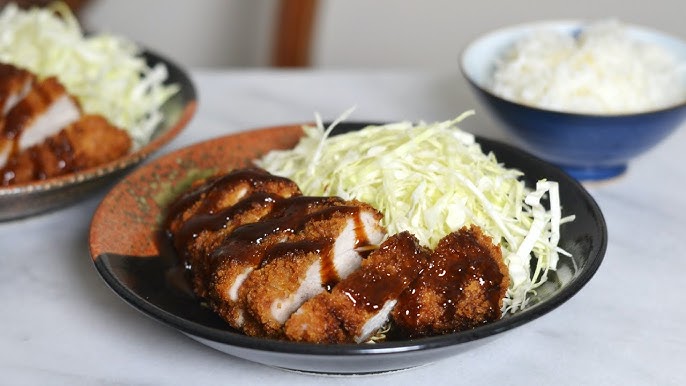
Pork Tonkatsu Recipe: Craving something crispy, juicy, and totally satisfying? Let me introduce you to Pork Tonkatsu—Japan’s irresistible answer to fried pork cutlets. It’s got that golden-brown crunch, a tender and juicy center, and that drizzle of sweet-savory tonkatsu sauce that just hits the spot. Whether you’re new to Japanese cuisine or just love comfort food, this dish is a keeper.
Pork Tonkatsu is a staple in Japanese households, often served with rice, shredded cabbage, and miso soup. It’s one of those meals that looks fancy but is surprisingly easy to make at home. Once you’ve mastered this recipe, you’ll skip the restaurant and opt for your own homemade version every time.
Get ready—we’re diving into the ultimate guide that walks you through each step, with tips, ingredients, and everything you need to know to make authentic pork tonkatsu from scratch.
What is Tonkatsu?
Tonkatsu is a classic Japanese pork cutlet, coated in crispy panko breadcrumbs and deep-fried until golden and crunchy. It’s served with a bold, tangy sauce called tonkatsu sauce, typically alongside shredded cabbage and a side of rice. While it may look like a cousin of schnitzel or southern fried pork, tonkatsu has its own unique identity rooted in Japanese culinary tradition.
The name “Tonkatsu” is a combination of “ton” (meaning pork in Japanese) and “katsu” (short for cutlet). It’s simple, comforting, and absolutely delicious. With its juicy interior and crispy exterior, it’s no wonder tonkatsu is a beloved dish across Japan and around the world.
The Origin of Tonkatsu
Tonkatsu actually has Western roots. It was inspired by European-style meat cutlets introduced to Japan in the late 19th century during the Meiji Era. At that time, Japan was opening up to Western cuisine, and chefs began adapting dishes to suit Japanese tastes.
Originally made with beef, the pork version eventually took over and became more popular. Today, tonkatsu is considered a “yōshoku” (Western-influenced Japanese dish) and is deeply embedded in Japanese cuisine. It’s featured everywhere—from lunchboxes (bento) and family dinners to upscale restaurants and fast-food chains.
Why You’ll Love This Pork Tonkatsu Recipe
So, why should you try this recipe? Because it’s:
- Crispy outside, juicy inside: That golden crust paired with tender pork is unbeatable.
- Quick and easy: Once prepped, it takes less than 10 minutes to fry up a batch.
- Budget-friendly: Basic pantry items and pork chops—done!
- Perfect for meal prep: Cook, slice, and store for bento lunches or weeknight dinners.
- Customizable: Make it spicy, pair it with curry, or use chicken instead of pork!
Even if you’ve never made tonkatsu before, this recipe is beginner-friendly and totally foolproof.
Ingredients You’ll Need
Here’s what you need to make delicious pork tonkatsu at home:
Main Ingredients
- 4 boneless pork loin chops (1/2 inch thick)
- Salt and black pepper (to taste)
For Breading
- 1/2 cup all-purpose flour
- 2 large eggs
- 1 to 1 1/2 cups panko breadcrumbs
For Frying
- Vegetable oil (canola or sunflower oil work great)
- Oil temperature: 340°F (170°C)
Optional: Tonkatsu Sauce
- 1/4 cup ketchup
- 1/4 cup Worcestershire sauce
- 1 tablespoon soy sauce
- 1 tablespoon sugar
- 1 teaspoon Dijon mustard (optional)
Kitchen Tools Required
- Heavy-bottomed frying pan or deep fryer
- Tongs or chopsticks
- Wire rack or paper towels (for draining)
- Meat mallet or the back of a knife (for tenderizing)
- Shallow bowls or plates (for breading station)
- Cooking thermometer (optional but helpful)
How to Choose the Right Pork Cut
Not all pork chops are created equal when it comes to tonkatsu. You want something tender but not too thin.
- Best choice: Boneless pork loin chops
- Alternative: Pork tenderloin (a little leaner but still works great)
- Avoid: Very thick cuts or fatty cuts with a lot of connective tissue
Aim for about 1/2 inch thickness. You can ask your butcher to slice it for you, or buy pre-sliced pork loin and give it a little pound to even it out.
How to Tenderize Pork for Tonkatsu
Tenderizing isn’t optional—it’s essential. Japanese chefs usually use a meat mallet or even the back of a knife to gently pound the pork cutlet. Here’s how:
- Place the pork cutlet between plastic wrap or inside a ziplock bag.
- Gently pound both sides until evenly flattened (around 1/2 inch thick).
- Don’t overdo it—you’re not smashing it into mush.
- Season both sides with a pinch of salt and black pepper.
Tenderizing breaks down muscle fibers, making the meat juicier and easier to cook evenly.
Step-by-Step Guide to Making Pork Tonkatsu
Step 1: Prepare the Pork Cutlets
Trim any excess fat from the pork chops (optional). Pound the pork cutlets to an even thickness—this ensures they cook evenly. Lightly season both sides with salt and pepper.
Step 2: Season the Pork
You don’t need heavy seasoning—just enough to enhance the natural flavor. A sprinkle of salt and black pepper on each side does the trick.
Step 3: Coat the Pork with Flour
Set up a breading station with three shallow bowls:
- One for flour
- One for beaten eggs
- One for panko breadcrumbs
Start by dredging each cutlet in flour. Tap off the excess. This creates a dry surface for the egg to cling to.
Step 4: Dip in Egg Wash
Next, dip the floured pork into the beaten eggs, making sure it’s fully coated. Lift and let the excess drip off slightly before moving to the next step.
Step 5: Cover in Panko Breadcrumbs
Now press each pork cutlet into the panko breadcrumbs. Pat the breadcrumbs down firmly so they stick well. This is what gives that signature crispy texture.
Step 6: Heat the Oil
Now it’s time to fry! Pour enough oil into a heavy-bottomed pan to cover at least half the thickness of your pork cutlets—about 1 to 1.5 inches deep. Heat the oil to 340°F (170°C). If you don’t have a thermometer, drop in a few breadcrumbs. If they sizzle and float to the top, you’re good to go.
Avoid overheating the oil, or the panko will brown too fast while the inside stays undercooked. Keep a medium heat, and adjust as needed throughout frying.
Step 7: Fry the Pork Cutlets
Gently place the pork cutlets into the hot oil—don’t overcrowd the pan. Fry 2 at a time if needed.
- Fry each side for about 3–5 minutes, or until golden brown and cooked through.
- Turn once during cooking using tongs or chopsticks.
- Internal temperature of the pork should reach 145°F (63°C) for safe consumption.
The sound should be a gentle sizzle, not a raging boil. If it’s smoking or popping aggressively, reduce the heat.
Step 8: Drain and Rest
Once golden and crispy, remove the pork cutlets and place them on a wire rack or paper towel-lined plate. This drains excess oil and keeps the crust crunchy.
Let them rest for 3–5 minutes. Resting allows juices to redistribute inside the meat, keeping it tender.
Step 9: Slice and Serve
Using a sharp knife, slice the cutlets into 3/4-inch strips. Cut straight down to maintain that crispy breading.
Serve your pork tonkatsu with:
- A mound of finely shredded cabbage
- Steamed white rice
- A generous drizzle (or side dish) of tonkatsu sauce
- Optional: miso soup, pickles, or a soft-boiled egg
How to Make Homemade Tonkatsu Sauce
You don’t need to buy tonkatsu sauce at the store—it’s easy to make at home and comes pretty close to the real deal.
Quick Homemade Tonkatsu Sauce Recipe:
- 1/4 cup ketchup
- 1/4 cup Worcestershire sauce
- 1 tbsp soy sauce
- 1 tbsp sugar
- 1 tsp Dijon mustard (optional)
Instructions:
- Mix all ingredients in a small bowl.
- Taste and adjust to your preference (add more sugar for sweetness or soy for saltiness).
- Let it sit for 10 minutes before serving—it tastes better after the flavors meld.
This homemade version is tangy, savory, and perfectly complements the richness of fried pork.
Serving Suggestions for Pork Tonkatsu
Tonkatsu is incredibly versatile when it comes to serving. Here are a few delicious ways to enjoy it:
- Classic Tonkatsu Meal: Serve with shredded cabbage, rice, and miso soup.
- Tonkatsu Sandwich (Katsu Sando): Sandwich between slices of fluffy white bread with cabbage and sauce.
- Tonkatsu Curry: Top Japanese curry rice with crispy pork cutlet.
- Bento Box: Perfect for packed lunches—slice the cutlet and pack with rice, pickles, and veggies.
- Rice Bowl (Katsudon): Simmer sliced tonkatsu with onions and egg in a savory soy-based sauce, then serve over rice.
No matter how you serve it, tonkatsu brings that satisfying mix of crunch, flavor, and comfort.
Tips for the Perfect Crispy Tonkatsu
Want that restaurant-level crispiness at home? Follow these tips:
- Use panko breadcrumbs, not regular ones. Panko creates a lighter, airier crust.
- Double-fry for extra crunch: Fry once until lightly golden, rest, then fry again at a higher temp for 30 seconds.
- Don’t skip resting time after frying. It keeps the meat juicy.
- Keep oil temperature consistent. Too hot = burnt outside. Too cold = soggy breading.
- Don’t overcrowd the pan, or the oil temperature will drop.
And remember—crispy tonkatsu is a combo of technique and patience.
Common Mistakes to Avoid
Even simple recipes have room for error. Here’s what to watch out for:
- Overcooking the pork: Dry, chewy meat ruins the experience. Use a thermometer if needed.
- Not seasoning the pork: A little salt and pepper goes a long way in flavor.
- Skipping the tenderizing step: This step is key to soft, even pork cutlets.
- Too much or too little oil: You want enough oil for even frying, but not so much that it becomes dangerous or wasteful.
- Flipping too often: Let each side fry undisturbed for even browning.
Stick to the steps, and you’ll get it just right.
Nutritional Value of Pork Tonkatsu
Here’s a quick breakdown of what’s in an average serving of pork tonkatsu (1 cutlet, fried, with sauce):
| Nutrient | Amount |
|---|---|
| Calories | 450–600 kcal |
| Protein | 30–35g |
| Carbohydrates | 25–35g |
| Fat | 20–30g |
| Fiber | 2–4g (with cabbage) |
| Sodium | 700–900mg |
Note: Values will vary based on oil, sauce, and portion size.
To keep it lighter, you can air-fry or oven-bake tonkatsu, but traditional deep-fried is unbeatable in texture.
FAQs about Pork Tonkatsu Recipe
1. Can I use chicken instead of pork for tonkatsu?
Yes! That’s called chicken katsu. Follow the same steps using boneless, skinless chicken breasts or thighs.
2. What oil is best for frying tonkatsu?
Neutral oils like vegetable, canola, or sunflower oil are best. Avoid strong flavors like olive oil.
3. How do I reheat leftover tonkatsu?
Use an oven or toaster oven at 350°F (175°C) for 10–12 minutes. This helps maintain crispiness. Avoid microwaving.
4. Is tonkatsu gluten-free?
Not traditionally, but you can use gluten-free flour and panko alternatives to make it suitable for gluten-free diets.
5. Can I freeze uncooked breaded tonkatsu?
Yes! After breading, freeze cutlets on a tray, then transfer to a ziplock bag. Fry directly from frozen—just extend the cooking time by a couple of minutes.
Conclusion
Pork tonkatsu might look like a restaurant-only kind of dish, but once you’ve walked through the steps, you’ll realize just how doable—and rewarding—it is at home. From picking the right pork cut to getting that signature golden crunch, every part of this recipe is crafted for flavor and comfort.
Whether you’re looking for a weeknight favorite, a party centerpiece, or just some next-level comfort food, pork tonkatsu delivers every time. So grab that panko, heat up the oil, and get frying—your taste buds will thank you!