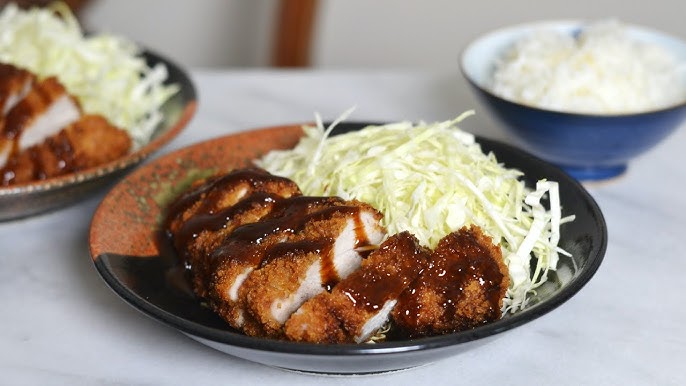
Pork Tonkatsu Recipe: If you’ve ever been to a Japanese restaurant and saw a golden-brown, crispy pork cutlet served with shredded cabbage and rich, savory sauce, chances are you’ve met Tonkatsu. This dish is a staple in Japanese comfort food and for a good reason—it’s incredibly delicious, super crispy on the outside, juicy and tender on the inside, and just plain satisfying. Whether you’re new to Japanese cuisine or a seasoned foodie, this pork tonkatsu recipe will become one of your favorites.
Think of it as Japan’s answer to the schnitzel, but with a few uniquely Japanese twists—like the panko breadcrumbs and tangy tonkatsu sauce. And here’s the best part: it’s surprisingly easy to make at home. All you need are a few ingredients and a little patience to master the breading and frying process. This guide will walk you through every step of the way.
What is Tonkatsu?
Tonkatsu (豚カツ or とんかつ) is a Japanese dish that consists of a breaded, deep-fried pork cutlet. “Ton” means pork, and “katsu” is short for “katsuretsu,” which is derived from the English word “cutlet.” The pork is usually sliced about 1/2 to 3/4 inch thick, seasoned, dredged in flour, dipped in egg, and coated in panko breadcrumbs, then fried to golden perfection.
It’s often served with shredded cabbage, white rice, and a sweet and tangy sauce known as tonkatsu sauce. While it’s simple in concept, the flavor and texture are truly special. The panko gives it that signature crunch, and the juicy pork inside offers a delicious contrast.
History and Origin of Tonkatsu
Tonkatsu might seem like a traditional Japanese food, but it actually has roots in Western cuisine. It originated during the Meiji Era (1868–1912) when Japan was embracing Western influences. At the time, Western-style dishes were gaining popularity, especially fried meat cutlets similar to the French côtelette or Austrian schnitzel.
Over time, the Japanese adapted the dish using local ingredients and preferences, like panko breadcrumbs instead of regular breadcrumbs, and pairing it with shredded cabbage and miso soup. Eventually, Tonkatsu evolved into the beloved dish it is today—served in bento boxes, restaurants, and home kitchens alike.
Why You’ll Love This Pork Tonkatsu Recipe
- Crispy and Crunchy Outside, Juicy Inside: Thanks to panko, the crust is extra crisp without being greasy.
- Simple Ingredients: Everything can be found in a regular grocery store.
- Quick Cooking Time: Once prepped, frying takes less than 10 minutes.
- Perfect for Meal Prep: Make extras and reheat easily for lunch or dinner.
- Versatile: Serve it with curry, in sandwiches, or over rice as katsudon.
Once you try it, Tonkatsu is the kind of dish that keeps showing up on your dinner table.
Essential Ingredients You’ll Need
Here’s a breakdown of what you’ll need to create the perfect Tonkatsu:
1. Pork Cutlets
- Boneless pork loin or pork chops
- Around 1/2 to 3/4 inch thick
2. Panko Breadcrumbs
- Japanese-style breadcrumbs for a crunchy texture
- Available in the international aisle
3. All-Purpose Flour
- For dredging the pork before the egg wash
4. Eggs
- Acts as a binder for the panko coating
5. Salt & Pepper
- Simple seasoning to enhance pork’s natural flavor
6. Oil for Frying
- Vegetable oil or canola oil works best for deep frying
7. Tonkatsu Sauce
- Store-bought or homemade (we’ll give a recipe below)
8. Optional Garnishes
- Finely shredded cabbage
- Lemon wedges
- Steamed white rice
- Japanese mustard (karashi)
Choosing the Right Pork Cut
Getting the perfect Tonkatsu starts with selecting the right pork cut. While several cuts can be used, the most common (and best-tasting) are:
- Pork Loin (Rosu): A tender and slightly fatty cut. The fat adds flavor and juiciness.
- Pork Tenderloin (Hire): Leaner and more tender. Great if you’re watching fat intake.
Make sure your pork cut is even in thickness. If it’s too thick, it won’t cook evenly, and if it’s too thin, it might dry out.
Before cooking, consider trimming excess fat or leaving a small border of fat for added flavor. If you’re using pork chops with the bone in, you can remove the bone or keep it on for a more rustic look.
How to Tenderize the Pork
No one wants a chewy Tonkatsu. The trick? Tenderize your pork before cooking.
Here’s how:
- Use a meat mallet or the back of a heavy knife.
- Gently pound both sides until about 1/2 inch thick.
- Don’t overdo it—you want to tenderize, not tear the meat.
Tenderizing does more than just soften the meat. It also helps the pork cook faster and more evenly. Plus, it allows the flavors from the seasoning to soak in more effectively.
The Secret to Crispy Tonkatsu: Panko Breadcrumbs
What makes Tonkatsu stand out from regular fried pork cutlets? Panko breadcrumbs.
Unlike traditional breadcrumbs, panko is made from crustless white bread that’s processed into airy, flaky pieces. These pieces don’t absorb oil as quickly, so they stay crispy for longer.
Tips for the crispiest coating:
- Use fresh or Japanese-imported panko when possible.
- Avoid crushing them too much.
- Toast the panko in a dry pan before breading (optional) for extra crispiness.
Panko is your best friend when it comes to getting that restaurant-style crunch at home.
How to Make Homemade Tonkatsu Sauce (Optional)
Store-bought Tonkatsu sauce (like Bull-Dog brand) is widely available, but making your own is surprisingly easy. Here’s a simple version:
Homemade Tonkatsu Sauce Ingredients:
- 3 tbsp ketchup
- 1 tbsp Worcestershire sauce
- 1 tbsp oyster sauce
- 1 tsp sugar
- 1/2 tsp soy sauce
Instructions:
- Mix all ingredients in a bowl until smooth.
- Taste and adjust to your liking.
- Refrigerate for up to 1 week.
The sauce should be sweet, tangy, and a little savory—perfect for dipping or drizzling over your golden Tonkatsu.
Kitchen Tools You’ll Need
- Cutting board and sharp knife
- Meat mallet or rolling pin
- Mixing bowls for dredging station
- Deep frying pan or wok
- Cooking thermometer (optional but helpful)
- Tongs or chopsticks
- Paper towels or wire rack
Having the right tools makes the process faster and cleaner.
Step-by-Step Tonkatsu Recipe
Let’s get into the good part: how to make Pork Tonkatsu from scratch.
Step 1: Prepare the Pork
Use boneless pork loin or pork chops, about ¾ inch thick. Trim excess fat to prevent curling during frying.
Step 2: Season and Tenderize
Lightly pound the pork with a meat mallet to even the thickness. Season both sides with salt and black pepper.
Step 3: Set Up the Breading Station
Prepare three shallow bowls: one with flour, one with beaten eggs, and one with panko breadcrumbs. This ensures an even, crispy coating.
Step 4: Coat the Pork Properly
Dredge the pork in flour, shaking off excess. Dip into egg, then press firmly into panko, fully coating the surface without packing too tightly.
Step 5: Heat the Oil to the Right Temperature
Heat vegetable oil in a deep pan to about 350°F (175°C). Proper temperature ensures crisp tonkatsu without greasiness.
Step 6: Fry the Pork Cutlets
Carefully place the pork into the oil. Fry for 3–4 minutes per side until golden brown and cooked through, reaching an internal temperature of 145°F (63°C).
Step 7: Drain and Rest
Transfer to a wire rack or paper towels. Let rest for 2–3 minutes to retain juices and crispness.
Step 8: Slice and Serve
Slice into strips and serve with shredded cabbage, rice, lemon wedges, and tonkatsu sauce. Enjoy hot and crunchy.
Serving Suggestions
Pork Tonkatsu is incredibly versatile and goes well with a variety of sides and sauces. If you’re aiming for a traditional Japanese presentation, here’s how to serve it:
- Shredded Cabbage: This is the classic pairing. The crisp, raw cabbage complements the rich, fried pork. You can drizzle some sesame dressing or a squeeze of lemon on top.
- Steamed White Rice: A must-have for a well-balanced Japanese meal. The rice helps balance the savory and tangy notes of the tonkatsu sauce.
- Miso Soup: Warm, umami-packed miso soup is often served on the side in restaurants.
- Lemon Wedge: A squeeze of lemon adds a fresh touch and cuts through the oiliness of the pork.
- Japanese Pickles (Tsukemono): These add crunch and a refreshing zing to your meal.
Want to switch things up? Try turning your Tonkatsu into a Tonkatsu sandwich (Katsu Sando) with fluffy white bread and a smear of tonkatsu sauce. Or serve it over Japanese curry rice (Katsu Curry) for the ultimate comfort food experience.
Tips for the Perfect Tonkatsu Every Time
Even though Tonkatsu is simple, a few key tips can make or break your final result. Here are the golden rules:
- Don’t Skip the Tenderizing: Pounding the pork not only tenderizes it but ensures even cooking.
- Use Dry Pork: Pat the pork dry before seasoning and coating. Excess moisture can ruin the crust.
- Coat Evenly: Make sure each cutlet is fully and evenly coated in flour, egg, and panko.
- Chill Before Frying: If you have time, let the breaded cutlets sit in the fridge for 10–15 minutes. This helps the coating stick better during frying.
- Monitor Oil Temperature: Too hot and the outside burns before the inside cooks. Too cool and it becomes greasy. Aim for 340–350°F (170–180°C).
- Don’t Overcrowd the Pan: Frying too many pieces at once drops the oil temperature and leads to soggy Tonkatsu.
- Drain Properly: Let the cutlets rest on a wire rack instead of paper towels to keep the crust crisp.
- Slice Just Before Serving: This ensures maximum crunch when you bite into it.
Common Mistakes to Avoid
Making Tonkatsu is straightforward, but even seasoned home cooks can slip up. Here are some common pitfalls and how to avoid them:
- Skipping Seasoning: Don’t forget to season the meat before breading. It makes a world of difference in flavor.
- Too Thick or Too Thin Pork Cuts: Stick to about 1/2 inch thickness for best results.
- Using Regular Breadcrumbs: Traditional breadcrumbs don’t give that iconic crunchy texture. Panko is key.
- Wrong Oil Temperature: Investing in a thermometer can save you from undercooked or burnt Tonkatsu.
- Not Draining Properly: If you let your Tonkatsu sit in its own oil on a plate, it will become soggy. Use a wire rack or stand it vertically.
- Overcrowding the Frying Pan: This lowers the oil temperature and causes uneven cooking. Fry in batches if needed.
Avoiding these mistakes will ensure your Tonkatsu is as good as any Japanese restaurant’s!
Variations of Tonkatsu
Once you’ve mastered the classic Pork Tonkatsu, you can start exploring its delicious variations. Here are a few fun takes:
1. Chicken Katsu
Swap the pork for boneless, skinless chicken breast. The method is exactly the same, but the result is a lighter, leaner cutlet that’s just as tasty.
2. Cheese-Stuffed Tonkatsu
Take your Tonkatsu to the next level by stuffing the pork with slices of melty cheese before breading. Mozzarella or cheddar works well. It’s rich, gooey, and incredibly indulgent.
3. Tonkatsu Don (Katsudon)
Katsudon is a rice bowl topped with Tonkatsu that’s simmered briefly in a sweet and savory sauce with onions and beaten egg. It’s warm, hearty, and comforting—the ultimate Japanese fast food.
4. Katsu Sando (Tonkatsu Sandwich)
Sandwich the pork cutlet between two slices of fluffy white bread with cabbage and tonkatsu sauce. It’s wildly popular in Japan and great for lunchboxes or quick snacks.
How to Store and Reheat Tonkatsu
Cooked more Tonkatsu than you can eat? Good news: it stores and reheats beautifully!
Storing:
- Allow the Tonkatsu to cool to room temperature.
- Store in an airtight container in the fridge for up to 3 days.
- For longer storage, freeze it for up to 1 month. Wrap each piece individually in plastic wrap and place in a freezer-safe bag.
Reheating:
To keep that crispy texture, avoid the microwave! Instead:
- Oven Method: Preheat oven to 375°F (190°C). Bake for 10–15 minutes until hot and crispy.
- Air Fryer: Reheat at 350°F (175°C) for 5–7 minutes.
- Stovetop: Place in a dry nonstick pan over medium heat until heated through.
Avoid reheating in oil—it may become greasy. Reheating properly helps maintain that iconic crunch.
FAQs about Pork Tonkatsu Recipe
1. Can I bake Tonkatsu instead of frying it?
Yes! Preheat your oven to 400°F (200°C), place the breaded pork on a wire rack over a baking tray, spray with oil, and bake for 20–25 minutes until golden and crispy.
2. What can I use instead of Tonkatsu sauce?
You can mix ketchup, Worcestershire sauce, soy sauce, and sugar to make a simple homemade version. Or substitute with BBQ sauce in a pinch.
3. Is Tonkatsu gluten-free?
Traditional Tonkatsu isn’t gluten-free due to the flour, panko, and sauce. Use gluten-free flour, gluten-free panko, and tamari-based sauce for a GF-friendly version.
4. Can I make Tonkatsu ahead of time?
Yes! Bread the pork in advance and store in the fridge for up to 24 hours. Fry just before serving to keep it crispy.
5. What’s the difference between Tonkatsu and Chicken Katsu?
Tonkatsu is made with pork, while Chicken Katsu uses chicken breast. The preparation method is the same, but the flavor and texture vary slightly due to the meat.
Conclusion
Pork Tonkatsu is more than just a fried pork cutlet—it’s a comforting, flavorful, and iconic Japanese dish that’s beloved worldwide. The magic lies in the balance: the crispy, golden panko crust contrasts perfectly with the juicy, tender pork inside. When topped with tangy tonkatsu sauce and served with simple sides like cabbage and rice, it creates a meal that’s both satisfying and unforgettable.
Whether you’re cooking for yourself, your family, or hosting a dinner party, this step-by-step Tonkatsu recipe is a guaranteed hit. It’s easy enough for beginners but impressive enough to show off. With a few key ingredients and some careful technique, you can bring a piece of Japanese cuisine into your home kitchen.
Now that you’ve mastered the art of Pork Tonkatsu, what will you make next? Maybe try a Katsu Sando or Katsudon! Either way, you’re just getting started on your Japanese culinary journey.