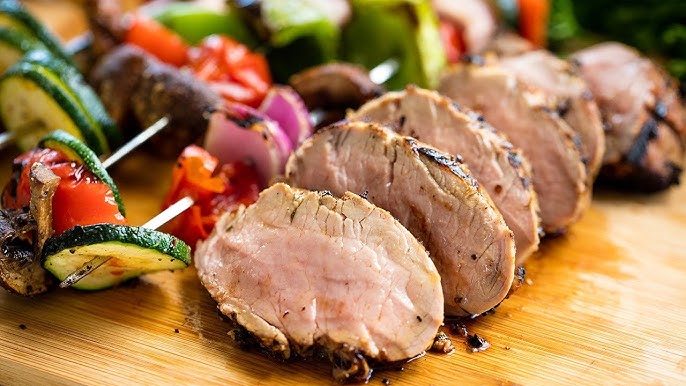
Pork Tenderloin Recipe: Pork tenderloin might just be one of the most underrated meats out there. It’s lean, flavorful, cooks fast, and when done right, it’s melt-in-your-mouth delicious.
Whether you’re cooking for a weeknight dinner or a special occasion, this recipe will help you create a pork tenderloin that tastes like it came straight out of a gourmet kitchen.
Ready to master it step by step? Let’s dive in.
Why Pork Tenderloin is the Perfect Choice
There’s a good reason pork tenderloin is loved by chefs and home cooks alike. For starters, it’s incredibly versatile. You can roast it, grill it, pan-sear it, or even toss it in the slow cooker. Unlike fattier cuts, pork tenderloin is lean and tender, with a mild flavor that soaks up marinades and seasonings like a sponge. It’s also a healthier alternative to red meat, packing in protein without the extra fat.
Health Benefits of Pork Tenderloin
Let’s bust the myth that pork isn’t healthy. Pork tenderloin is one of the leanest cuts of pork you can buy. It’s lower in fat than a skinless chicken thigh and loaded with protein, B vitamins (especially B6 and B12), zinc, and iron. This cut fits perfectly into a balanced diet, especially if you’re looking to reduce saturated fats while keeping your meals rich and satisfying.
List of Ingredients You’ll Need
Here’s everything you’ll need to make a mouthwatering pork tenderloin at home:
Fresh Ingredients
- 1–1.5 lb pork tenderloin (not pork loin – different cut!)
- 3 cloves garlic, minced
- 1 tbsp fresh rosemary or thyme, chopped (optional)
- 1 lemon (for zest or juice – brightens the flavor)
Pantry Essentials
- 2 tbsp olive oil
- 1 tbsp Dijon mustard (adds a tangy punch)
- 1 tbsp soy sauce or Worcestershire sauce
- 1 tsp salt
- 1/2 tsp black pepper
- 1 tsp paprika (for a smoky depth)
- 1/2 tsp onion powder
- 1 tsp brown sugar (balances the savory flavors)
Optional Add-Ins for Flavor Boost
- Crushed red pepper flakes (if you like heat)
- Apple cider vinegar or balsamic (for extra tang)
- A splash of white wine (perfect for deglazing and adding richness)
These ingredients are pretty standard and might already be in your pantry, making this recipe even easier to throw together.
Kitchen Tools Required
No fancy equipment is needed here. Just a few kitchen staples:
- Sharp knife and cutting board
- Cast iron skillet or oven-safe pan
- Aluminum foil
- Tongs
- Meat thermometer (optional but highly recommended)
- Mixing bowl (for marinade)
- Basting brush (optional)
These tools help streamline the cooking process, ensuring your pork tenderloin is evenly cooked and full of flavor.
Prepping Your Pork Tenderloin
How to Trim the Pork
Before anything else, you’ll need to prep your tenderloin. Look for a thin silvery skin – that’s the silverskin, and it doesn’t break down during cooking. Use a sharp knife to carefully trim it away. Also, remove any large fat pieces. This step helps the seasoning absorb better and avoids any chewy bites.
Marinating Tips and Tricks
Marinating is optional but highly encouraged. It enhances the tenderness and flavor. Mix olive oil, garlic, mustard, soy sauce, herbs, and spices in a bowl. Coat the tenderloin generously, then refrigerate it for at least 30 minutes (up to 24 hours for max flavor). If you’re short on time, even a quick rub before searing makes a huge difference.
Best Marinades and Rubs for Pork Tenderloin
Want to switch things up? Here are a few killer marinades and dry rubs to try:
Citrus Herb Marinade
- Lemon juice, garlic, rosemary, olive oil, salt, pepper
Spicy BBQ Rub
- Brown sugar, smoked paprika, chili powder, cayenne, salt, pepper
Asian-Style Glaze
- Soy sauce, ginger, garlic, honey, sesame oil
Whether you prefer sweet, smoky, or spicy, pork tenderloin plays well with just about any flavor profile.
Step-by-Step Guide to Cooking Pork Tenderloin
Let’s break it down from start to finish. Follow this exact process for a foolproof, juicy pork tenderloin every time.
Step 1: Preheat the Oven
Set your oven to 400°F (200°C). This high temperature helps create a nice golden crust while keeping the inside moist.
Step 2: Searing the Meat
In a hot skillet over medium-high heat, add olive oil. Sear the pork on all sides for about 2–3 minutes per side until it’s golden brown. This step locks in juices and builds flavor.
Step 3: Roasting to Perfection
Once seared, transfer the skillet (or place pork in an oven-safe dish) into the preheated oven. Roast for about 15–20 minutes, depending on the thickness. Use a meat thermometer to check – you’re aiming for an internal temp of 145°F (63°C).
Step 4: Resting the Meat
Once done, remove the pork and tent it with foil. Let it rest for 5–10 minutes. Resting allows the juices to redistribute, making each slice tender and juicy.
Step 5: Slicing and Serving
Slice against the grain into medallions about ½-inch thick. Serve with your favorite sides and drizzle any pan juices on top for extra flavor.
How Long to Cook Pork Tenderloin
Cooking time can vary based on the method, size, and whether your pork tenderloin is stuffed, marinated, or coated in glaze. But here’s a solid rule of thumb:
- In the Oven (400°F / 200°C): 20–25 minutes for a 1–1.5 lb pork tenderloin
- On the Grill (Medium-High Heat): 12–15 minutes, turning every 3–4 minutes
- Pan-Searing Only: Not recommended unless followed by baking or roasting
The key is to cook until the internal temperature hits 145°F (63°C) in the thickest part of the tenderloin. Use a meat thermometer if you can. It’s your best friend here. Once that temp is reached, take it out, let it rest for about 5–10 minutes, and you’re good to go.
This ensures the pork is juicy and slightly pink in the center—exactly how it’s meant to be. Overcooking dries it out fast, so don’t just guess with timing.
Best Cooking Methods (Oven, Grill, Pan)
There’s more than one way to bring out the magic in pork tenderloin. Each method brings something unique to the table. Here’s how to choose what’s right for your kitchen vibe.
Oven-Roasted Pork Tenderloin
This is the most foolproof method. Roast at high heat (400°F) after searing. It creates a beautiful crust while the inside stays tender and juicy. Ideal for weeknights or meal prep.
Grilled Pork Tenderloin
Perfect for summer cookouts. Grilling adds a smoky char that takes flavor to the next level. Just make sure to keep it moving to avoid burning, and always let it rest after grilling.
Pan-Seared + Oven-Finished
Best of both worlds. Sear it for flavor, then finish it in the oven for even cooking. This is the go-to method for many chefs because it combines flavor with texture.
Slow Cooker or Instant Pot
If you want something you can set and forget, this is your jam. You won’t get a crispy crust, but the meat will be fall-apart tender. Great for pulled pork style dishes or saucy meals.
Tips for Juicy and Tender Pork Every Time
Nobody wants dry pork. Luckily, there are a few golden rules that help keep things juicy:
- Don’t skip the sear. That crust = flavor and moisture lock.
- Use a meat thermometer. Seriously, this tiny tool is a game-changer.
- Let it rest. Patience pays. Resting for 5–10 minutes keeps the juices in.
- Marinate or rub before cooking. Even a quick 30-minute marinade works wonders.
- Cook at high heat for less time. Fast and hot is better than slow and long.
- Avoid poking or cutting too early. That releases the juices you worked so hard to keep in.
Follow these, and you’ll have people begging for your secret recipe.
Pork Tenderloin Temperature Guide
Getting the internal temp just right is the secret to success. Here’s a handy guide:
| Doneness Level | Internal Temperature | Notes |
|---|---|---|
| Medium-Rare | 145°F (63°C) | Juicy, slightly pink center (ideal) |
| Medium | 150°F (66°C) | Less pink, still moist |
| Medium-Well | 155°F (68°C) | Almost no pink, firmer texture |
| Well-Done | 160°F+ (71°C+) | Dry and chewy – not recommended |
Always rest the meat after reaching your desired temp. During resting, the internal temp will rise slightly (called carryover cooking), which helps finish the cook perfectly.
Delicious Side Dishes to Pair With
Pairing pork tenderloin with the right sides can take your meal from good to unforgettable. Here are some easy and tasty ideas:
Veggies
- Roasted carrots with honey glaze
- Garlic butter green beans
- Steamed asparagus with lemon zest
Starches
- Creamy mashed potatoes
- Herbed rice pilaf
- Roasted sweet potatoes
Salads & Light Bites
- Apple slaw with a tangy vinaigrette
- Spinach salad with cranberries and feta
- Couscous with herbs and lemon
Want to go fancy? Drizzle your pork slices with a balsamic reduction or serve with a fruit chutney for a gourmet twist.
Common Mistakes to Avoid
Even seasoned cooks make a few missteps. Here’s what not to do:
- Confusing pork loin with tenderloin. Different cuts, different cooking times.
- Skipping the thermometer. Don’t eyeball it—you’ll likely overcook.
- Not letting it rest. Cutting too soon = juice loss = dry meat.
- Overcooking. Pork is safe at 145°F. It does not need to be white all the way through.
- Neglecting seasoning. A bland pork tenderloin is a wasted opportunity.
Avoid these traps and your pork tenderloin will be the talk of the table.
How to Store and Reheat Leftovers
Leftovers? Lucky you. Here’s how to keep them just as good the next day.
Storing
- Wrap slices in foil or store in an airtight container.
- Refrigerate for up to 4 days.
- Freeze for up to 3 months (slice first for easier reheating).
Reheating
- Oven: 300°F, wrapped in foil, about 10–12 minutes
- Microwave: Use low power and cover with a damp paper towel to avoid drying
- Stovetop: Lightly reheat in a pan with a splash of broth or water to retain moisture
Pro tip: Slice before storing to make reheating quicker and more even.
FAQs about Pork Tenderloin Recipe
1. Can I cook pork tenderloin in an air fryer?
Absolutely! Set your air fryer to 400°F and cook for 20–25 minutes, flipping halfway through. Just like the oven, aim for an internal temperature of 145°F. The air fryer gives a nice crust while keeping the inside juicy.
2. Do I need to marinate pork tenderloin overnight?
Not necessarily. While overnight marinating can deepen the flavor, even a 30-minute marinade before cooking adds noticeable flavor and tenderness. In a rush? A dry rub right before cooking works great too.
3. What’s the difference between pork loin and pork tenderloin?
Pork tenderloin is a long, thin, and very tender cut of meat that cooks quickly. Pork loin is wider, less tender, and takes longer to cook. They’re not interchangeable, especially in cooking time and method.
4. How do I know if the pork tenderloin is done without a thermometer?
It’s tricky without a thermometer, but you can cut into the thickest part. If it’s slightly pink and the juices run clear, it’s likely done. Still, using a meat thermometer is the most accurate and safest method.
5. Can I make pork tenderloin ahead of time?
Yes! You can cook it ahead, then store it in the fridge. Reheat gently in the oven or on the stovetop with a bit of broth to keep it moist. Great for meal prepping or hosting guests without stress.
Conclusion
There you have it—your complete guide to making the perfect pork tenderloin, step by step. This dish is easy enough for a weeknight dinner but elegant enough for a special occasion. When you treat pork tenderloin right—with the right prep, seasoning, and cooking methods—it becomes a true showstopper.
Remember, the magic is in the details: trimming the meat properly, marinating for flavor, searing for texture, and never skipping the all-important rest after cooking. These small steps go a long way in delivering juicy, flavorful, tender pork every time.
So, roll up your sleeves, preheat that oven, and give this recipe a try. You’re just a few steps away from the best pork tenderloin of your life.