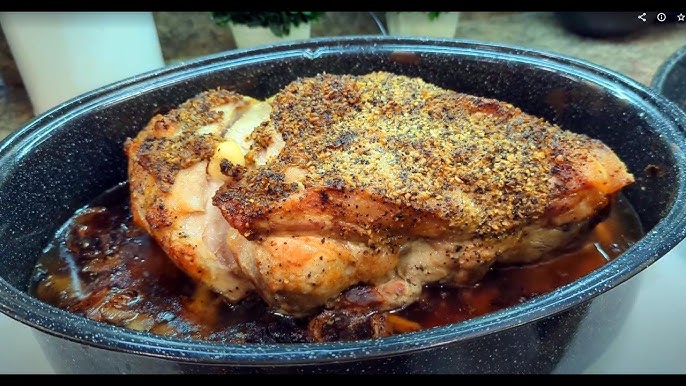
Pork Shoulder Roast Recipe: Few dishes feel as comforting and satisfying as a perfectly roasted pork shoulder. With its rich marbling, deep flavors, and melt-in-your-mouth tenderness, pork shoulder is a cut of meat that has stood the test of time in kitchens worldwide. Whether you’re planning a family gathering, a holiday feast, or just craving a hearty Sunday dinner, a pork shoulder roast never disappoints. The best part? You don’t have to be a professional chef to master this dish. With the right guidance, tools, and patience, you can create a roast that’s crispy on the outside, juicy on the inside, and loaded with flavor.
This guide will walk you through everything you need to know—from selecting the best cut of pork to seasoning, roasting, and serving it to perfection. By the end, you’ll have the confidence to make this recipe your own and impress your guests with a dish they’ll never forget.
Introduction to Pork Shoulder Roast
Pork shoulder is one of those underrated cuts of meat that packs a punch when cooked correctly. Unlike leaner cuts such as pork loin or tenderloin, pork shoulder is marbled with fat and connective tissue. This makes it tougher initially but transforms it into a tender, flavorful roast once slow-cooked or oven-roasted.
Why choose pork shoulder for roasting? Simply put, it’s forgiving. Even if you’re not the most experienced cook, the fat content helps prevent the meat from drying out. Plus, it’s an economical choice compared to other cuts of pork, making it perfect for feeding a crowd without breaking the bank.
This roast also shines because of its versatility. You can season it with classic herbs like rosemary and thyme, go bold with a barbecue rub, or even give it an international twist with Asian-inspired spices. No matter which direction you take, pork shoulder delivers incredible flavor and texture.
Occasions? Think Sunday dinners, Thanksgiving alternatives, backyard parties, or any time you want a show-stopping main dish. The beauty of this roast is that it not only fills bellies but also creates memories around the table.
Ingredients You’ll Need
The beauty of a pork shoulder roast lies in its simplicity. You don’t need dozens of fancy ingredients to make it taste incredible. Instead, the magic happens when the right spices and aromatics work together with the natural richness of the pork. Here’s what you’ll need:
Main Ingredients
- Pork Shoulder (Boston Butt or Picnic Roast) – about 4–6 pounds
- Olive oil or vegetable oil – for coating
- Garlic cloves – fresh, minced
- Onions – roughly chopped to add flavor while roasting
Seasonings and Spices
- Salt and black pepper – the foundation of any great roast
- Paprika – adds color and subtle smokiness
- Rosemary or thyme – earthy herbs that complement pork beautifully
- Cumin or chili powder (optional) – for extra depth
- Brown sugar or honey (optional) – balances savory flavors with sweetness
Optional Additions
- Apple cider vinegar or lemon juice – for brightness
- Soy sauce or Worcestershire sauce – adds umami richness
- Mustard – helps seasoning stick while giving a tangy kick
You can always adjust seasonings depending on your preference. Some cooks prefer bold barbecue rubs, while others stick to classic herbs and spices. The flexibility here is one of the reasons pork shoulder roast is so beloved.
Tools and Equipment Required
Cooking a pork shoulder roast doesn’t require a professional kitchen setup, but having the right tools can make the process much easier and ensure better results. Let’s go over what you’ll need:
Essential Tools
- Roasting Pan or Dutch Oven – A sturdy pan that can handle hours in the oven is crucial. A Dutch oven also helps retain moisture.
- Sharp Chef’s Knife – To trim excess fat and carve the roast.
- Cutting Board – Preferably wooden or heavy-duty plastic.
For Better Cooking Control
- Meat Thermometer – A must-have to ensure your roast is cooked perfectly. Pork shoulder should reach an internal temperature of 190–205°F for tenderness.
- Aluminum Foil – Useful for covering the roast partway through cooking to prevent over-browning.
- Basting Brush or Spoon – Helps keep the roast juicy during cooking.
Optional Equipment
- Slow Cooker or Instant Pot – If you prefer a set-it-and-forget-it approach, these appliances can also produce amazing results.
- Wire Rack – Elevates the pork slightly for even cooking.
Having these tools ready before you start ensures a smooth cooking process and helps you avoid last-minute kitchen stress.
Step-by-Step Guide to Preparing Pork Shoulder Roast
Now that we have the ingredients and tools ready, it’s time to dive into the fun part—actually preparing the pork shoulder roast. The secret to success lies in patience and technique. Follow these steps, and you’ll be rewarded with tender, flavorful meat every time.
Step 1: Choosing the Right Pork Shoulder
Always start with a good cut of meat. When selecting pork shoulder, look for one with a generous amount of marbling. The fat content is what makes this roast so juicy and flavorful. You may see it labeled as “Boston Butt” or “Picnic Roast.” Both work, though Boston Butt is often the preferred choice for roasting.
Step 2: Preparing the Pork Shoulder
Before seasoning, pat the pork shoulder dry with paper towels. This step is crucial because it allows the seasonings to stick better and helps the outside develop a nice crust during roasting. Trim off any excessively thick fat, but don’t remove all of it—some fat is necessary for flavor and tenderness.
Step 3: Seasoning the Pork Shoulder
Coat the meat lightly with olive oil, then rub in your chosen seasonings. Be generous! Make sure you cover every inch of the roast. If you have time, let it marinate in the refrigerator overnight to deepen the flavors.
Step 4: Roasting Process Explained
Place the seasoned pork in a roasting pan. Roast at 300°F (150°C) for 4–6 hours, depending on the size. Slow roasting breaks down the connective tissues, turning the meat fork-tender. You’ll know it’s done when it easily pulls apart with a fork and reaches an internal temperature of around 190–205°F.
Step 5: Resting and Carving the Roast
Once done, remove the pork from the oven and let it rest for at least 20–30 minutes under foil. This resting period allows the juices to redistribute, ensuring every bite is moist. Slice against the grain for clean pieces or shred it with forks for pulled pork style.
Cooking Methods for Pork Shoulder
The beauty of pork shoulder roast is that it adapts well to different cooking methods. Depending on your time, equipment, and desired flavor, you can choose from oven roasting, slow cooking, or even pressure cooking. Each method has its own charm, and knowing them helps you decide what works best for your kitchen.
Oven Roasting
This is the classic method for pork shoulder roast. By cooking low and slow in the oven, the meat develops a beautiful crust while the inside becomes tender and juicy. Oven roasting also allows you to layer flavors by adding vegetables, herbs, and even wine or broth to the pan.
- Temperature guide: Roast at 300°F (150°C) for about 40 minutes per pound.
- Best for: Traditional flavor and a golden-brown crust.
Slow Cooking Method
If you prefer a hands-off approach, the slow cooker is your best friend. Just season the pork, set it in the pot with some broth or sauce, and let it cook on low for 8–10 hours. By the end, the meat will be fall-apart tender.
- Temperature guide: Low setting for 8–10 hours, or high setting for 5–6 hours.
- Best for: Shredded pork and meal prepping.
Instant Pot or Pressure Cooking
Pressed for time? The Instant Pot gets the job done quickly without sacrificing tenderness. This method reduces cooking time drastically while still breaking down the connective tissue in the pork shoulder.
- Temperature guide: Pressure cook on high for 90–100 minutes, followed by natural release.
- Best for: Quick weeknight meals with juicy, flavorful results.
Whichever method you choose, the key is letting the pork shoulder cook long enough for the fat and connective tissue to melt. That’s what gives the meat its signature tenderness.
Tips for Making the Perfect Pork Shoulder Roast
Even though pork shoulder is a forgiving cut, a few tricks can take your roast from good to unforgettable. Here are some proven tips:
1. Control the Temperature
Slow and steady wins the race. Cooking too fast will leave you with chewy meat. Keep the oven temperature around 275–325°F (135–160°C) for the best results.
2. Don’t Skip the Resting Step
Once the roast is done, cover it loosely with foil and let it rest for at least 20–30 minutes. This helps the juices settle, keeping the meat moist.
3. Balance Flavors
Pork shoulder has a naturally rich flavor, so pair it with seasonings that complement rather than overpower it. Herbs like rosemary and thyme, along with garlic and a touch of sweetness, create a perfect balance.
4. Keep it Moist
Baste the roast occasionally with its own juices, or cover it with foil halfway through cooking to lock in moisture. If using a slow cooker, avoid opening the lid too often—every time you lift it, heat escapes, and the cooking process slows down.
5. Invest in a Meat Thermometer
This small tool makes a big difference. Internal temperature should reach at least 190°F (88°C) for shreddable pork. Anything lower, and it may still be too tough.
By following these tips, you’ll ensure your pork shoulder roast turns out tender, juicy, and packed with flavor every single time.
Serving Suggestions
Once your pork shoulder roast is ready, the fun part begins—deciding how to serve it! Since this cut is versatile, you can pair it with all sorts of sides and flavors.
Classic Pairings
- Mashed Potatoes – Creamy, buttery potatoes are the ultimate comfort food companion.
- Roasted Vegetables – Carrots, Brussels sprouts, and parsnips caramelize beautifully alongside pork.
- Gravy or Pan Sauce – Made from the drippings, this adds a rich, savory touch.
Creative Serving Ideas
- Pulled Pork Sandwiches – Shred the meat and pile it high on soft buns with coleslaw.
- Tacos or Wraps – Add shredded pork to tortillas, top with salsa and fresh herbs.
- Rice Bowls – Pair with jasmine rice, sautéed greens, and a drizzle of soy sauce.
Wine & Drink Pairings
- White wine like Chardonnay balances the richness.
- Red wine such as Pinot Noir adds depth.
- Cider or beer also makes a fantastic pairing.
Whether you go traditional or adventurous, pork shoulder roast always steals the spotlight on the table.
Storing and Reheating Leftovers
If you’re lucky enough to have leftovers, pork shoulder roast reheats beautifully and can be transformed into new meals.
Storing Leftovers
- Store in an airtight container in the refrigerator for up to 4 days.
- For longer storage, freeze in portions for up to 3 months.
Reheating Tips
- Oven method: Cover with foil and reheat at 275°F until warmed through.
- Stovetop method: Warm gently with a splash of broth or sauce to prevent drying.
- Microwave: Use short intervals, covering with a damp paper towel to lock in moisture.
Creative Leftover Ideas
- Shred the pork for tacos, burritos, or fried rice.
- Add it to soups or stews for extra flavor.
- Make sliders with barbecue sauce for quick snacks.
Leftovers don’t have to feel repetitive—pork shoulder is versatile enough to make several exciting meals.
Common Mistakes to Avoid
Cooking pork shoulder roast may seem straightforward, but there are a few common mistakes that can affect the final result. Avoiding these pitfalls ensures your roast comes out tender, flavorful, and irresistible.
1. Overcooking or Undercooking
Pork shoulder needs time to break down its connective tissues. If you undercook it, the meat will be chewy and tough. On the other hand, cooking it at too high a temperature for too long can dry it out. The key is to keep the oven low and slow, or use a slow cooker for consistent results.
2. Using the Wrong Cut of Pork
Not all pork cuts are ideal for roasting. Pork loin or tenderloin, for example, is too lean and will dry out quickly. Always choose pork shoulder (Boston Butt or Picnic Roast) for the perfect balance of fat and flavor.
3. Skipping the Seasoning
Seasoning makes a massive difference. Simply salting the meat isn’t enough—pork shoulder benefits from a generous rub of herbs, spices, or marinades. This builds layers of flavor that soak into the meat as it cooks.
4. Not Allowing the Meat to Rest
Skipping the resting stage is a mistake many home cooks make. When you cut into the roast immediately, the juices escape, leaving the meat dry. Resting lets the juices redistribute, ensuring every slice stays moist.
5. Ignoring the Drippings
The juices and drippings left in the roasting pan are flavor gold. Use them to make gravy, sauce, or even drizzle over the meat before serving. Wasting them is a missed opportunity for extra richness.
By avoiding these mistakes, your pork shoulder roast will consistently turn out juicy, flavorful, and worthy of a spot at any dinner table.
Nutritional Information of Pork Shoulder Roast
Before indulging, it’s good to understand what’s on your plate. Pork shoulder is known for its rich, satisfying flavor, but it also has nutritional benefits when enjoyed in moderation.
Calories and Macronutrients (per 3.5 oz / 100g cooked serving)
- Calories: 290–320
- Protein: 25–27g
- Fat: 20–22g
- Carbohydrates: 0g (unless flavored with sauces or rubs)
Health Benefits
- Protein-Rich: Great for building and repairing muscles.
- Vitamin B Complex: Pork shoulder is high in B1 (thiamine), B6, and B12, which support metabolism and energy production.
- Iron and Zinc: Essential minerals that support immune function and oxygen transport.
Considerations
- Pork shoulder is higher in fat compared to leaner cuts. While this makes it flavorful, it’s best to enjoy it in moderation if you’re watching your fat intake.
- Using fresh herbs and spices instead of overly sugary sauces can keep it healthier.
- Pair with vegetables and whole grains to create a balanced meal.
So yes, while it’s indulgent, pork shoulder roast can be part of a nutritious diet when prepared thoughtfully and paired with the right sides.
Variations of Pork Shoulder Roast Recipes
The versatility of pork shoulder means you can cook it in countless ways. Here are some popular variations you can try:
1. Classic Herb-Roasted Pork Shoulder
- Season with garlic, rosemary, thyme, olive oil, salt, and pepper.
- Roast low and slow until golden brown.
- Serve with roasted potatoes and vegetables for a traditional feast.
2. Asian-Style Pork Shoulder Roast
- Marinate with soy sauce, ginger, garlic, sesame oil, and a splash of rice vinegar.
- Roast until tender, then serve with steamed rice and stir-fried vegetables.
- Optional: Add hoisin sauce or honey for a touch of sweetness.
3. Spicy BBQ Pork Shoulder
- Rub with paprika, chili powder, cumin, brown sugar, and garlic powder.
- Roast until pull-apart tender, then shred and toss with barbecue sauce.
- Perfect for sandwiches, sliders, or nachos.
Each variation brings a unique flavor profile, so you’ll never get bored of cooking pork shoulder roast. Try them all and find your favorite!
FAQs about Pork Shoulder Roast Recipe
Q1: Should I cover pork shoulder while roasting?
Yes, cover it with foil for the first half of cooking to retain moisture, then uncover to allow the exterior to crisp up.
Q2: What’s the difference between Boston Butt and Picnic Roast?
Boston Butt is more marbled with fat, making it ideal for roasting or pulled pork. Picnic Roast is leaner but still works well for slow cooking.
Q3: Can I prepare pork shoulder a day in advance?
Absolutely. You can season and marinate it overnight, then roast the next day for deeper flavor.
Q4: How do I know when pork shoulder is done?
Use a meat thermometer. It should reach an internal temperature of 190–205°F for shreddable tenderness.
Q5: What’s the best way to shred pork shoulder?
After resting, use two forks to pull the meat apart. It should shred easily if cooked properly.
Conclusion
Pair it with hearty sides, enjoy it as pulled pork sandwiches, or reinvent it into tacos and rice bowls—the options are endless. By avoiding common mistakes, following expert tips, and experimenting with different variations, you’ll soon master the art of pork shoulder roasting.
So next time you want to impress your guests or simply treat yourself to a comforting meal, remember this guide. A perfectly cooked pork shoulder roast is more than just food—it’s a dish that brings people together.