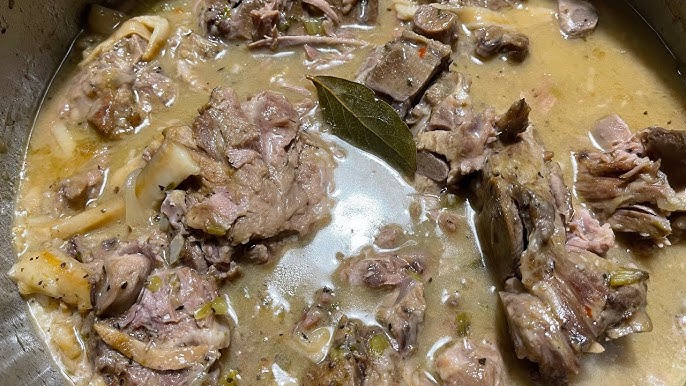
Pork Neck Bones Recipe: Let’s be real—pork neck bones are one of the most underrated cuts of meat out there. They’re flavorful, affordable, and perfect for slow-cooking comfort meals. If you’ve never tried them before, you’re in for a treat. And if you’ve had them growing up, then this recipe might just bring back some heartwarming memories. Whether you’re new to this ingredient or a seasoned soul food lover, we’re diving deep into how to make the most out of pork neck bones in this step-by-step, no-fluff guide.
What Are Pork Neck Bones?
Pork neck bones are exactly what they sound like—cuts from the neck portion of the pig. These bones come with a decent amount of meat on them, and when cooked low and slow, they become tender, juicy, and full of rich, deep flavor. What makes pork neck bones so special is their versatility. They can be boiled, braised, baked, or used as a base for soups and stews. The bone marrow adds an extra layer of richness to any dish.
Why Cook Pork Neck Bones?
Besides being super affordable, pork neck bones pack a punch of flavor that’s hard to beat. Think of them as the secret ingredient in many Southern, soul food, and international comfort meals. They absorb spices like a sponge and transform into fork-tender bites when simmered or baked for hours. Whether you’re feeding a big family or just meal prepping for the week, pork neck bones stretch your budget while delivering big on taste.
Different Ways to Cook Pork Neck Bones
There’s no one-size-fits-all way to prepare pork neck bones, which is what makes them so fun to cook. Let’s look at a few options:
Southern Style
This method usually involves seasoning heavily with garlic powder, onion, paprika, and black pepper, then simmering them in a pot with onions and broth. The result? A hearty, meaty stew with deep Southern soul.
Braised
Braising means browning the neck bones first, then cooking them slowly in a flavorful liquid. This technique makes them super tender and is perfect for serving over rice or mashed potatoes.
Baked
Yes, you can bake them! After marinating and seasoning, pop them in the oven and bake low and slow. The dry heat caramelizes the outside while locking in all those juicy flavors.
Smoked
This one’s for the BBQ lovers. Smoked pork neck bones develop an intense, smoky flavor that’s excellent in beans, collard greens, or eaten straight off the bone.
List of Ingredients You’ll Need
Before diving into the cooking steps, let’s get your grocery list sorted:
- 2 to 3 pounds of pork neck bones (cleaned and trimmed)
- 1 tablespoon olive oil (optional, for browning)
- 1 large onion, chopped
- 3 cloves garlic, minced
- 1 bell pepper, chopped (optional)
- 1 teaspoon black pepper
- 1 teaspoon salt
- 1 teaspoon garlic powder
- 1 teaspoon onion powder
- 1 teaspoon paprika
- 1 teaspoon crushed red pepper (optional for heat)
- 2 cups chicken broth or water
- 1 tablespoon Worcestershire sauce (for depth of flavor)
- Fresh parsley or green onions for garnish (optional)
Optional Add-ins:
- Potatoes
- Carrots
- Celery
- Bay leaf or thyme for added aroma
Choosing the Best Pork Neck Bones
Not all neck bones are created equal. Here’s how to choose the best ones:
Fresh vs. Frozen
Fresh pork neck bones usually offer better flavor and texture, but frozen works just fine—especially when you’re shopping on a budget. If buying frozen, make sure there’s no freezer burn and that the bones are vacuum-sealed.
Bone-in vs. Boneless
While boneless meat is easier to eat, bone-in pork neck bones bring more flavor to your dish. The bones release marrow and collagen, which enrich the broth or gravy. Always go bone-in for stews or braises—you won’t regret it.
Essential Tools & Equipment
Here’s what you’ll need in your kitchen to make the process smooth:
- Large stock pot or Dutch oven
- Cutting board
- Sharp knife
- Wooden spoon or spatula
- Tongs
- Fine mesh strainer (if you want to remove bone fragments)
- Optional: Slow cooker or Instant Pot
These basics will cover nearly every cooking method for pork neck bones.
How to Clean Pork Neck Bones Properly
Cleaning is key when cooking pork neck bones. These cuts sometimes have small bone fragments or extra fat that you’ll want to remove.
Step-by-step:
- Rinse the neck bones under cold water to remove blood and bone particles.
- Use a sharp knife to trim excess fat or skin.
- Soak in a bowl of cold water with 1 tablespoon of vinegar for 15 minutes.
- Rinse again and pat dry with paper towels.
This simple prep ensures your dish is clean-tasting and free from unwanted grit.
Step-by-Step Guide to Cooking Pork Neck Bones
Alright, let’s get into the real action—cooking these delicious cuts.
Step 1: Prepping the Neck Bones
Once cleaned, lay the pork neck bones on a plate or tray. This is the time to pat them dry and get them ready for seasoning. A dry surface helps the spices stick better and gives you a better sear if you plan to brown them first.
Step 2: Seasoning
Sprinkle your seasoning mix over the bones, making sure to coat all sides. Don’t be shy—pork neck bones can handle bold flavors. Massage the spices in with your hands for even distribution. If you have time, let them marinate for an hour or even overnight in the fridge for deeper flavor.
Step 3: Browning the Meat
Heat a bit of olive oil in a large pot or Dutch oven over medium-high heat. Add the neck bones in batches, searing each side for 3–4 minutes until golden brown. This step adds a deeper, richer flavor to your final dish.
Step 4: Simmering for Flavor
Once all your neck bones are browned, remove them temporarily. In the same pot, sauté onions, garlic, and bell peppers until soft. Add the neck bones back in, pour in the chicken broth, Worcestershire sauce, and bring to a low boil.
Reduce the heat to low, cover, and simmer for 2.5 to 3 hours. Stir occasionally and check the liquid levels—add more broth or water if needed.
Step 5: Final Touches
By the end of the cooking time, your pork neck bones should be fall-off-the-bone tender. Taste and adjust seasoning. If you want a thicker sauce, simmer uncovered for the last 20 minutes to reduce the liquid.
How Long Should You Cook Pork Neck Bones?
Timing is everything when it comes to pork neck bones. The cooking time largely depends on the method you choose. For fall-off-the-bone tenderness and rich flavor, low and slow is the way to go.
- On the stovetop: Simmer for 2.5 to 3 hours on low heat.
- In a slow cooker: Set it on low for 6 to 8 hours, or high for 3 to 4 hours.
- In the oven (covered in foil): Bake at 325°F (163°C) for 2.5 to 3 hours.
- In an Instant Pot: Pressure cook for 45 minutes, then let it naturally release pressure.
You’ll know they’re done when the meat is extremely tender and starts separating from the bones with just a fork. If it’s still tough, give it more time—it’ll be worth it.
Best Side Dishes to Serve With Pork Neck Bones
Pairing the right side dishes with pork neck bones takes your meal from good to unforgettable. Here are some classics that never fail:
1. White Rice or Dirty Rice
The rich broth from pork neck bones is just screaming to be poured over fluffy rice. Dirty rice with bits of liver or sausage makes it even heartier.
2. Collard Greens
This Southern classic, often simmered with smoked meats or even more pork neck bones, adds a leafy, earthy balance to the meal.
3. Cornbread
Whether sweet or savory, cornbread mops up all that delicious gravy. Pro tip: Bake your cornbread in a cast iron skillet for crispy edges.
4. Mashed Potatoes
Creamy, buttery mashed potatoes are the ultimate comfort food pairing with tender, saucy pork neck bones.
5. Cabbage or Green Beans
Simmered cabbage or green beans offer a nice crunch and a splash of color, rounding out the plate.
You can even add the neck bones to beans, lentils, or soups for an all-in-one meal. The meat flavors everything it touches!
Common Mistakes to Avoid
Cooking pork neck bones may be simple, but a few common missteps can mess with your results. Here’s what to steer clear of:
1. Not Cleaning the Bones
Skipping the cleaning step can leave behind unpleasant flavors and grit. Always rinse and soak properly.
2. Underseasoning
Pork neck bones love bold spices. Don’t hold back—season generously and taste your broth along the way.
3. Rushing the Cooking Process
This cut needs time. High heat or short cook times will leave you with tough meat. Always go low and slow.
4. Not Browning First
Browning the meat creates a caramelized layer that deepens flavor. If you skip this, your dish might taste flat.
5. Forgetting to Skim the Broth
Especially early on, you’ll notice foam or scum on the top of the broth. Skimming helps you get a clearer, cleaner-tasting stew.
Avoiding these will set you up for pork neck bone greatness every time.
How to Store and Reheat Leftovers
Cooked pork neck bones make incredible leftovers—flavors deepen overnight! Here’s how to store and reheat them right:
Storage:
- Let them cool to room temperature.
- Transfer to airtight containers.
- Store in the fridge for up to 4 days.
- For longer storage, freeze them for up to 3 months.
Reheating:
- Stovetop: Warm slowly over medium-low heat until heated through.
- Microwave: Reheat in a covered dish with a splash of broth or water to keep them moist.
- Oven: Place in a baking dish, cover with foil, and reheat at 325°F (163°C) for 15–20 minutes.
Pro tip: Add a little broth or water during reheating to keep the meat juicy and flavorful.
Health Benefits of Pork Neck Bones
You might be surprised to know pork neck bones offer some solid nutritional benefits when prepared properly.
- Protein Powerhouse: They’re a good source of protein, essential for muscle building and repair.
- Collagen Boost: Simmering bones releases collagen, which supports skin and joint health.
- Mineral Rich: Bone-in cuts release calcium, magnesium, and phosphorus into broths—great for your bones.
- Affordable Nutrition: Compared to other meats, they provide solid nutrition without breaking the bank.
Just keep an eye on fat content, especially if you’re watching your saturated fat intake. Skimming off excess fat while cooking helps make the dish lighter.
FAQs about Pork Neck Bones Recipe
1. Can I cook pork neck bones in the oven only?
Absolutely. Just season and cover them in a baking dish, then bake at 325°F for 2.5 to 3 hours. They’ll be tender and packed with flavor.
2. Do pork neck bones have a lot of meat?
They have a decent amount, but you’ll need several to feed a group. The meat is flavorful and worth the work, especially when cooked low and slow.
3. Can I make pork neck bones spicy?
Of course! Add cayenne, crushed red pepper, or hot sauce to the seasoning mix for a spicy kick. Adjust to your taste.
4. Can I use pork neck bones in soup or broth?
Yes, they make a rich, gelatinous broth—perfect for soups, stews, or even ramen. Simmer with veggies and herbs for maximum flavor.
5. What’s the difference between pork neck bones and oxtail?
They’re both bony, meaty cuts great for slow cooking. Oxtail is beef, richer in fat and flavor, while pork neck bones are lighter and more affordable.
Conclusion
Pork neck bones may not be fancy, but they’re full of flavor, heart, and home-cooked goodness. Whether you’re throwing them in a stew, baking them to crispy perfection, or simmering them Southern-style, they’re guaranteed to satisfy. With the right ingredients, some patience, and this step-by-step guide, you’ll master this humble cut and turn it into something unforgettable. So, roll up your sleeves, fire up the stove, and give this recipe a try—you’ll be shocked at how delicious a few bones can be.