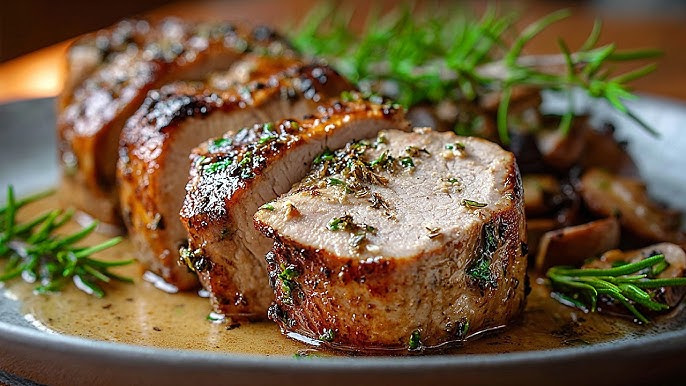
Pork Medallions Recipe: Pork medallions are the culinary equivalent of a hidden gem—tender, juicy, and packed with flavor in every bite. Whether you’re cooking for a weekday dinner or a special occasion, this dish always hits the mark. Simple ingredients, quick preparation, and restaurant-quality results—that’s what makes pork medallions so special.
So, if you’re looking to impress without the stress, this step-by-step guide will walk you through everything you need to know. From ingredients and prep work to searing tips and sauce ideas, we’re diving deep into how to master this flavorful dish at home.
Ingredients You’ll Need
Let’s talk ingredients—because the success of your pork medallions starts here. The beauty of this recipe is how minimal it is, yet still delivers maximum flavor. You probably have most of these items already in your kitchen!
Essential Ingredients
Here’s what you absolutely need to make classic pork medallions:
- 1–2 pork tenderloins (about 1 lb each) – This is the prime cut. It’s lean, tender, and cooks quickly.
- Salt and freshly ground black pepper – Simple seasoning is often the best.
- 2 tablespoons olive oil or unsalted butter – This helps with searing and adds richness.
- 2–3 garlic cloves, minced or smashed – Garlic brings a warm, earthy flavor.
- Fresh herbs (like thyme, rosemary, or parsley) – These elevate the dish and add fragrance.
Optional Flavor Boosters
Want to take things up a notch? Add one or more of these:
- Cream or white wine – For making a luscious pan sauce.
- Dijon or whole-grain mustard – A great base for creamy sauces.
- Paprika or chili flakes – Add some heat and smokiness.
- Lemon juice or zest – For brightness and acidity.
- Shallots or onions – They blend beautifully into any sauce.
Keep in mind, the quality of your ingredients matters. Since the recipe is so simple, fresh herbs and good-quality pork will make a huge difference.
Equipment Checklist
Before diving into the cooking process, make sure you have the right tools. Here’s what you’ll need to make pork medallions with ease:
Must-Have Tools
- Sharp chef’s knife – To slice the pork into even medallions.
- Cutting board – Preferably one reserved for meat.
- Heavy-bottomed skillet or cast iron pan – For that perfect sear.
- Tongs or a spatula – For flipping the medallions cleanly.
- Meat thermometer (optional but highly recommended) – For checking doneness accurately.
Nice-to-Have Tools
- Basting brush – For brushing marinade or butter.
- Small saucepan – If you plan to make a separate sauce.
- Oven-safe skillet – If finishing the medallions in the oven.
Preparation is key, and having the right equipment ready will help ensure everything goes smoothly.
Preparing the Pork Tenderloin
Let’s get hands-on! The way you prepare the tenderloin determines how evenly your medallions cook. Don’t skip this part.
Step 1: Trim the Pork
Start by removing the silver skin, which is the thin, silvery membrane that doesn’t break down when cooked. Use a sharp knife to slide just under it and slice it away.
Also trim off any excess fat. While a little fat is good for flavor, too much can cause flare-ups when searing.
Step 2: Slice into Medallions
Now, cut the pork into even pieces about 1 to 1.5 inches thick. The goal here is uniformity, so they cook at the same rate. Each slice is your medallion.
Step 3: Flatten Slightly (Optional)
For even faster and more even cooking, you can gently pound the medallions with a meat mallet or the back of a pan until they’re uniform in thickness—just don’t go too thin!
Marinating (Optional but Flavorful)
Want deeper flavor? Marinate the medallions! It’s not required, but it definitely adds depth, especially if you’re prepping them ahead of time.
Simple Marinade Idea
Here’s a quick go-to marinade:
- 2 tablespoons olive oil
- 1 tablespoon soy sauce
- 2 cloves garlic, minced
- 1 teaspoon Dijon mustard
- A squeeze of lemon juice
- A few sprigs of thyme or rosemary
Mix all ingredients, coat the medallions, and place them in a resealable bag or shallow dish.
Marinating Time
- Minimum: 30 minutes
- Ideal: 2–4 hours
- Maximum: 12 hours (overnight)
Be careful not to over-marinate, especially with acidic ingredients like lemon juice, as it can start to “cook” the meat.
Step-by-Step Guide to Cooking Pork Medallions
Cooking pork medallions is simple, but a few small tips make all the difference between “just okay” and “absolutely amazing.” Let’s break it down step-by-step so you nail it every single time.
Step 1: Season the Medallions
Generously season both sides of each pork medallion with salt and freshly ground black pepper. If you didn’t marinate them, this is your moment to bring out their natural flavor. Want to get creative? Add:
- Paprika for smokiness
- Garlic powder for depth
- A touch of cayenne if you like heat
Make sure the seasoning covers all sides. Don’t be shy—pork loves bold flavors.
Step 2: Preheat Your Pan Correctly
Heat a heavy-bottomed skillet or cast iron pan over medium-high heat until it’s nice and hot. This step is crucial. A properly heated pan helps form that beautiful golden-brown crust that locks in juices.
Drizzle in olive oil or melt unsalted butter, then let it heat for a few seconds before adding the meat. The oil should shimmer but not smoke.
Step 3: Sear to Perfection
Place the medallions in the pan without overcrowding. You want enough space between them so they sear, not steam. Let them cook undisturbed for 2–3 minutes per side, or until a golden crust forms.
Flip and repeat on the other side. They should look beautifully browned with caramelized edges.
If they’re thick, you may want to also quickly sear the sides to seal in moisture.
Step 4: Finish Cooking – Oven or Stovetop?
After searing, you have two options:
A. Finish on the Stovetop
Lower the heat to medium, cover the pan, and cook for an additional 3–4 minutes depending on thickness.
B. Finish in the Oven
Transfer the skillet to a preheated 375°F (190°C) oven and roast for 6–8 minutes or until the internal temp hits 145°F (63°C) for perfectly juicy pork.
Use a meat thermometer if possible—it removes the guesswork and ensures safety and tenderness.
Step 5: Resting the Meat
Once done, remove the medallions from the pan and let them rest for 5 minutes on a plate, loosely covered with foil.
This is non-negotiable. Resting allows the juices to redistribute, giving you a tender bite every time. Cut too early, and all the juices escape.
Making a Sauce (Optional But Delicious)
Don’t clean that pan just yet! Those brown bits (called “fond”) left in the pan are gold. Turn them into a quick and flavorful sauce while your pork rests.
Garlic Butter Sauce
- Add a bit more butter to the pan
- Toss in minced garlic and sauté for 30 seconds
- Add a splash of chicken broth or white wine
- Simmer for 2 minutes and stir in chopped herbs
Drizzle this over your pork for a buttery, garlicky hit.
Creamy Mustard Sauce
- Deglaze the pan with a splash of white wine or broth
- Whisk in 1–2 tablespoons Dijon mustard
- Stir in ¼ cup heavy cream
- Simmer until slightly thickened
It’s tangy, rich, and the perfect match for tender pork.
Classic Pan Sauce
- Pour in a bit of broth or wine to deglaze
- Scrape up the brown bits
- Let it reduce
- Add a knob of butter and whisk until smooth
This minimalist sauce lets the pork flavor shine while adding extra depth.
Serving Suggestions
You’ve got juicy pork medallions and maybe a dreamy sauce—now what do you serve with it?
Best Side Dishes
- Garlic mashed potatoes – Classic and comforting
- Steamed green beans or asparagus – Light and crisp
- Roasted Brussels sprouts or carrots – Earthy and sweet
- Rice pilaf or wild rice – A nutty and filling option
- Crispy polenta or couscous – Great texture contrast
Presentation Tips
- Stack the medallions slightly overlapping for a clean look
- Drizzle the sauce in a zigzag or spoon it lightly on top
- Add a sprig of fresh thyme or parsley for color
Presentation may not change the taste, but it definitely enhances the experience.
Garnishing Ideas
- Chopped chives or green onions
- Cracked pepper or smoked salt flakes
- Lemon zest for a pop of brightness
Variations of Pork Medallions Recipe
Feeling adventurous? Here are a few spins on the classic version that are equally delicious.
Asian-Inspired Medallions
- Marinate in soy sauce, garlic, ginger, and sesame oil
- Serve with jasmine rice and steamed bok choy
- Top with green onions and sesame seeds
Mediterranean Flavors
- Use olive oil, lemon juice, oregano, and garlic
- Add cherry tomatoes and olives to the pan
- Serve with couscous or herbed quinoa
Spicy Cajun Style
- Coat with Cajun seasoning
- Sear in butter and add bell peppers and onions
- Finish with a splash of cream or a squeeze of lime
Each variation brings something new to the table. Don’t be afraid to experiment!
Storage and Reheating Tips
If you have leftovers (lucky you), store and reheat them right so you don’t lose any flavor or tenderness.
How to Store Leftovers
- Let medallions cool to room temp
- Store in an airtight container
- Refrigerate for up to 3–4 days
You can also freeze them for up to 2 months, but sauces should be stored separately if possible.
Reheating Without Drying Out
- Gently reheat in a covered pan with a splash of broth
- Microwave on medium power in short bursts
- Or reheat in the oven, covered with foil at 300°F for 10–15 minutes
Avoid high heat—it’s the enemy of tender pork.
Mistakes to Avoid
Here are a few common pitfalls and how to steer clear of them:
Overcooking
This is the #1 mistake. Pork medallions are thin and cook fast. Use a meat thermometer and pull them off the heat at 145°F—they’ll finish cooking as they rest.
Not Resting the Meat
Skipping the resting step leads to dry, flavorless pork. Give it 5 minutes, and you’ll be rewarded with juicy, melt-in-your-mouth results.
Skipping the Sauce
Even a basic pan sauce elevates the dish. It brings moisture, flavor, and balance. Don’t skip it—even if it’s just garlic butter.
Nutritional Information (Estimated)
Here’s a quick overview per serving (based on 6 servings, without sauce):
| Nutrient | Amount |
|---|---|
| Calories | 250–300 kcal |
| Protein | 28g |
| Fat | 14g |
| Carbohydrates | 2–5g |
| Fiber | 0g |
| Sugar | 0–1g |
Tip: For a lighter option, use lean pork and skip creamy sauces. For more richness, go for butter-based sauces or wine reductions.
FAQs about Pork Medallions Recipe
1. Can I freeze cooked pork medallions?
Yes, absolutely. Let them cool completely, store in a freezer-safe container or bag, and freeze for up to 2 months. Reheat gently to preserve texture.
2. What cut of pork is best for medallions?
Pork tenderloin is ideal. It’s lean, tender, and easy to slice into uniform medallions that cook quickly.
3. How do I keep pork medallions juicy?
Don’t overcook them! Sear on high heat, finish gently, and rest before slicing. Also, sauces and marinades help add moisture.
4. Can I make this dish in advance?
Yes! You can sear the medallions and store them in the fridge. Reheat gently in sauce before serving for best results.
5. What sauces pair best with pork?
Garlic butter, creamy mustard, pan gravy, white wine reduction, and even fruit-based sauces like apple or cranberry pair beautifully with pork.
Conclusion
Pork medallions are the kind of dish that makes you look like a kitchen rockstar without needing pro-level skills. From prepping the tenderloin and mastering that golden sear to creating simple, flavorful sauces—this is a recipe you’ll come back to again and again.
Whether you’re cooking for yourself, family, or guests, pork medallions deliver flavor, speed, and versatility in one tidy package. So go ahead, roll up your sleeves and give this recipe a shot—you won’t regret it!