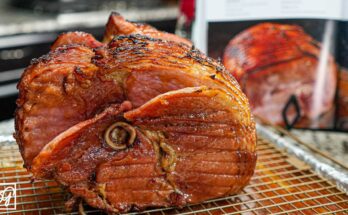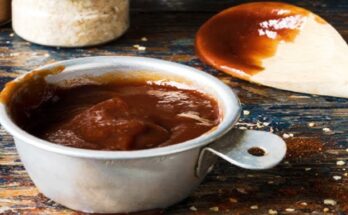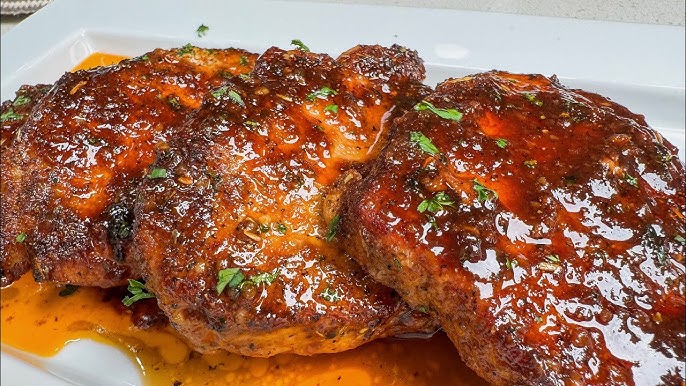
Pork Marinade Recipe: Ever bit into a piece of pork that was so juicy, tender, and flavorful it felt like it melted in your mouth? That’s the magic of a great marinade. A pork marinade isn’t just a way to season your meat—it’s a game-changer that takes a basic cut of pork and turns it into something unforgettable. Whether you’re preparing pork chops for a weeknight dinner or pork ribs for a backyard BBQ, the right marinade makes all the difference.
Marinades work by infusing flavor deep into the meat while also softening its texture. The acids in marinades help break down tough muscle fibers, while the oil keeps the meat moist and juicy. Add in some herbs, spices, and sweeteners, and you’ve got the perfect balance of flavor that transforms ordinary pork into a crowd-pleasing dish.
Let’s be honest—dry pork is nobody’s friend. That’s why every home cook (or BBQ enthusiast) should master at least one go-to pork marinade recipe. This guide will walk you through everything you need to know—from ingredients to step-by-step instructions, and even some popular variations. So, let’s get that pork marinating!
Benefits of Marinating Pork
Marinating pork isn’t just a fancy cooking technique; it’s a practical way to upgrade your meals. Here’s why it’s worth your time:
1. Enhances Flavor
Marinades are packed with bold flavors—from garlic and herbs to soy sauce, mustard, and even fruit juices. When you soak pork in a marinade, it absorbs those flavors, creating layers of taste in every bite.
2. Tenderizes the Meat
Acidic ingredients like vinegar, citrus juice, or yogurt help break down proteins in the pork. This makes tougher cuts, like pork shoulder or ribs, much more tender and easier to chew.
3. Boosts Moisture Retention
Dry pork? No thanks. The oil in the marinade creates a moisture barrier, keeping your meat juicy even when cooked over high heat.
4. Adds a Touch of Caramelization
Sugars in the marinade (like honey or brown sugar) caramelize beautifully when cooked, giving your pork a nice, flavorful crust—especially on the grill.
So, whether you’re aiming for juicy pork chops or fall-off-the-bone ribs, marinating is your best bet for flavor-packed results.
Different Cuts of Pork Suitable for Marinating
Not all pork cuts are created equal—and some work better than others when it comes to marinating. Here are the top picks:
Pork Chops
Lean and quick to cook, pork chops benefit greatly from a flavorful marinade. The added moisture helps them stay juicy and tender.
Pork Tenderloin
This lean cut is super tender on its own, but it absorbs marinades quickly due to its fine texture. Ideal for quick weeknight meals.
Pork Shoulder (aka Boston Butt)
This cut has more fat and connective tissue. It requires longer marination and slow cooking, but the result is incredibly rich and flavorful meat.
Pork Ribs
Perfect for BBQs. A good marinade helps soften the meat and adds depth of flavor before slow-cooking or grilling.
Other cuts like pork belly or loin roast can be marinated too, but they may need different techniques depending on thickness and fat content.
How Long Should You Marinate Pork?
This is a common question—and the answer depends on the cut and your flavor goals.
- Thin Cuts (like pork chops): 30 minutes to 4 hours
- Tenderloin: 2 to 8 hours
- Pork Shoulder: 8 to 24 hours
- Ribs: 4 to 12 hours
Tip: Avoid marinating for more than 24 hours. The acids can start breaking down the meat too much, making it mushy instead of tender.
Also, always marinate in the fridge—not on the counter. Safety first!
Essential Ingredients for the Perfect Pork Marinade
There’s a simple formula for building a flavorful marinade:
- Acid (like vinegar, lemon juice, or wine) to tenderize.
- Oil (olive, sesame, or canola) to lock in moisture.
- Salt & Umami (soy sauce, Worcestershire, miso) for deep flavor.
- Sweeteners (honey, brown sugar, maple syrup) for balance and caramelization.
- Aromatics & Herbs (garlic, onion, rosemary, thyme, ginger, etc.) for complexity.
By combining these elements, you can create endless marinade variations that suit your taste.
List of Ingredients You’ll Need
Here’s a go-to marinade ingredient list for 2 pounds of pork:
- ¼ cup soy sauce
- 2 tablespoons olive oil
- 2 tablespoons apple cider vinegar or lemon juice
- 2 tablespoons honey or brown sugar
- 3 garlic cloves, minced
- 1 teaspoon black pepper
- 1 teaspoon paprika
- 1 teaspoon dried rosemary or thyme
- ½ teaspoon chili flakes (optional for heat)
Optional Add-ons:
- 1 tablespoon Dijon mustard
- 1 teaspoon ground cumin
- Zest of 1 lemon or orange
- 1 tablespoon Worcestershire sauce
These pantry staples create a balanced flavor profile—savory, sweet, tangy, and aromatic.
Tools You’ll Need for Marinating
You don’t need fancy equipment, but a few tools can make the process cleaner and easier:
- Ziplock Bags: Perfect for even coating and minimal mess.
- Glass or Plastic Bowls: Avoid metal (it reacts with acidic ingredients).
- Marinade Brush: Handy if you’re basting during cooking.
- Marinade Injector: Great for thick cuts like pork shoulder or loin.
And of course, don’t forget the fridge to keep everything at a safe temperature during marination.
Step-by-Step Guide to Making Pork Marinade
Let’s break it down into clear steps:
Step 1: Mix the Marinade
In a mixing bowl, whisk together all the ingredients until fully combined. Taste and adjust—add more salt, sugar, or acid if needed.
Step 2: Prep the Pork
Pat the pork dry with paper towels to help the marinade stick better. Score thick cuts lightly to allow deeper penetration.
Step 3: Marinate the Pork
Place the pork and marinade in a ziplock bag or bowl. Seal tightly and refrigerate.
Step 4: Flip Occasionally
If marinating for several hours, flip the pork halfway through to ensure even coating.
Step 5: Cook and Enjoy
Remove pork from the marinade, shake off excess, and cook using your preferred method—grill, bake, or sear. Discard leftover marinade (or boil it for a sauce).
Top 3 Pork Marinade Recipe Variations
You don’t need to stick to just one flavor profile. Depending on your mood or the occasion, you can switch things up. Here are three of the most popular pork marinade variations you’ll want to try:
1. Classic Garlic & Herb Marinade
Perfect for everyday dinners, this marinade brings out the natural flavor of the pork without overpowering it.
Ingredients:
- ¼ cup olive oil
- 3 tablespoons lemon juice
- 3 garlic cloves, minced
- 1 tablespoon Dijon mustard
- 1 tablespoon chopped fresh rosemary
- 1 teaspoon thyme
- Salt and pepper to taste
Flavor Profile: Earthy, tangy, and subtly spicy.
Great For: Pork chops, pork loin, and grilled tenderloin.
Let it marinate for at least 2 hours (overnight is best) to let the herbs fully infuse.
2. Asian-Inspired Soy Marinade
This one’s packed with umami and works great if you’re planning to stir-fry or grill your pork with veggies.
Ingredients:
- ¼ cup soy sauce
- 2 tablespoons sesame oil
- 2 tablespoons rice vinegar
- 1 tablespoon honey or brown sugar
- 2 garlic cloves, minced
- 1 teaspoon grated ginger
- Optional: a splash of fish sauce or chili paste for heat
Flavor Profile: Savory, sweet, and aromatic with a hint of spice.
Great For: Pork stir-fry, grilled pork skewers, or pork belly.
Give this one at least 4 hours to do its thing, and don’t skip the ginger—it really makes the flavor pop!
3. Spicy BBQ Marinade
A smoky, spicy marinade that’s ideal for ribs and pork shoulder. It caramelizes beautifully and adds that BBQ pit flavor even if you’re cooking indoors.
Ingredients:
- ¼ cup BBQ sauce
- 2 tablespoons apple cider vinegar
- 1 tablespoon brown sugar
- 1 tablespoon Worcestershire sauce
- 1 teaspoon smoked paprika
- 1 teaspoon chili powder
- ½ teaspoon cayenne pepper (adjust to heat preference)
Flavor Profile: Smoky, tangy, spicy, and sweet.
Great For: BBQ ribs, pulled pork, or grilled pork steaks.
Let it marinate for 6–12 hours. For ribs, pair with a dry rub before grilling or baking for maximum flavor.
How to Cook Marinated Pork
Now that your pork is beautifully marinated, it’s time to cook it to perfection. Here’s how to make sure all that flavor translates to your plate.
1. Grilling
- Preheat your grill to medium-high.
- Shake off excess marinade to avoid flare-ups.
- Grill pork for about 4–6 minutes per side (depending on thickness).
- Let it rest for 5–10 minutes before slicing.
Pro Tip: Use the “hand test” to judge heat—hover your hand 5 inches over the grill; if you can only keep it there for 4–5 seconds, you’re good to go.
2. Baking
- Preheat oven to 375°F (190°C).
- Place pork in a baking dish and cover with foil.
- Bake until internal temperature reaches 145°F (63°C) for medium.
- For a crispy finish, uncover and broil for the last 5 minutes.
This method is perfect for thicker cuts like pork loin or shoulder.
3. Pan-Searing
- Heat oil in a skillet over medium-high.
- Sear pork 3–5 minutes on each side until golden brown.
- Lower heat and cook through (use a meat thermometer if needed).
Pan-searing locks in that beautiful crust while keeping the inside juicy.
Tips for Best Results
Want your pork to be restaurant-quality every time? Keep these pro tips in mind:
- Always marinate in the fridge. Leaving pork out at room temperature can lead to bacteria growth.
- Don’t reuse marinade unless it’s boiled first. You can repurpose it as a sauce, but make sure it’s safe.
- Score thicker cuts. A few shallow cuts allow the marinade to penetrate deeper.
- Don’t over-marinate. Longer isn’t always better. Too much acid can break down the meat excessively.
- Use a thermometer. Pork should hit an internal temp of 145°F (63°C) and rest for 3 minutes.
Cooking pork is both an art and a science—trust your senses, but also check that temp!
How to Store Marinated Pork
Planning ahead? Good idea! Here’s how to store marinated pork properly:
In the Fridge:
- Store raw, marinated pork in an airtight container or sealed bag.
- Safe for up to 2 days (depending on cut and ingredients).
- Always label with the date and time for tracking.
In the Freezer:
- You can freeze pork in the marinade for up to 3 months.
- Use freezer-safe bags, remove as much air as possible.
- Thaw in the fridge overnight before cooking.
Bonus Tip: Make marinade bags in advance and store them with the meat—meal prep made easy!
Is It Safe to Reuse Marinade?
Short answer: Only if you boil it first.
Since the marinade has touched raw meat, it’s potentially contaminated. But if you want to use it as a sauce:
- Pour it into a saucepan.
- Boil for 5–10 minutes to kill bacteria.
- Use as a glaze or dipping sauce.
Never reuse marinade that hasn’t been cooked—it’s just not worth the risk.
What to Serve with Marinated Pork
Great pork deserves great sides. Here are a few to try:
Savory Sides:
- Garlic mashed potatoes
- Roasted vegetables (carrots, Brussels sprouts, sweet potatoes)
- Creamy coleslaw
- Grilled corn on the cob
Fresh Pairings:
- Cucumber salad
- Apple slaw
- Watermelon feta salad
Drink Pairings:
- Dry white wine (Sauvignon Blanc or Pinot Grigio)
- Light beer or cider
- Lemon iced tea or sparkling water with citrus
These combos add balance, color, and flavor to your pork dish.
FAQs about Pork Marinade Recipe
1. Can I marinate pork overnight?
Yes, you can! Just don’t exceed 24 hours, especially with acidic marinades, or the meat might become too soft.
2. What’s the shortest time to marinate pork?
Even 30 minutes can add flavor, especially with thinner cuts like chops. But for best results, aim for at least 2 hours.
3. Can I use the same marinade for chicken or beef?
Absolutely! Just make sure the flavors match the protein, and always marinate each meat separately to avoid cross-contamination.
4. How do I know the pork is fully marinated?
Look for color change, a slight softening in texture, and rich aroma. But most importantly—trust your timing based on the cut.
5. Can I cook pork in the marinade?
You can—but only if you boil the marinade first to make it safe. It makes a great sauce or glaze when cooked down.
Conclusion
Marinating pork is more than just a cooking step—it’s the secret ingredient to unforgettable meals. Whether you’re throwing pork chops on the grill, slow-cooking ribs, or baking a tenderloin, a great marinade will elevate your dish from good to “can I get seconds?”
This guide gave you everything: the science of marinating, easy-to-follow steps, flavorful ingredient lists, and even some killer variations. So go ahead, grab your favorite cut, mix up a marinade, and turn that pork into the star of the table.
Because let’s be real—nothing beats the taste of perfectly marinated, juicy pork that’s bursting with flavor.