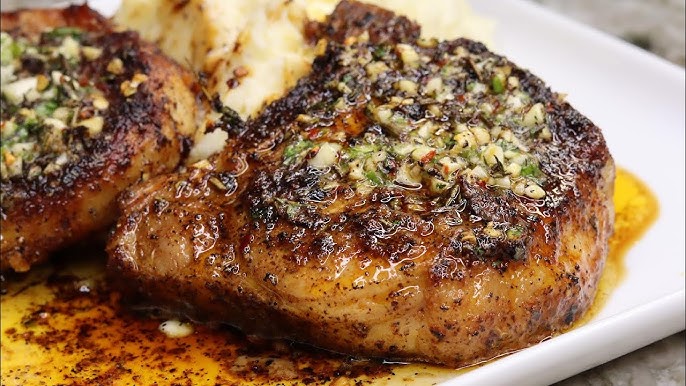
Pork Chop Seasoning Recipe: Ever bite into a pork chop and feel like something’s missing? It’s probably the seasoning—or lack of it. Pork chops are naturally flavorful, but with the right blend of spices and herbs, they go from decent to downright mouthwatering. In this guide, you’ll get a complete breakdown of how to make the perfect pork chop seasoning from scratch. We’re talking simple ingredients, easy steps, and flavor that knocks it out of the park. Whether you’re grilling, baking, or pan-searing, this guide will walk you through everything you need to know—step by step.
So, if you’re tired of bland, boring chops, get ready to turn things up a notch in your kitchen!
Why the Right Seasoning Matters
Let’s face it—pork chops can be a little, well… dull, if you don’t treat them right. And that “treatment” starts with seasoning. The right mix of spices does more than just make your pork chops taste better. It creates a flavor profile that complements the meat’s natural richness. Think of it like painting a canvas. Pork is your blank canvas; seasoning is your paint.
But not all seasonings are created equal. Some combos overpower the meat. Others don’t bring enough heat, salt, or umami. That’s why balancing your blend is key. You want a mix that enhances—not buries—the porky goodness.
Here’s what good seasoning does:
- Locks in flavor: When seared or baked, seasoned chops develop a delicious crust.
- Adds depth: Herbs and spices bring complexity to the taste.
- Improves texture: Salt helps with moisture retention, so your chops stay juicy.
In short: the right seasoning takes pork chops from meh to magnificent.
Types of Pork Chops
Before you season anything, you should know your cuts. Not all pork chops are made equal, and certain types respond better to different cooking—and seasoning—methods.
Here are the most common types:
- Bone-in pork chops: These have more flavor and moisture. Great for grilling and baking.
- Boneless pork chops: Easier to cook quickly, like pan-frying. Slightly leaner, so seasoning is critical to add richness.
- Thick-cut chops: Ideal for baking or reverse searing. More room for flavors to penetrate.
- Thin-cut chops: Best for quick cooking, but they can dry out fast. Light seasoning and high-heat methods work best here.
When planning your seasoning, consider the thickness and fat content of the chop. Fattier, bone-in cuts can handle bolder flavors. Leaner cuts? Go easy on the salt and heat.
List of Ingredients You’ll Need
Here’s the basic list of what you’ll need for a bold, savory pork chop seasoning blend. These ingredients are pantry staples in most kitchens, and they come together to create a balanced, punchy flavor.
Core Ingredients:
- 1 tbsp salt (kosher or sea salt)
- 1 tbsp smoked paprika
- 1 tbsp garlic powder
- 1 tbsp onion powder
- 1 tsp black pepper
- 1 tsp dried thyme
- 1 tsp dried oregano
Optional Add-ins (for customized blends):
- ½ tsp cayenne pepper (for heat)
- 1 tbsp brown sugar (for sweetness and caramelization)
- ½ tsp ground mustard
- 1 tsp dried rosemary
- Zest of 1 lemon (for freshness)
Each ingredient has a role to play. Salt enhances, paprika gives color and smoke, garlic and onion bring umami, and herbs like thyme and oregano add that earthy punch. Brown sugar and cayenne? That’s your sweet-and-spicy twist.
Ingredient Breakdown and Substitutes
Let’s dig deeper into why each spice is important and what you can use if you’re missing one.
- Salt: Go for kosher or sea salt. Table salt is fine in a pinch, but it’s more concentrated—use less of it. Salt pulls out moisture and enhances every flavor.
- Paprika: Smoked paprika adds depth and a rich red hue. No smoked paprika? Use sweet paprika or add a pinch of chipotle powder for that smoky vibe.
- Garlic & Onion Powder: These are your base. Think of them as the foundation of the flavor pyramid. They work together to give depth and richness.
- Black Pepper: Freshly ground is best. Adds that sharp, peppery kick.
- Thyme & Oregano: Dried herbs add an earthy tone. No oregano? Try basil or Italian seasoning.
- Cayenne (optional): Brings heat. Add more or less based on your spice tolerance.
- Brown Sugar (optional): Perfect if you like a sweet-savory balance. It also helps with browning when searing or baking.
Don’t have one of these? No stress. Seasoning is flexible. Experiment with what’s in your pantry and tweak until it suits your taste buds.
Tools You’ll Need
You don’t need a fancy kitchen setup to make a killer pork chop seasoning. But having the right tools can make the process easier and more precise. Here’s what you’ll want to have on hand:
Essential Tools:
- Measuring spoons – Accuracy matters. A little too much salt or pepper can throw off the whole balance.
- Small mixing bowl – For combining your spices evenly.
- Whisk or spoon – Use this to mix everything thoroughly, breaking up any clumps.
- Airtight container or glass spice jar – Keeps your seasoning fresh and aromatic for weeks.
- Label and pen – Trust us, you’ll want to label the container. Especially if you make multiple blends.
Optional But Helpful:
- Mini funnel – Makes transferring your blend into a spice jar easier.
- Mortar and pestle or spice grinder – If you’re using whole dried herbs or spices, grinding them fresh will take the flavor to another level.
Once you gather everything, making your blend takes less than five minutes. Just measure, mix, store—and you’re good to go.
How to Make Pork Chop Seasoning – Step-by-Step Guide
Now we’re getting into the fun part. Making your seasoning blend is easy and super satisfying. Here’s a step-by-step breakdown:
Step 1: Measure Your Ingredients
Start by measuring out each spice or herb into a small bowl. Stick to the proportions listed earlier, but feel free to tweak for personal taste. Want it spicier? Add more cayenne. Less salty? Cut back on salt a bit.
Step 2: Mix It Up
Use a whisk, spoon, or even your fingers to thoroughly mix the ingredients. You want everything evenly distributed—no clumps of garlic powder or giant chunks of brown sugar.
Step 3: Store Your Blend
Once mixed, transfer the seasoning into an airtight container. A small mason jar or recycled spice jar works great. Make sure it’s sealed tightly to keep out moisture and air, which can dull the flavors.
Step 4: Label It
Write down the name and date on a label or piece of tape. This way, you’ll know exactly what it is and how fresh it is.
Bonus Tip: Let it sit for 24 hours before use. This helps the flavors blend and intensify.
How to Apply the Seasoning to Pork Chops
You’ve made your blend—now let’s talk about using it the right way. Applying the seasoning can make or break your dish. Here are two tried-and-true methods:
Dry Rub Method
- Pat your pork chops dry with a paper towel. This helps the seasoning stick better and creates a better crust when cooked.
- Sprinkle the seasoning generously on both sides. Use about 1 to 1.5 teaspoons per chop, depending on size.
- Rub it in with your hands. Make sure every inch is covered.
- Let it rest for 15-30 minutes at room temperature before cooking.
Wet Marinade Option
- Mix 2 tbsp of seasoning with 2 tbsp olive oil and a splash of lemon juice or vinegar.
- Coat the pork chops evenly and let them marinate in the fridge for 2–4 hours (or overnight).
- This method adds moisture and helps tenderize the meat.
Both methods are great—choose based on how much time you have and how intense you want the flavor.
Cooking Techniques for Seasoned Pork Chops
You’ve seasoned your chops like a pro—now it’s time to cook them right. The cooking method matters just as much as the seasoning itself. Here’s how to get it just right:
Grilling
- Preheat your grill to medium-high heat.
- Cook pork chops for 4–5 minutes per side (depending on thickness).
- Let them rest for 5 minutes before serving.
Grilling adds that beautiful charred flavor, which pairs amazingly with the smoky paprika and herbs in the seasoning.
Baking
- Preheat oven to 400°F (200°C).
- Place seasoned chops on a baking sheet or in a cast-iron pan.
- Bake for 20–25 minutes (flip halfway through).
- Use a meat thermometer—internal temp should hit 145°F (63°C).
This method keeps things juicy and is super hands-off.
Pan-Searing
- Heat oil in a skillet over medium-high heat.
- Sear chops for 3–4 minutes per side.
- Optional: finish in a 375°F oven for 5–10 minutes if thick-cut.
This technique gives you that golden-brown crust and juicy center—especially good for boneless chops.
Common Mistakes to Avoid
Even with the perfect seasoning, a few simple missteps can ruin your pork chops. To help you avoid kitchen heartbreak, here are the most common mistakes—and how to avoid them:
1. Overseasoning or Underseasoning
It might seem obvious, but getting the amount just right is crucial. Too much salt or spice can overpower the natural pork flavor. Not enough? You’ll end up with bland meat. Aim for 1 to 1.5 teaspoons of seasoning per 6-oz chop. Adjust based on thickness.
2. Not Letting the Seasoning Rest
Seasoning your pork chops and throwing them straight into a pan won’t give the flavors time to settle in. Let your chops rest for 15–30 minutes after seasoning. If you’re marinating, go for a few hours or overnight. Resting allows the seasoning to absorb into the meat.
3. Using Old Spices
Spices lose their punch over time. If your paprika smells like cardboard or your thyme is more brown than green, it’s time to refresh your stash. Fresh spices = bold flavor.
4. Skipping the Pat-Down
Always pat the pork dry with paper towels before seasoning. If the meat is wet, the seasoning won’t stick, and you’ll miss out on that nice crust during cooking.
5. Not Checking Internal Temperature
Guessing when pork is done is risky. Use a meat thermometer. You want an internal temperature of 145°F (63°C). Let it rest before cutting—this helps the juices redistribute.
Avoid these simple pitfalls, and your pork chops will be flavorful, juicy, and perfectly seasoned every single time.
Tips for Customizing the Seasoning
Love the base recipe but want to spice things up? You’re in luck. Pork chop seasoning is incredibly versatile. Here are a few creative ways to tweak it to match your flavor mood:
Spicy Variation
If you like heat, crank up the cayenne. Add chili powder or even a pinch of crushed red pepper flakes. Want next-level spice? Try ground chipotle or ghost pepper (carefully!).
Smoky BBQ Twist
Add a teaspoon of brown sugar, a bit more smoked paprika, and a pinch of cumin. This gives you a sweet-smoky BBQ profile, perfect for grilling outdoors or broiling indoors.
Sweet and Savory Blend
Mix in more brown sugar and some ground cinnamon or allspice. This combo works beautifully for oven-baked chops, giving them a rich caramelized crust.
Herb-Forward Version
Add more dried herbs—like rosemary, sage, or marjoram—for a seasoning that leans earthy and aromatic. Ideal for thicker, roasted chops.
Citrusy Zing
Add lemon zest or a bit of orange peel to your seasoning mix. This lifts the whole flavor profile, making it bright and fresh. It’s especially good for pan-seared or grilled chops.
The beauty of making your own seasoning is that you control everything. Don’t be afraid to experiment. Taste as you go, and write down the versions you love.
Pairing Ideas
A well-seasoned pork chop deserves some equally delicious sides and drinks to go with it. Here are some great pairing suggestions:
Side Dishes
- Mashed potatoes – Classic, creamy, and perfect with savory chops
- Roasted vegetables – Carrots, brussels sprouts, or sweet potatoes with olive oil and sea salt
- Cornbread or biscuits – Southern vibes? Yes, please
- Apple slaw or sautéed apples – Sweet pairs beautifully with pork
- Rice pilaf or garlic butter noodles – Simple starches that let the meat shine
Sauces
- Apple cider reduction
- Garlic herb butter
- Spicy mustard glaze
- Creamy mushroom sauce
Drinks
- White wine – Try Chardonnay or Pinot Grigio
- Cider – Apple cider (hard or not) complements pork wonderfully
- Light beer – A wheat beer or lager pairs nicely
- Sparkling water with lemon – If you’re keeping it non-alcoholic but want to stay classy
Good food is all about the full experience—these pairings elevate your pork chops into a complete, crave-worthy meal.
Storage Tips
Whether you’ve made extra seasoning or have leftover cooked pork chops, here’s how to keep everything fresh and tasty.
For the Seasoning:
- Store in an airtight container in a cool, dark place (like your spice cabinet or pantry).
- It will stay fresh for 3–6 months—longer if your spices were newly opened.
- Label with the name and date so you know when to toss and remake.
For Cooked Pork Chops:
- Let them cool completely, then store in an airtight container in the fridge.
- They’ll stay fresh for 3–4 days.
- Reheat in a skillet or oven (not the microwave) to preserve texture.
If you made a wet marinade, don’t reuse it unless you boil it first. Leftover raw marinade can harbor bacteria.
Why Make Your Own Pork Chop Seasoning?
Sure, you can buy pre-made seasoning blends at the store. But here’s why DIY is better:
- Healthier: Store-bought blends are often packed with preservatives, MSG, or added sugar. When you make your own, you control every ingredient.
- Customizable: Want more garlic? Less salt? No heat? You do you.
- Fresher: Homemade blends are more aromatic and potent.
- Budget-Friendly: A one-time investment in spices can yield months of amazing flavor.
- Satisfaction Factor: There’s something extra satisfying about knowing you crafted that perfect flavor from scratch.
Once you make your own blend, it’s hard to go back. It’s just better—in taste, quality, and versatility.
FAQs about Pork Chop Seasoning Recipe
1. Can I use this seasoning on other meats?
Absolutely! This seasoning works great on chicken, turkey, and even roasted vegetables. It’s super versatile.
2. How much seasoning should I use per pork chop?
A good rule of thumb is 1 to 1.5 teaspoons per chop, depending on size and thickness. Adjust to taste.
3. Can I make a big batch and store it?
Yes! Double or triple the recipe, store it in an airtight container, and you’ll always have it ready.
4. Should I season pork before or after cooking?
Always season before cooking. Letting it rest with seasoning helps the flavor absorb and creates a great crust.
5. What if I don’t have smoked paprika?
You can use sweet paprika or regular paprika. If you want a smoky flavor, add a pinch of chipotle powder.
Conclusion
There you have it—your ultimate, foolproof guide to pork chop seasoning. Whether you’re grilling under the sun or pan-searing on a weeknight, the right seasoning can take your pork chops from forgettable to phenomenal. With a few pantry staples, a good mix, and a little technique, you’ll impress not just yourself but anyone lucky enough to sit at your table.
So what are you waiting for? Grab those spices, mix up your blend, and turn those pork chops into your new favorite meal. Once you try this, bland pork will be a thing of the past.