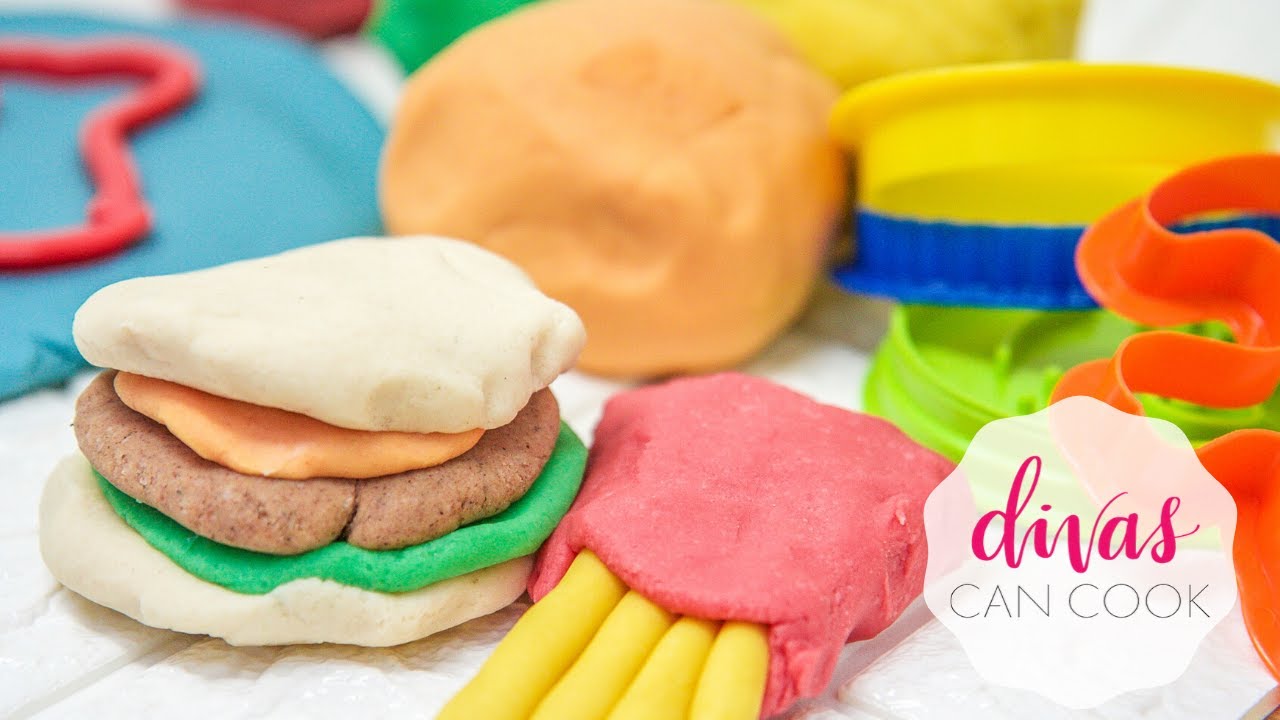
Playdough Recipe: Have you ever watched your child dig their fingers into playdough and create something magical? Maybe you remember those fun, squishy days from your own childhood.
Either way, making your own playdough at home isn’t just easy—it’s also way more fun, safe, and budget-friendly than store-bought versions.
Let’s dive into this ultimate step-by-step guide that gives you everything you need to whip up colorful, soft, and long-lasting playdough in your own kitchen.
List of Ingredients You’ll Need
You don’t need anything fancy or expensive to make homemade playdough. In fact, you probably have most of these ingredients sitting in your kitchen right now. Here’s your go-to list for a basic, foolproof recipe.
Basic Ingredients for Classic Playdough
- 2 cups of all-purpose flour
- 3/4 cup of salt
- 4 teaspoons of cream of tartar
- 2 tablespoons of vegetable oil
- 2 cups of water
These core ingredients will give you a soft, stretchy, and moldable dough that kids can’t resist. The salt acts as a preservative, the cream of tartar helps improve elasticity, and the flour is your main structure.
Optional Ingredients for Scented or Colored Playdough
Want to spice things up? Try adding:
- Food coloring or gel coloring (for vibrant shades)
- Essential oils or extracts (vanilla, peppermint, lavender)
- Glitter or sequins (because… sparkles!)
Natural Alternatives for Sensitive Skin
If your child has sensitive skin or allergies, opt for:
- Rice flour or oat flour for gluten-free playdough
- Coconut oil or olive oil instead of vegetable oil
- Natural food-based dyes like beet juice or turmeric for color
The beauty of homemade playdough is that you’re fully in control of the ingredients. That means no harsh chemicals, no synthetic fragrances, and no mystery preservatives.
Step-by-Step Guide to Making Playdough
Making playdough at home is fun, easy, and budget-friendly. This soft, long-lasting dough is perfect for kids’ play or classroom activities.
Step 1: Preparing Your Workspace
Clear a clean countertop or table. Gather all ingredients, a mixing bowl, spoon, saucepan, and an airtight container for storage. Cover surfaces if you want easy cleanup.
Step 2: Mixing the Dry Ingredients
In a saucepan, combine flour, salt, and cream of tartar (if using). Stir well to evenly distribute the ingredients. This helps ensure smooth, lump-free playdough.
Step 3: Adding Wet Ingredients
Add water and cooking oil to the dry mixture. Stir until everything is well combined and forms a smooth, milky mixture. At this stage, the dough will still be very runny.
Step 4: Cooking the Mixture
Place the saucepan over medium heat. Stir continuously as the mixture heats up. After a few minutes, it will begin to thicken and pull away from the sides of the pan. Once it forms a soft ball, remove from heat.
Step 5: Kneading the Dough
Allow the dough to cool slightly so it’s safe to touch. Transfer it to a clean surface and knead for 1–2 minutes until smooth and elastic. If sticky, sprinkle in a little flour.
Step 6: Adding Color and Scent
Divide the dough into portions if making multiple colors. Knead in a few drops of food coloring until evenly blended. You can also add a drop of essential oil or vanilla for a pleasant scent.
Step 7: Cooling and Storing Your Playdough
Let the playdough cool completely. Store in airtight containers or zip-lock bags to keep it soft. Properly stored playdough can last for several weeks.
Enjoy hours of creative fun! 🎨✨
Pro Tips for Perfect Playdough
Even though making playdough is pretty straightforward, a few little tricks can take your batch from good to absolutely amazing. Whether you’re a first-timer or a seasoned playdough pro, these tips will help you get the texture, scent, and shelf life just right.
Troubleshooting Common Issues
- Too sticky? Add a small amount of flour and knead until the stickiness disappears.
- Too dry or crumbly? Work in a few drops of oil or water gradually until it softens.
- Too salty or rough in texture? This might mean the salt wasn’t fully dissolved or mixed. Try sifting your dry ingredients before starting.
- Smells weird? Make sure your ingredients are fresh, especially the flour and oil. Old vegetable oil can make your dough smell rancid.
How to Get the Texture Just Right
The perfect playdough is soft, pliable, and holds its shape—but never sticks to your hands. The trick is in the cooking time and kneading. Cook it just long enough so the mixture pulls away from the pot without drying out. Then knead while it’s warm to make it extra smooth.
How to Revive Dry or Crumbly Playdough
Even the best playdough can start drying out over time, especially if the lid wasn’t on tight. Don’t toss it yet!
Try this:
- Add a few drops of warm water
- Wrap it in a damp towel for 10–15 minutes
- Knead it back to life
Still not working? A teaspoon of oil rubbed in can work wonders too.
Fun Variations and Ideas
Homemade playdough isn’t just about soft, squishy fun—it’s a blank canvas for creativity. Once you master the basic recipe, try mixing things up with these playful twists.
Glitter Playdough
Kids love sparkle—and you probably do too. Add a tablespoon of fine glitter while kneading the dough for a magical shimmer. Just be careful: glitter can spread like wildfire, so supervise closely.
Edible Playdough for Toddlers
Worried about little ones who still put everything in their mouths? Make an edible version using:
- 1 cup of powdered sugar
- 1/2 cup of peanut butter (or sunflower butter for allergies)
- 2 tbsp of milk powder
Mix together and knead. It’s soft, sweet-smelling, and safe to eat (though maybe not delicious by everyone’s standards).
Glow-in-the-Dark Playdough
You’ll need a glow pigment or non-toxic glow paint. Add it in during the kneading phase, then charge the dough under a lamp or sunlight. Perfect for sensory bins at night!
Holiday-Themed Playdough
Celebrate the seasons with themed batches:
- Pumpkin spice scent for fall
- Peppermint and red swirl for winter
- Lemon-scented yellow dough for spring
- Ocean blue with shells for summer
These add a little extra magic during holiday crafts or school activities.
Storage and Shelf Life
Homemade playdough can last weeks—sometimes even months—if stored properly. The key is keeping it airtight and out of direct sunlight.
Best Storage Containers
Here are a few great options:
- Small Tupperware containers with tight lids
- Ziplock bags with the air squeezed out
- Glass jars for a more eco-friendly choice
- Reusable silicone snack bags
Label each batch with the date you made it to keep track of how long it’s been around.
How Long Homemade Playdough Lasts
Typically, your batch will last 1–3 months. Here’s what can affect shelf life:
- How clean the kids’ hands are when playing
- Whether it’s stored in a cool place
- If it’s kept airtight
Adding a bit of vinegar to the mix (½ tsp) can extend shelf life too—it acts as a natural preservative.
Signs It’s Time to Toss It Out
- Strong sour smell
- Visible mold or color changes
- Rock-hard texture
If your playdough starts to look or smell weird, it’s time to make a fresh batch. It’s cheap and easy, so no big loss!
Safety and Cleaning Tips
While homemade playdough is super safe and non-toxic, a few basic precautions go a long way—especially when younger kids or pets are involved.
Is Homemade Playdough Safe for All Ages?
Yes! As long as none of the ingredients are allergens for your child, homemade dough is generally safe for ages 1+. However:
- Always supervise toddlers, especially if they still mouth objects
- Skip glitter or essential oils for babies
- Consider edible dough for under-3s
Cleaning Up After Playtime
Playdough can get stuck in carpet, cracks, or under fingernails, but it’s not a nightmare if you act fast:
- Use a butter knife or stiff brush to lift dried dough from carpets
- Wipe smooth surfaces with a damp cloth
- For clothes, let the dough dry, then scrape and wash
Avoid playing on fabric or rugs to make life easier!
Playdough Activities for Kids
Sure, it’s fun to squish and roll—but playdough can be a powerful learning tool, too. Here are some creative ideas to get the most out of your homemade batch.
Learning Through Play
- Letter and number molds help with early literacy and counting
- Shape cutters boost spatial awareness
- Free-form sculpting builds fine motor skills and creativity
Turn play into a hands-on classroom without your kids even realizing it.
Sensory Play Ideas
Playdough is a sensory goldmine:
- Mix in dried herbs like lavender or basil
- Use textured rolling pins
- Hide small toys in the dough for kids to discover
These activities stimulate smell, touch, and even hearing when you squish the dough.
Creative Shape Challenges
Set fun challenges like:
- Make your favorite animal
- Build a mini snowman
- Design a plate of playdough food
Kids can play solo or as a group—and there’s no “wrong” result, which builds confidence and imagination.
Why Parents and Teachers Love It
Let’s be honest: playdough is one of those rare things that checks all the boxes. It’s creative, calming, easy to clean, and wildly entertaining. But it goes deeper than that.
Cost-Effective
Store-bought playdough isn’t cheap—especially when kids want all the colors. Making it at home costs just a fraction and gives you more of it.
Educational Value
Playdough helps kids:
- Practice problem-solving
- Learn colors, shapes, and patterns
- Improve their hand strength and coordination
Many preschools and Montessori programs use it daily for a reason.
Keeps Kids Engaged
Need to get something done? Homemade playdough can keep kids busy for hours. Whether it’s after-school boredom or rainy day chaos, it’s your secret weapon.
Environmentally Friendly Option
In a world that’s becoming more conscious of sustainability, even something as simple as playdough can be part of the movement. When you make it at home, you get to choose what goes into it—and what doesn’t.
Eco-Friendly Ingredients
You don’t need artificial chemicals or plastic packaging. Choose ingredients that are biodegradable and food-safe:
- Natural food colorings (like beetroot powder, turmeric, spinach juice)
- Organic flour and salt
- Essential oils instead of synthetic scents
Want to go even further? Buy in bulk to reduce waste and opt for locally sourced ingredients where possible.
Reusable Containers
Instead of single-use plastic, store your dough in:
- Glass jars with lids
- Silicone snack bags
- Metal tins
These options are washable, reusable, and better for the planet—and they look cuter on a shelf, too!
Teaching kids to care for their toys and the earth is a double win. Homemade playdough becomes more than play—it becomes a lesson in sustainability.
FAQs about Playdough Recipe
How do I prevent mold in homemade playdough?
Use clean hands and tools during play, store it in an airtight container, and keep it in a cool, dry place. Adding a bit of vinegar during the cooking process can also help prevent mold growth.
Can I use essential oils for scent?
Yes! Stick to safe, kid-friendly oils like lavender, lemon, or peppermint. Always use just a drop or two and mix well to avoid irritation.
What’s the best flour to use?
All-purpose flour works best for that classic soft texture, but you can use rice, oat, or gluten-free blends for dietary needs.
How do I make multiple colors at once?
Make one large batch of plain dough, divide it into parts after cooking, and knead different colors into each one. Use gloves to avoid dyeing your hands.
Can I sell homemade playdough?
Yes, many small businesses do! Just make sure you’re following local safety and packaging regulations—especially if you’re marketing it as non-toxic or kid-safe.
Conclusion
Making homemade playdough is one of those activities that’s so simple, yet incredibly rewarding. You get to control what goes into it, choose your colors and scents, and even make it environmentally friendly. Whether you’re crafting with your kids on a lazy Sunday or prepping a sensory table for your preschool class, this guide has everything you need to make the perfect batch every time.
It’s affordable, safe, customizable, and—let’s face it—so much fun. And now that you’ve got the recipe and all the tips, you’ll never need to buy the store-bought stuff again.
Ready to roll up your sleeves and dive in? Your kids (and your wallet) will thank you.