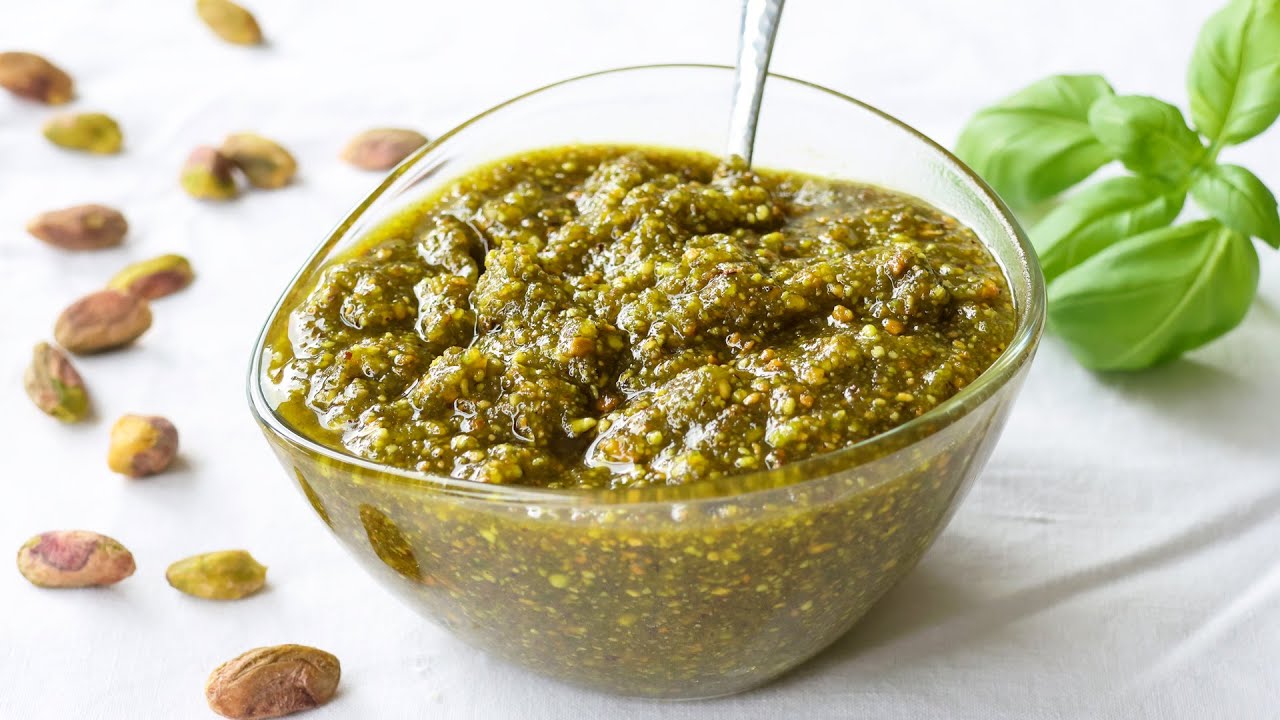
Pistachio Pesto Recipe: Pesto is one of those magical sauces that can turn a basic bowl of pasta into a gourmet experience. Traditionally made with basil, pine nuts, garlic, Parmesan, and olive oil, pesto has evolved in so many delicious ways. But one variation that has taken the culinary world by storm is pistachio pesto. Rich, nutty, creamy, and vibrant—this green beauty is both indulgent and nutritious.
So, why are food lovers ditching pine nuts and reaching for pistachios? It’s simple: pistachios bring a distinct flavor, a vibrant green color, and a silky texture that’s hard to beat. Whether you’re tossing it with pasta, spreading it on sandwiches, or spooning it over grilled veggies, this pesto adds an elegant and earthy twist to any dish.
But we’re not just here to rave about it. We’re diving into a step-by-step guide that’ll help you whip up a batch of this pesto like a pro—even if you’ve never made pesto before.
What is Pistachio Pesto?
At its core, pistachio pesto is a spin on the classic Italian sauce. While traditional pesto comes from Genoa and is made with basil and pine nuts, pistachio pesto replaces the pine nuts with—you guessed it—pistachios. The result is a deeper, nuttier flavor and a creamier texture.
Pistachio pesto can be made in several ways. Some people go all out with herbs like basil or parsley, while others keep it minimal with just nuts, oil, cheese, and garlic. What sets it apart is the unique flavor profile: subtly sweet, earthy, and bold. It’s not just a sauce—it’s a statement.
And if you’re thinking about health, here’s a bonus: pistachios are packed with protein, fiber, and antioxidants. So, not only are you making something tasty—you’re doing your body a favor, too.
Why You’ll Love This Pistachio Pesto
Once you try pistachio pesto, there’s no going back. Seriously, it’s like pesto—but leveled up. The richness of the nuts pairs perfectly with sharp Parmesan and peppery olive oil. It’s elegant yet rustic, bold yet balanced.
Here’s why it’ll become your new favorite:
- Next-level flavor: Pistachios add a naturally buttery and slightly sweet flavor that plays beautifully with cheese and garlic.
- Insanely versatile: Spread it, stir it, dollop it—it goes with everything.
- Easy to make: All you need is a food processor and a few basic ingredients.
- Nutrient-dense: Healthy fats, protein, fiber—need we say more?
- Stunning color: That bright green hue is like spring on a spoon.
Use it to impress your dinner guests, elevate your weekday meals, or just to treat yourself. One bite and you’ll understand the hype.
List of Ingredients You’ll Need
Let’s get down to the good stuff—what goes into this masterpiece?
Here’s what you’ll need for a classic pistachio pesto:
- 1 cup shelled pistachios (preferably unsalted and raw or roasted)
- 2 cups fresh basil leaves (loosely packed)
- 2 cloves garlic (peeled)
- ½ cup grated Parmesan cheese (or Pecorino Romano)
- ½ cup extra-virgin olive oil
- 1 tablespoon lemon juice (optional, for brightness)
- Salt and black pepper (to taste)
Optional Add-ins:
- Fresh parsley (for a more herbaceous flavor)
- Red pepper flakes (for a spicy kick)
- Zest of 1 lemon (for extra zing)
- Water or more olive oil (to adjust consistency)
This ingredient list is short but powerful. And the best part? You probably have most of it in your kitchen already.
Kitchen Tools You’ll Need
You don’t need a professional kitchen to make great pesto. Here’s what you’ll need:
- Food processor or high-speed blender – Your main tool to blend everything into a silky pesto.
- Measuring cups and spoons – For accuracy (yes, it makes a difference!).
- Rubber spatula – Helps you scrape down the sides while blending.
- Airtight jar or container – To store the pesto in the fridge or freezer.
If you don’t have a food processor, a mortar and pestle will work for a more traditional (and arm workout-friendly) approach.
How to Choose the Right Pistachios
Pistachios are the heart of this pesto, so choosing the right ones is crucial. Here’s what to keep in mind:
- Raw vs Roasted: Raw pistachios give you a subtle, creamy base. Roasted pistachios bring a deeper, toastier flavor. Either works, depending on your preference.
- Salted vs Unsalted: Go with unsalted if you want more control over seasoning. If using salted pistachios, reduce or skip the added salt.
- Shelled vs In-shell: Always use shelled pistachios to save time. If you only have in-shell ones, make sure to shell them all before starting.
Pro Tip:
To enhance the flavor, toast your pistachios in a dry pan over medium heat for 3-5 minutes until fragrant. Let them cool before blending. This small step adds a rich nuttiness that makes a big difference.
Step-by-Step Pistachio Pesto Recipe
Here’s the main event—the step-by-step process to making creamy, dreamy pistachio pesto at home.
Step 1: Prep Your Ingredients
Start by washing and drying your basil thoroughly. If your pistachios are raw and you’d like more flavor, toast them lightly as mentioned above. Peel your garlic cloves and grate your cheese.
Step 2: Add the Dry Ingredients
In your food processor, add:
- Pistachios
- Basil
- Garlic
- Grated Parmesan
Pulse a few times until coarsely ground. You don’t want to over-process it yet.
Step 3: Stream in the Olive Oil
While the processor is running, slowly stream in the olive oil. Scrape down the sides occasionally to ensure everything blends evenly.
Step 4: Adjust the Consistency
Once everything is well-blended, check the texture. If it’s too thick, add a tablespoon of water or olive oil until you reach your desired consistency.
Step 5: Season and Add Lemon Juice
Add salt, black pepper, and lemon juice. Pulse again, taste, and adjust seasoning as needed.
Step 6: Store or Serve
Use immediately or transfer your pesto to an airtight jar. If storing, pour a thin layer of olive oil over the top to prevent oxidation.
And there you have it—a fresh, flavorful pistachio pesto ready to elevate your meals.
Flavor Variations to Try
One of the best things about pistachio pesto is how customizable it is. The base recipe is already bursting with flavor, but if you’re the kind of person who loves experimenting in the kitchen, here are a few irresistible variations to play with:
1. Spicy Pistachio Pesto
Love a little heat? Add:
- ½ teaspoon red pepper flakes
- A pinch of cayenne pepper
- A small jalapeño (if you’re feeling brave)
This variation is amazing with grilled shrimp, tacos, or drizzled over roasted veggies for a spicy twist.
2. Lemon Zest Twist
Brighten things up with:
- Zest of 1 whole lemon
- Extra tablespoon of lemon juice
This gives your pesto a citrusy zing that pairs beautifully with fish, salads, or chicken.
3. Vegan Pistachio Pesto
Ditch the cheese but keep the flavor by using:
- 2 tablespoons nutritional yeast
- Extra olive oil or avocado for creaminess
It’s still cheesy, creamy, and delicious—just 100% plant-based.
4. Herb Explosion
Swap or mix in other herbs like:
- Fresh parsley
- Cilantro
- Mint
Each herb brings its own flavor character. Mint makes it super refreshing, while cilantro adds a Latin twist.
5. Creamy Version
Want it creamier? Stir in:
- 2 tablespoons of Greek yogurt
- A bit of cream cheese
Great as a sandwich spread or dip. Think of it like green gold mayo.
Go wild and make it your own. That’s the beauty of homemade food—you’re the chef.
How to Store Pistachio Pesto
You made a big batch, now what? Here’s how to store pistachio pesto so it stays fresh and delicious for as long as possible.
Fridge Storage
- Transfer the pesto to a glass jar or airtight container.
- Smooth the top with a spoon and pour a thin layer of olive oil over it. This acts like a protective seal against air (which causes browning).
- Store in the refrigerator for up to 1 week.
Freezer Storage
- Spoon pesto into ice cube trays and freeze.
- Once solid, pop out the cubes and store in a freezer-safe bag or container.
- Frozen pesto can last for 3 to 6 months.
- To use, thaw in the fridge or stir directly into hot pasta.
Avoid These Storage Mistakes:
- Don’t leave it uncovered; air is the enemy.
- Never use a dirty spoon to scoop pesto—this can introduce bacteria.
- Don’t skip the oil layer on top if storing in the fridge.
How to Use Pistachio Pesto
Wondering what to do with that jar of pistachio pesto? Let’s just say, the possibilities are endless. This is where pistachio pesto really shines—it’s not just for pasta.
1. Pasta Dishes
- Toss it with spaghetti, penne, or fusilli.
- Add a splash of pasta water to create a smooth, creamy sauce.
- Top with cherry tomatoes, roasted veggies, or grilled chicken.
2. Sandwiches & Wraps
- Use as a spread for sandwiches, burgers, or wraps.
- It’s amazing on grilled cheese or turkey paninis.
- Try it with roasted veggies and hummus for a flavorful veggie wrap.
3. Salads & Grain Bowls
- Mix it into quinoa or rice bowls.
- Use as a salad dressing base by thinning with lemon juice or vinegar.
- Drizzle over roasted beets or butternut squash.
4. Pizza & Flatbreads
- Swap out tomato sauce and use pesto as your base.
- Add mozzarella, goat cheese, or prosciutto for a gourmet pizza.
- Great for quick flatbread appetizers.
5. Dips & Snacks
- Mix with sour cream or Greek yogurt for a dip.
- Serve with crackers, crostini, or fresh veggies.
- Dollop over soups for extra richness.
Once you make it, you’ll find yourself adding it to just about everything—it’s that good.
Pairing Ideas
Let’s take things up a notch with perfect pairings that highlight pistachio pesto’s unique flavor.
Proteins
- Grilled Chicken – simple, juicy, and perfect for pesto.
- Salmon – the richness of salmon loves the herb-nut combo.
- Shrimp or Scallops – pair well with lemon-zesty pesto.
Carbs
- Sourdough bread – toasted with a smear of pesto is next-level.
- Garlic naan – for an Italian-Indian fusion.
- Crackers – for a quick snack or appetizer.
Cheese Pairings
- Fresh mozzarella
- Goat cheese
- Ricotta
Wine Pairings
- Sauvignon Blanc – crisp and citrusy.
- Pinot Grigio – light and refreshing.
- Chardonnay – buttery and bold, matches the nuttiness.
Whether it’s dinner, brunch, or snacks—you’ve got options.
Tips for Making the Perfect Pesto
Want to really master pistachio pesto? These tips will take your homemade game to the next level.
1. Balance the Fat
- If it’s too oily, add more nuts or cheese.
- If it’s too thick, add a splash of water or more olive oil.
2. Use Fresh, High-Quality Ingredients
- Fresh basil = vibrant flavor.
- Real Parmesan (not the shaker stuff) = richness.
- Extra-virgin olive oil = depth.
3. Don’t Over-blend
- Over-processing can make the pesto bitter.
- Pulse in short bursts and scrape down the sides often.
4. Taste as You Go
- Taste before seasoning!
- Remember, Parmesan is salty, so don’t overdo the salt too early.
5. Make Ahead for Better Flavor
- Letting the pesto sit for a few hours in the fridge allows the flavors to develop beautifully.
Nutritional Breakdown
Here’s a look at what’s going on nutritionally in each serving (approx. 2 tablespoons):
| Nutrient | Amount |
|---|---|
| Calories | 180 |
| Protein | 5g |
| Total Fat | 16g |
| Saturated Fat | 2g |
| Carbohydrates | 4g |
| Fiber | 2g |
| Sugar | <1g |
| Sodium | 140mg |
Why It’s Healthy:
- Pistachios offer protein, fiber, and heart-healthy fats.
- Olive oil brings anti-inflammatory benefits.
- Garlic and basil provide antioxidants and immune-boosting compounds.
Yes, it’s rich—but it’s also nourishing.
Common Mistakes to Avoid
Let’s make sure your first batch is a winner. Here are a few things to watch out for:
1. Using Too Much Garlic
- A little goes a long way. Too much, and your pesto will overpower everything.
2. Blending Too Long
- Can cause the oils to separate or taste bitter.
3. Not Toasting the Nuts
- Especially if your pistachios are raw, toasting adds depth and flavor.
4. Skipping the Lemon
- Lemon brightens the pesto and prevents it from tasting too heavy or oily.
5. Not Tasting Before Finishing
- Always taste and tweak before you store it.
FAQs about Pistachio Pesto Recipe
1. Can I substitute other nuts for pistachios?
Absolutely! Walnuts, almonds, and cashews make great substitutes. Each will bring a different flavor, but the base method stays the same.
2. Is pistachio pesto healthier than traditional pesto?
Yes, it can be! Pistachios have more fiber and fewer saturated fats than pine nuts. Plus, they’re packed with antioxidants and plant protein.
3. How long can I store pistachio pesto?
Up to 1 week in the fridge and 3-6 months in the freezer. Just remember to top it with a thin layer of oil before storing.
4. Can I make it without cheese?
Definitely. Just substitute with nutritional yeast for a vegan-friendly version.
5. What’s the best pasta for pistachio pesto?
Short pasta like penne, fusilli, or farfalle are great for holding onto the sauce. But honestly? It’s amazing with any pasta you’ve got.
Conclusion
Pistachio pesto is more than just a sauce—it’s a flavor bomb that transforms even the simplest meals into something truly memorable. Whether you’re tossing it with pasta, spreading it on toast, or spooning it over grilled meats, it brings a vibrant and gourmet touch to your plate.
The best part? It’s easy to make, endlessly adaptable, and packed with nutrients. You don’t need fancy equipment or hard-to-find ingredients—just a little time and a lot of love. Once you try this recipe, there’s a good chance you’ll never go back to plain basil pesto again.
So go ahead—grab some pistachios, power up your food processor, and let your culinary creativity take flight.