Pistachio Paste Recipe: If you’re someone who swoons over pistachio gelato or loves the subtle nuttiness in a French pastry, chances are you’ve encountered pistachio paste. This luscious green gold isn’t just a fancy baking ingredient—it’s a flavor-packed essential that elevates anything it touches. And here’s the exciting part: making pistachio paste at home is easier than you think!
Why spend a fortune on store-bought jars when you can whip up a fresh, preservative-free version with just a handful of ingredients? This guide walks you through everything—from selecting the best pistachios to crafting a smooth, spreadable paste that tastes like it came straight from a professional patisserie. Whether you’re baking, stirring into yogurt, or making your own pistachio ice cream, this paste is a game-changer.
Let’s roll up our sleeves and dive into the nutty magic of pistachio paste.
What is Pistachio Paste?
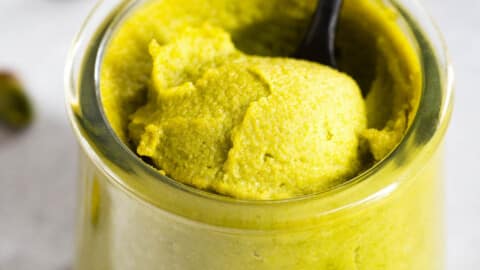
Pistachio paste is a thick, creamy blend made from ground pistachios, often combined with a touch of oil and sugar. It has a deep, earthy green hue and an intense pistachio flavor that’s both nutty and slightly sweet. Unlike pistachio butter, which is more like peanut butter with a spreadable consistency and often unsweetened, pistachio paste is smoother and richer, designed specifically for culinary use—especially in baking and confectionery.
Professional chefs and bakers swear by it for its versatility. You’ll find it hidden inside eclairs, swirled into croissants, or used to flavor mousses, macarons, and even savory sauces. Think of it as the pistachio equivalent of almond paste but with a much more exotic taste and vibrant green color.
Nutritionally, pistachios are loaded with fiber, healthy fats, antioxidants, and protein, making this paste not just delicious but also nutrient-dense. When made at home, you also avoid additives, dyes, and flavor enhancers commonly found in commercial versions.
Benefits of Making Homemade Pistachio Paste
You might wonder, “Why go through the trouble of making this at home when I can just buy it?” Well, the answer is simple: flavor, control, and cost.
- No preservatives: Store-bought versions often include stabilizers, colorings, and preservatives. Homemade paste is all-natural.
- Customize the flavor: Like it sweeter? Add more sugar. Want a hint of vanilla? Go for it. You’re the boss.
- Control the texture: Smooth and silky or chunky with a bit of grit—you choose the finish.
- Better value for money: High-quality pistachio paste can cost a fortune. Making your own saves money without sacrificing taste.
- Freshness: Freshly ground nuts offer an unbeatable flavor compared to pre-packaged options.
Once you try homemade pistachio paste, you’ll taste the difference immediately—and you may never look back.
Choosing the Right Pistachios
All pistachios are not created equal, and your choice here matters a lot. Here’s what you need to look for:
- Raw, unsalted pistachios: Always go for raw and unsalted. Salted nuts will throw off the flavor and can make your paste inedible for desserts.
- Shelled pistachios: You can buy pistachios in the shell and crack them yourself, but if you can find them pre-shelled, it saves time.
- Fresh and bright green: The greener, the better. That vibrant green color makes your paste look more appealing and natural.
- Avoid roasted nuts: While some people like to roast their pistachios for a deeper flavor, starting with raw gives you the flexibility to roast or not.
If you’re going for a bold, earthy, and sweet flavor, Iranian or Sicilian pistachios are top-tier. They tend to be more expensive, but the taste and color are unbeatable.
List of Ingredients You’ll Need
You don’t need a dozen ingredients to make magic. In fact, simplicity is what makes this paste shine.
Essential Ingredients
- 1 cup raw, unsalted pistachios (shelled)
- 2–3 tablespoons neutral oil (grapeseed, sunflower, or light olive oil)
- 1–2 tablespoons powdered sugar (optional but recommended for sweet paste)
Optional Ingredients
- ½ teaspoon vanilla extract (for a sweeter profile)
- A pinch of salt (if using for savory dishes)
- 1–2 tablespoons water (to loosen the paste, if needed)
Equipment
- High-speed blender or food processor
- Saucepan (for blanching)
- Baking sheet (if roasting)
- Airtight jar (for storing)
You’re now armed with everything you need—let’s get to the real action!
Prepping the Pistachios
The first step to a vibrant pistachio paste is proper prep, and yes, it starts with removing those stubborn skins.
1. Blanching
- Boil water in a saucepan.
- Add pistachios and boil for 1–2 minutes.
- Drain and immediately plunge into an ice bath.
This loosens the skins, making them easier to peel. While it takes time, it’s worth it for a brighter, smoother paste.
2. Peeling the skins
Gently rub the pistachios between your fingers or a clean towel. The skins should slip off easily. It’s a bit tedious, but patience pays off.
3. Roasting (Optional)
If you want a deeper, nuttier flavor:
- Preheat oven to 300°F (150°C).
- Spread peeled pistachios on a baking sheet.
- Roast for 5–7 minutes, watching closely to avoid burning.
Let them cool before blending.
Step-by-Step Guide to Make Pistachio Paste
Now that your pistachios are prepped and ready, it’s time to turn them into a velvety, aromatic paste. Here’s a detailed step-by-step guide to help you do it right on your first try.
Step 1: Add Pistachios to the Food Processor
Toss your peeled and (optionally) roasted pistachios into a high-powered food processor or blender. A quality machine is key here—cheap blenders might not give you the smooth texture you’re after and can even overheat.
Step 2: Start Blending
Begin pulsing the pistachios in short bursts. Initially, they’ll turn into a crumbly flour-like texture. Be patient—this part takes time. Continue blending until the oils begin to release and it forms a thick paste. You’ll likely need to stop and scrape down the sides frequently.
Step 3: Add Oil and Sugar
Once the pistachios form a rough paste, slowly drizzle in your oil. Start with 2 tablespoons and add more if needed to achieve your desired consistency. If you’re making a sweet paste, blend in powdered sugar at this stage. For savory, skip the sugar and maybe add a pinch of salt instead.
If the paste is too thick or dry, a spoonful of water can help loosen it. Just be cautious—too much can affect shelf life.
Step 4: Blend Until Smooth
This is where the magic happens. Keep blending until the paste becomes smooth, creamy, and spreadable. This can take anywhere from 5 to 10 minutes depending on your equipment. The paste should be thick, but not stiff.
Step 5: Taste and Adjust
Give it a taste. Need more sweetness? Add a bit more sugar. Want more depth? A splash of vanilla extract can do wonders. You can also add a dash of cardamom or a tiny bit of almond extract for a unique twist.
Step 6: Store
Once you’re happy with the flavor and texture, transfer the pistachio paste to a clean, airtight glass jar. It should keep well in the fridge for up to 2–3 weeks.
Texture Tips for the Perfect Paste
Texture is everything when it comes to pistachio paste. Whether you’re after a rich, creamy consistency or a rustic, chunky finish, these tips will help you perfect it.
- Use a powerful blender: This can’t be overstated. Underpowered machines will leave your paste gritty or uneven. A food processor with at least 600 watts is ideal.
- Don’t rush the process: Let your machine run for several minutes, stopping only to scrape the sides. The friction and heat will help release the natural oils.
- Too dry? Add more oil gradually, no more than 1 teaspoon at a time.
- Too runny? Add a few extra nuts and blend again or chill it in the fridge—it will firm up slightly.
Your ideal texture depends on the final use. A smooth paste is perfect for ice cream and fillings, while a chunky version adds crunch to baked goods.
Sweet vs. Savory Pistachio Paste
Most people associate pistachio paste with desserts—and for good reason. But did you know it also shines in savory dishes?
Sweet Pistachio Paste
- Add powdered sugar or honey
- Optional flavorings: vanilla, almond extract, rose water
- Ideal for: croissants, macarons, custards, frostings, gelato
Savory Pistachio Paste
- Skip the sugar
- Add a pinch of sea salt or even garlic or lemon juice
- Ideal for: sauces, dips, pasta, pesto, spreads for sandwiches
You can even split your batch—keep one half sweet and turn the other into a savory delight. That’s the beauty of DIY pistachio paste!
How to Store Pistachio Paste
Pistachio paste is perishable, so proper storage is key to keeping it fresh and safe to eat.
Short-Term Storage
- Store in an airtight glass jar
- Keep refrigerated
- Lasts up to 3 weeks
Long-Term Storage
- For longer life, freeze your pistachio paste
- Spoon it into silicone ice cube trays, freeze, then transfer cubes into freezer bags
- Lasts up to 3 months in the freezer
Shelf Tips
- Always use a clean spoon when scooping
- If you see oil separation, just stir it back in—this is totally normal
- Avoid keeping it at room temperature unless using it the same day
Creative Ways to Use Pistachio Paste
Once you’ve got a jar of this green goodness, the possibilities are endless. Here are some delicious ways to make it disappear fast:
1. Baking & Pastries
- Fillings for croissants, danishes, and brioche
- Layered into cakes and cupcakes
- Spread between cookies or macaron shells
2. Ice Cream and Gelato
- Pistachio paste is the base for authentic pistachio gelato
- Add it to vanilla ice cream for a flavor upgrade
3. Breakfast Boost
- Stir into oatmeal or yogurt
- Spread on toast, pancakes, or waffles
4. Sauces and Savory Dishes
- Add to creamy pasta sauces
- Mix into salad dressings or dips
- Blend into a pistachio pesto with basil and parmesan
5. Smoothies and Energy Bites
- Mix into protein shakes or smoothies for a nutty flavor
- Combine with oats, dates, and coconut to make energy balls
It’s incredibly versatile. Once you try a spoonful, you’ll find yourself adding it to just about everything.
Common Mistakes to Avoid
Even though making pistachio paste seems straightforward, a few common mistakes can ruin your batch. Avoiding these pitfalls will help you create a paste that’s flavorful, smooth, and long-lasting.
1. Using Salted or Flavored Pistachios
This is probably the most frequent mistake. Salted or roasted pistachios might seem convenient, but they throw off the delicate balance of flavor—especially if you’re planning to use the paste for desserts. Always start with raw, unsalted, shelled pistachios.
2. Skipping the Skin Removal
It might be tempting to skip blanching and peeling, but leaving the skins on results in a dull, brownish-green color and a bitter aftertaste. For a vibrant green paste with a clean flavor, always blanch and peel your pistachios.
3. Over-Roasting
A gentle roast enhances the nutty flavor, but overdoing it can make the paste taste burnt or overly intense. Stick to a low and slow roast—5 to 7 minutes at 300°F (150°C) is plenty.
4. Not Using the Right Equipment
You really do need a high-powered food processor. Weak machines will struggle to break down the nuts fully and can even overheat. If you’re serious about making nut butters or pastes regularly, invest in a quality processor.
5. Over-Blending
Yes, you want a smooth texture, but there’s a fine line between creamy and oily. Over-blending can separate the oils too much, leaving you with a greasy result. Stop once the paste reaches your preferred consistency.
6. Improper Storage
Exposing pistachio paste to air or using dirty utensils can shorten its shelf life. Always store in airtight containers and use clean tools to scoop.
Remember: this is a premium ingredient. Treat it with care, and it will reward you with rich flavor and endless uses.
Health Benefits of Pistachios
Aside from being absolutely delicious, pistachios are packed with nutrients that make this paste not just indulgent, but also beneficial for your health.
1. Rich in Protein
Pistachios are one of the highest-protein nuts, making them a great addition to vegetarian or plant-based diets. A single ounce contains about 6 grams of protein.
2. Full of Healthy Fats
They’re loaded with monounsaturated and polyunsaturated fats, which support heart health and help lower bad cholesterol levels.
3. Antioxidant Powerhouse
Pistachios contain lutein, zeaxanthin, and polyphenols, which fight inflammation and protect against cell damage. Their antioxidant profile even rivals that of blueberries!
4. Fiber-Rich
Just a handful of pistachios can help regulate digestion and keep you fuller for longer. Great news if you’re watching your weight or blood sugar.
5. Supports Eye and Skin Health
Thanks to high levels of vitamin E and carotenoids, pistachios can help maintain healthy vision and glowing skin.
So yes, your pistachio paste is more than just a treat—it’s a little jar of nutrition!
Substitutes and Variations
Not everyone has access to pistachios all the time, or maybe you’re curious to try other flavors. Here are a few smart variations and substitutions.
Nut Substitutes
- Almond Paste: Swap pistachios for blanched almonds for a more subtle flavor.
- Cashew Paste: Creamy and naturally sweet—perfect for smoothies and frostings.
- Hazelnut Paste: Nutty and bold, great for chocolate-based desserts.
Flavor Variations
- Add rose water or orange blossom water for a Middle Eastern twist.
- A splash of espresso turns your paste into a pistachio latte base.
- Mix in a pinch of cardamom or cinnamon for a warm spice kick.
Dietary Modifications
- Sugar-Free/Keto Version: Skip the sugar and sweeten with stevia, erythritol, or monk fruit extract.
- Vegan Option: Most pistachio paste recipes are naturally vegan, but double-check any added sweeteners or flavorings.
Homemade means you’re in charge—get creative and adjust to your taste and dietary needs.
Pistachio Paste vs. Pistachio Butter
These two are often confused, but they’re not quite the same. Let’s break down the differences:
| Feature | Pistachio Paste | Pistachio Butter |
|---|---|---|
| Texture | Thick, smooth, dense | Creamy, spreadable like peanut butter |
| Ingredients | Pistachios, sugar, oil (optional) | Pistachios only (sometimes oil) |
| Use Cases | Baking, desserts, gelato | Spread on toast, smoothies, snacks |
| Sweetness | Often sweetened | Usually unsweetened |
| Consistency | More like marzipan or nutty fudge | More like almond or peanut butter |
If you’re baking or making ice cream, go with pistachio paste. If you’re snacking, pistachio butter is your friend.
FAQs about Pistachio Paste Recipe
1. Can I use roasted salted pistachios?
No, it’s best to use raw, unsalted pistachios. Salted ones can make your paste too salty and interfere with the flavor, especially if you’re using it for desserts.
2. How long does homemade pistachio paste last?
Stored in an airtight jar in the fridge, it lasts about 2–3 weeks. You can also freeze it for up to 3 months.
3. Can I freeze pistachio paste?
Absolutely! Spoon it into ice cube trays, freeze, then store in a ziplock bag. Just thaw a cube or two whenever needed.
4. Is pistachio paste healthy?
Yes! It’s packed with protein, healthy fats, fiber, and antioxidants. Just be mindful of added sugar if you’re watching your intake.
5. What oil should I use for blending?
Use a neutral oil like grapeseed, sunflower, or light olive oil. Avoid oils with a strong flavor like coconut or sesame—they can overpower the pistachios.
Conclusion
Making your own pistachio paste isn’t just fun—it’s rewarding, delicious, and practical. With just a few simple ingredients and a bit of patience, you can create a gourmet ingredient that elevates everything from breakfast to dessert. The next time you’re craving that rich pistachio flavor in your baked goods or ice cream, skip the store-bought stuff and go DIY. The difference in freshness, taste, and color is night and day.
Plus, now you know exactly what goes into it. No additives, no mystery ingredients—just real, vibrant pistachios blended into creamy, dreamy perfection.
So what are you waiting for? Go grab a bag of pistachios and get blending!