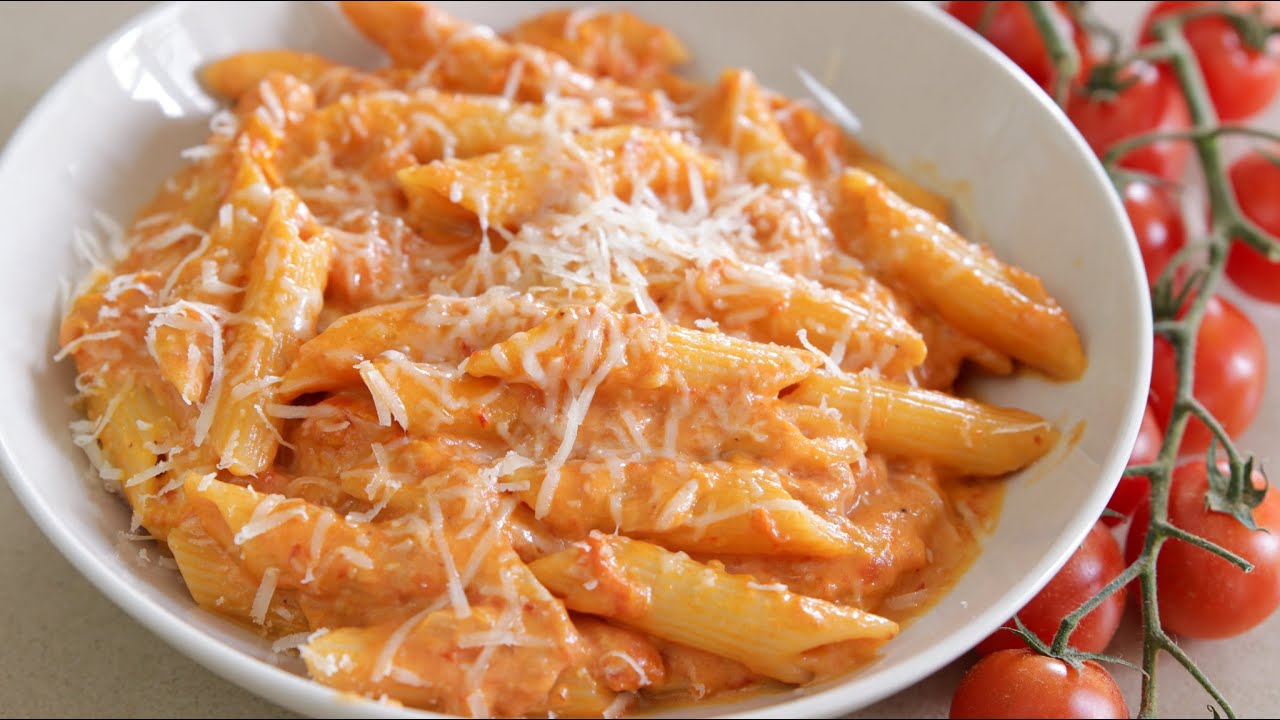
Pink Sauce Recipe: Pink Sauce is a creamy, dreamy pasta sauce that perfectly blends the richness of a white Alfredo-style sauce with the tanginess of a tomato base. It’s called “pink” because of its light rosy color, achieved when you mix tomato sauce with cream. This beautiful sauce has become a favorite in Italian-inspired kitchens around the world due to its versatility, vibrant color, and smooth texture.
Unlike heavy red or white sauces, Pink Sauce strikes the perfect middle ground — light, flavorful, and not too rich. Whether you’re serving it with pasta, grilled chicken, or shrimp, this sauce will elevate your dish to restaurant quality. Plus, it’s incredibly easy to make at home with just a few pantry staples.
What is Pink Sauce?
Pink Sauce is a luscious combination of marinara and creamy white sauce, creating a balanced, velvety texture. Its base usually includes tomatoes, garlic, heavy cream, Parmesan cheese, and butter. When heated together, these ingredients create a light pink hue — hence the name.
Think of it as the perfect marriage between tomato sauce and Alfredo sauce. It delivers the comfort of cream and cheese but with the fresh, tangy brightness of tomatoes. In Italy, it’s often referred to as “Salsa Rosa” and is a common choice for penne or rigatoni pasta.
Home cooks love it because it’s simple, elegant, and always a crowd-pleaser. You can easily adjust the flavor to suit your preferences — make it garlicky, spicy, or cheesy depending on what you like.
The Origin and Popularity of Pink Sauce
While its exact origin is debated, Pink Sauce likely originated from Italian-American fusion cuisine. Traditional Italian chefs used tomato and cream sauces separately, but American cooks began blending the two to create something new and indulgent. Over time, Pink Sauce became a staple in Italian restaurants worldwide.
Its popularity skyrocketed on social media in recent years, with food enthusiasts sharing their own colorful and creamy versions. The sauce’s beautiful hue and silky texture make it not only delicious but also Instagram-worthy.
Today, you’ll find variations of Pink Sauce used in pasta, seafood dishes, and even as a dipping sauce for breadsticks or fried appetizers. The best part? You can make it in under 30 minutes, even if you’re not a professional chef.
Why You’ll Love This Pink Sauce
If you’ve ever struggled to pick between red or white sauce for your pasta, Pink Sauce is the ultimate compromise. It delivers the best of both worlds — tangy, creamy, and oh-so-satisfying.
This sauce is perfect for date nights, family dinners, or whenever you want to impress guests without spending hours in the kitchen. Plus, it’s highly customizable: you can add chili flakes for spice, basil for freshness, or mushrooms for a richer texture.
Perfect for Pasta, Chicken, and Seafood
The beauty of Pink Sauce lies in its flexibility. You can pour it over al dente spaghetti for a quick meal or use it as a decadent base for baked chicken or shrimp dishes. Here are some ideas:
- Pasta: Toss it with penne, fettuccine, or rigatoni for a creamy Italian classic.
- Chicken: Coat grilled or pan-seared chicken breasts in Pink Sauce for a comforting entrée.
- Seafood: Combine with shrimp or scallops for a restaurant-style seafood pasta.
- Vegetarian Dishes: Pair with sautéed vegetables or roasted cauliflower for a lighter, meat-free version.
No matter how you serve it, the combination of cream and tomato gives a luxurious texture and flavor that instantly elevates your meal.
A Creamy Blend of Flavor and Color
The pale pink hue of this sauce adds an elegant touch to your table. It’s not just visually appealing — the taste is equally mesmerizing. The rich cream tones down the acidity of tomatoes, creating a smooth and well-rounded sauce that’s balanced in every bite.
The result is a sauce that’s flavorful but not overpowering. Every spoonful feels like a harmony of creamy, tangy, and savory notes — making it a favorite among both adults and kids.
Ingredients You’ll Need for Pink Sauce
Let’s move on to the foundation of any great recipe — the ingredients. You’ll be surprised how easy it is to create restaurant-quality Pink Sauce with just a handful of pantry staples.
Core Ingredients List
Here’s everything you’ll need:
| Ingredient | Quantity | Purpose |
|---|---|---|
| Olive oil | 2 tbsp | For sautéing |
| Butter | 1 tbsp | Adds richness |
| Garlic (minced) | 3 cloves | Flavor base |
| Onion (finely chopped) | ½ cup | Adds sweetness |
| Crushed tomatoes | 1 ½ cups | Tomato base |
| Heavy cream | 1 cup | Creates creamy texture |
| Parmesan cheese (grated) | ½ cup | Enhances flavor |
| Salt | To taste | Balances flavors |
| Black pepper | ½ tsp | Adds mild heat |
| Italian seasoning | 1 tsp | Aromatic blend |
| Red chili flakes (optional) | ½ tsp | Adds spice |
| Fresh basil (chopped) | 2 tbsp | Finishing touch |
These ingredients create a perfect flavor balance — creamy, cheesy, and lightly tangy. The heavy cream softens the tomato’s acidity, while Parmesan adds a nutty depth that rounds everything out beautifully.
Optional Add-Ons for Extra Flavor
Want to make your Pink Sauce stand out even more? Try these delicious add-ons:
- Mushrooms: Add umami richness and texture.
- Spinach: Stir in fresh spinach for color and nutrients.
- White wine: A splash enhances the sauce’s depth and sophistication.
- Sun-dried tomatoes: Intensify the tomato flavor.
- Shrimp or chicken: Turn it into a complete meal.
These additions can easily take your Pink Sauce from simple to gourmet — perfect for impressing guests or treating yourself to a restaurant-worthy dinner.
Step-by-Step Guide to Make Pink Sauce
Now that you’ve got your ingredients ready, it’s time to dive into the fun part — making the sauce! Follow this step-by-step guide to create a creamy, flavorful, and smooth Pink Sauce that pairs beautifully with any dish.
Step 1: Prepare the Ingredients
Gather all your essentials: olive oil, minced garlic, diced onions, crushed tomatoes or tomato sauce, heavy cream, grated parmesan cheese, salt, pepper, and a pinch of red chili flakes (optional). Pink sauce — often called rosa sauce — is basically the lovechild of creamy Alfredo and tangy marinara.
Step 2: Sauté the Aromatics
In a large skillet, heat a tablespoon of olive oil over medium heat. Add the minced garlic and diced onions, sautéing until fragrant and golden — about 2–3 minutes. This builds the rich flavor foundation for your sauce.
Step 3: Add Tomato Base
Pour in the crushed tomatoes or tomato sauce and stir well. Let it cook for 5–7 minutes to thicken slightly and mellow the acidity of the tomatoes. If you like a deeper flavor, you can add a small splash of white wine or vegetable broth during this step.
Step 4: Mix in Cream and Cheese
Reduce the heat to low and slowly stir in the heavy cream. Watch as the sauce turns a beautiful blush pink color. Add the grated parmesan cheese and stir until melted and smooth — creamy, rich, and perfectly balanced.
Step 5: Season and Simmer to Perfection
Season with salt, pepper, and a pinch of chili flakes if you want a subtle kick. Let the sauce simmer gently for another 3–5 minutes until everything is silky and cohesive. Serve over pasta, chicken, or seafood — velvety, elegant, and irresistibly delicious!
Serving Suggestions
Pink Sauce is incredibly versatile, making it suitable for various dishes. Whether it’s a cozy weeknight dinner or a special occasion, this sauce never disappoints.
Pairing with Different Dishes
Here are some of the best ways to enjoy your homemade Pink Sauce:
Pasta:
- Toss with penne, spaghetti, or fettuccine for a classic Italian meal.
- Add sautéed shrimp, grilled chicken, or roasted vegetables for a heartier dish.
Chicken Dishes:
- Serve over grilled or baked chicken breasts.
- Use it as a base for chicken parmesan with mozzarella topping.
Seafood:
- Mix with shrimp or scallops for a creamy seafood pasta.
- Drizzle over baked salmon for a luxurious touch.
Vegetarian Options:
- Combine with roasted veggies like zucchini, bell peppers, and mushrooms.
- Serve as a dip with garlic bread or breadsticks.
Pro tip: Sprinkle a bit of extra Parmesan and freshly cracked pepper right before serving for that authentic restaurant-style finish.
Tips for Presentation
Presentation makes a big difference, especially when you’re serving guests. Here’s how to make your dish look irresistible:
- Garnish with fresh basil leaves or parsley for a pop of green.
- Add a drizzle of olive oil or a sprinkle of red chili flakes for color contrast.
- Serve in a white dish to make the pink hue stand out beautifully.
- Pair with a glass of white wine or sparkling water for a balanced meal experience.
A beautifully presented dish not only tastes great but also creates a delightful dining experience.
Storage and Reheating Tips
One of the best things about Pink Sauce is that it stores beautifully, allowing you to enjoy it later without compromising its flavor or texture. Whether you’ve made a large batch or just have some leftovers from dinner, these storage and reheating tips will help you keep your sauce tasting fresh and creamy.
How to Store Pink Sauce Properly
After your sauce cools down to room temperature, transfer it into an airtight container. Store it in the refrigerator for up to 4–5 days. If you’ve mixed the sauce with pasta, it’s still fine to refrigerate, but the texture may thicken slightly, which you can easily fix when reheating.
Storage tips:
- Always use clean, dry containers to prevent bacterial growth.
- Avoid leaving the sauce out at room temperature for more than 2 hours.
- Label the container with the date to keep track of freshness.
If you want to store it for longer, freezing is a great option. Pour the cooled sauce into freezer-safe bags or containers, leaving a little room at the top for expansion. It can be frozen for up to 2 months.
When you’re ready to use it again, thaw it overnight in the refrigerator before reheating.
Pro tip: Avoid freezing sauce with pasta already mixed in; the pasta tends to become mushy when reheated.
Best Ways to Reheat Without Separation
Reheating creamy sauces can be tricky because high heat may cause the cream to separate or curdle. Here’s how to reheat your Pink Sauce the right way:
On the Stovetop (Best Method):
- Pour the sauce into a saucepan.
- Warm over low to medium heat, stirring continuously.
- Add a splash of milk, cream, or pasta water to restore the original consistency.
In the Microwave:
- Place the sauce in a microwave-safe bowl.
- Heat at 50% power in 30-second intervals, stirring between each round.
- Mix in a little cream or milk if it thickens too much.
If Sauce Splits:
- Don’t worry! Just whisk it vigorously while adding a tablespoon of warm cream or butter to bring it back together.
Handled properly, your Pink Sauce will taste just as creamy and flavorful as when you first made it.
Common Mistakes to Avoid
Even though making Pink Sauce is fairly simple, a few common mistakes can impact its texture or flavor. Here’s what to avoid to ensure you get perfect results every time.
Overcooking the Sauce
One of the biggest errors is overheating the sauce after adding the cream. High heat can cause the fat to separate from the liquid, leading to a grainy or oily texture. To prevent this, always reduce the heat to low before adding cream and cheese.
Also, avoid boiling the sauce once the dairy is in. Gentle simmering allows the ingredients to meld without breaking down the cream.
If you accidentally overcook the sauce, try adding a bit more cream and whisking it well to bring it back together.
Pro tip: Cook low and slow — it’s the secret to silky, restaurant-quality sauce.
Balancing Acidity and Creaminess
Tomatoes are naturally acidic, and when mixed with cream, the balance can easily go off. Too much acidity can make your sauce taste sharp or sour, while too much cream can make it bland.
Here’s how to get it right:
- Taste as you go: Adjust salt, sugar, or cream gradually until you reach harmony.
- Add a pinch of sugar: This neutralizes tomato acidity without making the sauce sweet.
- Use quality tomatoes: Cheap or overly sour canned tomatoes often lead to imbalanced sauces.
You’re aiming for a flavor that’s both bright and rich — a sauce that dances between tangy and smooth without leaning too far in either direction.
Healthier Alternatives and Variations
Pink Sauce doesn’t always have to be indulgent. You can make healthier or dietary-friendly versions without losing the delicious essence that makes it so popular. Let’s explore some creative variations you can try at home.
Vegan Pink Sauce Option
If you’re plant-based or dairy-free, you’ll be glad to know you can still enjoy a creamy Pink Sauce without using any animal products.
Ingredients for Vegan Pink Sauce:
- Olive oil or vegan butter (2 tbsp)
- Garlic (3 cloves, minced)
- Onion (½ cup, finely chopped)
- Crushed tomatoes (1 ½ cups)
- Coconut milk or cashew cream (1 cup)
- Nutritional yeast (2 tbsp, for a cheesy flavor)
- Salt, pepper, and Italian seasoning (to taste)
Instructions:
- Sauté garlic and onion in olive oil until fragrant.
- Add crushed tomatoes and simmer for 8–10 minutes.
- Lower the heat and stir in coconut milk or cashew cream.
- Add nutritional yeast and seasoning. Stir well until creamy and pink.
This version is dairy-free, flavorful, and surprisingly rich. The coconut milk gives a slightly tropical twist, while the nutritional yeast adds a cheesy undertone that mimics Parmesan.
Low-Fat and Keto-Friendly Versions
For those watching calories or following a keto lifestyle, Pink Sauce can easily be modified:
Low-Fat Version:
- Replace heavy cream with low-fat milk or Greek yogurt.
- Use minimal butter and olive oil.
- Skip the cheese or use a light version.
Keto-Friendly Version:
- Keep the heavy cream but reduce the tomato content slightly to lower carbs.
- Add extra cheese or cream cheese for richness.
- Use herbs like basil and oregano to boost flavor without adding carbs.
These healthier versions still deliver that creamy, tangy punch — just lighter on calories or carbs.
FAQs about Pink Sauce Recipe
1. Can I Freeze Pink Sauce?
Yes, Pink Sauce freezes very well. Just make sure it has completely cooled before transferring it into airtight containers or freezer bags. It can last up to 2 months in the freezer. Thaw overnight in the fridge before reheating on the stovetop.
2. How Long Does It Last in the Fridge?
When stored in an airtight container, Pink Sauce stays fresh for 4–5 days in the refrigerator. Always reheat gently to maintain its creamy texture.
3. What’s the Best Pasta for Pink Sauce?
Penne, rigatoni, and fettuccine are classic choices because their shapes hold the sauce beautifully. However, you can use any pasta type — even ravioli or gnocchi work wonderfully with Pink Sauce.
4. How to Fix a Curdled Sauce?
If your sauce curdles, don’t panic. Just remove it from the heat, add a tablespoon of cream or butter, and whisk vigorously until it smooths out. You can also use a blender for a quick fix.
5. Can I Make It Without Cream?
Absolutely! Substitute cream with whole milk, Greek yogurt, or cream cheese. While the texture may differ slightly, the flavor remains rich and delicious.
Conclusion
Pink Sauce is more than just a pasta topping — it’s a culinary masterpiece that combines comfort, color, and creativity. With its velvety texture, tangy tomato base, and creamy richness, it’s the perfect middle ground between red and white sauces.
Whether you’re making it for a weeknight dinner, a date night, or meal prep, this sauce never fails to impress. The best part? It’s endlessly customizable — vegan, keto, spicy, or cheesy, you name it!
So, roll up your sleeves, grab your ingredients, and create your own version of this timeless favorite. Once you taste that silky, flavorful pink perfection, you’ll understand why it’s loved all over the world.