Pineapple Fried Rice Recipe: Pineapple fried rice isn’t just another variation of your typical fried rice — it’s a tropical twist that turns a simple dish into a flavorful adventure. Bursting with the sweet tang of pineapple and complemented by the savoriness of soy sauce, garlic, and vegetables, this Thai-inspired dish is a favorite worldwide. Its popularity comes from its perfect balance of sweet, salty, and savory, and its ability to be customized to suit any dietary preference — from vegan to meat-lovers.
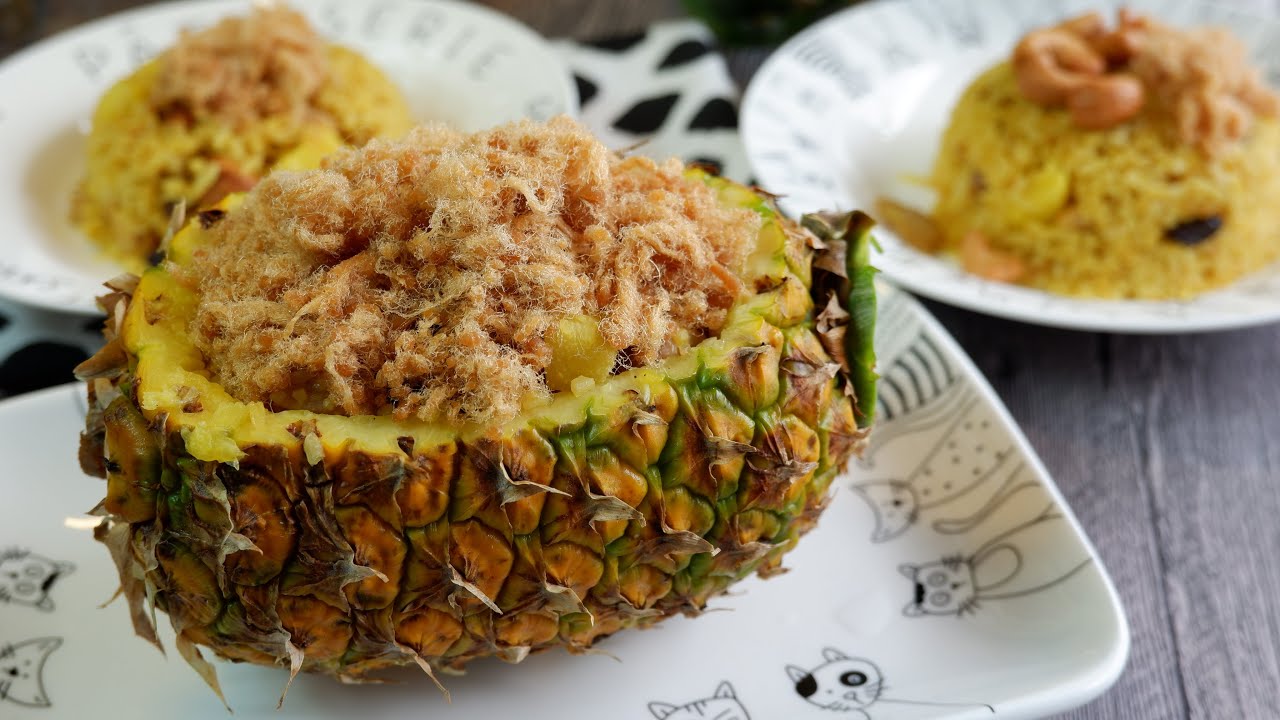
In many Southeast Asian countries, especially Thailand, pineapple fried rice is a restaurant and street food staple. The visual presentation is also a major crowd-pleaser — often served in a hollowed-out pineapple shell, it’s both Instagram-worthy and delicious. Whether you’re making it as a weeknight dinner or a show-stopping party dish, it delivers flavor and flair without requiring expert cooking skills.
Moreover, it’s one of those dishes that makes use of leftovers beautifully. Got some old rice in the fridge? Some random veggies sitting in the crisper drawer? A can of pineapple? You’re halfway there. It’s a dish of convenience, yet it tastes anything but basic.
Flavor Profile of Pineapple Fried Rice
What really makes pineapple fried rice stand out is its dynamic flavor profile. It’s an explosion of contrasts that somehow work in harmony. The sweetness of pineapple chunks dances perfectly with the umami of soy sauce, while garlic and onions add a punchy depth. Cashews or peanuts (optional but recommended) add a crunchy texture that balances the soft, chewy rice.
If you like spicy, a dash of chili flakes or a spoon of sambal can kick it up a notch. Want more umami? Toss in a bit of fish sauce or oyster sauce. Craving more greens? Throw in peas, bell peppers, or even chopped kale.
It’s the kind of dish that doesn’t demand perfection — instead, it thrives on creativity and personal touches. That’s why it’s become a beloved comfort food for so many people.
Essential Ingredients for Pineapple Fried Rice
Main Ingredients Breakdown
Let’s break down what you’ll need to cook authentic and tasty pineapple fried rice. Here’s a list of the core ingredients:
- Cooked Jasmine rice (preferably day-old) – This gives the rice its signature texture. Freshly cooked rice tends to be too wet and sticky.
- Fresh pineapple chunks – Adds sweetness and moisture. Canned pineapple works too, but fresh is best.
- Vegetables – Common choices include peas, carrots, bell peppers, onions, and green onions.
- Garlic and onion – The aromatic base that starts every great fried rice.
- Eggs – Optional, but they add richness and protein.
- Soy sauce – Brings in saltiness and umami.
- Fish sauce or oyster sauce (optional) – Enhances the savory notes.
- Cashews or roasted peanuts – For texture and a nutty contrast.
- Oil (vegetable or sesame) – For stir-frying.
- Salt, pepper, and a touch of sugar – For balance.
If you’re making it vegetarian or vegan, you can skip the eggs and fish sauce. Tofu or tempeh can be added for protein.
Ingredient Substitutions and Variations
Not everyone has the same pantry items, and that’s totally fine. Pineapple fried rice is incredibly adaptable. Here are some substitutions:
- Rice: While jasmine rice is traditional, basmati or long-grain white rice works fine. Even brown rice can be used for a healthier twist.
- Protein options: Shrimp, chicken, tofu, or tempeh are great. You can even use leftover rotisserie chicken or scrambled tofu.
- Sauces: No soy sauce? Use tamari or coconut aminos for a gluten-free version.
- Nuts: Allergic to nuts? Try sunflower seeds or leave them out altogether.
- Pineapple: If you don’t have fresh pineapple, canned will do, but drain it well to avoid sogginess.
The key is to maintain the balance between sweet, savory, and salty flavors — everything else can be tailored to your preference.
Prepping Before Cooking
Tips for Preparing Rice
The most important ingredient in fried rice is — you guessed it — the rice itself. The secret to perfect fried rice lies in using day-old rice that has been refrigerated. Why? Because cold rice firms up, loses excess moisture, and doesn’t clump together when stir-fried.
If you only have freshly cooked rice, spread it out on a tray and let it cool to room temperature, then refrigerate it for at least 30 minutes. You can also freeze it for a short time to speed things up.
Here’s a quick rice-prepping checklist:
- Cook your jasmine rice a day ahead if possible.
- Use a fork to fluff the rice and break apart any clumps before cooking.
- Avoid overcooking rice in the first place – slightly undercooked rice works best for frying.
This step alone can make or break your dish — soggy, sticky rice just won’t give you that restaurant-quality texture.
Chopping and Preparing Vegetables and Pineapple
Before you start stir-frying, get all your ingredients chopped and ready to go. Fried rice cooks quickly, so you want everything within arm’s reach.
Here’s what you’ll need to prep:
- Pineapple: Cut a fresh pineapple into small chunks. If using canned, drain thoroughly.
- Vegetables: Dice your carrots, bell peppers, onions, and slice your green onions.
- Garlic: Mince it finely for even cooking.
- Cashews/peanuts: Lightly roast them if they aren’t already.
Want to get fancy? Cut the pineapple in half lengthwise and hollow it out to use as a serving bowl. It’s a cool visual, and you can use the scooped-out fruit for the recipe — no waste!
Cooking Pineapple Fried Rice – Step by Step
Step 1: Stir-Frying Aromatics
Start by heating your wok or large skillet over medium-high heat. Add about 2 tablespoons of oil — sesame oil adds a nutty aroma, but any neutral oil like vegetable or canola will do.
Once the oil is shimmering, toss in your minced garlic and chopped onions. This is where the magic begins. Stir-fry for about 30 seconds to a minute until fragrant. Be careful not to burn the garlic — you want it golden, not brown.
This aromatic base is the foundation of your flavor. At this stage, you can also add a bit of grated ginger for an extra zing. Stir constantly, letting the garlic and onion soften and release their fragrance into the oil.
If you’re using eggs in your recipe, this is also the time to push the aromatics to one side of the pan and crack the eggs into the other. Scramble them lightly, then mix everything together. The eggs will bind slightly with the rice later, adding texture and richness.
Step 2: Cooking Vegetables and Pineapple
Next, add your vegetables — diced carrots, bell peppers, peas, or whatever you’re using. Stir-fry them for about 2 to 3 minutes. You want them to stay vibrant and crisp-tender, not mushy.
Now comes the star ingredient: the pineapple. Add the chunks and stir everything together. The heat caramelizes the sugars in the pineapple, intensifying the sweetness and adding a slight charred flavor that’s absolutely delicious.
This is where your kitchen starts to smell amazing. The sweet pineapple juices mix with the garlic and onion, creating a rich, tropical aroma that sets this dish apart from traditional fried rice.
If you’re adding protein like shrimp, chicken, or tofu, this is a good moment to toss them in and cook until they’re heated through or lightly seared.
Step 3: Adding Rice and Seasoning
Now for the main event — the rice. Add your cold, day-old jasmine rice straight into the pan. Use a spatula or wooden spoon to break apart any clumps and spread the rice evenly over the pan.
Then pour in your sauces: soy sauce, a bit of fish or oyster sauce (if using), and a pinch of sugar to round out the flavors. If you want a little heat, toss in some chili flakes or a dash of sriracha.
The key here is to toss everything well. Don’t stir too fast or you’ll break the rice grains — use a gentle folding motion. Make sure the sauce coats every bit of rice evenly, coloring it a beautiful golden-brown.
This is the moment everything comes together. The rice absorbs the flavors of the vegetables, pineapple, and aromatics, creating a harmonious blend that’s savory, sweet, and deeply satisfying.
Step 4: Finishing Touches
To finish, add your chopped green onions and roasted cashews or peanuts. These give the dish a final pop of freshness and crunch that elevates it to another level.
Give everything one last stir, then taste and adjust seasoning. Maybe a splash more soy sauce? A squeeze of lime juice for brightness? Go with your instincts.
Once done, remove the pan from heat and let it sit for a minute or two. This helps the flavors settle and makes the rice easier to serve.
If you’re feeling fancy, spoon the fried rice into the hollowed-out pineapple halves for a show-stopping presentation.
Presentation and Serving Suggestions
How to Serve in a Pineapple Bowl
If you want to impress, serve your pineapple fried rice in a real pineapple bowl. Here’s how to do it:
- Cut a pineapple in half lengthwise, keeping the green top intact.
- Use a knife to carve a rectangle inside each half, being careful not to pierce the skin.
- Scoop out the flesh with a spoon or melon baller.
- Dice the fruit for your fried rice, and keep the hollow shells as your bowls.
Serving in the pineapple shell not only looks stunning, but it also adds a subtle aroma to the dish. It’s a hit at dinner parties, family meals, or even just to spice up your weeknight dinner routine.
Best Side Dishes to Pair With
Although pineapple fried rice is a complete meal on its own, you can pair it with:
- Thai Spring Rolls: Crispy, light, and perfect for dipping.
- Tom Yum Soup: Adds a tangy, spicy contrast.
- Grilled Shrimp Skewers: Great for extra protein.
- Thai Iced Tea or Coconut Water: Perfect refreshing drinks to balance the flavors.
And don’t forget garnishes. A sprinkle of chopped cilantro, a few lime wedges, and some sesame seeds can elevate the presentation and flavor.
Tips and Tricks for Perfect Pineapple Fried Rice
Use Cold, Day-Old Rice
This point is worth repeating — using cold, day-old rice is non-negotiable for the perfect texture. Fresh rice is too soft and will turn mushy when stir-fried. Cold rice separates easily and absorbs the flavors better, giving you that signature chewy texture.
If you’re in a hurry, cook your rice and spread it out on a baking sheet to cool quickly. Then chill it in the fridge for at least 30–60 minutes.
High Heat is Your Friend
Fried rice cooks best on high heat. This ensures the rice fries rather than steams, giving it a slightly crispy texture and smoky flavor (what chefs call “wok hei”). Preheat your wok or pan until it’s very hot before adding ingredients.
Use a metal spatula or a wooden spoon to keep the rice moving and prevent burning. Quick, constant stirring ensures even cooking.
Don’t Overcrowd the Pan
One of the most common mistakes is putting too many ingredients in the pan. This lowers the temperature and causes the rice to steam instead of fry. If you’re making a large batch, cook it in batches for the best results.
This also applies to vegetables — they should be cooked in layers, not all at once. It’s a bit more work, but the flavor payoff is totally worth it.
Add Pineapple at the Right Time
Pineapple contains a lot of moisture, and if added too early, it can make the rice soggy. Always add the pineapple toward the end of cooking to keep it juicy and caramelized without overpowering the texture.
Also, fresh pineapple is ideal, but if you’re using canned, make sure it’s drained thoroughly and patted dry with paper towels.
Balance the Flavors
Pineapple fried rice is all about harmony. Taste as you go and balance the sweetness of the pineapple with savory soy sauce, the heat of chili, and the crunch of nuts. A dash of lime or a sprinkle of sugar can help achieve the perfect taste.
Health Benefits of Pineapple Fried Rice
Packed with Vitamins and Nutrients
One of the best parts about pineapple fried rice? It’s delicious and nutritious. Pineapple is rich in vitamin C, manganese, and antioxidants, supporting immune health and digestion.
Adding a rainbow of vegetables — like bell peppers, peas, carrots, and onions — boosts the vitamin and fiber content. Plus, garlic and onions bring antimicrobial and anti-inflammatory properties.
Protein Options for All Diets
Whether you prefer tofu, eggs, shrimp, or chicken, pineapple fried rice can be tailored to fit any protein needs. Tofu is an excellent source of plant-based protein, while shrimp and chicken offer lean, low-fat alternatives.
You can even make it a high-protein meal by mixing in edamame, lentils, or scrambled egg whites. It’s an ideal post-workout dish or a healthy weeknight dinner.
Low Waste and Budget-Friendly
This dish is a great way to reduce food waste. Leftover rice, veggies, and proteins find new life in this one-pan meal. It’s economical, satisfying, and minimizes kitchen waste — making it a sustainable and wallet-friendly choice.
Common Mistakes to Avoid
Using Hot or Fresh Rice
We’ve said it before and we’ll say it again: don’t use freshly cooked rice. It’s too moist and will clump together, ruining the texture. Always use day-old rice or rice that’s been chilled.
Overcooking the Vegetables
Vegetables should be crisp-tender, not soft and mushy. Stir-fry them quickly over high heat and remove from heat as soon as they’re cooked. This keeps them vibrant, flavorful, and full of nutrients.
Adding Pineapple Too Early
Pineapple releases a lot of juice when cooked, which can turn your rice into a soggy mess. Add it toward the end of the stir-fry process to keep its texture and caramelized flavor intact.
Skimping on Seasoning
Don’t be shy with your seasonings. Soy sauce, oyster sauce, fish sauce, salt, pepper, sugar, chili — they all play a role in flavor balance. Taste and adjust as you go to avoid bland fried rice.
Storing and Reheating Leftovers
Storage Tips
If you’ve made a big batch, storing your leftovers properly is key. Let the rice cool completely before transferring it to an airtight container. Store in the refrigerator for up to 3 days.
If you want to freeze it, portion the rice into individual freezer-safe bags or containers. It can last up to 2 months in the freezer. To prevent freezer burn, squeeze out excess air and seal tightly.
Reheating Methods
Reheat in a skillet over medium heat with a splash of water or broth. Stir frequently until hot all the way through. This method preserves texture and prevents drying out.
Microwaving works too — just cover the rice with a damp paper towel and heat in short bursts, stirring in between. Avoid overheating, as this can make the rice rubbery or dry.
FAQs about Pineapple Fried Rice Recipe
1. Can I use brown rice instead of jasmine rice?
Yes, brown rice works well and adds a nutty flavor and more fiber. Just ensure it’s fully cooked and cooled before frying.
2. What can I use instead of fish sauce?
You can use soy sauce, tamari, or coconut aminos as a substitute for fish sauce. For extra depth, add a small amount of miso paste or mushroom sauce.
3. Is this dish gluten-free?
It can be! Use gluten-free soy sauce or tamari and skip the oyster sauce, or find a certified gluten-free version.
4. How do I make it vegan?
Omit eggs and any animal-based sauces. Add tofu or tempeh for protein, and use vegan soy sauce and plant-based oyster sauce alternatives.
5. Can I prepare this ahead of time?
Yes. You can prep the vegetables and rice a day ahead. Just store ingredients separately and stir-fry everything fresh when ready to eat.
Conclusion
Pineapple fried rice is more than just a dish — it’s a culinary adventure packed with bold flavors, vibrant colors, and irresistible textures. With its perfect balance of sweet and savory, and a delightful mix of crunch and chewiness, it’s no wonder this Thai-inspired meal has captured hearts (and stomachs) around the world.
Whether you’re cooking for family, entertaining guests, or simply treating yourself, this step-by-step guide has everything you need to make a mouthwatering, restaurant-quality pineapple fried rice in your own kitchen. It’s quick, customizable, and guaranteed to be a hit every time.