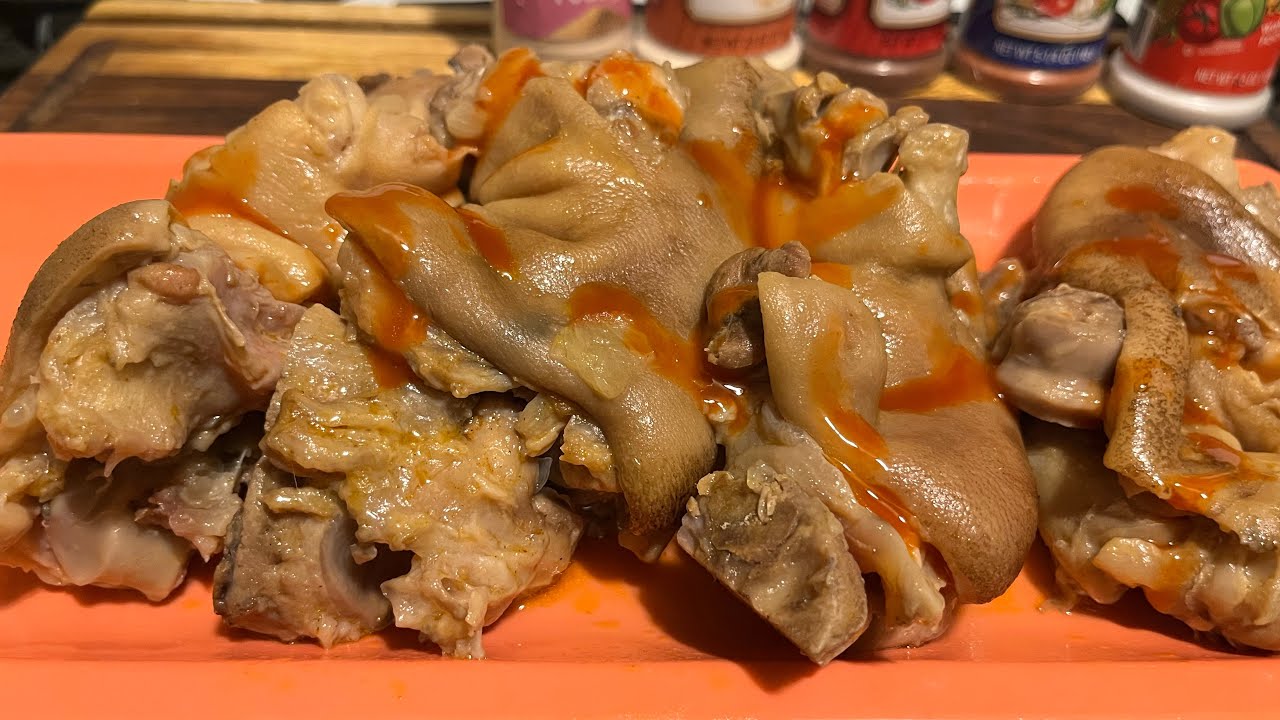
Pigs’ Feet Recipe: When you think of comfort food, pigs’ feet might not be the first thing that comes to mind—but they should be. Tender, flavorful, and rich in collagen, pigs’ feet are a delicacy in many cultures around the world. From the American South to Korea, this dish is celebrated for its unique texture and deep, meaty taste. If you’ve never tried it, now’s your chance to make something surprisingly satisfying, rich, and packed with nutrients.
So why should you try cooking pigs’ feet? For starters, they’re budget-friendly. You’re getting a lot of flavor and protein without spending much money. Secondly, they are extremely versatile—you can braise, boil, slow-cook, or pressure cook them. Plus, they pair beautifully with a variety of sides, from creamy mashed potatoes to spicy greens.
In this detailed guide, we’ll walk you through every step of the process—from gathering ingredients to cooking and serving pigs’ feet like a pro. Ready to give this underrated dish a go? Let’s dig in.
Ingredients You’ll Need
Before you start cooking, make sure you have all the necessary ingredients. Here’s a list that breaks it down for you:
Core Ingredients:
- 4 pigs’ feet (split lengthwise by your butcher)
- 1 large onion (chopped)
- 3 garlic cloves (smashed)
- 2 bay leaves
- 1 tablespoon salt
- 1 teaspoon black pepper
- 4 cups water or broth (chicken or beef)
Optional Add-Ins for Flavor:
- 1 teaspoon crushed red pepper flakes (for a kick)
- 2 carrots (chopped)
- 2 celery stalks (chopped)
- 2 tablespoons vinegar (white or apple cider)
- 1 tablespoon soy sauce or Worcestershire sauce
Recommended Spices and Herbs:
- Thyme
- Rosemary
- Smoked paprika
- Cayenne pepper
- Chili powder
- Mustard seeds
Having everything prepped makes the cooking process much smoother. It’s all about building layers of flavor, and these ingredients help you do just that.
Tools and Equipment
Making pigs’ feet doesn’t require fancy equipment, but a few essentials will make your job easier.
Kitchen Essentials:
- Large stockpot or Dutch oven
- Tongs
- Slotted spoon
- Knife and cutting board
Prep Tools:
- Strainer or colander
- Measuring spoons and cups
- Mixing bowls
If you’re using a pressure cooker or slow cooker, be sure it’s large enough to fit the feet and liquid. Trust me, it makes life easier and helps with cleanup, too.
Preparing Pigs’ Feet for Cooking
Before you throw them into a pot, pigs’ feet need a little love. Here’s how to prep them the right way:
- Rinse Thoroughly: Start by rinsing the feet under cold water to remove any blood, debris, or loose bone fragments.
- Scrape and Trim: Use a knife to scrape off any residual hair or skin impurities. Some feet might come already cleaned, but it’s always good to double-check.
- Optional Soaking: Soak the pigs’ feet in cold water with a splash of vinegar for about 1 hour. This helps draw out excess blood and neutralizes any strong odor.
- Rinse Again: After soaking, rinse the feet again and set them aside. You’re now ready to parboil them.
This prep process ensures that your final dish tastes clean, rich, and incredibly flavorful without any unpleasant aromas.
Cooking Methods Explained
There’s more than one way to cook pigs’ feet, and each method offers a different texture and flavor:
Boiling:
- Quick and traditional
- Great for adding to soups or stews
Braising:
- Slow, moist heat cooking
- Builds deep, rich flavors with tender results
Slow-Cooking:
- Perfect for busy days
- Set it and forget it!
Pressure Cooking:
- Cuts cooking time dramatically
- Softens collagen-rich meat perfectly
Each method has its perks, but in this guide, we’ll focus mainly on braising and boiling, which provide a balance of taste and texture.
Step-by-Step Guide to Cooking Pigs’ Feet
Here’s the moment you’ve been waiting for—a complete, easy-to-follow guide to cooking pigs’ feet to perfection.
Step 1: Clean the Pigs’ Feet Thoroughly
Start by rinsing and soaking the pigs’ feet as mentioned earlier. Scrub off any bits that don’t look appetizing. The goal is to get them as clean as possible.
Why? Clean meat equals better flavor and smell. This step makes a world of difference, especially for first-time cooks.
Step 2: Parboil to Remove Impurities
Place the cleaned pigs’ feet into a large pot and cover with water. Bring it to a boil, then let it cook for 10–15 minutes. You’ll see foam and scum rise to the top.
Drain the pot, rinse the feet under cold water, and wash the pot if needed. This step removes impurities and unwanted flavors.
Step 3: Season and Prepare for Main Cooking
Return the pigs’ feet to the cleaned pot. Add your aromatics—onions, garlic, herbs, spices, and seasoning. Pour in the broth or water until the feet are just submerged.
Let them sit in the seasoning mix for 10 minutes before heating. This allows the flavors to start infusing early.
Step 4: Choose Your Cooking Method
Pick your method—braising is ideal, but boiling works too.
For braising:
- Heat the mixture to a boil, then reduce to a simmer.
- Cover and let it cook on low heat for 2.5 to 3 hours.
For boiling:
- Keep it on a low boil.
- Skim the surface periodically and cook for 2 hours.
You can also use a pressure cooker (45–50 minutes) or a slow cooker (on low for 6–8 hours).
Step 5: Simmer Low and Slow (Or Pressure Cook)
Let the magic happen. As the pigs’ feet cook, the collagen breaks down into gelatin, making the meat tender and the broth silky.
Check periodically. Add water if the level drops too low. Stir gently to avoid breaking the meat apart.
Step 6: Check Tenderness
After 2.5 to 3 hours of simmering, test the meat. A fork should slide in easily, and the meat should almost fall off the bone.
If it’s still tough, cook for another 30 minutes, checking every 10 minutes.
Step 7: Optional Caramelization or Crisping
Want a crispy finish? Remove the feet, place them on a baking sheet, brush with a bit of sauce or glaze, and broil for 5–7 minutes.
This adds texture and color, giving you that restaurant-quality appearance and crunch.
Step 8: Garnish and Serve
Serve hot with your favorite sides—greens, mashed potatoes, rice, or cornbread. Garnish with fresh herbs or a squeeze of lemon for a bright finish.
Flavor Boosting Tips
Want to level up the taste of your pigs’ feet? Here are a few tricks that chefs and home cooks alike swear by:
Use a Marinade
Marinating pigs’ feet before cooking isn’t mandatory, but it can add serious depth. Try a mix of:
- Soy sauce
- Garlic
- Vinegar or lemon juice
- Sugar or honey
- Chili flakes or hot sauce
Let the feet soak for a few hours—or even overnight—in the fridge. This pre-seasoning helps build intense flavor before you even start cooking.
Stock Over Water
Whenever possible, replace water with bone broth, chicken stock, or beef broth. It instantly enriches the cooking liquid and enhances the natural meaty taste of pigs’ feet.
Add a Splash of Acid
A little acid goes a long way in balancing out the richness. Apple cider vinegar, lemon juice, or even tomatoes can lift the flavor and make each bite more exciting.
Serving Suggestions
You’ve worked hard on this dish, so let’s serve it up in a way that does it justice. Here are some great side dishes and serving ideas:
Classic Southern Style
- Collard greens
- Cornbread
- Black-eyed peas
- Rice and gravy
Asian-Inspired
- Steamed rice
- Pickled vegetables
- Soy-based dipping sauces
- Kimchi (for a Korean twist)
Modern Comfort Food
- Mashed potatoes
- Garlic sautéed spinach
- Roasted root vegetables
- Crusty bread and dipping sauce
Don’t forget to pour a little of the cooking broth over the feet when serving—it’s full of collagen and packed with flavor!
Storage and Reheating
Pigs’ feet store surprisingly well and often taste even better the next day.
How to Store
- Allow leftovers to cool completely
- Store in an airtight container
- Keep refrigerated for up to 3–4 days
You can also freeze cooked pigs’ feet. Place them in freezer-safe bags or containers with a bit of broth to prevent freezer burn. They’ll keep for up to 3 months.
Reheating Tips
- Gently reheat on the stove over low heat
- Add a splash of water or broth to loosen the sauce
- You can also microwave them, covered, on medium heat
Avoid overcooking during reheating, or you’ll end up with mushy textures.
Nutritional Value of Pigs’ Feet
You might be surprised to learn that pigs’ feet are packed with nutrients, especially collagen—a key protein for skin, joints, and gut health.
Macronutrients (per 100g cooked):
| Nutrient | Amount |
|---|---|
| Calories | 220–250 |
| Protein | 18–22g |
| Fat | 15–20g |
| Carbohydrates | 0g |
Collagen Benefits:
- Promotes joint health
- Improves skin elasticity
- Aids in muscle recovery
- Supports digestive health
However, pigs’ feet can be high in saturated fat and cholesterol, so moderation is key—especially for those with heart conditions.
Cultural and Historical Significance
Pigs’ feet have deep cultural roots around the world. Let’s take a quick tour:
Southern U.S.
Often found in soul food, pigs’ feet are traditionally braised in flavorful broth and served with hearty sides. They represent resourcefulness—making delicious meals from every part of the animal.
Asia
In Korea, jokbal (braised pigs’ feet) is a beloved bar snack, while in China, pigs’ feet are part of postpartum recovery meals due to their high collagen content.
Europe
In Germany and France, pigs’ feet are often pickled or stewed. They’ve been a rustic staple in countryside cooking for centuries.
This dish has stood the test of time, feeding generations across continents.
Pigs’ Feet Recipe Variations
There’s no single way to prepare pigs’ feet. Here are some popular variations to experiment with:
Spicy Pigs’ Feet
Add crushed chili flakes, hot sauce, and cayenne to the broth. Pair with rice or noodles for a fiery treat.
Pickled Pigs’ Feet
Cured in vinegar, spices, and salt, pickled feet are a tangy, chewy snack. Usually served cold from the jar.
Barbecue-Style
After boiling, slather them in your favorite BBQ sauce and grill or broil for a caramelized, smoky finish.
These variations are proof that pigs’ feet can be anything from rustic comfort food to bold street eats.
Troubleshooting Common Mistakes
Even pros can mess up a pigs’ feet dish. Here’s how to avoid the most common pitfalls:
Problem: Meat Is Too Tough
Solution: You probably didn’t cook it long enough. Return it to the pot and simmer until tender—this could take another hour depending on the size.
Problem: Too Greasy
Solution: Skim the fat off the top of the broth as it cooks. Let the dish chill in the fridge and remove the hardened fat layer before reheating.
Problem: Lacking Flavor
Solution: Next time, use broth instead of water, and don’t skimp on herbs, spices, and acidic ingredients.
Master these tips, and you’ll serve a perfect plate every time.
Health Tips
While pigs’ feet can be nutritious, they aren’t for everyone.
Who Should Avoid Them?
- People with high cholesterol
- Those following a low-fat diet
- Anyone allergic to pork (obviously!)
Healthier Cooking Alternatives
- Remove the skin and excess fat before serving
- Opt for boiling or steaming over frying
- Use low-sodium broth and skip salty sauces
Balance is everything. Enjoy this rich dish as an occasional treat—not a daily staple.
FAQs about Pigs’ Feet Recipe
1. Can I freeze cooked pigs’ feet?
Yes, you can freeze them for up to 3 months. Store them in an airtight container with some broth to keep them moist.
2. Are pigs’ feet healthy to eat?
They are rich in collagen and protein but can be high in fat. Enjoy them in moderation as part of a balanced diet.
3. How long does it take to cook pigs’ feet?
Depending on the method, 2.5 to 3 hours for braising or boiling, or about 45–50 minutes in a pressure cooker.
4. Can I use an Instant Pot?
Absolutely! The pressure cooking function is perfect for breaking down the collagen quickly while locking in flavor.
5. What do pigs’ feet taste like?
They’re rich, meaty, and gelatinous—similar to oxtail or braised short ribs, but with more chew and texture.
Conclusion
There you have it—a complete, detailed, and easy-to-follow guide to making pigs’ feet that are mouth-wateringly good. Whether you’re honoring a family tradition or exploring something new, this dish delivers flavor, texture, and nutrition in every bite.
It might take a little patience and care, but once you’ve tried perfectly cooked pigs’ feet, there’s no turning back. Serve them up Southern-style, go bold with spice, or crisp them to perfection—however you choose to enjoy them, you’re tapping into centuries of culinary history.
So go ahead. Get your apron on. Grab those pigs’ feet. And start cooking something legendary.