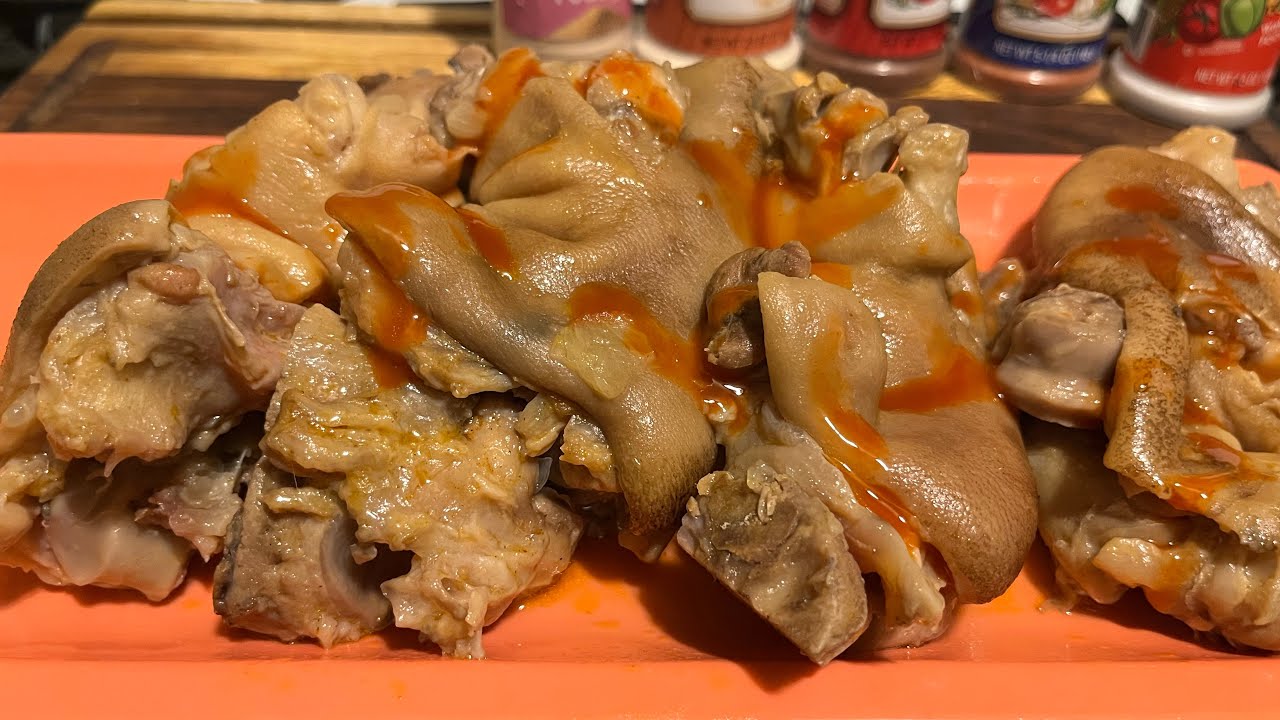
Pigs’ Feet Recipe: Pigs’ feet, also known as trotters, might sound old-fashioned or even a little intimidating at first, but don’t judge a dish by its name. This hearty, gelatin-rich delicacy has been a staple in kitchens across the globe for centuries. From the deep American South to the heart of China, pigs’ feet bring an incredible amount of flavor, richness, and soul to the table.
What makes pigs’ feet so special? It’s the combination of slow cooking, rich spices, and that melt-in-your-mouth texture you can’t get from any other cut of meat. They’re inexpensive, packed with collagen, and absorb flavor like a sponge. That’s why, with the right technique and seasoning, this humble cut becomes a comfort food superstar.
Whether you’re here out of curiosity or you’re carrying on a family tradition, this guide will walk you through everything you need to know to make perfect pigs’ feet—from shopping for the best trotters to simmering them into delicious, tender bites. Let’s dive in!
Ingredients You’ll Need
Making pigs’ feet the right way means starting with the right ingredients. While recipes vary by region, culture, and taste, here’s a classic ingredient list that covers most bases:
Main Ingredients:
- 4 pigs’ feet (split in half, cleaned thoroughly)
- 1 large onion (chopped)
- 4 garlic cloves (minced or smashed)
- 2 bay leaves
- 1 tablespoon black peppercorns
- 1 tablespoon salt (adjust to taste)
- 1 teaspoon crushed red pepper flakes (optional, for heat)
- 1 tablespoon vinegar (apple cider or white)
- 4 cups water or enough to cover the feet
Optional Flavor Enhancers:
- 1 teaspoon smoked paprika
- 1 tablespoon Worcestershire sauce
- 2 celery stalks (chopped)
- 1 carrot (chopped)
- 1 teaspoon thyme or Italian seasoning
- Soy sauce (for Asian-style variation)
- Ginger slices (for added aroma)
Substitutions:
- Garlic powder instead of fresh garlic
- Onion powder if you’re out of fresh onions
- Broth (chicken or beef) instead of plain water for more richness
Start with this basic lineup and tweak it based on what you have in your pantry or the flavor profile you’re aiming for. Got a favorite family blend of spices? Toss it in. Want a touch of sweetness? Add a dash of brown sugar or molasses.
Choosing the Right Pigs’ Feet
Choosing the right trotters can make or break your dish. Whether you’re picking them up at a local butcher, supermarket, or international market, here’s what you need to know:
What to Look For:
- Clean and pale pink color: They should not look gray or have any strong odors.
- Skin intact but trimmed: The skin is where most of the collagen comes from, so don’t remove it.
- Split lengthwise: This makes cooking and serving easier. If not split, ask the butcher to do it.
Fresh vs. Frozen:
- Fresh pigs’ feet often taste cleaner and are easier to prep.
- Frozen is totally fine too—just make sure to thaw completely and rinse before cooking.
Butcher Tips:
- Ask your butcher to burn off hair, if needed.
- Request that they cut the feet in half if you want a quicker cook time.
- Be sure they’re well-cleaned. Sometimes, soaking in vinegar and water helps remove impurities.
Prepping the Pigs’ Feet
Prepping pigs’ feet takes a little work, but it’s absolutely worth it. Here’s how to do it the right way:
Step 1: Rinse Thoroughly
Rinse under cold running water to remove any debris. Scrub the skin gently with a vegetable brush.
Step 2: Soak in Vinegar Water
Fill a bowl with water and a few tablespoons of vinegar. Soak the pigs’ feet for 30–45 minutes. This helps clean and tenderize them while removing any lingering odor.
Step 3: Scrape and Trim
- Use a knife to scrape the skin gently to remove anything that doesn’t belong.
- Trim off excess fat or loose bone shards (especially if your butcher did a rough cut).
Step 4: Optional Blanching
Some cooks like to parboil the feet for 10 minutes in boiling water to remove impurities. Discard the water, rinse again, and then proceed with your cooking. This step creates a cleaner broth and a clearer final dish.
Essential Kitchen Tools for This Recipe
You don’t need fancy gadgets to make pigs’ feet, but having the right tools can make the process smoother, faster, and cleaner. Here’s a quick list of must-haves and nice-to-haves for preparing this hearty dish:
Must-Have Tools:
- Large Stock Pot: The feet need plenty of space to simmer properly. A deep, heavy-bottomed pot works best to retain heat.
- Sharp Knife: For trimming fat and scraping the skin clean.
- Tongs: To safely move the pigs’ feet in and out of boiling water or broth.
- Cutting Board: Preferably plastic, since raw meat can leave strong odors and stains.
- Strainer or Slotted Spoon: Useful when skimming foam or transferring the cooked feet.
- Measuring Spoons: Accurate seasoning is key to achieving balanced flavor.
Nice-to-Have Tools:
- Pressure Cooker or Instant Pot: Cuts down cooking time significantly (more on that later).
- Dutch Oven: Great for slow cooking and roasting in the same pot.
- Thermometer: Not always necessary, but if you want to be sure about internal temps (should be 165°F or higher).
- Ladle: For portioning out rich broth or sauce.
- Basting Brush: If you plan to glaze or roast the feet at the end.
These tools aren’t overly complicated or expensive—but each plays a role in making your cooking more efficient and enjoyable. Think of it like preparing for a construction job—you wouldn’t build a house with a spoon, right? Same logic here.
The Base Flavor: Stock and Seasoning
At the heart of any great pigs’ feet recipe is a deeply flavored base. That rich, savory liquid is what gives the dish its soul. If your broth is bland, your pigs’ feet will be, too. Here’s how to make sure that never happens.
Start with Aromatics:
Aromatics like garlic, onions, and bay leaves form the base. Sautee them briefly in a little oil before adding the feet and water. This builds a layered flavor profile.
Don’t Skimp on Seasonings:
- Salt and pepper are obvious staples.
- Add a splash of vinegar to help break down the collagen and tenderize the meat.
- A tablespoon of Worcestershire sauce adds depth and umami.
- For heat, toss in red pepper flakes or a chili pepper.
- For smokiness, a dash of smoked paprika works wonders.
Broth Options:
Using water is fine, but beef or chicken broth will boost the overall taste. If you’re making an Asian-inspired dish, consider using a mixture of soy sauce, ginger, and rice wine instead.
Optional Sweeteners:
In some recipes, a little brown sugar or molasses is added to balance the savory and spicy elements. Don’t overdo it—just a teaspoon or two is enough to round out the flavor.
Your broth is like the foundation of a house. Get it right, and the rest of the dish will come together effortlessly.
Step-by-Step Cooking Guide
Now, let’s walk through the complete cooking process for pigs’ feet. You can choose to slow-cook, pressure-cook, or even roast at the end. But this guide covers the traditional stovetop method.
Step 1: Clean and Prep
We’ve already covered how to clean and soak your pigs’ feet. Make sure they’re fully prepped and ready to go before you heat your pot.
Step 2: Build the Flavor Base
- Heat a few tablespoons of oil in your stockpot.
- Add onions, garlic, and any additional aromatics like celery or bell peppers.
- Sautee until the onions are translucent.
Step 3: Add the Pigs’ Feet
- Place the feet into the pot, arranging them evenly.
- Pour in enough water or broth to cover the feet completely.
Step 4: Season the Pot
- Add salt, pepper, bay leaves, red pepper flakes, and any herbs or spices you like.
- Bring to a rolling boil, then reduce to a low simmer.
Step 5: Simmer Gently
- Cover and let simmer for 2.5 to 3.5 hours, depending on the size and thickness of the feet.
- Stir occasionally and skim off foam or fat that rises to the top.
Step 6: Thicken the Broth (Optional)
- Toward the end of cooking, remove the lid to reduce the liquid if you want a thicker sauce.
- Some people mash a few beans or add a roux (butter + flour mix) for a gravy-style consistency.
Step 7: Roast or Glaze (Optional)
- Once the feet are tender and falling apart, you can transfer them to a baking dish.
- Brush with glaze (BBQ, teriyaki, or sweet chili sauce) and roast at 400°F for 15–20 minutes for a crispy, caramelized exterior.
Tender, flavorful, and packed with soul—this is pigs’ feet done right.
Slow-Cooked vs. Pressure-Cooked Pigs’ Feet
When it comes to cooking pigs’ feet, time and tenderness are everything. There are two major ways to prepare them: the traditional slow-cooked method and the modern, time-saving pressure cooker method. Each has its perks, so let’s compare both so you can choose what works best for you.
Slow-Cooked Method (Stovetop or Crockpot)
This is the classic method and arguably the most flavorful one.
Pros:
- Develops deep, layered flavors
- Ideal for those who enjoy low-and-slow cooking
- Results in extremely tender, gelatin-rich meat
Cons:
- Takes 3–4 hours minimum
- Requires occasional stirring and skimming
- Uses more energy (gas or electricity)
If you’re cooking on a Sunday or making it as a family dinner, this method is hard to beat. It fills the house with a warm, savory aroma that’s worth the wait.
Pressure-Cooked Method (Instant Pot or Pressure Cooker)
If you’re short on time but still want that fall-apart texture, pressure cooking is a lifesaver.
Pros:
- Cuts cook time down to 45–60 minutes
- Retains tenderness and gelatin
- Easier cleanup with fewer steps
Cons:
- Slightly less flavor development
- Less control over consistency of broth
- May need to reduce the sauce separately
Tips for Pressure Cooking:
- Don’t overfill with liquid—just enough to barely cover the feet.
- Use the sauté function to brown aromatics first.
- Once cooking is done, allow natural release for 10–15 minutes before opening the lid.
Both methods are excellent, so it really depends on your schedule. If you’ve got a lazy afternoon ahead, go slow. If dinner’s in an hour, break out the Instant Pot.
Southern Style Pigs’ Feet Recipe
If there’s one region that has truly embraced pigs’ feet as soul food, it’s the American South. This style is savory, tangy, and often has a slight kick. Think rich flavors with a balance of vinegar and spice.
Ingredients:
- 4 pigs’ feet (cleaned and halved)
- 1 large onion (sliced)
- 1 tablespoon garlic powder
- 2 tablespoons apple cider vinegar
- 1 tablespoon hot sauce (Texas Pete or Tabasco)
- 1 teaspoon crushed red pepper
- 1 teaspoon black pepper
- 1 bay leaf
- 1 teaspoon salt
- 4 cups water or chicken broth
Instructions:
- Combine all ingredients in a large stockpot.
- Bring to a boil, then reduce to a simmer.
- Cook uncovered for 3 hours, adding water if needed.
- Once the feet are tender, increase heat to reduce the broth into a thick sauce.
- Serve hot with collard greens, cornbread, and a splash more hot sauce.
Flavor Tip:
Add a smoked ham hock or a few pieces of salt pork during the simmering stage for extra depth. This is comfort food at its finest—bold, hearty, and full of Southern character.
Asian-Style Pigs’ Feet (Chinese Braised)
In Chinese cuisine, pigs’ feet are often braised in a rich, soy sauce-based liquid until deeply flavorful and glossy. These are often served with rice or noodles and enjoyed during holidays or postpartum recovery.
Ingredients:
- 4 pigs’ feet
- ½ cup light soy sauce
- ¼ cup dark soy sauce
- 1 tablespoon Shaoxing wine or rice wine
- 5 slices fresh ginger
- 4 garlic cloves (smashed)
- 2 star anise
- 1 stick cinnamon
- 2 tablespoons rock sugar or brown sugar
- 1 tablespoon oyster sauce (optional)
- 3–4 cups water
Instructions:
- Blanch pigs’ feet in boiling water for 5 minutes, then rinse.
- In a pot, combine all ingredients and bring to a boil.
- Lower to a simmer and cook for 2.5–3 hours until tender.
- Reduce the sauce until thick and sticky.
- Garnish with scallions and sesame seeds.
Serving Ideas:
Serve over white rice or with steamed buns. The balance of salty, sweet, and aromatic spices is irresistible, and the meat becomes luxuriously tender.
Caribbean Style Pigs’ Feet
In the Caribbean, especially in Jamaica and Trinidad, pigs’ feet are often prepared with bold spices and vibrant herbs. This version is fiery, flavorful, and often includes a kick from Scotch bonnet peppers.
Ingredients:
- 4 pigs’ feet
- 1 onion (chopped)
- 1 bell pepper (chopped)
- 2 scallions
- 2 garlic cloves (minced)
- 1 teaspoon thyme
- 1 teaspoon allspice
- 1 teaspoon paprika
- 1 Scotch bonnet pepper (whole or sliced)
- 1 tablespoon vinegar
- 1 tablespoon soy sauce
- Salt and black pepper to taste
- 3–4 cups water
Instructions:
- Clean and parboil pigs’ feet.
- In a large pot, sauté onion, garlic, scallions, and bell pepper.
- Add pigs’ feet, seasonings, and liquid ingredients.
- Simmer for 2.5 to 3 hours.
- Cook down until sauce thickens and coats the meat.
Bonus Tip:
This dish pairs amazingly with rice and peas, fried plantains, or festival bread. It’s spicy, rich, and has a tropical flair that brings warmth to any table.
Serving Suggestions
You’ve simmered, seasoned, and maybe even roasted your pigs’ feet—now it’s time to plate them up and enjoy. But what should you serve alongside this gelatin-rich, flavorful dish to balance the textures and round out the meal? Let’s look at the best classic and creative ways to serve pigs’ feet that’ll have your guests coming back for seconds.
Classic Southern Pairings:
- Collard Greens: The bitterness of greens pairs beautifully with the richness of pigs’ feet. Add a splash of vinegar for the ultimate contrast.
- Cornbread: Soft, crumbly, and perfect for soaking up all that flavorful broth or sauce.
- Mashed Potatoes: Creamy potatoes act like a canvas for the deep, meaty flavors of the dish.
- Macaroni and Cheese: A soul food staple that adds creaminess and a mild counterbalance to the bold taste of pigs’ feet.
- Black-Eyed Peas or Lima Beans: Adds protein, fiber, and that classic Southern comfort feel.
International Pairings:
- White Jasmine Rice: Ideal for soaking up rich Asian-style braising liquid.
- Steamed Bao Buns: Light, fluffy, and perfect with Chinese-style pigs’ feet.
- Boiled Green Bananas or Yams: Caribbean favorites that balance the savory, spicy flavors.
- Kimchi or Pickled Veggies: Acidic and spicy sides work well with the fattiness of the dish.
Garnish Ideas:
- Chopped parsley or scallions for color and freshness
- A dash of hot sauce for extra heat
- Lemon or lime wedges for brightness
Drink Pairings:
- Sweet Iced Tea (Southern style)
- Cold Beer (especially lagers or stouts)
- Red Wine (something earthy like a Syrah)
- Ginger Beer or Sorrel (for Caribbean meals)
Pigs’ feet are rich, hearty, and gelatinous—so pairing them with contrasting textures and flavors helps create a more satisfying, well-balanced plate. Whether you’re going rustic or refined, these sides elevate the whole experience.
Storage and Reheating Tips
So, you’ve made a big pot of pigs’ feet (and maybe overestimated how much your guests could eat). Good news: pigs’ feet are one of those dishes that actually taste better the next day. Here’s how to store and reheat them the right way.
Refrigerating Leftovers:
- Let the pigs’ feet cool down to room temperature first.
- Transfer them and the broth or sauce to an airtight container.
- Store in the fridge for up to 4 days.
- The broth will likely gelatinize when chilled—don’t worry, that’s a good sign of rich collagen.
Freezing Tips:
- Place portions into freezer-safe containers or heavy-duty freezer bags.
- Label with date and contents.
- Can be frozen for up to 3 months.
- For best results, freeze with a bit of broth to prevent drying out.
Reheating Instructions:
- Stovetop: Reheat gently in a covered pot over medium-low heat, adding a bit of water or broth if it’s too thick.
- Microwave: Place in a microwave-safe container, cover loosely, and heat in 1-minute intervals until hot.
- Oven: Place in a baking dish, cover with foil, and heat at 350°F for 20–25 minutes.
Avoid boiling or using high heat, as it can cause the meat to become rubbery and lose its fall-apart texture. The goal is to gently warm and preserve the tenderness you worked so hard to create.
Common Mistakes to Avoid
Even experienced cooks can make a few missteps when preparing pigs’ feet. Let’s save you the trouble by breaking down some of the most common mistakes and how to avoid them.
1. Skipping the Cleaning Process
Pigs’ feet need to be cleaned thoroughly. Skipping this step can leave behind unwanted odors or bits of hair. Always rinse, soak in vinegar water, and scrub the skin well.
2. Using Too Little Liquid
If your feet aren’t fully submerged during cooking, they’ll cook unevenly and may dry out. Always ensure there’s enough broth or water to cover them completely.
3. Underseasoning the Broth
Pigs’ feet absorb flavor like a sponge—but that only works if your broth is actually seasoned. Use aromatics, spices, and herbs generously.
4. Cooking at Too High a Temperature
Boiling them rapidly will make the meat tough and stringy. Low and slow is the rule. Even in a pressure cooker, don’t go overboard on the time or heat.
5. Not Reducing the Sauce
The cooking liquid is gold. Don’t let it go to waste—reduce it down into a thick glaze or gravy. It adds richness and coats the meat beautifully.
6. Overcooking in the Oven
If you choose to roast or broil at the end, don’t overdo it. Just enough to crisp up the edges is perfect. You’re not trying to dry out the already-tender meat.
By avoiding these slip-ups, you ensure that your pigs’ feet come out tender, flavorful, and exactly how they should be.
Health Benefits and Nutrition Info
Pigs’ feet may not sound like health food, but surprisingly, they pack a punch when it comes to nutrition—especially for those focused on joint health and protein intake.
High in Collagen
- Pigs’ feet are one of the richest natural sources of collagen, a protein that supports skin elasticity, joint health, and even gut lining.
- Collagen may help reduce joint pain and improve skin hydration.
Protein-Packed
- Despite being a fattier cut, pigs’ feet provide a decent amount of protein per serving, which supports muscle repair and overall energy.
Minerals & Micronutrients
- Good source of iron, zinc, and magnesium, which are essential for immunity and metabolic function.
Is It Keto-Friendly?
Absolutely. Pigs’ feet are low in carbs and high in fats and protein, making them ideal for low-carb and ketogenic diets.
What to Watch Out For:
- High in cholesterol and saturated fat, so moderation is key—especially for those with heart concerns.
- Keep an eye on sodium levels if you’re using salty broths or sauces.
So yes, pigs’ feet can be nutrient-dense comfort food, especially when enjoyed occasionally and balanced with greens or lighter sides.
FAQs about Pigs’ Feet Recipe
1. How long should pigs’ feet be cooked?
Pigs’ feet should be simmered for 2.5 to 3.5 hours on the stovetop, or 45–60 minutes in a pressure cooker. They’re ready when the meat is tender and almost falling off the bone.
2. Can I make pigs’ feet in an air fryer?
You can crisp them up in an air fryer after boiling or braising, but they must be fully cooked beforehand. Use high heat (around 400°F) for 10–15 minutes to get a crispy skin.
3. What do pigs’ feet taste like?
Pigs’ feet are rich, savory, and gelatinous with a deep meat flavor. The texture is soft and sticky, especially around the joints, which gives them their signature mouthfeel.
4. Are pigs’ feet healthy to eat?
In moderation, yes. They’re high in collagen, protein, and essential minerals, but also contain cholesterol and saturated fat, so balance is key.
5. What cultures traditionally eat pigs’ feet?
Many! The Southern U.S., China, the Philippines, Mexico, Jamaica, Korea, and various European countries all have traditional pigs’ feet dishes, each with unique flavors and techniques.
Conclusion
Pigs’ feet might seem like a relic from the past, but they’re making a strong comeback—and for good reason. Whether you’re craving the smoky, slow-cooked flavors of the South, the spicy kick of the Caribbean, or the rich, aromatic depth of Asian-style braised feet, there’s a version of this dish for everyone.
Cooking pigs’ feet is more than just preparing food—it’s honoring tradition, stretching your culinary skills, and turning an often-overlooked cut into something downright delicious. With the step-by-step guidance above, you now have everything you need to make pigs’ feet that are tender, flavorful, and downright addictive.
So, roll up your sleeves, grab a pot, and get cooking. You might just discover your new favorite comfort food.