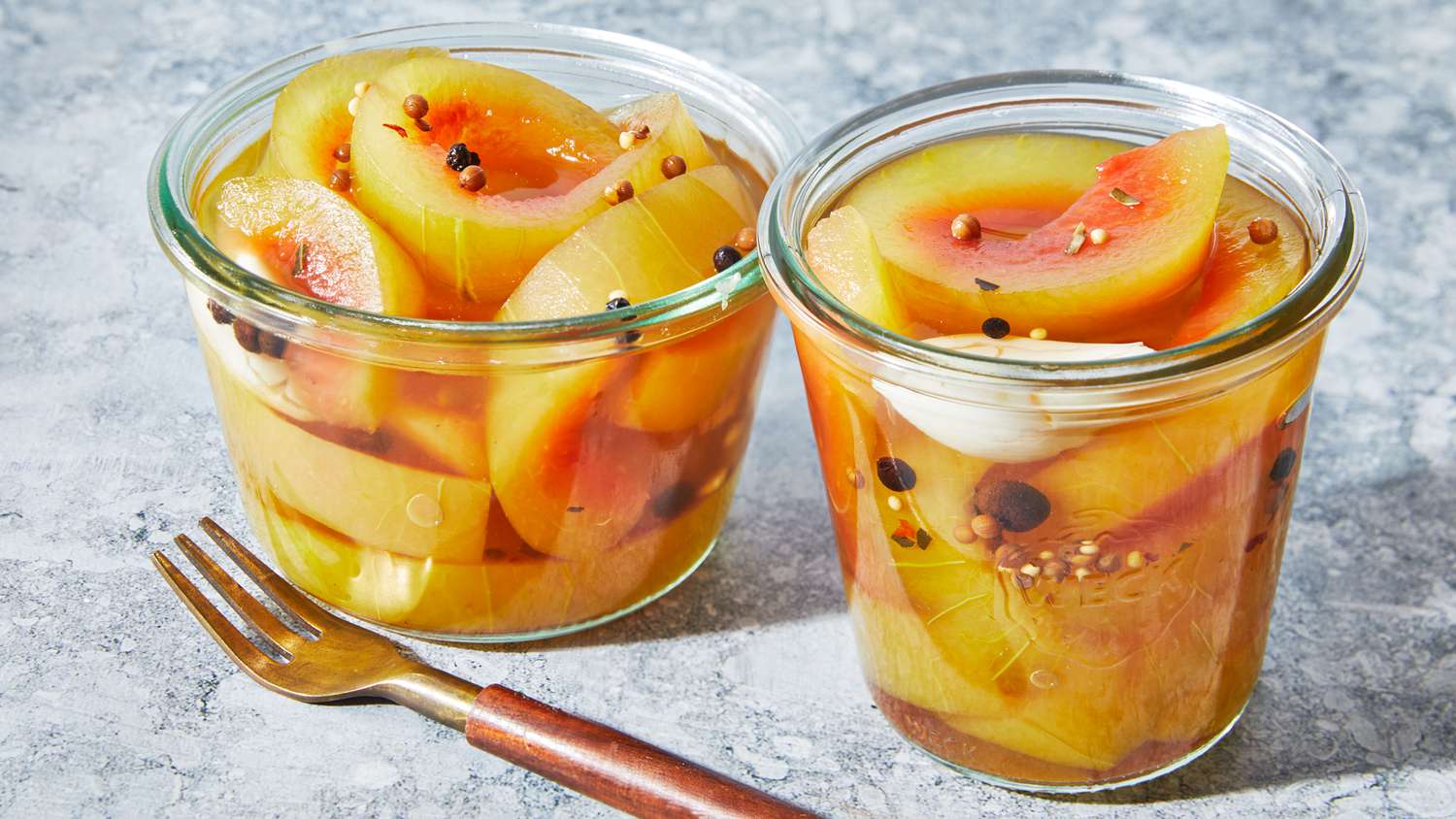
Pickled Watermelon Rind Recipe: Ever carved up a juicy watermelon and tossed out the rind without a second thought? You’re not alone. But what if I told you that the rind—the thick white part you usually discard—is actually a delicious, crunchy base for something amazing? Welcome to the world of pickled watermelon rind, a tangy-sweet treat that’s been a Southern classic for generations.
This guide will walk you through every single step, from peeling your watermelon rind to jarring your pickles. The best part? You’re turning food waste into a gourmet condiment. Ready to get pickling?
What is Pickled Watermelon Rind?
Pickled watermelon rind is exactly what it sounds like—the white part of the watermelon (just beneath the pink flesh) that’s been transformed into a tangy, sweet, and sometimes spicy delicacy through the magic of pickling. It’s been around for centuries, especially in Southern kitchens, where nothing goes to waste.
The rind absorbs the flavor of the brine like a sponge, resulting in a crunchy, refreshing snack with notes of vinegar, sugar, cloves, and other spices. It might sound quirky, but once you try it, you’ll understand why people rave about it.
And no, it doesn’t taste like watermelon. The fruitiness is long gone. Instead, you get a firm, crisp texture with the bold kick of pickling spices. It’s basically a cousin of the bread-and-butter pickle—just more sustainable and arguably more interesting.
Why You Shouldn’t Throw Away Watermelon Rinds
Let’s face it, watermelons are huge, and most of us toss out more than half of the fruit. That’s a lot of potential going into the trash or compost. The rind is not just edible—it’s incredibly versatile.
Here’s why you should start saving it:
- Reduces food waste: Why throw it out when you can pickle it?
- Rich in fiber: The rind contains fiber that supports digestion.
- Economical: You’re getting more out of your grocery budget.
- Great for preserving: You can make a big batch and enjoy it for months.
It’s a smart, tasty, and eco-friendly way to use the whole fruit.
Benefits of Eating Pickled Watermelon Rind
Okay, it’s delicious—but is it healthy? Absolutely. While it’s not a superfood, pickled watermelon rind has some solid benefits:
- Good source of citrulline: This amino acid helps improve blood flow.
- Contains antioxidants: The rind has a bit of vitamin C and lycopene.
- Supports digestion: The pickling process introduces probiotics when fermented.
- Low in calories: It’s a guilt-free snack with bold flavor.
Add in the fact that it satisfies that pickle craving without being too sour, and you’ve got a winner.
The Perfect Balance: Sweet, Sour, and Spicy
One of the most magical things about pickled watermelon rind is its flavor profile. You can customize it depending on your taste, but the classic version offers a beautiful balance of:
- Sweetness from sugar or honey
- Sourness from vinegar (white or apple cider)
- Spice from peppercorns, cloves, or even red pepper flakes
Want it sweeter? Add more sugar. Craving heat? Toss in jalapeños or chili flakes. It’s a flavor playground.
List of Ingredients You’ll Need
Let’s gather the goods. These ingredients make a small to medium batch of pickled watermelon rind (about 4–6 pint jars).
Fresh Ingredients
- 1 large seedless watermelon
- 1/4 cup kosher salt
- 3 cups white vinegar (or apple cider vinegar for a tangy kick)
- 3 cups granulated sugar
- 1 lemon, sliced thinly (optional, for zest and acidity)
- 4 cups water
Spices and Seasonings
- 1 tablespoon whole cloves
- 1 tablespoon mustard seeds
- 2 teaspoons whole allspice
- 1 cinnamon stick (or 1 tsp ground cinnamon)
- 1 teaspoon black peppercorns
Optional Add-Ins for Custom Flavor
- Red pepper flakes (for heat)
- Ginger slices (for warmth)
- Garlic cloves (for savory punch)
- Star anise (for a sweet licorice twist)
Kitchen Tools Required
Don’t worry, you won’t need any fancy equipment. Just make sure you have:
- Sharp knife
- Peeler
- Cutting board
- Large pot
- Medium saucepan
- Mason jars with lids (sterilized)
- Colander
- Large bowl for soaking
- Wooden spoon
Sterilizing your jars properly is a big deal—it keeps your pickles safe and shelf-stable. Run them through the dishwasher or boil them for 10 minutes before filling.
Prepping the Watermelon Rind
How to Cut and Peel Properly
The goal here is to remove the green outer skin and the red flesh, leaving just the white rind. Here’s how:
- Cut the watermelon into manageable quarters.
- Slice off the red flesh (you can snack on this while you work).
- Use a vegetable peeler or paring knife to strip away the dark green skin.
- Cut the remaining white rind into 1-inch cubes or strips.
You want your pieces to be uniform so they cook evenly and absorb the brine properly.
Pro Tip: Getting the Texture Right
Some people like to blanch the rind before pickling for a softer bite. If you prefer a firmer crunch, skip that step. The overnight salt soak (which we’ll cover next) is crucial for drawing out excess water and keeping the rind crisp.
Step-by-Step Guide to Making Pickled Watermelon Rind
Now that your rind is prepped and your ingredients are ready, it’s time to get cooking. Follow these steps carefully, and you’ll end up with a batch of tangy, crunchy, perfectly seasoned pickled watermelon rind that you’ll want to put on everything.
Step 1: Peel and Cube the Rind
Start by cutting away the green outer skin of the watermelon rind with a vegetable peeler or sharp knife. Remove any remaining pink flesh. Cut the white rind into small cubes or strips, depending on your preference.
Step 2: Soak in Salt Water Overnight
Place the rind pieces in a large bowl and cover them with water mixed with a few tablespoons of salt. Soak overnight. This step softens the rind and helps it absorb flavor during pickling.
Step 3: Rinse and Drain
The next day, drain the salt water and rinse the rind thoroughly under cool running water. Allow excess water to drain completely before cooking.
Step 4: Prepare the Pickling Brine
In a pot, combine vinegar, sugar, water, and pickling spices such as cloves, cinnamon, allspice, and ginger. Bring the mixture to a gentle boil, stirring until the sugar dissolves.
Step 5: Simmer the Rind in Brine
Add the prepared rind to the boiling brine. Reduce to a simmer and cook for 20–30 minutes, or until the rind turns translucent and tender.
Step 6: Jar and Cool
Transfer the hot rind and brine into sterilized jars. Seal tightly and allow to cool. Store in the refrigerator for up to several weeks. Enjoy as a sweet–tangy snack or condiment!
Pickling Brine Recipe Variations
Want to make the recipe your own? The brine is your canvas. Here are some flavor twists:
- Spicy & Sweet: Add 1 teaspoon red pepper flakes and a few slices of fresh jalapeño.
- Ginger Citrus: Add 1 tablespoon grated ginger and the zest of one orange.
- Savory & Herby: Add garlic cloves and fresh dill for a savory twist.
- Asian-Inspired: Use rice vinegar, sesame seeds, and a splash of soy sauce.
Experiment with combinations until you find your signature pickle flavor.
How Long to Let the Rinds Pickle
You can sample them within 24 hours, but for the best flavor, let them sit:
- Minimum time: 2–3 days in the fridge
- Ideal time: 1–2 weeks
- Maximum flavor: After 1 month
They get better with time, so try not to eat them all on day one!
How to Store Pickled Watermelon Rind
Storage depends on how you prepared them:
- Refrigerator: If you didn’t water-bath can them, store in the fridge for up to 1 month.
- Canned (Water Bath): Shelf-stable for up to 12 months. Store in a cool, dark pantry.
- Opened jars: Once opened, always refrigerate and consume within 4 weeks.
Label your jars with the date so you don’t lose track!
Shelf Life and Safety Tips
Pickling is safe and easy, but here are a few key things to keep in mind:
- Always sterilize your jars and lids before use.
- Check seals if water bath canning. If a lid pops, toss it.
- Avoid cloudy brine or mold—these are signs of spoilage.
- Use clean utensils when scooping from the jar to avoid contamination.
Your pickles should be crisp, clear, and vibrant—not funky or slimy.
Ways to Enjoy Pickled Watermelon Rind
You’ve made a batch of these tangy-sweet delights—now what? Pickled watermelon rind is surprisingly versatile, and once you start experimenting with it, you’ll find yourself adding it to just about everything. Let’s break down a few delicious ways to enjoy this under-the-radar treat.
As a Snack
This might sound obvious, but pickled watermelon rind straight from the jar is an incredibly refreshing snack. The sweet and sour combo is perfect for curbing cravings without overloading on calories. You can even add a toothpick to each cube and serve them as party appetizers. Trust me—people will ask what they are, and they’ll be shocked when you say, “watermelon rind!”
With Cheese Platters
Think of pickled rind as the Southern cousin of the cornichon. Add it to a cheese or charcuterie board to balance out salty meats and creamy cheeses. The acidity cuts through richness beautifully and gives your board a unique twist that’ll leave guests impressed.
Try pairing it with:
- Aged cheddar
- Brie or camembert
- Goat cheese
- Smoked gouda
Add some nuts, honey, and crusty bread—and you’ve got yourself a gourmet platter.
In Sandwiches and Burgers
Want to add crunch and zing to your sandwich? Swap out regular pickles for sliced watermelon rind. It works especially well in:
- Pulled pork sandwiches
- Burgers (try it on a BBQ bacon burger!)
- Turkey or ham sandwiches
- Grilled cheese for a sweet-and-savory surprise
Just slice the pickled rind thinly and layer it in. It brings a little tangy kick that totally upgrades the flavor profile.
As a Topping for BBQ
This is a Southern tradition you need to try: serving pickled watermelon rind alongside BBQ. It balances out the smoky, fatty richness of ribs, brisket, or pulled pork with refreshing acidity. A spoonful of chopped rind on top of a BBQ platter? Pure magic.
You can even dice it finely and stir it into a BBQ sauce for a next-level glaze. Or mix it into coleslaw for extra crunch.
Pickled Watermelon Rind in Southern Cuisine
Pickled watermelon rind has deep roots in Southern cooking, where thriftiness and flavor walk hand-in-hand. Back in the day, nothing went to waste—and this practice turned into a culinary gem.
Grandmothers across the South have been making pickled rind for decades, especially during summer harvests when watermelons are abundant. You’d find them sitting in mason jars on pantry shelves, served at family reunions, church picnics, and holiday feasts.
Here’s how it’s often enjoyed in traditional Southern homes:
- As a side dish at Sunday supper
- With fried chicken or pork chops
- Mixed into potato salads or relish trays
- As a condiment during big summer BBQs
If you want to connect with old-school Southern soul food, making and serving pickled rind is a great place to start.
Can You Freeze Pickled Watermelon Rind?
Short answer: you can, but it’s not ideal.
Freezing changes the texture of pickled rind, making it a little mushy and less crisp. If that doesn’t bother you, feel free to freeze it. Just follow these tips:
- Use airtight, freezer-safe containers
- Leave a little space at the top of the container for expansion
- Freeze only after the rind has cooled completely
- Label with the date
Expect the flavor to stay strong, but the texture may be softer once thawed. It’s better to refrigerate or can them if you want to preserve that crisp bite.
Tips for First-Time Picklers
New to pickling? No worries—everyone starts somewhere. Here are a few beginner-friendly tips to help you nail it the first time:
- Start with a clean workspace: Sterility is everything when it comes to safe pickling.
- Use fresh ingredients: The fresher the rind and spices, the better the flavor.
- Don’t rush the process: Let your rind soak overnight and allow the brine to infuse fully.
- Follow jar sealing instructions: If canning, make sure you hear that satisfying “pop” sound.
- Taste and adjust: Try a small batch first, then tweak the sugar, vinegar, or spices to your liking.
The more you pickle, the more fun it gets. You’ll start dreaming up your own variations in no time.
Common Mistakes to Avoid
Even seasoned cooks mess up sometimes. Here are some common pitfalls—and how to avoid them:
- Skipping the salt soak: This step is crucial for texture and flavor. Don’t skip it.
- Overcooking the rind: You want it translucent and tender, not mushy.
- Using unsterilized jars: Dirty jars can lead to spoilage or unsafe pickles.
- Under-seasoning the brine: Don’t be afraid to go bold with your spice mix.
- Not storing properly: Always refrigerate if you’re not water-bath canning.
If your first batch isn’t perfect, don’t give up. Pickling is an art, and even “imperfect” pickles are still pretty darn tasty.
FAQs about Pickled Watermelon Rind Recipe
1. What does pickled watermelon rind taste like?
Pickled watermelon rind has a firm, slightly crisp texture with a sweet and tangy flavor. Depending on your spice mix, it can also be savory or a little spicy.
2. How long do pickled watermelon rinds last?
If refrigerated, they’ll last up to 4 weeks. Properly canned and sealed jars can last up to 12 months in a cool, dark place.
3. Can I reuse the pickling brine?
It’s not recommended. Once used, the brine loses potency and may be contaminated with bacteria from the produce. Always make a fresh batch.
4. Is it safe to can pickled watermelon rind?
Yes, as long as you follow proper water-bath canning procedures and sterilize everything correctly, it’s completely safe.
5. What other fruits or veggies can be pickled like this?
You can pickle cucumbers, peaches, green tomatoes, carrots, onions, and even pineapple. If it has a firm texture, it can likely be pickled!
Conclusion
Pickled watermelon rind is one of those old-school, totally underrated recipes that deserves a serious comeback. It’s easy to make, packed with flavor, and a fantastic way to reduce food waste. Whether you’re a seasoned pickler or a curious kitchen experimenter, this recipe offers a new twist on an everyday fruit.
So next time you slice up a juicy watermelon, don’t toss the rind—turn it into a sweet, sour, and spicy snack that’ll surprise and delight your taste buds.
Give it a shot, and you’ll never look at watermelon the same way again.