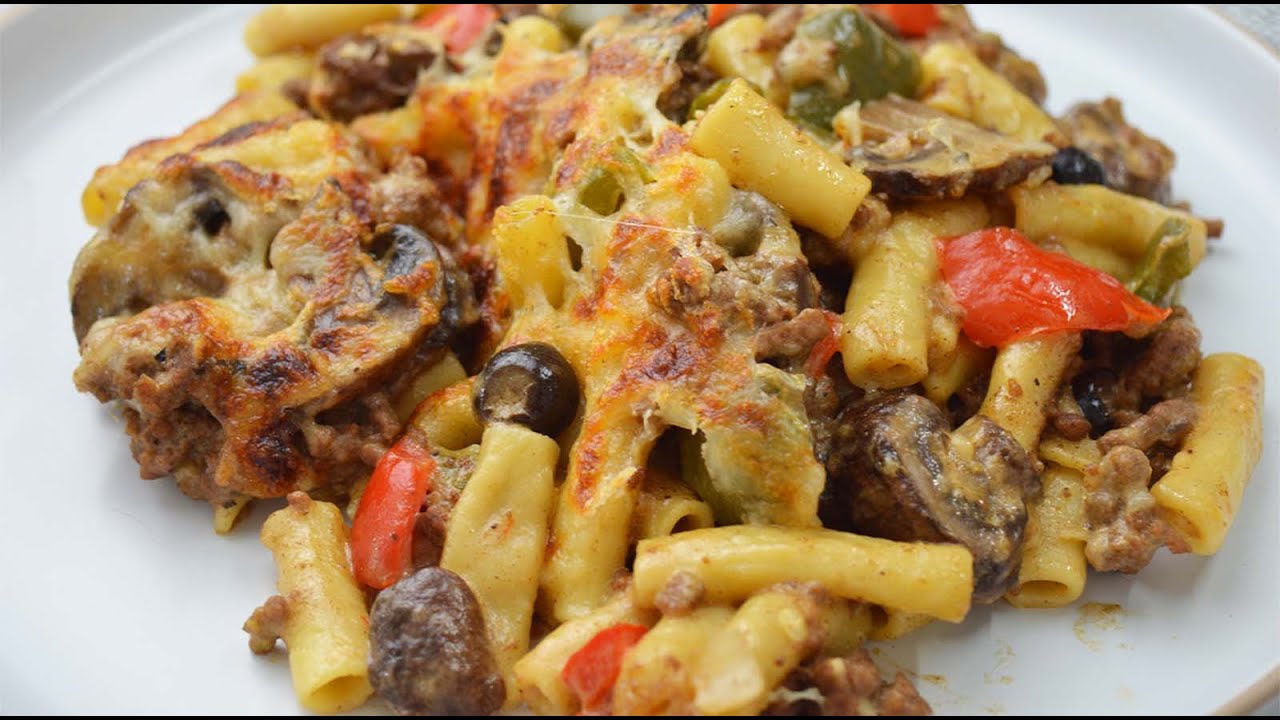
Philly Cheesesteak Pasta Recipe: Imagine combining the iconic flavors of a Philly cheesesteak with the creamy comfort of pasta. Sounds like the ultimate weeknight indulgence, right? Philly Cheesesteak Pasta is everything you love about the classic sandwich—savory steak, melty cheese, sautéed peppers, and onions—all swirled together with hearty pasta.
This dish hits all the right notes: bold, cheesy, satisfying, and easy to whip up. Whether you’re feeding your family or impressing guests, it’s one of those meals that guarantees happy plates.
Let’s dive into this crave-worthy creation!
What is Philly Cheesesteak Pasta?
Philly Cheesesteak Pasta is a flavorful fusion of two favorites: the Philly cheesesteak sandwich and creamy pasta. At its core, it blends tender slices of beef steak, bell peppers, onions, and a luscious cheese sauce with perfectly cooked pasta. Think of it as your favorite sandwich, transformed into a cheesy, hearty pasta bake—or skillet dish if you prefer a quicker version.
The traditional Philly cheesesteak hails from Philadelphia and typically includes thinly sliced ribeye steak, grilled onions, and melted cheese served in a hoagie roll. In this pasta version, we swap the bread for pasta but keep the heart of the dish intact. The result? Comfort food magic with a touch of gourmet appeal.
Why You’ll Love This Recipe
There are tons of reasons to fall in love with this dish, but here are the big ones:
- It’s Comfort Food to the Max: You get tender steak, velvety cheese, and pasta all in one satisfying bite.
- Super Customizable: You can swap meats, switch up the cheese, and even make it veggie-friendly.
- Easy Weeknight Meal: Made in one pan or skillet, it’s quick to cook and clean up afterward.
- Family Favorite: Even picky eaters won’t be able to resist.
- Leftovers Taste Great: It reheats like a dream—some say it’s even better the next day.
Ingredients You’ll Need
Here’s your go-to shopping list for a classic Philly Cheesesteak Pasta:
- 1 lb ribeye or sirloin steak, thinly sliced
- 12 oz penne or rigatoni pasta
- 1 tablespoon olive oil
- 1 green bell pepper, sliced
- 1 red bell pepper, sliced
- 1 yellow onion, sliced
- 2 cloves garlic, minced
- 1 tablespoon Worcestershire sauce
- 1 cup beef broth
- 1 cup heavy cream
- 1 tablespoon cream cheese
- 1 ½ cups shredded provolone cheese (or mozzarella)
- Salt and pepper to taste
Optional Add-ons:
- Mushrooms
- Jalapeños for heat
- Parmesan cheese for topping
- Fresh parsley or green onions for garnish
Substitutions:
- Use ground beef if steak isn’t available
- Substitute half-and-half for heavy cream to lighten it
- Try Swiss or American cheese for different flavor notes
Kitchen Tools You’ll Need
No fancy kitchen gadgets required here. Just some basic essentials:
- Large skillet or sauté pan
- Medium pot for boiling pasta
- Sharp knife (for slicing steak and veggies)
- Cheese grater
- Measuring cups and spoons
- Tongs or spatula
If you have a cast-iron skillet, it’s even better for searing steak and building flavor!
Choosing the Right Pasta
Pasta is the foundation of this dish, so picking the right shape matters. You want something that holds up to a creamy sauce and captures bits of steak and veggies.
Best Options:
- Penne
- Rigatoni
- Rotini
- Ziti
These short, ridged types are perfect for soaking in sauce and making each bite flavorful. Avoid long noodles like spaghetti—they just don’t hold the same heartiness for this type of dish.
Pro Tip: Cook the pasta al dente—firm to the bite. It’ll continue cooking when mixed with the sauce, so you don’t want it mushy from the get-go.
Meat Matters: Picking the Right Steak
The star of any cheesesteak is the steak—obviously. You want something tender that cooks quickly and slices easily.
Top Choices:
- Ribeye (most traditional and flavorful)
- Sirloin (leaner, still tender)
- Flank steak (slice thin and across the grain)
How to Prep:
- Freeze the steak for 15–20 minutes before slicing. It’ll be much easier to get those thin, deli-style cuts.
- Always slice against the grain for maximum tenderness.
- Season lightly with salt and pepper, then sear quickly on high heat.
You don’t need to cook the steak all the way through in the beginning—it’ll finish cooking later when combined with the sauce and pasta.
Cheese Choices: Getting That Creamy, Melty Goodness
Cheese is what makes this dish go from good to great. Traditional Philly cheesesteaks use:
- Provolone
- American cheese
- Cheez Whiz (yes, really!)
For pasta, we’re going for that gooey, creamy vibe. Use a mix of:
- Shredded provolone (melts beautifully)
- Cream cheese (adds richness and helps thicken)
- Mozzarella (if you like stretchy cheese pulls)
Want a sharper flavor? Add a handful of shredded cheddar. Going dairy-free? There are great vegan cheese shreds and creamers that work just as well.
Vegetables: Flavor and Texture Boosters
Bell peppers and onions are essential to the Philly flavor. They add sweetness, crunch, and balance to the richness of the cheese and steak.
Must-Haves:
- Green bell pepper
- Red bell pepper
- Yellow onion
Optional Add-ins:
- Mushrooms (earthy and delicious)
- Spinach (stir in at the end)
- Jalapeños (for spice lovers)
Sauté them just until tender but still vibrant. You want a little bite left—not a mushy mess.
Step-by-Step Guide to Cooking Philly Cheesesteak Pasta
Let’s bring it all together in a few simple, delicious steps for a creamy, savory Philly Cheesesteak Pasta everyone will love.
Step 1: Cook the Pasta
Bring a large pot of water to a boil with a pinch of salt. Add the pasta and cook according to package instructions until al dente. Drain well and set aside.
Step 2: Sear the Steak
Heat olive oil in a large skillet over medium-high heat. Add the thinly sliced steak in batches to avoid overcrowding. Sear quickly for 1–2 minutes per side until just browned. Remove from the skillet and set aside.
Step 3: Sauté Veggies
Using the same skillet, add sliced onions and bell peppers. Sauté for 4–5 minutes until softened but still slightly crisp. Stir in minced garlic and cook for about 1 minute until fragrant.
Step 4: Make the Sauce
Pour in beef broth and Worcestershire sauce, scraping up any browned bits from the pan. Stir in heavy cream and bring to a gentle simmer. Add cream cheese and stir continuously until the sauce becomes smooth and creamy.
Step 5: Mix It All Together
Return the steak to the skillet, then add the cooked pasta. Sprinkle in shredded provolone or mozzarella cheese. Reduce heat to low and stir gently until the cheese melts and everything is evenly coated in the sauce.
Step 6: Serve and Garnish
Remove from heat and garnish with fresh parsley or sliced green onions. For extra flavor, add a dash of red pepper flakes or a sprinkle of parmesan cheese. Serve hot and enjoy this comforting, cheesy pasta dish. 🍝🧀✨
Meal Prep and Make-Ahead Tips
Philly Cheesesteak Pasta isn’t just a delicious dinner—it’s also meal-prep friendly, making your busy weeks a little easier. Whether you’re planning meals ahead for the family or just want leftovers that don’t taste like, well, leftovers, this dish has your back.
Make-Ahead Tips:
- Cook Components Separately: You can cook the pasta, steak, and veggies a day in advance. Store them in separate airtight containers in the fridge.
- Make the Sauce Fresh: For the creamiest texture, it’s best to make the cheese sauce fresh when you’re ready to eat. Reheated cheese sauce can sometimes split or become grainy.
- Assemble and Bake (Optional): Want to make a pasta bake instead? Assemble everything in a baking dish, top with extra cheese, cover, and refrigerate. When you’re ready to eat, just bake at 350°F (175°C) for 20–25 minutes until hot and bubbly.
Storage:
- Store leftovers in an airtight container in the refrigerator for up to 4 days.
- Reheat in the microwave or stovetop with a splash of milk or broth to loosen the sauce.
Can You Freeze It?
Yes, you can—but here’s the catch: creamy sauces don’t always reheat perfectly from frozen. If you decide to freeze, allow the dish to cool completely and store it in a freezer-safe container. Thaw overnight in the fridge before reheating. Add a bit of fresh cheese or cream during reheating to help bring back the richness.
Serving Suggestions
Sure, Philly Cheesesteak Pasta is a meal in itself—but why not elevate it a bit? Add a few simple sides to turn it into a full-on feast.
Perfect Pairings:
- Garlic Bread: Because carbs on carbs is never a bad idea.
- Simple Green Salad: Add freshness and crunch to balance out the richness.
- Roasted Broccoli or Asparagus: Keeps it nutritious and adds color.
- Pickles or Pickled Peppers: A tangy contrast cuts through the creamy sauce.
Garnish Ideas:
- Chopped fresh parsley or chives
- A dusting of parmesan
- Cracked black pepper
- Red chili flakes for a little heat
Serve it straight from the skillet family-style, or plate it individually for a fancier feel.
Variations to Try
Want to mix things up a bit? This dish is incredibly versatile, so don’t be afraid to get creative. Here are some fun variations:
1. Chicken Cheesesteak Pasta:
- Swap steak for thinly sliced grilled or shredded chicken.
- Follow the same cooking process—still tastes amazing.
2. Ground Beef Cheesesteak Pasta:
- Easier and more budget-friendly.
- Just brown the ground beef and mix it in with the veggies and sauce.
3. Spicy Cheesesteak Pasta:
- Add jalapeños or hot sauce to the sauce.
- Use pepper jack or spicy cheddar for a cheese with a kick.
4. Low-Carb/Keto Option:
- Use spiralized zucchini (zoodles) or shirataki noodles instead of pasta.
- Stick with full-fat cream and cheese for keto-friendly fats.
5. Vegetarian Version:
- Skip the meat and load up on sautéed mushrooms, spinach, and roasted red peppers.
- You can also use plant-based meat alternatives or tofu strips.
Common Mistakes to Avoid
This dish might be easy, but there are a few pitfalls that can turn creamy goodness into kitchen chaos. Let’s keep you safe from kitchen regret.
1. Overcooking the Steak
- Steak continues to cook once you add it back to the hot sauce.
- Sear quickly and remove it before it’s fully done. Let the sauce do the rest.
2. Mushy Pasta
- Always cook pasta al dente.
- Overcooked pasta becomes a gluey mess once it’s mixed with hot sauce.
3. Grainy or Broken Cheese Sauce
- Use low heat when adding cheese.
- Stir constantly and don’t let it boil once cheese is added.
- Grate your own cheese if possible—pre-shredded cheese often has anti-caking agents that prevent smooth melting.
4. Not Seasoning As You Go
- Add salt and pepper at each stage—meat, veggies, sauce.
- Under-seasoned food is one of the biggest reasons dishes fall flat.
5. Using the Wrong Cheese
- Not all cheeses melt well.
- Stick with cheeses like provolone, mozzarella, and cream cheese for best results.
FAQs about Philly Cheesesteak Pasta Recipe
1. Can I use ground beef instead of steak?
Absolutely! Ground beef is a quicker and more affordable option. Just brown it with onions and peppers, then follow the same steps for the sauce and pasta.
2. What cheese is closest to the traditional Philly cheesesteak flavor?
Provolone is the classic choice, but some love using white American cheese or even Cheez Whiz for that authentic sandwich feel. Mix and match to suit your taste.
3. How do I store leftovers?
Let it cool completely, then transfer to an airtight container. Refrigerate for up to 4 days. Reheat on the stove or microwave with a splash of milk or broth to loosen the sauce.
4. Is this dish spicy?
Not by default! But you can kick up the heat by adding jalapeños, red pepper flakes, or a few dashes of your favorite hot sauce.
5. Can I freeze this recipe?
You can, but note that creamy sauces sometimes separate after freezing. To avoid texture issues, thaw in the fridge overnight and reheat gently with extra cream or cheese to restore the richness.
Conclusion
Philly Cheesesteak Pasta is one of those genius comfort food combos you never knew you needed—until now. With tender slices of steak, gooey cheese, sautéed veggies, and pasta that soaks up every drop of flavor, this dish brings together the best of both worlds. Whether you’re cooking for your family, meal prepping for the week, or trying to impress someone with your kitchen skills, this recipe delivers every single time.
It’s customizable, it reheats beautifully, and—let’s be honest—it’s just ridiculously satisfying. So, the next time you’re craving cheesesteak but want something a little more hearty and cozy, give this pasta version a spin. You might just find your new favorite weeknight dinner.