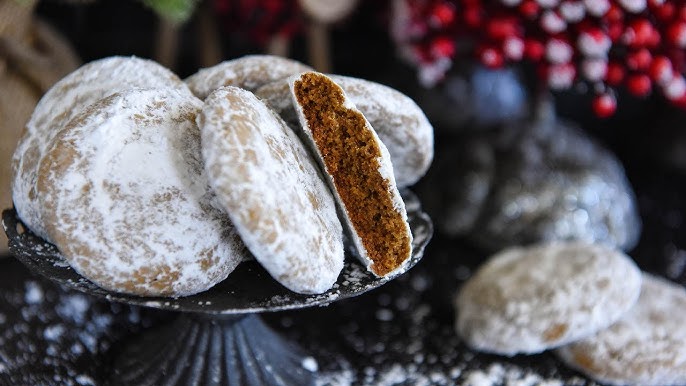
Pfeffernusse Recipe: Ever tried biting into a cookie that tastes like Christmas exploded in your mouth? That’s Pfeffernusse for you! These bite-sized German spice cookies are traditionally made around the holiday season and are packed with warm, aromatic spices. The name “Pfeffernusse” literally translates to “pepper nuts” in German—no, they don’t taste like peppercorns, but they do include a subtle hint of white pepper that gives them their unique kick.
Unlike your average sugar cookie or chocolate chip treat, Pfeffernusse cookies are robust, complex, and slightly chewy with a crisp outer shell. Some are glazed; others are rolled in powdered sugar. Either way, they’re seriously addicting. With their rich blend of spices and cozy texture, Pfeffernusse cookies are the perfect treat for cold nights and festive gatherings.
These cookies are like edible holiday hugs. Whether you’re familiar with German traditions or just love exploring global flavors, Pfeffernusse deserve a spot on your baking list this season.
Why You’ll Love This Recipe
Why bother making Pfeffernusse from scratch when you can buy them at the store? Here’s why:
- Authentic flavor: Homemade means you control the spice balance. Want extra cinnamon or less anise? You got it.
- Freshly baked magic: Store-bought versions just can’t compete with the aroma and taste of freshly baked spice cookies.
- Freezer-friendly: Bake ahead for your holiday parties or gifting—these cookies age beautifully.
- Customizable: Whether you prefer a powdered sugar coating or a glaze, this recipe lets you personalize.
- Perfect for gifting: Pack them in a cute jar or tin and you’ve got a thoughtful, delicious homemade present.
You’re not just baking cookies here—you’re creating a cozy memory. Let’s dig in!
The History Behind Pfeffernusse Cookies
Pfeffernusse cookies date all the way back to the 18th century and are closely associated with German, Dutch, and Danish Christmas traditions. They’re part of the broader family of European spice cookies that were once considered a luxury due to the high cost of imported spices.
Johann Fleischmann, a confectioner from Offenbach, Germany, is often credited with creating the original Pfeffernusse in 1753. These cookies quickly gained popularity and became a staple in holiday celebrations across German-speaking regions.
Interestingly, different countries have their own variations:
- In the Netherlands, similar cookies are called “Pepernoten” or “Kruidnoten.”
- Danish versions sometimes include honey or use a different spice ratio.
- Some older recipes even included a pinch of black pepper, hence the “pepper” in Pfeffernusse.
Over the centuries, Pfeffernusse became a symbol of warmth, celebration, and family. Baking them is like participating in a time-honored ritual passed down through generations.
Traditional Pfeffernusse vs. Modern Variations
Let’s get real for a second—while traditional Pfeffernusse are amazing, modern tweaks can elevate the experience or cater to dietary needs. Here’s how the classic and the contemporary versions stack up:
| Feature | Traditional Pfeffernusse | Modern Variations |
|---|---|---|
| Sweetener | Molasses or honey | Maple syrup, brown sugar, or agave |
| Coating | Powdered sugar | Sugar glaze or no coating |
| Texture | Dense and chewy | Lighter, sometimes crispier |
| Spices | Cinnamon, cloves, nutmeg, pepper | Cardamom, ginger, anise, allspice |
| Flour | All-purpose | Gluten-free blends, almond flour |
| Dairy | Butter | Vegan butter, coconut oil |
Feel free to mix and match elements depending on what you love and what’s in your pantry.
Ingredients You’ll Need
A good Pfeffernusse cookie is all about the spice mix and the chewy, dense texture. Here’s your shopping list:
Dry Ingredients
- 2 1/4 cups all-purpose flour
- 1/2 teaspoon baking soda
- 1/4 teaspoon salt
Spices
- 1 1/2 teaspoons ground cinnamon
- 1/2 teaspoon ground cloves
- 1/2 teaspoon ground nutmeg
- 1/4 teaspoon ground cardamom
- 1/4 teaspoon ground ginger
- 1/8 teaspoon ground white pepper
Wet Ingredients
- 1/2 cup unsalted butter (softened)
- 3/4 cup brown sugar
- 1/4 cup molasses
- 1/4 cup honey
- 1 large egg
Optional Add-ins
- 1/4 teaspoon ground anise (for a more traditional flavor)
- 1 teaspoon vanilla extract
- Zest of 1 orange (adds brightness)
For Coating
- 1 cup powdered sugar (for rolling after baking)
- OR
- 1 cup powdered sugar + 2 tablespoons milk (for glaze)
These ingredients work together to create an unforgettable cookie that’s sweet, spicy, and a little bit nostalgic.
Kitchen Tools You’ll Need
Before you start baking, make sure you’ve got these tools on hand:
- Mixing bowls (at least 2)
- Hand mixer or stand mixer
- Rubber spatula or wooden spoon
- Measuring cups and spoons
- Baking sheet
- Parchment paper or silicone baking mat
- Wire cooling rack
- Small cookie scoop (optional but helpful)
- Airtight container for storage
Having the right tools will make the process smoother and ensure your cookies turn out bakery-perfect.
Tips Before You Start Baking
Here are a few pro tips to help you avoid rookie mistakes:
- Use room temperature ingredients: This helps everything mix evenly.
- Don’t skip the chill time: Chilling the dough prevents spreading and helps the flavors deepen.
- Be patient with the bake: Pfeffernusse aren’t supposed to be super soft. They should have a slight crust with a chewy center.
- Coat while warm: If you’re rolling them in powdered sugar, do it while they’re still a little warm so the sugar sticks better.
- Store before eating: Pfeffernusse taste even better a few days after baking. It gives the spices time to mellow and mingle.
Ready to dive in? Let’s start baking!
Step-by-Step Guide to Making Pfeffernusse
Step 1: Preheat Your Oven
Start by preheating your oven to 350°F (175°C). Line baking sheets with parchment paper to prevent sticking. Pfeffernüsse bake quickly, so having the oven ready is essential.
Step 2: Mix Dry Ingredients
In a large bowl, whisk together flour, baking soda, cinnamon, cloves, nutmeg, ginger, allspice, black pepper, and a pinch of salt. These warming spices give Pfeffernüsse their signature holiday flavor.
Step 3: Cream Butter and Sugar
In another bowl, cream softened butter with brown sugar until light and fluffy. This step incorporates air, helping the cookies rise properly.
Step 4: Add Eggs and Molasses
Beat in the eggs one at a time, then add molasses. The molasses adds depth, moisture, and a rich color to the dough.
Step 5: Combine Dry and Wet Mixtures
Gradually add the dry ingredients to the wet mixture, mixing until fully incorporated. The dough will be sticky—but that’s normal for Pfeffernüsse.
Step 6: Chill the Dough
Cover the dough and refrigerate for at least 1–2 hours. Chilling makes it easier to handle and prevents the cookies from spreading too much during baking.
Step 7: Roll the Dough into Balls
Scoop small portions of dough and roll them into 1-inch balls. Place them on the prepared baking sheet, leaving space between each for slight spreading.
Step 8: Bake to Perfection
Bake for 10–12 minutes, or until the tops are set and the bottoms are lightly golden. The cookies will firm up as they cool, so avoid overbaking.
Step 9: Cool and Glaze or Sugar Coat
Let the cookies cool slightly. For a classic finish, dip them in a powdered sugar glaze or roll them in confectioners’ sugar. Once fully cooled, store in an airtight container—Pfeffernüsse taste even better after a day or two as the spices develop. Enjoy!
How to Store Pfeffernusse
Pfeffernusse actually get better with age. That’s right—the flavor deepens and the texture softens just a little over time, making them a fantastic make-ahead cookie.
Here’s how to store them:
- At Room Temperature: Keep them in an airtight container at room temperature for up to 2 weeks.
- Layer with Parchment: If you’re stacking them, place parchment paper between layers to avoid sticking.
- Flavor improves over days: Let them sit for a couple of days after baking to let the spices settle in. Day 3 is chef’s kiss.
Whether you’ve got leftovers (unlikely) or baked ahead for gifting, they’ll hold up beautifully.
Can You Freeze Pfeffernusse?
Absolutely—and that’s one of the reasons these cookies are so holiday-friendly!
To Freeze Baked Cookies:
- Let them cool completely.
- Place in a freezer-safe container or zip-top bag.
- Add parchment between layers.
- Freeze for up to 3 months.
When ready to eat, thaw at room temperature. You can re-roll in powdered sugar or re-dip in glaze for a fresh finish.
To Freeze Dough:
- Chill the dough first.
- Roll into balls and place on a baking sheet to flash freeze.
- Transfer to a freezer bag or container.
- Bake straight from frozen, just add 2-3 extra minutes to the baking time.
Whether frozen raw or baked, Pfeffernusse are the gift that keeps on giving.
Serving Suggestions
Pfeffernusse are versatile little bites. Here’s how to enjoy them beyond just grabbing one (or five) off the plate:
- With coffee or tea: Their bold spice pairs beautifully with a hot cup of coffee or chai.
- Cookie platters: Add them to your holiday cookie tray for a European flair.
- Holiday brunch: They’re perfect next to a cup of mulled wine or eggnog.
- Gift idea: Wrap them in cellophane bags, tie with ribbon, and add a little note about the tradition.
They also make an excellent “goodie” to leave out for Santa—after all, even Saint Nick appreciates a change from chocolate chip once in a while.
Pfeffernusse Cookie Glaze vs. Powdered Sugar
Both finishes are delicious, but here’s a quick comparison to help you choose:
| Coating | Look | Taste | Best For |
|---|---|---|---|
| Powdered Sugar | Classic white coating | Lightly sweet and crisp | Traditional presentation |
| Sugar Glaze | Smooth and glossy | Slightly sweeter, soft | Decorative or gifting |
| No Coating | Rustic and natural | All spice, no extra sweet | For spice lovers, minimalist style |
Can’t decide? Do half and half! It’s your kitchen—you make the rules.
Common Mistakes to Avoid
Pfeffernusse might seem simple, but a few slip-ups can ruin the magic. Avoid these common errors:
- Not chilling the dough – The cookies will spread too much and lose that dense, chewy texture.
- Overbaking – They can become dry and rock-hard. Always check at the 12-minute mark.
- Skipping the spice balance – Don’t leave out white pepper or cardamom. They make a huge difference.
- Rolling in sugar too early/late – Wait until they’re warm, not hot, or the sugar will melt off.
- Not storing them properly – Exposure to air can harden them quickly. Use airtight containers!
Variations of Pfeffernusse Around the World
Did you know these spicy gems have cousins across the globe?
- Pepernoten (Netherlands): Crunchier and more peppery.
- Kruidnoten: Dutch variation with a very hard texture.
- Russian Pryaniki: Honey-spice cookies, often glazed.
- Danish Brunkager: Crisp spiced cookies with almonds.
- Lebkuchen: Softer, larger German gingerbread-style cookies.
Each version reflects the spices and tastes of its home country—but all share a love for warmth, sweetness, and tradition.
FAQs about Pfeffernusse Recipe
1. Can I make Pfeffernusse without molasses?
Yes, you can substitute with dark honey, maple syrup, or even brown rice syrup, but molasses gives the deepest flavor.
2. Are Pfeffernusse cookies supposed to be hard?
They start slightly firm but soften over time as they absorb moisture. That’s part of their charm!
3. Is there a gluten-free version?
Absolutely! Use a 1:1 gluten-free flour blend. Just keep an eye on texture and chill the dough well.
4. Can I make these cookies vegan?
Yes! Use plant-based butter, egg replacer (like flax egg), and maple syrup or agave instead of honey.
5. Why do my Pfeffernusse spread too much?
Most likely the dough wasn’t chilled long enough or your oven was too hot. Chill well and use an oven thermometer for best results.
Conclusion
Pfeffernusse cookies are more than just a sweet treat—they’re a tradition. A bite-sized passport to German Christmas markets and old-world kitchens. They’re spicy, soft, cozy, and perfect for gift-giving or keeping all to yourself (we won’t judge).
Whether you stick to the classic or try a modern spin, this Pfeffernusse recipe brings a little bit of magic to every batch. And remember, these cookies only get better with time—just like the best holiday traditions.