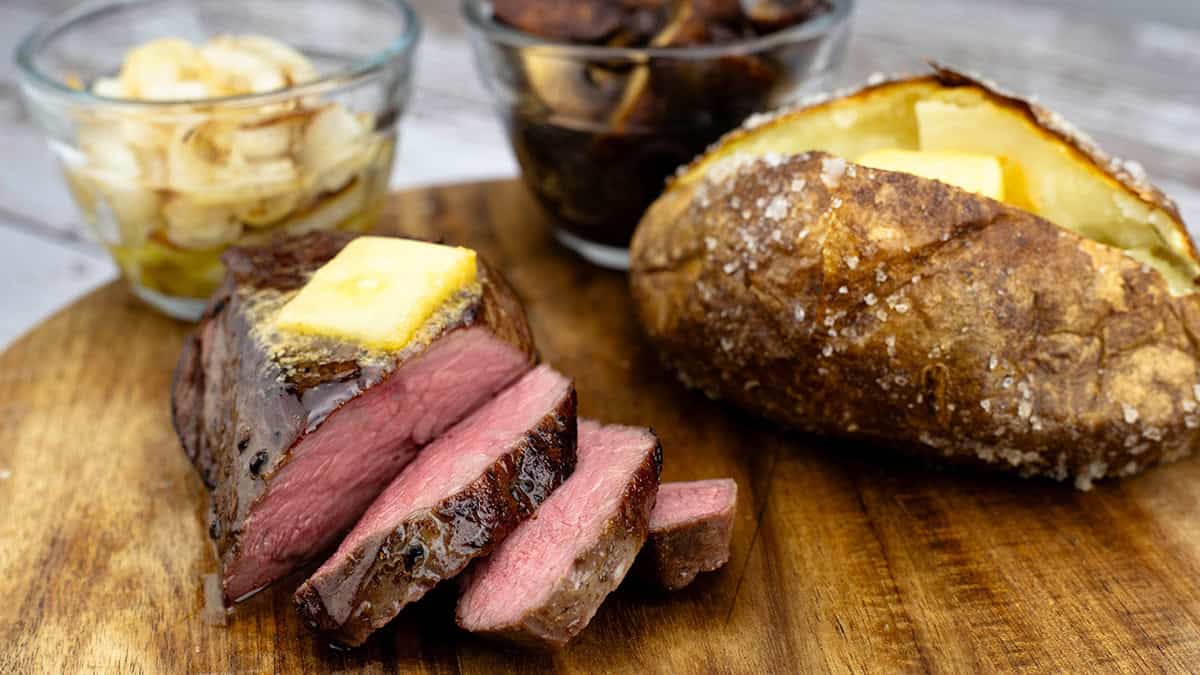
Petite Sirloin Steak Recipe: Looking for a flavorful, juicy steak that won’t break the bank? Let me introduce you to the petite sirloin steak—a lean, protein-packed cut that delivers big flavor in every bite. Whether you’re cooking a quick dinner or prepping your meals for the week, this steak is a go-to option for home cooks who want a restaurant-quality dish without the fuss.
In this guide, I’ll walk you through everything—from picking the perfect cut to seasoning, cooking, slicing, and serving it like a pro. And don’t worry, even if you’re a beginner, this step-by-step tutorial has you covered. Ready to master the perfect petite sirloin steak? Let’s dive in.
What is Petite Sirloin Steak?
Petite sirloin is a small but mighty cut of beef that comes from the bottom part of the sirloin, near the rump of the cow. It’s often overlooked because it’s not as tender as filet mignon or as marbled as ribeye—but that’s exactly what makes it a hidden gem. It’s lean, affordable, and when cooked right, packed with bold beefy flavor.
This cut is smaller in size compared to a traditional sirloin steak, which makes it ideal for portion control or individual servings. It usually weighs around 6 to 8 ounces, and it’s cut fairly thick, which helps it stay juicy during cooking. It also works well with marinades and bold seasonings since it soaks up flavor like a sponge.
Why Choose Petite Sirloin Steak?
If you’re tired of expensive steak cuts or you’re just looking for a simple, hearty protein for dinner, petite sirloin is your best friend. Here’s why it deserves a spot on your shopping list:
- Budget-friendly: Compared to New York strip or filet mignon, petite sirloin is super affordable.
- Lean and healthy: It has less fat than other cuts, making it a great option if you’re watching your calories or fat intake.
- Quick to cook: You can go from fridge to table in under 30 minutes.
- Versatile: Great for grilling, pan-searing, or broiling. Use it in tacos, salads, wraps—you name it.
- Meal prep friendly: Cooks beautifully in batches and holds up well in the fridge.
Think of it as the “everyday steak” that doesn’t skimp on flavor or satisfaction.
Nutrition Facts of Petite Sirloin Steak
Wondering what you’re putting into your body? Here’s a quick breakdown of the nutritional value of a 6 oz cooked petite sirloin steak:
| Nutrient | Amount |
|---|---|
| Calories | 280-320 |
| Protein | 42g+ |
| Fat | 12-15g |
| Saturated Fat | 4-5g |
| Iron | 15% DV |
| Zinc | 30% DV |
| Vitamin B12 | 50%+ DV |
Petite sirloin steak is high in protein, rich in iron, and packed with essential B vitamins like B12 and B6, which help with energy, metabolism, and brain function. Plus, it’s naturally gluten-free and low in carbs.
Ingredients You’ll Need
You don’t need a fancy pantry or expensive ingredients to make an amazing petite sirloin steak. Here’s what you’ll need:
Main Ingredients:
- 2 petite sirloin steaks (6-8 oz each)
- 1 tbsp olive oil or avocado oil
- 1 tsp sea salt (or to taste)
- 1/2 tsp freshly ground black pepper
- 1/2 tsp garlic powder
- 1/2 tsp onion powder
- 1/2 tsp smoked paprika (optional)
Optional Add-Ons:
- Fresh rosemary or thyme sprigs
- 1 tbsp butter (for basting or serving)
- 2 garlic cloves, smashed (optional)
Ingredient Substitutions:
- Use avocado oil instead of olive oil for a higher smoke point.
- Swap paprika for chili powder for a spicy kick.
- Use a steak seasoning blend for convenience.
Got a favorite steak rub or marinade? Go ahead and make it your own. This recipe is flexible!
Kitchen Tools You’ll Need
Cooking the perfect steak doesn’t require a high-end kitchen. Here’s what you’ll need to make the magic happen:
- Cast-iron skillet or grill pan (for that perfect sear)
- Meat thermometer (for perfect doneness every time)
- Tongs (don’t use a fork—you’ll lose juices)
- Cutting board (for resting and slicing)
- Aluminum foil (to tent the steak while resting)
Optional but helpful:
- Basting brush (if using marinade or butter)
- Timer or stopwatch (to stay on track)
Set everything out before you start—mise en place makes it easier and less stressful.
Step-by-Step Guide to Cooking Petite Sirloin Steak
Cooking a petite sirloin steak to perfection doesn’t require a culinary degree. It’s all about the right timing, temperature, and technique. Follow this simple, step-by-step guide to get a juicy, flavorful steak every single time.
Step 1: Choose Your Steak
Start with a fresh, high-quality petite sirloin steak. Look for:
- Bright red color (indicates freshness)
- A bit of marbling (those little white fat veins enhance flavor)
- Even thickness (helps cook it evenly)
Aim for steaks that are about 1 to 1.5 inches thick. Avoid overly thin cuts—they dry out fast.
Step 2: Bring Steak to Room Temperature
Take the steak out of the fridge 30 minutes before cooking. Why? A cold steak dropped onto a hot pan can cook unevenly, leaving you with an overcooked exterior and undercooked center.
Letting it rest at room temperature ensures:
- Even cooking
- Better sear
- More predictable doneness
Step 3: Season Generously
Pat the steak dry with a paper towel. Moisture is the enemy of a good sear!
Rub both sides with olive oil, then sprinkle with your seasoning blend:
- Salt
- Pepper
- Garlic powder
- Onion powder
- Smoked paprika
Massage it in like you mean it. Want more flavor? Let it marinate for 20–30 minutes with a mix of soy sauce, Worcestershire, garlic, and herbs.
Step 4: Preheat Your Pan or Grill
Heat your cast-iron skillet or grill over medium-high to high heat for 5 minutes. It needs to be blazing hot—you want to hear a loud sizzle when the steak hits the surface.
Test the pan by sprinkling a few drops of water—if they dance and evaporate quickly, you’re ready.
Step 5: Sear the Steak
Place the steak on the pan without moving it for 2–3 minutes. That untouched contact creates a gorgeous golden-brown crust. Resist the urge to press down or fiddle with it.
Step 6: Flip and Finish Cooking
Use tongs to flip the steak gently. Cook the other side for another 2–3 minutes for medium-rare. If you prefer it more done, lower the heat and cook 1–2 minutes longer per side.
Want to elevate the flavor? Add a tablespoon of butter, a couple garlic cloves, and a sprig of rosemary or thyme to the pan. Baste the steak with the melted butter for 1 minute.
Step 7: Check Internal Temperature
Use a meat thermometer to avoid guessing. Here’s a quick guide:
- Rare: 120–125°F
- Medium-rare: 130–135°F
- Medium: 140–145°F
- Well-done: 155°F+
Insert the thermometer into the thickest part for an accurate read.
Step 8: Rest the Steak
Remove from heat and place on a cutting board. Tent loosely with foil and rest for 5–10 minutes. This allows juices to redistribute instead of spilling out all over your plate.
Step 9: Slice and Serve
Slice against the grain—this shortens the muscle fibers and makes each bite more tender. Serve hot with your favorite sides or sauce.
Congrats! You’ve just cooked a juicy, restaurant-style petite sirloin steak at home.
Best Cooking Methods for Petite Sirloin
Wondering which method brings out the best in your petite sirloin? Here’s a quick look at the top three:
1. Pan-Searing (Best for Control and Crust)
- Quick and reliable
- Excellent crust development
- Ideal for small kitchen spaces
2. Grilling (Best for Flavor)
- Smoky, charred flavor
- Perfect for summer cookouts
- Use direct heat for sear, indirect for finish
3. Broiling (Best for Oven Lovers)
- Uses high heat from above
- Works well in winter months
- Watch carefully to avoid overcooking
Each method has its strengths, but if you’re after that sizzling steakhouse experience, pan-searing with butter basting is hard to beat.
Marinade or Dry Rub?
This depends on how much time you’ve got and the flavor you’re going for.
Marinade (Best for Tenderizing & Deeper Flavor)
Use a marinade when:
- You want bold, infused flavor
- You have 30 minutes or more
- You’re using leaner, tougher cuts
Quick Marinade Recipe:
- 2 tbsp soy sauce
- 1 tbsp Worcestershire sauce
- 1 tsp garlic powder
- 1 tsp brown sugar
- 1 tbsp olive oil
- Pinch of black pepper
Let steak marinate for 30 mins to 2 hours in the fridge.
Dry Rub (Best for Quick Prep & Crust)
Use a dry rub when:
- You’re short on time
- You want a flavorful crust
- You prefer a clean, meaty flavor
Try this simple mix:
- 1 tsp kosher salt
- 1/2 tsp black pepper
- 1/2 tsp smoked paprika
- 1/2 tsp garlic powder
- 1/4 tsp cayenne pepper (optional)
Both methods work well. For weeknight speed? Stick with a dry rub. For weekend indulgence? Marinate away.
How Long to Cook Petite Sirloin Steak?
Getting the cooking time right is crucial if you want a juicy, tender steak instead of a dry, chewy disappointment. Petite sirloin, being a leaner cut, can go from perfect to overcooked in a matter of minutes. That’s why timing and internal temperature are your best friends in the kitchen.
Cooking Time (Pan or Grill)
Here’s a general guideline for a 1-inch thick petite sirloin steak, depending on your preferred doneness:
| Doneness | Time per Side | Total Cook Time | Internal Temp |
|---|---|---|---|
| Rare | 2 minutes | 4 minutes | 120–125°F |
| Medium-Rare | 3 minutes | 6 minutes | 130–135°F |
| Medium | 4 minutes | 8 minutes | 140–145°F |
| Medium-Well | 5 minutes | 10 minutes | 150–155°F |
| Well Done | 6+ minutes | 12+ minutes | 160°F+ |
Tips:
- Always preheat your pan or grill before cooking.
- Use a digital meat thermometer for accuracy.
- Let the steak rest after cooking to finish carryover cooking and lock in juices.
If you don’t have a thermometer, use the finger test (the feel of your palm when touching thumb to each finger) as a rough gauge, but be cautious—it’s not as reliable.
Resting Time – Why It’s Important
You’ve seared your steak to perfection, and your kitchen smells like heaven… but wait! Don’t slice it just yet.
Resting is the secret to juicy steak.
Why Resting Matters:
- During cooking, juices move toward the outer edges.
- Resting allows them to redistribute evenly throughout the meat.
- If you cut too soon, juices spill out, and your steak goes dry.
How to Rest Steak Properly:
- Transfer steak to a cutting board.
- Tent it loosely with foil.
- Let it sit for at least 5–10 minutes.
The result? A steak that’s juicy, flavorful, and perfectly tender in every bite. Think of resting as the final, crucial step in the cooking process—not an optional afterthought.
What to Serve with Petite Sirloin Steak
A perfectly cooked petite sirloin deserves a plate full of delicious sides. Whether you’re going for comfort food or something light and healthy, you’ve got tons of options.
Vegetable Sides:
- Roasted garlic asparagus
- Grilled zucchini and squash
- Garlic butter mushrooms
- Steamed broccoli with lemon
Starch and Carb Options:
- Mashed potatoes with chives
- Garlic Parmesan fries
- Baked sweet potatoes
- Rice pilaf or quinoa salad
Sauces to Drizzle or Dip:
- Garlic herb butter (a classic!)
- Chimichurri sauce (for a fresh, zesty kick)
- Peppercorn cream sauce
- Balsamic reduction
Pair your steak with a glass of red wine (like Cabernet Sauvignon or Merlot), and you’ve got a steakhouse-worthy dinner right in your own kitchen.
Tips for Perfectly Cooked Petite Sirloin
Want to level up your steak game? Here are some pro tips that can turn a decent steak into an unforgettable one.
1. Pat Steak Dry Before Cooking
Moisture is the enemy of a crust. Always blot your steak with a paper towel before seasoning.
2. Use High Heat to Start
Start with high heat to create a Maillard reaction—that beautiful brown crust that adds flavor and texture.
3. Don’t Overcrowd the Pan
Cook one or two steaks at a time. If the pan is crowded, the heat drops and your steak will steam instead of sear.
4. Use a Thermometer
Guesswork ruins good steak. A digital meat thermometer is your best friend.
5. Rest, Then Slice Against the Grain
We said it before, and we’ll say it again—rest your steak. Then cut across the grain for the most tender bites.
Common Mistakes to Avoid:
- Cooking steak straight from the fridge
- Using a fork to flip (you lose juices!)
- Pressing the steak down in the pan
- Skipping the resting phase
- Cutting the steak in the pan (never do this!)
Follow these, and your steak will turn out just like the pros make it—every single time.
Storing and Reheating Leftovers
Made a little too much? No problem! Petite sirloin holds up great for leftovers—if you store and reheat it the right way.
How to Store:
- Let the steak cool to room temperature (don’t leave it out more than 2 hours).
- Wrap tightly in foil or place in an airtight container.
- Store in the fridge for up to 4 days.
How to Reheat Without Drying Out:
Option 1: In the Oven
- Preheat oven to 275°F.
- Place steak on a wire rack over a baking sheet.
- Heat for 10–15 minutes or until warm.
- Optional: finish with a quick sear in a hot pan for 1 minute per side.
Option 2: In a Skillet
- Heat skillet over medium-low heat.
- Add a little butter or beef broth.
- Reheat slowly, flipping occasionally.
Avoid microwaving if you can—it tends to make steak rubbery.
Petite Sirloin Meal Prep Ideas
Petite sirloin is fantastic for meal prepping. It stays tender when reheated and pairs well with a variety of ingredients.
1. Steak Salad Bowls
- Mixed greens, grilled steak, cherry tomatoes, cucumber, red onion, feta
- Dressing: balsamic vinaigrette or ranch
2. Steak and Veggie Stir Fry
- Sliced steak, bell peppers, broccoli, carrots
- Sauce: soy sauce, garlic, ginger
3. Steak Wraps or Tacos
- Warm tortillas, steak slices, avocado, slaw, lime crema
4. Steak and Eggs
- A protein-packed breakfast!
- Sliced steak with scrambled eggs or over-easy eggs
5. Grain Bowls
- Steak, brown rice or quinoa, roasted veggies, tahini or chimichurri drizzle
Cook once, eat multiple times. Smart and delicious!
FAQs about Petite Sirloin Steak Recipe
1. What’s the difference between petite sirloin and top sirloin?
Petite sirloin is cut from the bottom sirloin, while top sirloin comes from the upper part. Top sirloin is usually more tender and slightly more expensive, while petite sirloin is leaner and more budget-friendly.
2. Can I cook petite sirloin in the oven?
Yes! You can sear it in a pan, then finish in a 400°F oven for 5–10 minutes depending on thickness and desired doneness.
3. How can I tenderize petite sirloin steak?
Marinate it in an acidic mix (like vinegar or lemon juice) or use a meat mallet to break down tough fibers. Cooking it to medium-rare and slicing against the grain also helps.
4. Should I trim the fat before cooking?
If there are large fat caps or connective tissue, trim them. But a little fat adds flavor and helps prevent the steak from drying out.
5. What’s the best way to slice petite sirloin?
Always slice against the grain—this shortens the muscle fibers and makes each bite more tender and easier to chew.
Conclusion
There you have it—your complete, foolproof guide to cooking the perfect petite sirloin steak. Whether you’re a beginner or a seasoned home cook, this lean, flavorful cut can deliver juicy, mouthwatering results when treated right. From seasoning and searing to slicing and serving, every step matters.
With this step-by-step approach, you’re now ready to impress yourself (and your guests!) with a steakhouse-quality meal, right from your kitchen. So grab that skillet, season generously, and don’t forget to let it rest—because now you know the secrets to a perfect petite sirloin steak.