Pesto Salmon Recipe: Craving a meal that’s as easy to make as it is mouthwatering? Enter: Pesto Salmon. This dish isn’t just another healthy dinner option—it’s a flavor bomb. Imagine rich, flaky salmon slathered with a bright, herby pesto that gets slightly crisp and aromatic in the oven. It’s the kind of recipe you can whip up in 20–30 minutes but still impress anyone at your dinner table.
Whether you’re cooking for yourself, family, or a date night, pesto salmon checks all the boxes: quick, nutritious, and seriously delicious. What’s more, it’s versatile. You can bake it, grill it, or even pan-sear it. Serve it with rice, veggies, or pasta—whatever you’ve got on hand.
Let’s dive in step by step and make the perfect pesto salmon that’ll become a weekly staple in your kitchen.
Ingredients You’ll Need
Let’s talk ingredients—the good stuff. To make a truly great pesto salmon, you don’t need a laundry list of items. In fact, simplicity is what makes this dish shine.
Main Ingredients:
- Salmon fillets (4 to 6 oz each, skin-on or skinless)
- Pesto sauce (store-bought or homemade)
- Olive oil (extra virgin preferred)
- Salt & pepper (to taste)
- Lemon (for zest and juice)
- Parmesan cheese (optional but adds a nutty finish)
- Cherry tomatoes or sliced lemon (for roasting on the side, optional)
Optional Add-ons:
- Garlic powder or minced garlic
- Crushed red pepper flakes
- Fresh herbs like basil or parsley for garnish
- Pine nuts or walnuts (adds crunch and richness)
Substitutions:
- No salmon? Try trout or cod
- No pesto? Use chimichurri or herb butter
- No lemon? A dash of vinegar can do the trick
The best part is that this recipe is very forgiving. As long as you’ve got salmon and pesto, you’re halfway there.
Benefits of Salmon
Salmon isn’t just tasty—it’s a powerhouse of nutrients. If you’re trying to eat clean or just add more whole foods to your diet, this fish is a smart pick.
Why Salmon Rocks:
- High in Omega-3 fatty acids – These healthy fats are great for heart health, brain function, and reducing inflammation.
- Packed with protein – One 6 oz fillet has about 34 grams of protein, which helps keep you full.
- Loaded with vitamins – Especially B vitamins (like B12), which boost energy and metabolism.
- Supports skin and hair health – Thanks to its fatty acid and antioxidant content.
Plus, it’s low in carbs, making it perfect for keto, paleo, or low-carb lifestyles. And when cooked right, it’s juicy, tender, and downright addictive.
What is Pesto?
Pesto is like a green magic sauce. Originating from Italy, it’s traditionally made with fresh basil, garlic, pine nuts, parmesan cheese, and olive oil.
Types of Pesto:
- Classic Basil Pesto (Pesto alla Genovese) – The OG version, packed with sweet basil and sharp parmesan.
- Sun-Dried Tomato Pesto (Pesto Rosso) – Rich and slightly sweet, made with sun-dried tomatoes.
- Kale or Spinach Pesto – A more earthy, nutrient-rich twist.
- Vegan Pesto – Made without cheese, often using nutritional yeast.
Each version gives a different vibe, but they all work beautifully with salmon. If you’re not a fan of basil, you can even make pesto with arugula, cilantro, or parsley. It’s one of those sauces you can endlessly riff on.
Choosing the Right Salmon
Picking the right salmon makes all the difference in flavor and texture.
Wild vs. Farmed:
- Wild-caught salmon – Richer flavor, firmer texture, more omega-3s. Think sockeye or king salmon.
- Farmed salmon – Milder taste, fattier, more budget-friendly. Often labeled as Atlantic salmon.
Fresh vs. Frozen:
- Fresh salmon is great if you’re buying the same day you cook.
- Frozen salmon is just as good if thawed properly (overnight in the fridge is best).
Skin-on or Skinless?
- Skin-on gives a nice crispy edge when seared or grilled.
- Skinless is perfect for baking and easier for serving.
Whichever you choose, just make sure the fish is firm, not mushy, and smells clean—not fishy.
Best Store-Bought Pesto or Homemade?
Ah, the age-old question—should you buy pesto or make it from scratch? Honestly, both have their place. If you’re in a time crunch, there are some great store-bought pestos out there. But if you’ve got a few extra minutes, homemade pesto can take this dish from good to next-level.
Store-Bought Pesto:
- Pros: Convenient, consistent flavor, zero prep.
- Cons: Can sometimes be too oily or salty, and flavors may not be as vibrant.
- Recommended Brands:
- Kirkland Signature (Costco)
- Trader Joe’s Genovese Pesto
- Barilla Pesto alla Genovese
Homemade Pesto Recipe:
Want to make your own? Here’s a quick recipe:
- 2 cups fresh basil leaves
- 1/2 cup grated Parmesan cheese
- 1/3 cup pine nuts (or walnuts)
- 2 cloves garlic
- 1/2 cup olive oil
- Juice of half a lemon
- Salt & pepper to taste
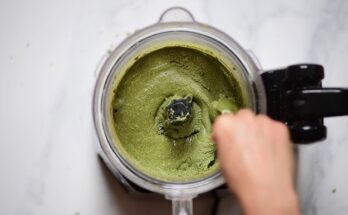
Blend everything in a food processor until smooth. Boom—fresh, zesty pesto that puts store-bought jars to shame.
The Verdict:
If time allows, go homemade. If not, just pick a quality store version with minimal preservatives. Either way, your salmon is going to taste amazing.
Essential Kitchen Tools
You don’t need a Michelin-star kitchen to pull this off. But a few simple tools will make your pesto salmon journey smoother.
Must-Have Tools:
- Baking sheet (for oven-baked method)
- Parchment paper or foil (to prevent sticking)
- Sharp knife (to trim and portion salmon)
- Brush or spoon (to spread the pesto)
- Spatula (for flipping if pan-searing)
- Meat thermometer (optional but helps prevent overcooking)
Nice-to-Have Additions:
- Food processor (for homemade pesto)
- Cast iron skillet (if pan-searing or oven-finishing)
- Lemon zester (for garnish)
- Grill pan or outdoor grill (for summer nights)
Don’t have all the gear? No worries. The recipe’s flexible. You can even cook it in an air fryer!
Step-by-Step Guide to Making Pesto Salmon
Now, let’s get to the heart of the matter—the cooking process. Whether you’re new to the kitchen or a confident cook, this step-by-step guide will walk you through everything.
We’re focusing on the oven-baked method here, but I’ll drop notes for grilling and pan-searing too.
Step 1: Preheat Your Oven (or Grill/Pan)
Set your oven to 400°F (200°C) for perfectly baked salmon. If grilling, heat to medium-high; if pan-searing, warm a nonstick or cast-iron pan over medium heat. Preheating ensures even cooking and a beautiful finish.
Step 2: Prep the Salmon Fillets
Rinse and pat the salmon dry. Portion into equal-sized fillets for uniform cooking. Skin-on fillets crisp nicely and hold together better, while skinless fillets absorb pesto more evenly—either works well.
Step 3: Season and Spread the Pesto
Lightly season with salt and pepper. Spread a generous layer of pesto—about 1–2 tablespoons per fillet—over the top. Add-ons like lemon zest, minced garlic, or grated Parmesan enhance the flavor.
Step 4: Cook the Salmon
Baking: Place salmon on a lined tray and bake 12–15 minutes until flaky.
Grilling: Grill skin-side down first to prevent sticking.
Pan-searing: Cook flesh-side down briefly, then finish skin-side down.
Step 5: Garnish and Serve
Top with cherry tomatoes, fresh basil, toasted pine nuts, or a squeeze of lemon. Serve with rice, pasta, or vegetables for a vibrant, flavorful meal.
Serving Suggestions and Sides
The beauty of pesto salmon is how versatile it is when it comes to sides. Whether you’re aiming for a light, low-carb dinner or something more comforting and hearty, there’s a pairing for every mood.
Light & Healthy Options:
- Steamed or roasted vegetables – Think asparagus, broccoli, zucchini, or bell peppers.
- Cauliflower rice – Low in carbs, but still filling.
- Mixed green salad – Add cherry tomatoes, cucumbers, and a lemon vinaigrette.
- Zoodles (zucchini noodles) – Tossed with a little olive oil and lemon juice.
Comfort Food Pairings:
- Buttery mashed potatoes – Creamy and perfect for soaking up extra pesto.
- Garlic bread or focaccia – Especially if you’re leaning into Italian flavors.
- Pasta – Try it with orzo, penne, or linguine tossed in extra pesto.
- Risotto – A lemon-parmesan risotto pairs beautifully with the herby salmon.
Wine Pairings:
- White wine: A crisp Sauvignon Blanc or Pinot Grigio complements the pesto and salmon perfectly.
- Rosé: Light and fruity, it brings out the richness of the fish without overpowering the dish.
Keep it simple or go all out—it’s hard to go wrong with this flavor combo.
Storing and Reheating Tips
Have leftovers? Good news: pesto salmon stores well, and with the right tricks, you can reheat it without turning it into a dry disaster.
How to Store:
- Allow salmon to cool completely before storing.
- Place in an airtight container and refrigerate.
- Good for up to 3 days in the fridge.
Freezing Option:
- You can freeze pesto salmon, but it’s best eaten fresh.
- If freezing, wrap each portion tightly in plastic wrap and then foil.
- Freeze for up to 2 months.
- Thaw overnight in the fridge before reheating.
Reheating Tips:
Oven Method:
- Preheat to 275°F (135°C).
- Place salmon on a baking dish with a splash of broth or lemon water.
- Cover with foil and heat for 10–15 minutes.
Skillet Method:
- Add a splash of oil or broth to a pan over low heat.
- Warm for 3–5 minutes, covered.
Microwave Method (Not Ideal):
- Use medium power and cover with a damp paper towel.
- Heat in 30-second intervals to avoid drying out.
Try not to overheat it—just warm enough to bring back the flavor without overcooking the fish again.
Common Mistakes to Avoid
Even a simple recipe like pesto salmon has its pitfalls. But don’t worry—we’ll dodge those together.
1. Overcooking the Salmon
The number one sin. Salmon only needs about 12–15 minutes in a hot oven. Use a thermometer or check with a fork for flakiness.
2. Skimping on Seasoning
Yes, pesto is flavorful—but the salmon still needs salt, pepper, and maybe a squeeze of lemon juice to wake it up.
3. Using Too Much Pesto
More isn’t always better. Too much pesto can drown the fish, making it greasy and overpowering the natural flavor.
4. Not Drying the Fish First
Wet salmon = steaming instead of roasting. Always pat it dry before seasoning.
5. Not Preheating the Oven
This is key. If your oven is cold, your cooking times will be off, and you risk uneven texture.
Avoid these, and you’re on your way to salmon greatness.
Variations of Pesto Salmon
Want to switch things up? This recipe is super flexible. Here are a few creative ways to remix it:
1. Pesto-Crusted Salmon
- Mix pesto with breadcrumbs and parmesan.
- Spread it on the salmon before baking for a crispy, golden topping.
2. Pesto Salmon Pasta
- Flake the cooked salmon and toss it with warm pasta and more pesto.
- Add cherry tomatoes, spinach, or artichokes for extra color and flavor.
3. Pesto Salmon Salad
- Serve chilled, flaked salmon on top of a fresh salad.
- Add avocado, cucumber, red onion, and drizzle with lemon vinaigrette.
4. Pesto Salmon Sandwich
- Use leftover salmon to make a killer sandwich with ciabatta bread, arugula, and a smear of mayo or Greek yogurt.
5. Grilled Pesto Salmon Skewers
- Cut salmon into chunks, toss with pesto, and thread onto skewers.
- Grill for a few minutes on each side and serve with lemon wedges.
These variations make it easy to enjoy pesto salmon in new ways every time you make it.
Health Benefits of Pesto Salmon
This recipe isn’t just tasty—it’s packed with health perks. Whether you’re watching your weight, boosting your brain, or just trying to eat clean, this meal checks the boxes.
Nutritional Highlights:
- High-quality protein – Supports muscle repair and keeps you full.
- Omega-3 fatty acids – Good for heart health, mood, and inflammation.
- Vitamin D & B12 – Essential for bone strength and energy.
- Antioxidants from pesto – Especially if you use fresh basil, garlic, and olive oil.
- Healthy fats – Olive oil and salmon both provide heart-healthy unsaturated fats.
Great For:
- Low-carb & keto diets
- Mediterranean-style eating
- Paleo-friendly meal plans
- Gluten-free lifestyles
In short, you’re nourishing your body and treating your taste buds.
FAQs about Pesto Salmon Recipe
1. Can I use frozen salmon for this recipe?
Yes! Just make sure to thaw it fully in the fridge overnight and pat it dry before cooking to remove excess moisture.
2. What other fish works well with pesto?
Trout, cod, halibut, or tilapia can all be great alternatives. Just adjust the cooking time based on thickness.
3. How long can I store pesto salmon leftovers?
Keep them in the fridge for up to 3 days. Reheat gently to avoid drying out the fish.
4. Can I make this recipe dairy-free?
Absolutely! Use a dairy-free pesto (skip the parmesan or use nutritional yeast) and avoid any cheese toppings.
5. Is this recipe good for meal prep?
Yes. Cook your salmon in bulk and store in airtight containers. Pair with rice, quinoa, or veggies for quick meals throughout the week.
Conclusion
There you have it—a complete, step-by-step guide to making the best pesto salmon of your life. It’s quick, flavorful, and healthy, which makes it perfect for busy weeknights or fancy dinners alike. Whether you’re baking, grilling, or pan-searing, the combination of tender salmon and vibrant pesto is a guaranteed win.
Don’t be afraid to play around with different pestos or sides. Try out new variations, and make it your own. And the best part? You’re feeding your body something that’s as good for your health as it is for your soul.
So grab that salmon, whip up (or open) that pesto, and let’s get cooking. Your next favorite dinner is waiting.