Pesto Cream Sauce Recipe: Ever had a pasta dish so good, you found yourself scraping every last bit off the plate? That magic might have come from a rich, velvety pesto cream sauce. This sauce is the perfect marriage of bold basil pesto and smooth heavy cream. It’s luxurious without being heavy, fresh yet comforting, and—best of all—super simple to make from scratch.
Whether you’re planning a cozy dinner for two, meal-prepping for the week, or just trying to jazz up your weeknight meals, this pesto cream sauce is your new secret weapon. It pairs beautifully with pasta, chicken, seafood, or even as a dipping sauce for your favorite bread.
Let’s dive into everything you need to know to create a restaurant-quality pesto cream sauce right in your kitchen—from fresh ingredients to pro-level tips and tricks.
Ingredients You’ll Need
Before we get cooking, let’s line up our ingredients. The key to a standout pesto cream sauce lies in using high-quality, fresh components. Here’s what you’ll need:
Fresh Ingredients Breakdown
- Fresh Basil Leaves (2 cups, packed): The star of the show. Choose vibrant green basil leaves. Avoid wilted or darkened ones.
- Garlic (2-3 cloves): Adds a bold bite. You can roast it beforehand if you prefer a milder, sweeter flavor.
- Parmesan Cheese (½ cup, freshly grated): Use real Parmigiano-Reggiano for best flavor. Pre-shredded cheese often lacks the depth.
- Heavy Cream (1 cup): The rich, creamy base that ties the sauce together. You can substitute with half-and-half, but the result may be thinner.
- Extra Virgin Olive Oil (⅓ cup): Smooth, fruity, and essential for texture and flavor.
- Pine Nuts (¼ cup): Adds a nutty richness. Toast them lightly for even more depth.
Pantry Staples
- Salt and Black Pepper: Start small, adjust to taste.
- Optional Add-ins:
- Red Pepper Flakes: For a touch of heat.
- Lemon Juice (1 tsp): Brightens the flavors and balances the richness.
Substitution Options
- No pine nuts? Swap in walnuts, cashews, or even sunflower seeds.
- Dairy-free? Use unsweetened almond milk cream or coconut cream and nutritional yeast in place of Parmesan.
Using top-notch ingredients gives you a sauce that’s bursting with flavor and beautifully smooth in texture.
Kitchen Tools Required
Let’s make sure your tools are ready before you start:
- Blender or Food Processor: Crucial for blending pesto ingredients into a smooth paste.
- Saucepan or Small Pot: To heat the cream and combine with the pesto.
- Whisk or Wooden Spoon: For stirring and combining ingredients smoothly.
- Measuring Cups and Spoons: Precision matters in balancing creaminess and flavor.
If you’re feeling fancy, a microplane grater for fresh Parmesan and garlic is a nice touch.
Step-by-Step Guide to Making Pesto Cream Sauce
Making pesto cream sauce might sound gourmet, but it’s actually one of the easiest sauces to whip up. Just follow this guide and you’ll have a creamy, rich sauce ready in less than 20 minutes.
Step 1: Preparing the Fresh Basil
Start by rinsing fresh basil leaves and patting them dry completely. Moisture can dilute the pesto’s flavor, so ensure the leaves are crisp and dry before using.
Step 2: Toasting the Pine Nuts for Depth of Flavor
Lightly toast pine nuts in a dry skillet over medium heat until golden and fragrant. This enhances their nuttiness and adds richness to the sauce. Let them cool before blending.
Step 3: Blending the Pesto Base
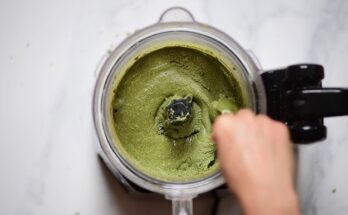
In a food processor, combine basil, toasted pine nuts, garlic, Parmesan cheese, and olive oil. Pulse until smooth but slightly textured. Add oil gradually to control consistency.
Best tip: Avoid overprocessing—heat from the blade can darken the basil and introduce bitterness.
Step 4: Simmering the Cream
Warm heavy cream in a saucepan over low heat. Keep the temperature gentle—boiling can cause separation. Simmer until slightly thickened, stirring often.
Step 5: Combining Pesto with Cream
Remove the cream from heat before adding the pesto. Stir gently until fully incorporated. Mixing off heat prevents curdling and preserves the bright green color.
Step 6: Final Seasoning Adjustments
Taste the sauce and adjust with salt, pepper, or extra Parmesan. If too thick, loosen with a splash of pasta water. Aim for a balanced flavor—creamy, herbaceous, and silky.
Serve immediately over pasta, chicken, or vegetables. Enjoy!
Cooking Tips and Tricks
Even though this pesto cream sauce is simple to make, a few expert tips can take it from good to gourmet. Whether you’re a kitchen newbie or a seasoned home chef, these tricks will help you elevate your sauce every single time.
How to Thicken or Thin the Sauce
Getting the right consistency is key. If your sauce is too thick, it can feel heavy or sticky. Too thin, and it won’t cling to your pasta or protein properly. Here’s how to adjust:
- To Thicken: Let it simmer longer on low heat. The cream will naturally reduce and thicken. You can also stir in a little grated Parmesan or a teaspoon of cornstarch mixed with a splash of water for quick thickening.
- To Thin: Add a bit more cream, milk, or even reserved pasta water (if you’re serving it with pasta). This adds moisture and helps coat every bite without watering down the flavor.
Storing and Reheating
Pesto cream sauce stores well in the fridge for about 3–4 days in an airtight container. When reheating:
- Use low heat on the stovetop.
- Stir constantly to avoid separation or curdling.
- Add a splash of milk or cream to revive the silky texture.
Avoid microwaving, as it can break the emulsion and lead to an oily mess.
Freezing Tips
Want to make a batch ahead of time? Freeze the sauce in small portions using ice cube trays or silicone muffin tins. Once frozen, transfer the cubes to a freezer-safe bag and store for up to 3 months.
When ready to use, thaw overnight in the fridge and reheat slowly. Stir gently and refresh with a splash of cream if needed.
How to Use Pesto Cream Sauce
This sauce is a versatile superstar. Once you’ve made a batch, there are countless ways to use it that go beyond just pasta.
With Pasta
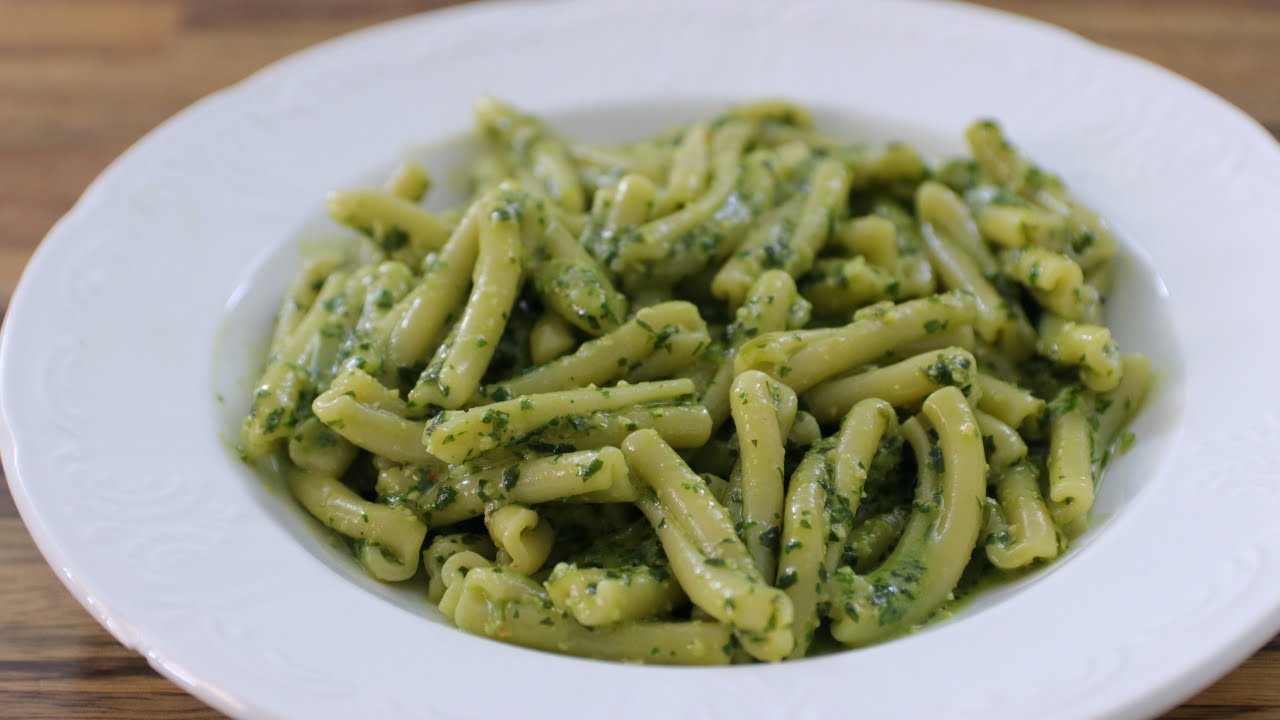
This is the most classic use—and for good reason. Toss it with fettuccine, penne, or gnocchi. Add some sautéed mushrooms, grilled chicken, or roasted cherry tomatoes for an extra flavor boost.
Pro tip: Always save a bit of pasta water to help the sauce stick better to the noodles.
On Grilled Chicken or Fish
Drizzle it over grilled chicken breasts, salmon fillets, or even shrimp skewers. The rich sauce complements the savory, smoky flavors beautifully.
As a Pizza Base
Swap out your regular red sauce with pesto cream on a homemade pizza crust. Top with mozzarella, sun-dried tomatoes, and a handful of arugula for a gourmet twist.
In Vegetable Bakes
Use it as a sauce base in casseroles or baked veggie dishes. Layer it with roasted zucchini, eggplant, and bell peppers for a Mediterranean-inspired bake.
As a Dip or Spread
Serve it warm as a dip for crusty bread or cold as a sandwich spread. It works beautifully in grilled cheese, wraps, and paninis.
The possibilities are endless—get creative!
Nutritional Breakdown
Here’s a general overview of the nutritional value of one serving (about ¼ cup) of pesto cream sauce:
| Nutrient | Amount (Approx.) |
|---|---|
| Calories | 250–300 kcal |
| Total Fat | 25–30g |
| Saturated Fat | 12–15g |
| Protein | 4–6g |
| Carbohydrates | 2–4g |
| Sodium | 250–350mg |
Making It Healthier
- Low-Fat Option: Use light cream or half-and-half instead of heavy cream.
- Keto-Friendly: Stick with full-fat cream but reduce pine nuts slightly to lower carbs.
- Dairy-Free Alternative: Use coconut cream or unsweetened almond cream, and swap cheese for nutritional yeast.
This sauce is indulgent, yes—but it can fit into various diets with a few tweaks.
Common Mistakes to Avoid
Even the simplest sauces can go wrong if you skip important steps. Here are a few mistakes to steer clear of:
Using Pre-Shredded or Low-Quality Cheese
Pre-grated Parmesan often contains anti-caking agents that can ruin the texture of your sauce. Always opt for a fresh block of Parmesan and grate it yourself for the best melt and flavor.
Overheating the Cream
Too much heat can cause the cream to curdle, especially once you add pesto. Keep the flame low and avoid boiling at all costs. Patience pays off with a smoother sauce.
Not Toasting the Pine Nuts
It might seem like an extra step, but toasted nuts add a beautiful depth of flavor. Skipping this can leave your pesto a bit flat and raw-tasting.
Not Tasting as You Go
This sauce depends heavily on the quality and quantity of ingredients. Always taste and adjust at each step—especially before serving.
Avoiding these simple mistakes will guarantee your pesto cream sauce turns out restaurant-quality every time.
Flavor Variations
Want to switch it up? Here are some fun ways to put your own spin on the classic pesto cream sauce:
Sun-Dried Tomato Pesto Cream Sauce
Add ¼ cup of sun-dried tomatoes packed in oil to your pesto mix before blending. It gives the sauce a deeper, tangier flavor and a rich red hue.
Spinach-Walnut Pesto Cream Sauce
Swap basil with half spinach and use walnuts instead of pine nuts. This version is earthier, budget-friendly, and still absolutely delicious.
Vegan/Dairy-Free Alternatives
For a vegan version:
- Use coconut cream or cashew cream in place of heavy cream.
- Replace Parmesan with nutritional yeast and a touch of miso paste for umami.
You’d be surprised how creamy and flavorful it still turns out.
Pairing Ideas
Complement your pesto cream sauce dishes with these pairing options for a truly satisfying meal:
Wines That Pair Well
- White Wines: Pinot Grigio, Sauvignon Blanc
- Light Reds: Pinot Noir, Grenache
- Sparkling Wines: Prosecco for a fun contrast
Salads and Sides
- Arugula salad with lemon vinaigrette
- Caprese salad with tomatoes and mozzarella
- Garlic bread or focaccia
Best Breads for Dipping
- Crusty artisan baguette
- Sourdough slices
- Soft garlic naan or pita
These additions round out your meal beautifully and make the sauce shine even more.
FAQs about Pesto Cream Sauce Recipe
1. Can I use store-bought pesto instead of homemade?
Yes, you can! While homemade pesto offers the freshest flavor, high-quality store-bought pesto works in a pinch. Just make sure it has good oil and fresh basil as the base.
2. How long can I store pesto cream sauce in the fridge?
It lasts up to 4 days when stored in an airtight container. Reheat gently over low heat and stir well to revive the creamy consistency.
3. Can I freeze pesto cream sauce?
Yes! Portion it into small containers or ice cube trays, freeze, and store for up to 3 months. Thaw in the fridge before reheating.
4. Can I make it spicy?
Absolutely. Add a pinch of red pepper flakes or a dash of hot sauce to your sauce while simmering the cream for a subtle kick.
5. Can I use other herbs instead of basil?
Sure! Try cilantro, parsley, or even kale for a unique twist on the classic pesto flavor. Just adjust the quantities based on the strength of the herb.
Conclusion
Pesto cream sauce is more than just a fancy pasta topping—it’s a culinary game-changer that’s easy to make, incredibly versatile, and undeniably delicious. With fresh basil, a splash of cream, and a few pantry staples, you’ve got a gourmet sauce in under 30 minutes.
You’ve learned how to select the right ingredients, master the blending and simmering process, avoid common mistakes, and even explore variations and pairings. Whether you’re serving it over pasta, chicken, or just dipping some warm bread in it, this sauce is sure to become a regular in your kitchen rotation.
Don’t be afraid to experiment and make it your own. Cook it once, and you’ll be hooked.