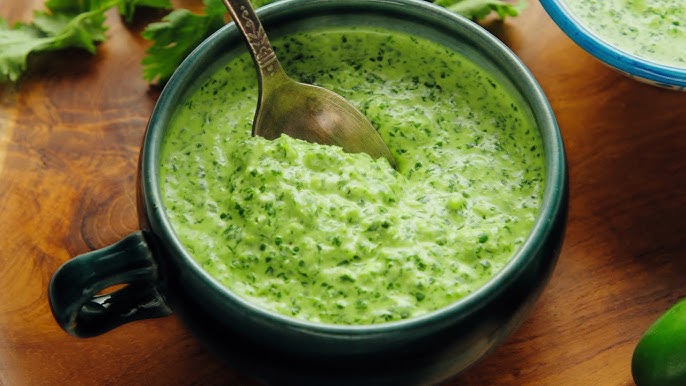
Peruvian Green Sauce Recipe: Peruvian Green Sauce, traditionally known as Aji Verde, is a creamy, spicy, and herb-packed condiment that originates from Peru. It’s known for its vibrant green color, rich texture, and addictive flavor. Aji Verde is a staple in Peruvian cuisine and is often served with pollo a la brasa (Peruvian rotisserie chicken), roasted vegetables, grilled meats, and even French fries. Think of it as the Peruvian version of chimichurri or salsa verde but with more body and bold flavors. It’s a game-changer for anyone who loves a little heat and a lot of flavor.
The star of this sauce? Fresh herbs like cilantro, spicy aji amarillo or jalapeños, creamy mayo or cheese, and zingy ingredients like lime juice and garlic. One taste, and you’ll find yourself spooning it onto everything.
Why You’ll Love This Sauce
What makes Aji Verde so special? It’s versatile, quick to prepare, and packed with flavor that hits all the right notes—spicy, tangy, herby, and creamy. Whether you’re throwing together a weeknight dinner or hosting a weekend BBQ, this sauce belongs on the table.
Here’s why it’s a must-make:
- Takes less than 10 minutes to prepare.
- No cooking involved—just blend and go.
- Customizable spice level—make it as mild or fiery as you like.
- Pairs well with everything from grilled meats to sandwiches to roasted veggies.
- It’s great for meal prep, storing well for several days.
Basically, it’s the type of sauce you’ll want to have on hand always.
Origins and Cultural Significance
Aji Verde is deeply rooted in Peruvian culinary tradition, where bold flavors are celebrated. “Aji” refers to chili peppers, which are a core part of many Latin American dishes. In Peru, aji amarillo (a yellow chili) is a foundational ingredient in everything from sauces to stews.
This green sauce evolved as a flavorful complement to pollo a la brasa, the beloved Peruvian rotisserie chicken that’s often cooked over open flame and seasoned with a smoky blend of spices. Over time, the sauce became a star on its own—found in street food stands, restaurants, and home kitchens across Peru and now, internationally.
The sauce reflects Peru’s diverse influences—from indigenous ingredients like aji peppers to European dairy introduced during colonial times. That fusion is exactly what gives Aji Verde its unique identity.
How Spicy is Aji Verde?
Let’s talk heat. Aji Verde can range from mild to flaming hot, depending on how it’s made. Traditionally, it’s made with aji amarillo, a medium-spicy pepper that brings both heat and a fruity flavor. However, outside of Peru, cooks often substitute with jalapeños or Serrano peppers—which are easy to find in most grocery stores.
If you’re heat-sensitive, remove the seeds and membranes from your peppers or use fewer. Want to turn it up a notch? Leave the seeds in, or throw in an extra pepper.
So, in short: you control the spice. And that’s the beauty of homemade.
List of Ingredients You’ll Need
Here’s your shopping list for the best homemade Aji Verde. Use the freshest ingredients you can find for the boldest flavor.
Fresh Ingredients
- 1 large bunch of cilantro (stems included)
- 2-3 jalapeño peppers (or aji amarillo, if available)
- 2 cloves garlic
- Juice of 1 lime
- 1 green onion (optional)
Pantry Staples
- ½ cup mayonnaise (or Greek yogurt for a lighter version)
- ¼ cup grated Parmesan cheese or Cotija cheese
- 2 tablespoons olive oil
- Salt to taste
Optional Add-ins
- Avocado (for extra creaminess)
- A splash of vinegar (for tang)
- Black pepper or cumin (for depth)
This recipe is highly adaptable, so don’t stress if you don’t have everything. We’ll cover substitutions soon.
Kitchen Tools You’ll Need
You won’t need much, just a few basic tools:
- A high-speed blender or food processor
- A sharp knife
- Cutting board
- Measuring cups and spoons
- A rubber spatula
- A container for storing (like a glass jar or airtight bowl)
That’s it! Just prep, blend, and enjoy.
Step-by-Step Guide to Making Peruvian Green Sauce
Step 1: Gather All Ingredients
Before you start, make sure all your ingredients are prepped and within reach. This helps the blending process go smoothly. Chop the stems off the cilantro (but keep most of them), slice your peppers, and peel the garlic.
Step 2: Wash and Prep Produce
Wash your cilantro thoroughly to remove dirt or grit. Slice the jalapeños in half lengthwise and remove the seeds and ribs if you want less spice. If using aji amarillo paste, use about 1–2 tablespoons in place of fresh peppers.
Step 3: Blend it Right
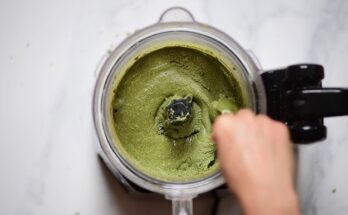
Add all your ingredients—cilantro, peppers, garlic, lime juice, mayo, cheese, oil, and any extras—into a blender or food processor. Blend on high until the sauce is smooth and vibrant green. You may need to stop and scrape down the sides once or twice.
Pro tip: If the sauce is too thick, add a tablespoon of water or olive oil to loosen it up.
Step 4: Adjust to Taste
Taste your sauce and adjust it as needed:
- Need more salt? Add a pinch.
- Too spicy? Add more mayo or a touch of sugar.
- Too bland? Add more lime juice or an extra garlic clove.
You’re the chef here, so don’t be afraid to tweak it.
Step 5: Let it Chill
Pop your sauce in the fridge for at least 30 minutes before serving. This allows the flavors to meld together beautifully.
How to Make It Creamier
If you love your sauces extra creamy, there are a few hacks you can try to get that velvety smooth texture without compromising the bold, zesty flavor of the original recipe. Traditionally, mayonnaise gives Aji Verde its rich consistency. But if you’re feeling adventurous or want a twist, here are some cream-boosting options to consider:
- Add Avocado: Half an avocado added to the blender gives the sauce an ultra-smooth, buttery finish. It also adds healthy fats and a beautiful green hue.
- Use Sour Cream or Greek Yogurt: Swap out some (or all) of the mayo with full-fat Greek yogurt or sour cream. You’ll still get the creaminess, but with a slight tang and a boost of protein.
- Double the Cheese: Cheese like Cotija or Parmesan adds both umami and thickness. Don’t be shy—grate it fresh for best results.
- Chill Longer: Letting the sauce sit in the fridge not only deepens the flavor, but also thickens the texture as the fats firm up.
These tweaks are especially helpful if you’re serving this with grilled meats or fried dishes and want a sauce that clings instead of drips. The key is balance—don’t let the creaminess overpower the herbs and peppers.
Substitutes for Hard-to-Find Ingredients
Not everyone has easy access to Peruvian or Latin ingredients, so here are smart swaps to still enjoy this sauce wherever you are.
Aji Amarillo:
- Can’t find fresh or paste versions? Use jalapeños or Serrano peppers. For a more authentic flavor, look online for aji amarillo paste or check out Latin grocery stores.
Cotija Cheese:
- Swap with Parmesan, feta, or even queso fresco. Parmesan gives a nice umami kick, while feta adds a creamy, salty punch.
Lime Juice:
- No lime? Lemon juice works in a pinch, but lime gives it that signature brightness.
Mayonnaise:
- Replace with Greek yogurt for a tangy and healthier option. Sour cream also works well.
Fresh Cilantro:
- Cilantro is crucial for authenticity, but if you’re one of those folks who taste soap when eating it, try a mix of fresh parsley and basil instead. It won’t be the same, but it’ll still be delicious.
The great thing about this sauce is its forgiving nature. Just blend, taste, tweak, and you’ll land on something irresistible.
Tips for Perfect Aji Verde Every Time
Whether you’re a total newbie or a seasoned cook, these tips will help you nail Aji Verde every single time:
- Use Fresh Ingredients: Wilted cilantro or old garlic can dull the flavor. Always start with fresh, vibrant produce.
- Control the Heat: Start with fewer peppers—you can always add more, but you can’t take them out!
- Blend Long Enough: Let your blender run a bit longer to get that ultra-smooth texture. No one wants a chunky sauce.
- Let It Rest: Aji Verde tastes better after chilling for 30–60 minutes. Trust me on this.
- Double the Batch: This stuff goes fast. Make extra and store it for the week.
- Don’t Skip the Cheese: Even a small amount adds depth and saltiness that makes the sauce pop.
- Use the Right Oil: A neutral oil like vegetable or light olive oil works best—avoid strong-flavored oils that overpower the herbs.
Once you make this sauce a few times, you’ll get a feel for what flavor balance works best for your taste buds.
What to Serve with Peruvian Green Sauce
This is where Aji Verde truly shines—its versatility is off the charts. You can use it as a condiment, a marinade, a salad dressing, or even a dip. Here are some mouth-watering pairing ideas:
With Chicken
- Drizzle it over grilled or roasted chicken breasts.
- Use it as a dipping sauce for chicken wings or chicken tenders.
- Slather it on pollo a la brasa for that authentic Peruvian experience.
With Potatoes
- Pour it over roasted potatoes for a punch of flavor.
- Use it with boiled baby potatoes as a light meal or appetizer.
- Try it on fries instead of ketchup—you’ll never go back.
As a Dip or Spread
- Dip vegetables, chips, or crackers.
- Spread it on sandwiches, burgers, or wraps.
- Stir it into quinoa or rice bowls for a flavor boost.
Whatever you pair it with, this sauce elevates the entire dish. It’s not just a condiment—it’s the main event.
How to Store and Preserve the Sauce
Once you’ve made your batch of Aji Verde, proper storage is key to keeping it fresh and flavorful. Here’s what you need to know:
- Refrigeration: Store your sauce in an airtight container—preferably a glass jar with a tight lid. This keeps the flavors intact and the texture smooth.
- Shelf Life: When refrigerated properly, Aji Verde can last up to 5–7 days. Be sure to stir before each use as separation can occur.
- Avoid Contamination: Use a clean spoon every time you scoop some out. Introducing bacteria from used utensils shortens its shelf life.
Aji Verde is best enjoyed fresh, but don’t worry—it holds up well for most of the week if stored right.
How Long Will It Last in the Fridge?
A properly stored batch of Peruvian green sauce will stay fresh for 5 to 7 days in the refrigerator. Over time, the vibrant green color may darken slightly, especially if exposed to air, but the flavor will still be bold and delicious.
Quick Tips:
- Always use a clean spoon to avoid spoilage.
- If it smells sour or turns slimy, it’s time to toss it.
- Store it in a small container to reduce air exposure.
Want it to last even longer? Let’s talk freezing.
Can You Freeze Peruvian Green Sauce?
Yes, you can absolutely freeze Aji Verde! It’s not traditional, but it’s practical—especially if you’ve made a large batch or want to prep ahead.
Here’s how to do it right:
- Freeze in small portions using an ice cube tray. Once frozen, pop the cubes out and store them in a zip-top freezer bag.
- When ready to use, thaw in the fridge and give it a quick blend or stir to bring back its smooth consistency.
Note: The texture might change slightly due to the mayo or cheese, but the flavor stays strong. To freshen it up post-freezing, just stir in a little olive oil or a splash of lime juice.
FAQs about Peruvian Green Sauce Recipe
1. Can I make this sauce without mayo?
Yes! You can use Greek yogurt or avocado for creaminess. You’ll get a slightly different flavor, but it’s still delicious.
2. Is Aji Verde vegan-friendly?
Traditional versions use cheese and mayo, but you can substitute with vegan mayo and skip the cheese—or use a plant-based cheese.
3. What if I hate cilantro?
You can substitute with parsley and a bit of basil, but know it will change the flavor quite a bit.
4. Can I use a food processor instead of a blender?
Yes. A high-speed blender gives a smoother texture, but a food processor works just fine—just be sure to scrape down the sides frequently.
5. Can I make it ahead of time?
Absolutely. In fact, it tastes even better after sitting in the fridge for a few hours or overnight.
Conclusion
There’s a reason why Peruvian Green Sauce—or Aji Verde—is taking the culinary world by storm. It’s bright, bold, spicy, and unbelievably versatile. Whether you’re using it as a dip, a marinade, or a sandwich spread, it brings a punch of flavor that’s unforgettable.
The best part? You can whip it up in under 10 minutes with fresh, easy-to-find ingredients. Once you’ve tasted it, you’ll understand why it’s a staple in Peruvian kitchens—and why it deserves a permanent spot in yours.
So grab your blender, some fresh cilantro, and let’s get saucy!