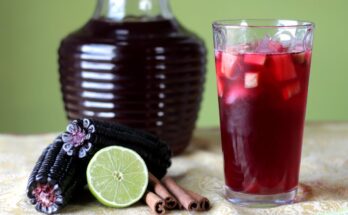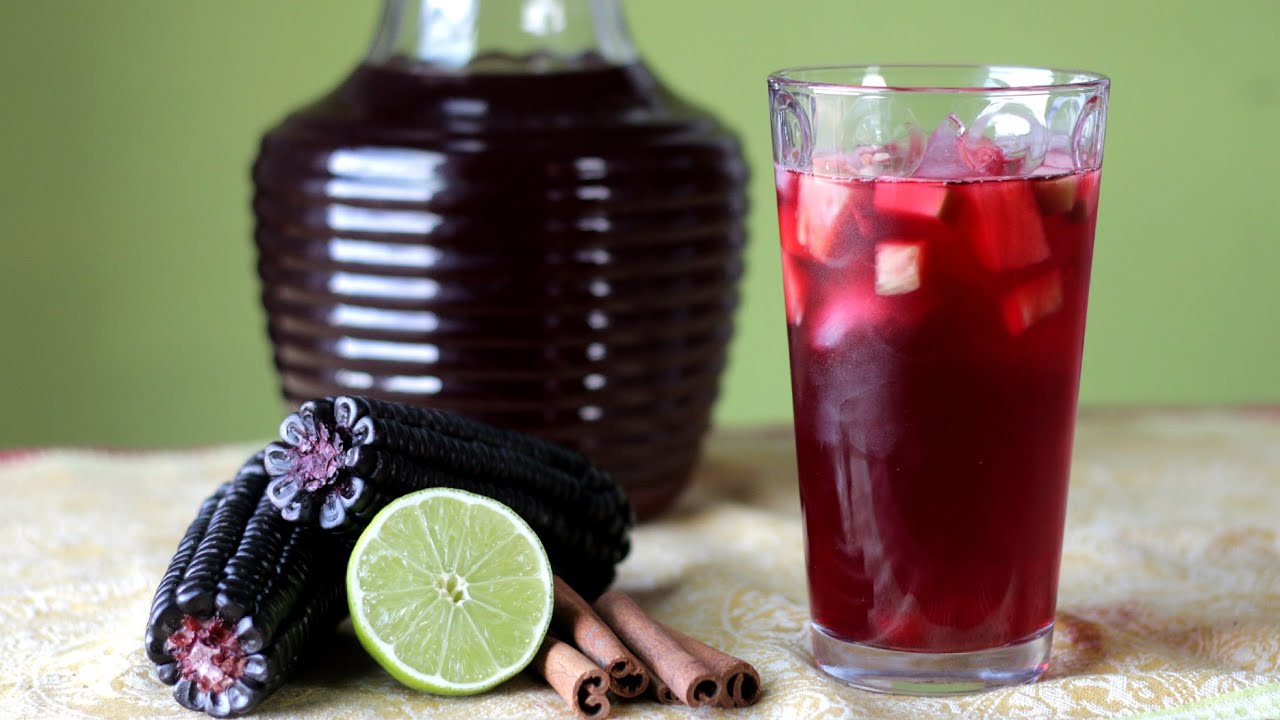
Peruvian Chicha Morada Recipe: Chicha Morada is one of Peru’s most beloved traditional drinks, and once you taste it, it is easy to understand why. This vibrant purple beverage is made mainly from purple corn, a deeply colored variety of corn native to the Andes.
The corn is simmered with ingredients such as pineapple peel, apple, cinnamon, and cloves, creating a sweet, spiced, fruity drink that feels both comforting and refreshing at the same time.
It is usually served cold, making it perfect for warm days, but its rich aroma also gives it a cozy, homemade character that works any time of year.
The Cultural Roots of This Peruvian Drink
In Peru, food and drink are tightly woven into history, geography, and community, and Chicha Morada is a perfect example of that connection. Purple corn has been grown in the Andean region for centuries, and its deep color has made it stand out for generations. Unlike trendy drinks that appear overnight and disappear just as quickly, this one has real staying power. It has deep roots and continues to be enjoyed across Peru and beyond. That kind of longevity says a lot. It means people are not just drinking it because it tastes good, but because it means something.
Traditional Peruvian cooking often makes the most of what is available locally, and this drink reflects that beautifully. The recipe takes purple corn and combines it with fruit scraps like pineapple peel, along with warm spices and citrus. There is something clever and practical about that. Nothing feels wasted, and everything contributes flavor. It is the kind of recipe that feels like it was shaped by generations of cooks who knew exactly how to coax beauty out of simple ingredients.
Today, Chicha Morada remains a symbol of Peruvian identity. It appears at family tables, restaurants, markets, and festive events. Even people who have moved far from Peru often continue making it because it carries a taste of home. That emotional connection matters. Some recipes feed your stomach, while others also feed memory. This one does both. If you are learning how to make it for the first time, you are not just following a drink recipe. You are stepping into a small but meaningful part of a rich culinary tradition.
Why Chicha Morada Is So Popular
There are plenty of fruit drinks in the world, but Chicha Morada stands in a lane of its own. One big reason is its color. That rich, jewel-like purple makes it instantly eye-catching. It looks dramatic in a glass, especially over ice, and it feels special before you even taste it. But looks only get it so far. What really wins people over is the flavor. It is sweet, lightly spiced, fruity, and tangy all at once, which gives it a depth that many homemade drinks simply do not have.
Another reason for its popularity is its versatility. You can serve it with lunch, at a party, with spicy food, or as a non-alcoholic option for guests. It feels elegant enough for a special occasion and relaxed enough for an ordinary weekday meal. That balance is rare. Some drinks are too plain to stand out, while others are too intense to pair with food. Chicha Morada sits comfortably in the middle. It refreshes without overpowering.
It also appeals to people who enjoy trying global recipes that still feel approachable. You do not need advanced cooking skills to make it, and the steps are straightforward. Once you know the method, it becomes a repeat recipe. It is the kind of drink people make once out of curiosity and then keep making because it becomes a favorite. In a world full of sugary bottled beverages, this one feels more authentic, more homemade, and far more memorable. That is exactly why it continues to win hearts in Peru and far beyond.
What Does Chicha Morada Taste Like?
The flavor of Chicha Morada is often described as fruity and spiced, but that only tells part of the story. When made well, it has a smooth, rounded taste that combines sweetness, gentle acidity, and aromatic warmth. The purple corn itself contributes an earthy depth rather than a strong corn flavor, so do not expect it to taste like boiled corn water. Instead, it acts more like the backbone of the drink, giving it body and richness while the fruit and spices do the singing on top. Pineapple peel adds a bright tropical note, apple brings softness, and cinnamon and cloves lend a warm fragrance that ties everything together.
The first sip usually feels refreshing, but then the layered flavor starts to unfold. It is not aggressively sweet unless you make it that way, and that is part of its charm. The citrus added near the end lifts the drink and keeps it from tasting heavy. That final tang is like opening a window in a room filled with warm spice. Suddenly, everything becomes brighter and more balanced. Served cold, it is especially refreshing, with the fruit and spice notes becoming even more appealing over ice.
One of the best things about this drink is that it tastes familiar and unique at the same time. It has hints of spiced punch, fruit tea, and juice, but it does not fully belong to any one category. That is what makes it interesting. It surprises people in a good way. If you are serving it to someone for the first time, do not be surprised if they pause after the first sip and then go right back for more. It has that effect. It is comforting, bright, and just different enough to be unforgettable.
Flavor Profile and Aroma
The aroma of Chicha Morada is one of its most inviting features. Before you even drink it, the scent tells you something special is waiting. The cinnamon rises first, followed by the sweet, slightly tart perfume of pineapple and apple. Cloves add a subtle depth that makes the drink feel warmer and more complex. Together, these aromas create something that feels both festive and homemade, like a kitchen that has been patiently simmering something wonderful for hours.
On the tongue, the drink is smooth and light, not syrupy or thick. The sweetness should feel rounded rather than sharp, especially if you add the sugar gradually. The fruit creates a soft, juicy character, while the spices bring structure. It is a bit like listening to a good band where no instrument is trying to steal the whole show. Every ingredient has a role, and the best versions of Chicha Morada feel balanced from start to finish. No single note should dominate too much.
The aftertaste is also worth mentioning because it is one of the reasons people find this drink so satisfying. You get a lingering fruitiness with a faint touch of spice and citrus. It leaves the mouth refreshed instead of coated in sugar. That alone makes it stand out from many commercial beverages. It tastes natural, considered, and deeply pleasant. In other words, it is not just pretty in a glass. It actually delivers where it counts.
How It Differs From Other Fruit Drinks
At first glance, some people assume Chicha Morada is just another fruit punch or flavored juice. That assumption disappears quickly after the first taste. Most fruit drinks rely heavily on one dominant flavor, often citrus or berry, with sweetness doing the rest of the work. Chicha Morada is more layered than that. The purple corn gives it a structure that fruit juice alone cannot create, while the spices add a warm, almost tea-like elegance. The result is more complex and far more memorable.
Unlike many cold drinks that are built to be sugary and instantly sweet, this one has depth. The acidity comes from real fruit and lime or lemon juice, not just a sharp artificial tang. The sweetness can be adjusted, which makes it flexible for different preferences. It also feels more connected to traditional cooking than to modern drink shortcuts. That matters because you can taste the difference between something assembled and something brewed with care. Chicha Morada clearly belongs in the second category.
It also differs in texture and overall experience. Some juices are one-note and forgettable, like background music in a crowded room. This drink is more like a song you notice immediately. It has color, aroma, a layered flavor profile, and a cultural identity. It is refreshing, yes, but it also feels crafted. That is why it works so well at the table. It does not just fill a glass. It adds character to the meal.
Ingredients You’ll Need
Making authentic Peruvian Chicha Morada starts with the right ingredients, and thankfully, the list is simple and manageable. The star of the recipe is purple corn, which gives the drink its signature color and much of its character. Around that core, you build flavor using pineapple peel, apples, cinnamon, cloves, sugar, and fresh lime or lemon juice. These ingredients work together like a small team where everyone knows their role. Nothing feels random. Every item adds either body, sweetness, aroma, or brightness.
The beauty of this ingredient list is that it feels rustic and clever at the same time. Pineapple peel, for example, adds remarkable flavor, which means you are using a part of the fruit many people normally throw away. That gives the recipe a practical, traditional feel. Apples add mild sweetness and softness. Cinnamon sticks and cloves bring warmth without making the drink taste like dessert. Then the citrus comes in at the end to sharpen and lift everything. It is a smart combination, and once you make it, the flavor logic becomes obvious.
You can usually find purple corn at Latin American grocery stores, Peruvian markets, or online. Sometimes it is sold dried in whole cobs, and sometimes in pieces. Either works. The rest of the ingredients are easy to source in most supermarkets. That accessibility is part of why this recipe is such a great choice for home cooks. You are making something traditional and impressive, but not chasing a dozen hard-to-find items. Below is the ingredient list you can follow for a reliable homemade version.
Main Ingredients
Here is the essential list for a classic Chicha Morada recipe:
| Ingredient | Amount | Purpose |
|---|---|---|
| Purple corn | 1 lb (about 450 g) | Gives color, body, and signature flavor |
| Pineapple peel | From 1 pineapple | Adds fruity aroma and natural sweetness |
| Apple | 1 to 2, chopped | Softens and rounds out flavor |
| Cinnamon sticks | 2 to 3 | Adds warmth and fragrance |
| Whole cloves | 4 to 6 | Adds subtle spice and depth |
| Water | 8 to 10 cups | Base of the drink |
| Sugar | 1/2 to 1 cup, to taste | Sweetens the beverage |
| Lime or lemon juice | 2 to 4 tablespoons | Brightens and balances the drink |
This list gives you a balanced result that is flavorful but still refreshing. The sugar range matters because different pineapples and apples bring different levels of sweetness. It is better to start modestly and adjust later. The same goes for citrus. Add enough to wake the drink up, but not so much that it overshadows the corn and fruit. A good homemade Chicha Morada tastes lively and smooth, not harsh or overly sweet.
Optional Ingredients for Extra Flavor
Once you have the classic version down, there are a few optional ingredients you can use to tweak the flavor. Some people add orange peel for a slightly more floral citrus note. Others include a few chunks of fresh pineapple flesh along with the peel for a stronger fruit presence. A small piece of ginger can introduce a gentle kick, though it is best used lightly so it does not take over the drink. These additions can be helpful when you want a slightly more personalized version while keeping the recipe rooted in tradition.
You can also play with the sweetener. White sugar is common and gives a clean taste, but some cooks prefer brown sugar for a deeper, more caramel-like note. Honey is less traditional, but it can work if used carefully after the drink has cooled a little. That said, the classic method is often the best place to start. It gives you a clear sense of what Chicha Morada is meant to taste like before you start improvising.
Another optional idea is chopped fruit served in the finished drink, especially if you want a more decorative presentation. Small apple or pineapple cubes can make it feel a bit more festive. Just remember that the drink itself should still be the star. Extras are there to support it, not compete with it.
Kitchen Tools You Should Have
You do not need fancy equipment to make Peruvian Chicha Morada, which is part of its charm. A large pot is the most important tool because the corn, fruit, and spices need enough room to simmer properly. A medium or large strainer is also essential for removing the solids once the liquid has absorbed all the flavor. After that, you only need a cutting board, a knife, a spoon for stirring, and a pitcher or large container for chilling and serving. In other words, this is a very doable recipe for most home kitchens.
A good pot matters more than people think. If the pot is too small, the ingredients get crowded, and you may not extract flavor as evenly. A heavy-bottomed pot is especially helpful because it distributes heat more consistently and reduces the chance of scorching. While this is not a difficult recipe, it does reward a little patience and good setup. Think of the pot as the stage where everything performs. Give the ingredients enough space, and they will do their job beautifully.
You may also want a fine mesh sieve if you prefer a smoother drink. A regular strainer works well for most cooks, but a finer one catches tiny spice particles and fruit bits. That makes the final result look cleaner in the glass. A large spoon or ladle helps when transferring hot liquid safely. Small details like these are not glamorous, but they make the process smoother and the final drink more polished.
Basic Equipment for Easy Preparation
Here is the basic equipment you should gather before starting:
- Large stockpot
- Sharp knife
- Cutting board
- Large spoon or ladle
- Strainer or fine mesh sieve
- Pitcher or storage container
- Measuring cups and spoons
- Citrus juicer if available
Having everything ready before you begin makes the process feel simple and relaxed. This is one of those recipes that benefits from a bit of order. Once the simmering starts, the hard part is mostly done, and the kitchen fills with a wonderful aroma. It is a low-stress recipe with a high reward, which is exactly the kind of cooking many people love.
How to Choose the Best Purple Corn
The quality of your purple corn has a direct effect on the final drink, so it is worth choosing carefully. In many cases, you will find dried purple corn sold in bags, either as whole cobs or broken pieces. Look for corn that has a deep, dark purple color rather than something faded or dusty-looking. That rich color is a good sign that the corn still has strong pigment and likely good flavor. Since the drink depends on that signature hue and body, you want corn that looks alive rather than tired.
If you are buying from a Latin market or online shop, check the packaging date if possible. Fresher dried corn tends to produce better flavor. It should smell mild and natural, not musty. If you are not familiar with buying it, think of it like choosing spices. The more vivid and aromatic it seems, the better your final result is likely to be. Good ingredients do a lot of the heavy lifting, and Chicha Morada is no exception.
Price can vary depending on where you live, but a higher price does not always guarantee better quality. A trusted source matters more. Stores that specialize in Peruvian or Latin ingredients are often your best bet because they are more likely to stock the right variety. Once you find a reliable source, making this drink becomes much easier in the future.
Fresh, Dried, or Packaged Options
Fresh purple corn is not always easy to find outside certain regions, so most people use dried corn, which works very well. Dried purple corn is the standard choice for homemade Chicha Morada and is widely accepted as the practical option. It stores well, travels well, and still delivers excellent flavor and color when simmered properly. In fact, many home cooks prefer it because it is convenient and consistent.
Packaged versions of Chicha Morada mix also exist, but they are not the same as making it from scratch. Some are useful for speed, but they often miss the layered freshness that comes from simmering real corn, fruit, and spices together. It is a bit like the difference between instant soup and slow-cooked broth. Both may serve a purpose, but only one has that homemade depth people remember. For the best result, dried corn remains the gold standard.
If fresh purple corn happens to be available, it can be a great option, but it is not necessary. The classic homemade route with dried corn is already excellent. For most readers, that is the smartest and most realistic choice.
Step-by-Step Guide for Peruvian Chicha Morada
Step 1: Rinse and Prepare the Ingredients
Start by rinsing the purple corn thoroughly to remove any dust or impurities. Wash the apples, pineapple peel, and any citrus you plan to use, then cut the fruit into large chunks. Gather your spices, usually cinnamon sticks and cloves, so everything is ready before cooking begins.
Step 2: Simmer the Purple Corn and Spices
Place the purple corn, prepared fruit, cinnamon, and cloves into a large pot and cover with water. Bring it to a boil, then reduce the heat and let it simmer gently until the liquid turns deep purple and the flavors develop fully. This slow simmer is what gives chicha morada its rich color and signature taste.
Step 3: Strain and Cool the Liquid
Remove the pot from the heat and allow the mixture to cool slightly. Strain the liquid through a fine sieve into a large bowl or pitcher, leaving behind the corn, fruit, and spices. Let the strained drink cool completely before moving to the next step.
Step 4: Sweeten and Balance the Flavor
Once the liquid has cooled, stir in sugar or your preferred sweetener to taste. Add fresh lime or lemon juice a little at a time to brighten the flavor and balance the sweetness. Taste as you go so the drink stays refreshing and not overly sweet.
Step 5: Chill, Garnish, and Serve
Place the chicha morada in the refrigerator until it is well chilled. Serve it over ice and garnish with apple pieces or a slice of lime if desired. Enjoy it cold for the best flavor and refreshment.
Pro Tips for the Best Chicha Morada
A great Chicha Morada is all about balance. The most common mistake is oversweetening it before tasting the finished base. Since fruit and pineapple peel already contribute natural sweetness, too much sugar can flatten the drink and hide its complexity. Start low and build up. Another common issue is adding too much citrus too quickly. Acid should brighten the drink, not steal the spotlight. Add it gradually, tasting as you go.
Letting the mixture simmer long enough is also important. If you rush that stage, the drink may look pale and taste underdeveloped. On the other hand, you do not need to cook it forever. An hour is usually enough to extract what you need. The goal is depth, not exhaustion. A steady, patient simmer works better than aggressive heat.
One more tip is to make the drink a few hours ahead of time. Like many homemade beverages, it often tastes even better after resting in the fridge. The flavors settle, mingle, and become more unified. That little bit of time can turn a good drink into a very memorable one.
Common Mistakes to Avoid
Avoid using too little purple corn, because the drink may lack both color and character. Also avoid skipping the spices. Cinnamon and cloves may seem like background players, but they give the drink warmth and depth. Without them, the result can taste incomplete. Another issue is straining poorly, which can leave unpleasant bits in the final drink. A smooth finish makes a real difference.
Resist the urge to rely only on bottled pineapple juice instead of peel and fresh fruit elements. The traditional simmered method has a richer flavor and feels more authentic. Store-bought shortcuts can work in a pinch, but they rarely capture the same personality. Keep it simple, but keep it real.
Ways to Adjust Sweetness and Tang
Taste is personal, and that is one of the best things about homemade drinks. For a sweeter version, add sugar a little at a time until it feels right. For a tarter version, increase the lime or lemon juice gradually. If the drink tastes too strong, dilute it slightly with cold water before serving. That can actually improve balance, especially after chilling.
You can also tailor the spice level by adjusting the cinnamon and clove amounts next time you make it. Once you have made Chicha Morada once or twice, you will start to understand exactly where your own perfect balance lives.
Serving Ideas and Pairings
Chicha Morada pairs beautifully with many savory dishes, especially foods with bold or spicy flavors. Its sweet-tart balance helps cool the palate, which makes it a natural companion to classic Peruvian dishes. It also works wonderfully with grilled meats, roasted chicken, rice dishes, empanadas, and fried snacks. The drink has enough personality to stand beside flavorful food without being overwhelming.
It is also excellent for gatherings because it feels festive without requiring alcohol. The color alone makes it a table brightener. Serve it in a glass pitcher with ice and fruit slices, and it instantly looks like something worth celebrating. That visual appeal matters more than people admit. Sometimes a drink sets the tone before anyone even tastes it.
For casual meals, it can replace soda or packaged juice in a much more interesting way. It feels homemade, thoughtful, and deeply satisfying. That is part of its magic. It brings a sense of occasion without asking for much effort once it is made.
Best Foods to Serve With Chicha Morada
Some excellent pairings include:
- Pollo a la brasa
- Lomo saltado
- Empanadas
- Tamales
- Ceviche
- Grilled meats
- Rice and bean dishes
Its refreshing acidity and fruitiness make it a strong partner for salty, smoky, or spicy foods. It acts like a gentle reset button between bites, which is one reason it fits the table so naturally.
How to Store Chicha Morada
Store Chicha Morada in a sealed pitcher or airtight container in the refrigerator. It usually stays fresh for about 3 to 5 days, though the best flavor is often within the first couple of days. Stir before serving if it has been sitting, especially if any fine particles settled. Always keep it chilled, since this drink is meant to be served cold and tastes best that way.
If you are making it ahead for a party, preparing it the day before is actually a smart move. That extra time allows the flavors to settle and improve. Just hold off on adding ice until serving so the drink does not become diluted. You can also store it in smaller bottles for easy grab-and-pour use during the week.
Fridge Life and Make-Ahead Advice
A make-ahead batch is ideal for busy households or entertaining. You do the work once and enjoy the reward over several servings. If the flavor becomes too concentrated after chilling, add a splash of cold water and stir. Taste again before serving. Homemade drinks can shift slightly in the fridge, but a quick adjustment usually brings everything right back into balance.
Freezing is possible, though not always necessary. If you do freeze it, leave room in the container for expansion and thaw it in the fridge before serving. Freshly chilled is still the best version, but freezing can work for leftover batches.
FAQs about Peruvian Chicha Morada Recipe
1. What is Peruvian chicha morada?
Peruvian chicha morada is a traditional non-alcoholic drink made from purple corn, fruit, spices, sweetener, and citrus juice. It is known for its deep purple color and refreshing flavor. The drink is especially popular in Peru and is often served cold.
2. Is Peruvian chicha morada alcoholic?
No, the classic version of Peruvian chicha morada is not alcoholic. It is made by boiling purple corn with fruit and spices, then straining and sweetening the liquid. It is enjoyed as a refreshing homemade beverage.
3. What does Peruvian chicha morada taste like?
It has a flavor that is sweet, fruity, lightly spiced, and slightly tangy. The cinnamon and cloves add warmth, while the fruit and citrus keep it bright and refreshing. Its taste is unique but very easy to enjoy.
4. Can I make Peruvian chicha morada ahead of time?
Yes, it can be made ahead and stored in the refrigerator until ready to serve. In fact, chilling it for a few hours often improves the flavor. This makes it a great drink for gatherings or meal prep.
5. How long does chicha morada last in the fridge?
Chicha morada usually stays fresh for about 3 to 5 days when kept in a covered container in the refrigerator. Stir it before serving if needed. For the freshest flavor, many people prefer to enjoy it within the first few days.
6. Can I serve chicha morada with food?
Yes, chicha morada pairs well with many dishes, especially Peruvian meals, grilled foods, rice dishes, and light snacks. Its fruity and spiced flavor makes it a refreshing drink alongside savory food. It is also nice on its own over ice.
Conclusion
Peruvian Chicha Morada is one of those recipes that proves simple ingredients can create something deeply memorable. With purple corn, pineapple peel, apple, cinnamon, cloves, sugar, and citrus, you get a drink that is vibrant, refreshing, aromatic, and full of cultural character. It is easy enough for a home cook to master, yet distinctive enough to impress at the table. The process is straightforward, the ingredient list is manageable, and the flavor is anything but ordinary.
If you have been looking for a traditional Peruvian drink recipe that actually feels worth making from scratch, this is the one to try. Once you pour that first glass over ice and taste the blend of fruit, spice, and citrus, you will understand why Chicha Morada has remained a favorite for generations.