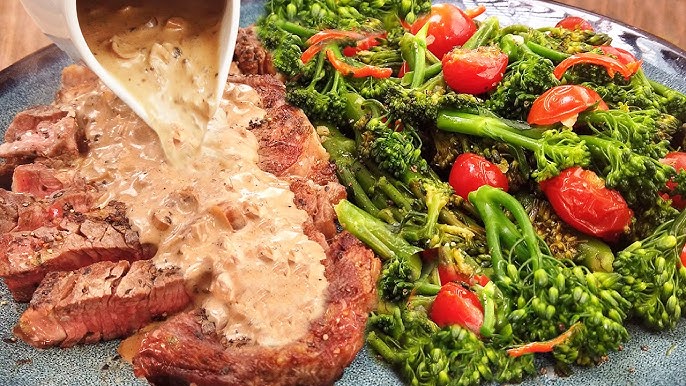
Peppercorn Sauce Recipe: There’s something undeniably elegant about a silky, robust peppercorn sauce cascading over a perfectly seared steak or drizzled atop grilled vegetables. It’s not just a sauce; it’s a flavor experience that elevates any meal from average to restaurant-worthy. Whether you’re hosting a fancy dinner or just spicing up your Tuesday night meal, peppercorn sauce is the ultimate way to add gourmet flair without hours of work.
This sauce is famed for its luxurious texture and the bold kick it brings to the table. It’s creamy, peppery, and slightly tangy—balancing the richness of cream with the punch of crushed peppercorns. And the best part? You don’t need to be a professional chef to make it.
Origins and Culinary Significance
Peppercorn sauce, often associated with French cuisine, has roots in the classic “au poivre” sauce, a staple in Parisian steakhouses. Over time, it evolved with regional twists—some add brandy, others use heavy cream, while a few even stir in mustard or stock. Today, this iconic sauce has found a place in global kitchens, thanks to its unmatched ability to pair beautifully with meats, especially beef.
The versatility of peppercorn sauce also adds to its popularity. It’s a sauce that complements high-end cuts of steak just as well as roasted vegetables or even tofu. The universal appeal lies in its bold yet balanced flavor profile.
Key Ingredients Needed
The Role of Each Ingredient
Here’s what you’ll typically need:
- Peppercorns (black, green, or mixed): The hero of the dish—adds heat, aroma, and depth.
- Butter: Starts the base and adds richness.
- Shallots or onions: Provide subtle sweetness and a savory backbone.
- Garlic (optional): Enhances flavor complexity.
- Brandy or Cognac (optional): Adds depth and a touch of sweetness.
- Beef or vegetable stock: Builds body and umami flavor.
- Heavy cream: Makes it creamy and smooth.
- Salt: Enhances and balances the overall flavor.
Each ingredient plays its part in building a sauce that’s rich, layered, and perfectly peppery. Use high-quality cream and freshly ground peppercorns for the best results.
Fresh vs. Dried Peppercorns
Using freshly crushed peppercorns makes a world of difference. Unlike pre-ground pepper, whole peppercorns release oils when crushed, offering a more vibrant aroma and fuller taste. Black peppercorns are the most common, but green peppercorns can give a more herbaceous and mild flavor, perfect for those who want a less spicy version.
Mixed peppercorns (black, white, pink, and green) also work well if you’re feeling adventurous—they bring different levels of heat and floral notes that enhance the sauce’s complexity.
Tools and Equipment Required
Kitchen Essentials for the Perfect Sauce
You don’t need fancy gadgets to make a killer peppercorn sauce. Here’s what you’ll need:
- A medium saucepan or skillet (preferably non-stick or stainless steel)
- A wooden spoon or silicone spatula
- A mortar and pestle or pepper grinder
- A measuring cup and measuring spoons
- Strainer (optional, if you want a smoother texture)
A good-quality skillet allows even heat distribution, crucial when simmering the sauce slowly to develop flavor without burning the cream.
Tips for Preparation and Cleanup
- Mise en place: Have all your ingredients prepped and ready. Once you start cooking, things move fast.
- Low and slow: Don’t rush. Simmering gently allows flavors to meld.
- Deglazing tip: If you’re using the same pan you cooked meat in, deglaze it with brandy or stock for added depth.
- Easy cleanup: Use a non-stick pan to avoid stuck-on cream, and rinse immediately after cooking for easier cleaning.
Step-by-Step Guide to Making Peppercorn Sauce
Step 1: Prepping the Ingredients
Before you turn on the stove, prep everything. Finely chop your shallots, measure out your liquids, and lightly crush your peppercorns. If using brandy, keep it ready for deglazing. Make sure your cream is at room temperature—cold cream can curdle when added to a hot pan.
Step 2: Crushing the Peppercorns
Using a mortar and pestle or the back of a spoon, coarsely crush the peppercorns. You’re not looking for powder here. You want cracked peppercorns that’ll infuse the sauce with bite and texture. Avoid using pre-ground pepper as it lacks the same intensity and freshness.
Step 3: Cooking the Base
Start by melting about 1 tablespoon of butter in your skillet over medium heat. Once melted, add the chopped shallots and sauté for about 2-3 minutes until they become translucent and fragrant. If you’re using garlic, add it in the last 30 seconds to avoid burning it.
At this stage, you’re building the flavor foundation. Shallots bring in subtle sweetness while the butter enriches everything. Stir frequently so nothing sticks or burns.
Step 4: Adding Liquids and Seasoning
Once the shallots are soft, it’s time to add the flavor punch. Pour in about 1/4 cup of brandy or cognac (if using), and let it simmer for a minute to cook off the alcohol. You’ll notice the sauce bubbling and reducing slightly—this intensifies the flavor.
Next, add 1/2 cup of beef or vegetable stock and 1 tablespoon of the crushed peppercorns. Stir well to combine and let the sauce simmer until reduced by half. This takes around 4-5 minutes and results in a more concentrated, flavorful base.
Then, pour in 1/2 cup of heavy cream, stirring constantly. Reduce the heat to low and let the sauce gently simmer for another 3-4 minutes until it thickens slightly. Add salt to taste, and if desired, a small knob of butter to finish the sauce with extra silkiness.
Step 5: Simmering to Perfection
This is where the magic happens. Let the sauce bubble softly—don’t boil it aggressively. Simmering allows the cream to thicken naturally and the peppercorns to infuse fully. Stir occasionally to avoid scorching at the bottom.
Taste your sauce at this point. Want it creamier? Add more cream. Want it bolder? Add a pinch more pepper. Once you’re happy with the consistency and flavor, remove it from the heat and strain it if you prefer a smoother texture.
Now, your rich, velvety peppercorn sauce is ready to pour over steaks, roasted vegetables, or whatever your culinary heart desires.
Expert Tips for the Best Flavor
Balancing Heat and Creaminess
Peppercorn sauce walks a fine line between bold spice and smooth richness. If your sauce turns out too spicy, a splash more cream or a bit of honey can mellow it out. For a lighter texture, you can swap part of the heavy cream with milk, but don’t skip the cream entirely—it’s essential for that luscious finish.
Keep in mind that crushed peppercorns continue to infuse the sauce even after cooking. If you’re storing leftovers, it might taste stronger the next day. Straining the peppercorns out before storing can help control this.
Mistakes to Avoid
- Over-crushing the peppercorns: You want pieces, not powder. Too fine, and it turns gritty.
- Rushing the reduction: Give your sauce time to thicken and develop depth. Don’t crank the heat to speed things up.
- Adding cream too early: If the pan is too hot, cream can separate. Always lower the heat first.
- Over-salting: Remember, stock and butter often contain salt. Taste before you season.
Master these little tricks, and you’ll have a go-to sauce that rivals what you’d get in a five-star restaurant.
Variations of Peppercorn Sauce
With Brandy or Cognac
One of the most beloved versions of peppercorn sauce includes a splash of brandy or cognac. This not only adds depth but brings a slight sweetness that balances the peppery kick beautifully. To incorporate alcohol properly, add it after the shallots are softened and allow it to cook off for about a minute before adding any stock or cream. The result is a more complex, restaurant-style sauce that pairs exquisitely with steak or duck breast.
Want to go a step further? Flambé the brandy! Just be cautious and always remove the pan from direct heat before igniting. This burns off the alcohol quickly and leaves behind a smoky, sophisticated flavor that’ll truly impress your guests.
Dairy-Free or Vegan Version
For those avoiding dairy, you can still enjoy a creamy peppercorn sauce. Simply swap the butter for plant-based margarine or olive oil. Instead of heavy cream, use unsweetened coconut cream or oat cream—both offer a similar consistency without overpowering flavors.
Use vegetable stock instead of beef, and make sure to taste and adjust seasonings accordingly. A splash of soy sauce or nutritional yeast can add that umami depth that’s often missing in dairy-free versions. This plant-based version pairs well with grilled portobello mushrooms, tofu steaks, or roasted cauliflower.
Best Dishes to Serve with Peppercorn Sauce
Classic Pairings Like Steak
There’s no denying the iconic duo of steak and peppercorn sauce. Whether it’s a juicy ribeye, filet mignon, or a hearty sirloin, this sauce is made to complement red meat. The creamy texture softens the charred edges of a well-seared steak, and the peppercorn’s bite cuts through the richness like a culinary power couple.
If you’re going all out, serve it with mashed potatoes, steamed greens, or crispy fries. Add a glass of red wine and you’re dining in five-star fashion.
Creative and Vegetarian Options
Don’t eat meat? No problem. Peppercorn sauce is incredibly versatile. Try it over:
- Grilled portobello mushrooms
- Roasted root vegetables like carrots, parsnips, or potatoes
- Cauliflower steaks
- Tofu or tempeh
- Pan-fried gnocchi or pasta
It also makes a luxurious topping for burgers, especially if you’re using a veggie patty or turkey burger. The sauce adds moisture and richness, making every bite satisfying and full of flavor.
Storing and Reheating Tips
Refrigeration and Freezing
Peppercorn sauce stores surprisingly well. Once cooled, place it in an airtight container and refrigerate for up to 4 days. If you’ve added brandy or cream, the alcohol and fat act as natural preservatives, helping extend the life of the sauce a bit longer.
Want to freeze it? Absolutely! Just pour it into freezer-safe containers, leaving a bit of space at the top. It’ll last up to 3 months. When you’re ready to use it again, thaw it overnight in the fridge and reheat slowly over low heat.
Maintaining Texture on Reheat
Cream sauces can be a bit temperamental when reheated, so go low and slow. Avoid microwaving directly at high heat—this can separate the cream. Instead:
- Warm the sauce in a saucepan over low heat.
- Stir frequently to bring it back together.
- Add a splash of cream or milk if it looks too thick or starts to separate.
If you follow these steps, your reheated peppercorn sauce will taste just as good as when it was freshly made—smooth, rich, and ready to pour over anything delicious.
Nutritional Facts and Dietary Tips
Caloric Breakdown
Peppercorn sauce may taste decadent—and that’s because it is! On average, a 1/4-cup serving of traditional peppercorn sauce contains:
- Calories: 180–220
- Fat: 18g (primarily from cream and butter)
- Carbohydrates: 2–4g (mostly from onions or shallots)
- Protein: 1–2g
- Sodium: 150–250mg (depending on your stock and added salt)
The cream and butter contribute most of the fat, while the peppercorns add negligible calories but tons of flavor. While not the lightest option, this sauce is rich and satisfying, meaning a small amount goes a long way.
Making It Healthier
If you want to enjoy peppercorn sauce without the guilt, try these healthy tweaks:
- Use low-fat cream or evaporated milk instead of heavy cream.
- Substitute butter with olive oil or a plant-based margarine.
- Go easy on the salt and use a low-sodium broth.
- Bulk up with veggies: Add finely chopped mushrooms or spinach to increase the nutritional value.
- Serve smaller portions: Even just a spoonful over lean meat or vegetables provides tons of flavor.
These smart swaps let you enjoy the essence of peppercorn sauce while staying on track with your health goals.
FAQs about Peppercorn Sauce Recipe
1. Can I use green peppercorns instead of black?
Yes, green peppercorns offer a milder, fresher flavor compared to black. They’re perfect if you want a less spicy sauce or a more herbal profile. Just adjust the quantity to suit your taste.
2. Is this sauce gluten-free?
It can be! Traditional peppercorn sauce is naturally gluten-free as long as the stock you use doesn’t contain wheat-based thickeners. Always check labels to be sure.
3. How long does homemade peppercorn sauce last?
Refrigerated, it’ll keep for up to 4 days. Frozen, it’s good for up to 3 months. Always reheat gently to maintain the creamy texture.
4. Can I make it ahead of time?
Absolutely. It reheats well, especially if you follow the low-and-slow method. Just avoid boiling it during reheating to prevent the cream from splitting.
5. What if my sauce is too spicy?
If it’s got too much bite, stir in extra cream or a dash of milk. A small spoonful of honey or sugar can also help balance the heat without compromising the flavor.
Conclusion
Peppercorn sauce is more than just a condiment—it’s a flavor-packed companion that turns ordinary meals into gourmet experiences. Whether you’re slathering it over a juicy steak, spooning it onto roasted veggies, or giving your burger a creamy kick, this sauce brings boldness, richness, and a touch of culinary elegance.
Its simple ingredients, adaptable recipe, and fast cooking time make it perfect for weeknight dinners or special occasions alike. And with variations like brandy-infused or dairy-free versions, everyone can enjoy it in their own way.
Ready to impress your dinner guests—or just treat yourself to something delicious? Grab those peppercorns, and let’s get saucy.